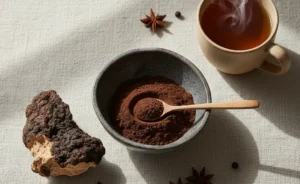


In an era where personal wellness and natural remedies are increasingly taking center stage, many are exploring ancient traditions for modern health solutions. The pursuit of nourishing beverages that offer more than just hydration has led to a renewed interest in adaptogens and functional foods. Among these, the humble mushroom, long revered in Eastern cultures, is gaining significant traction in Western health circles. As individuals seek holistic approaches to vitality, understanding the diverse maitake mushroom tea benefits becomes increasingly relevant. This article delves into the potential advantages of incorporating this distinctive beverage into a balanced daily routine, offering insights into its unique properties and how it can contribute to overall well-being.
Understanding Maitake: The ‘Hen-of-the-Woods’ Mushroom
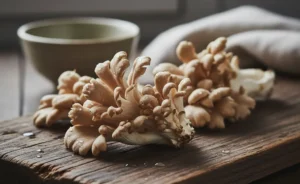
Maitake, scientifically known as Grifola frondosa, is a distinctive polypore mushroom native to North America, Europe, and Asia. Its name, “Maitake,” originates from Japanese, meaning “dancing mushroom,” a moniker believed to stem from people dancing with joy upon finding it in the wild, given its revered status and potential maitake mushroom benefits. In English-speaking regions, it is often referred to as ‘Hen-of-the-Woods’ due to its appearance, which resembles a ruffled hen’s feathers, growing in large, overlapping clusters at the base of trees, particularly oaks.
Beyond its unique morphology, Maitake is distinguished by its rich nutritional profile, contributing to its growing reputation in holistic health. It contains a complex array of compounds, including polysaccharides, beta-glucans, and various minerals. Understanding the fundamental nature of Maitake, or Grifola frondosa, is crucial for appreciating the full scope of maitake mushroom tea benefits and its role as a functional food. The mushroom’s composition is a key factor in its adaptogenic properties, allowing the body to potentially adapt to various stressors and support overall balance.
The Historical and Culinary Journey of Maitake
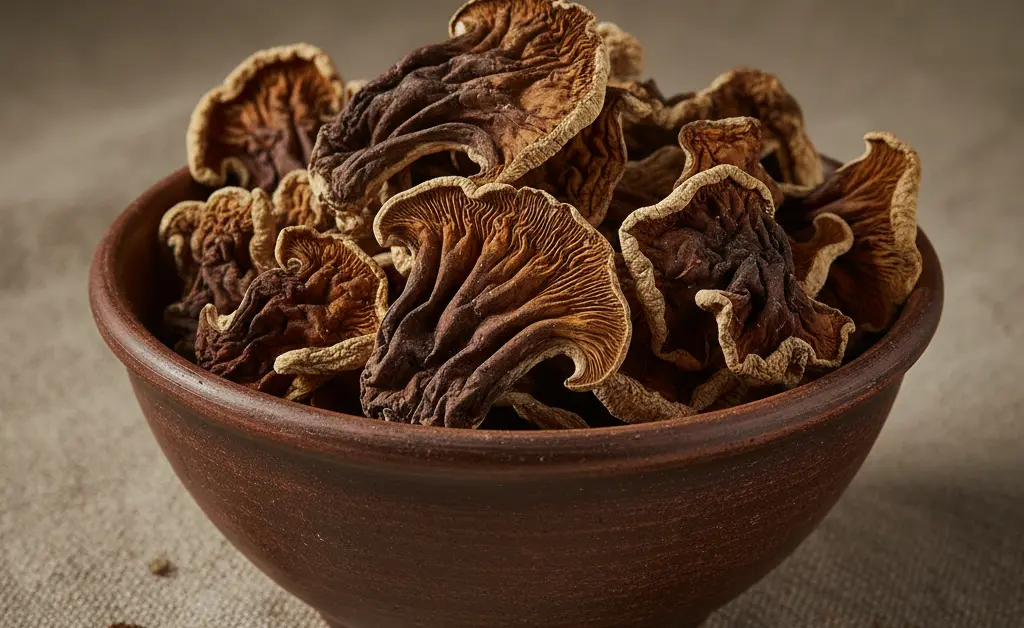
The history of Maitake mushrooms is deeply intertwined with traditional Eastern medicine and culinary practices, particularly in Japan and China, spanning thousands of years. In these cultures, Maitake was not merely a food source but a highly valued medicinal mushroom, often reserved for royalty or used in significant ceremonial contexts. Its adaptogenic mushroom qualities were recognized early on, leading to its incorporation into traditional remedies aimed at promoting vitality and longevity. Herbalists and practitioners valued it for its broad potential to support various bodily functions.
Culinary appreciation for Maitake also has a long history. Its earthy, rich, and slightly peppery flavor, along with its firm yet tender texture, makes it a prized ingredient in many dishes. It can be sautéed, roasted, added to soups, or incorporated into stir-fries. As global awareness of functional foods has grown, Maitake has transitioned from a regional delicacy to an internationally recognized ingredient, sought after by chefs and health enthusiasts alike. This increasing recognition highlights its versatility and the sustained interest in its unique properties.
Maitake Mushroom Tea Benefits for Your Health
Delving into the direct maitake mushroom tea benefits reveals a spectrum of potential advantages for maintaining well-being. This herbal infusion offers a convenient and pleasant way to incorporate the mushroom’s compounds into a daily routine. The traditional reverence for Maitake is increasingly supported by modern inquiry into its complex composition and how it may interact with the body’s systems.
Supports Immune System Function
One of the most widely acknowledged maitake mushroom benefits is its potential to support the immune system. This property is largely attributed to its significant content of polysaccharides, particularly a specific type of beta-glucans known as D-fraction. These compounds are studied for their potential to interact with various immune cells, helping to modulate immune responses. Consuming maitake mushroom tea provides a steady intake of these active compounds, which may contribute to a balanced and robust immune support system, assisting the body’s natural defenses. Understanding the full range of maitake mushroom extract benefits helps to appreciate its role in immune health.
Promotes Bone Health
Maitake mushrooms are also a natural source of vitamin D, an essential nutrient often associated with sunlight exposure. Vitamin D plays a crucial role in calcium absorption and bone mineralization, making it vital for maintaining strong and healthy bones throughout life. Incorporating Maitake, whether through direct consumption or as a tea, may offer a complementary way to support vitamin D levels, especially for individuals with limited sun exposure or dietary deficiencies. This can be a subtle yet significant aspect of its overall contribution to health.
Rich in Antioxidants
Like many functional foods, Maitake mushrooms possess notable antioxidant properties. They contain compounds that can help neutralize free radicals, which are unstable molecules that can cause oxidative stress and cellular damage. This antioxidant action is beneficial for protecting cells and tissues throughout the body, contributing to overall cellular health and potentially mitigating the effects of environmental stressors. Enjoying maitake mushroom tea can be a refreshing way to introduce these protective compounds into your diet.
May Aid in Blood Sugar Regulation
Studies suggest that Maitake mushrooms may play a role in supporting healthy blood sugar levels. Certain compounds within the mushroom, including specific polysaccharides, have been explored for their potential influence on glucose metabolism. While more research is always ongoing, the inclusion of Maitake in a balanced diet, perhaps in the form of a tea, could be considered as part of a holistic approach to maintaining metabolic health and aiding in blood sugar regulation. Consumers should note that dietary supplement claims are overseen by bodies like the FDA.
Maitake mushroom tea benefits weight loss
The discussion around maitake mushroom tea benefits often includes its potential role in weight management. While not a standalone solution, Maitake may support healthy metabolism and satiety. Its fiber content can contribute to a feeling of fullness, which might naturally help in managing food intake. Additionally, its compounds are explored for their influence on fat metabolism, potentially supporting the body’s natural processes. Integrating this tea into a comprehensive wellness plan that includes a balanced diet and regular physical activity might offer complementary support for those aiming for weight loss.
Maitake mushroom tea benefits for liver
The liver is a vital organ responsible for numerous functions, including detoxification and metabolism. Emerging research explores the potential of Maitake mushrooms to support liver health. Specific compounds found in Maitake may exhibit protective properties for liver cells and could assist in maintaining optimal liver function. While investigations continue, incorporating maitake mushroom tea into one’s routine might be viewed as a supportive measure for overall organ well-being, complementing other healthy lifestyle choices.
Crafting the Perfect Cup of Maitake Tea
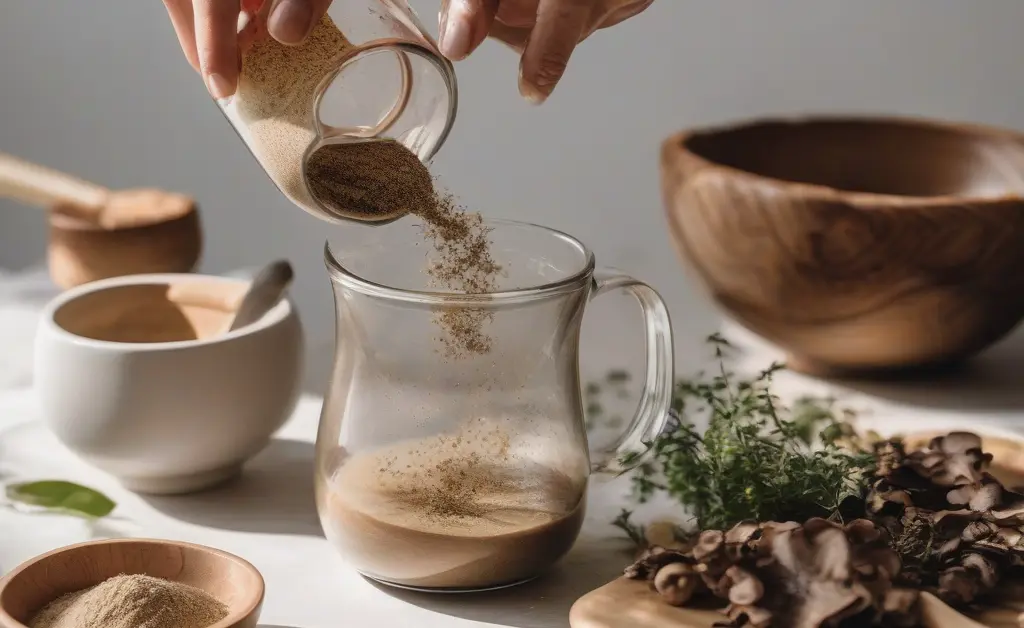
Crafting a cup of maitake mushroom tea is a simple yet rewarding process that allows you to extract and enjoy its beneficial compounds. Whether you use dried maitake mushrooms, fresh slices, or mushroom powder, the preparation method influences the strength and flavor of your herbal infusion. For those who prefer a more convenient form, a maitake mushroom supplement can offer a standardized dose of its beneficial compounds. For a potent decoction, simmering dried Maitake slices or powder in water for a period is recommended. This method helps to release the complex polysaccharides and other valuable nutrients more effectively.
To prepare, you can typically use a few slices of dried Maitake or a teaspoon of Maitake mushroom powder per cup of water. Bring the water to a boil, then reduce the heat and simmer for at least 20-30 minutes, or longer for a stronger brew. Strain the liquid if using slices, and enjoy. The flavor of Maitake tea is generally earthy, mild, and sometimes subtly savory. For those who prefer a different taste, natural additions like a squeeze of lemon, a hint of ginger, or a touch of honey can complement the unique profile without overshadowing the inherent maitake mushroom tea benefits. Experimenting with different steeping times and additional ingredients can help you create a personalized brew that aligns with your palate and wellness goals. Many find this simple act of preparation to be a mindful ritual in itself.
Maitake Tea in the Context of Other Functional Beverages

In the expansive landscape of functional beverages, maitake mushroom tea holds a distinct position among various herbal infusions and medicinal mushroom concoctions. While other well-known adaptogenic mushrooms like Reishi, Chaga, and Lion’s Mane also offer a range of potential health benefits, Maitake stands out for its specific composition and documented properties, particularly concerning immune support and its rich vitamin D content. Each functional beverage brings its unique spectrum of compounds and traditional uses to the table.
For example, Reishi is often associated with relaxation and stress reduction, while Chaga is prized for its high antioxidant levels. Lion’s Mane is frequently explored for its potential cognitive support. Maitake, with its ‘Hen-of-the-Woods’ charm, offers a balanced profile that integrates well into a holistic health approach. When exploring functional beverages, understanding the unique maitake mushroom tea benefits helps in making informed choices that align with individual health objectives. Alongside teas and powders, a maitake mushroom tincture offers a concentrated liquid form for easy consumption. Incorporating a variety of these beneficial teas can contribute to a diversified intake of powerful botanical compounds, supporting overall well-being in a synergistic manner.
The journey into understanding Maitake mushrooms reveals a fascinating intersection of tradition, nutrition, and modern wellness. From its historical reverence as the ‘dancing mushroom’ to its current recognition as a functional food, Maitake offers a compelling profile of potential health advantages. The diverse maitake mushroom tea benefits, ranging from immune system support to bone health and antioxidant properties, underscore its value as a nourishing beverage. Incorporating this earthy infusion into a daily routine provides a simple and enjoyable way to engage with the natural world’s offerings and support a balanced, vibrant lifestyle.
Readers should understand that this article does not offer medical diagnosis or treatment. The information provided is for educational and informational purposes only, and it is not intended as a substitute for professional medical advice. Always consult with a qualified healthcare professional before making any decisions about your health or starting any new dietary supplements or practices. Individual results may vary, and the efficacy of natural remedies has not been evaluated by all regulatory bodies.
FAQ
— Is maitake tea good for the immune system?
Maitake contains unique polysaccharides called beta-glucans which are key to its function. These compounds are known to interact with various immune cells, supporting the body’s natural defense mechanisms. This interaction is central to the mushroom’s role in maintaining immune balance.
— Why is maitake sometimes called ‘Hen-of-the-Woods’?
Maitake grows in large, clustered formations at the base of trees, particularly oaks. Its overlapping, fan-shaped caps create a feathery, ruffled appearance that strongly resembles a hen nesting on the ground. This distinctive look is what earned it the popular nickname ‘Hen-of-the-Woods’.
— What is the difference between maitake mushroom tea and an extract?
A tea is a hot water infusion, which primarily draws out the water-soluble compounds from the mushroom, such as polysaccharides. An extract is a more concentrated preparation, often created using additional solvents like alcohol to isolate a broader spectrum of active compounds. Research into maitake mushroom tea benefits often focuses on the bioavailability of these infused compounds.
— Where do maitake mushrooms naturally grow?
Maitake mushrooms are native to hardwood forests in northeastern Japan, China, Europe, and eastern North America. They are a type of polypore fungus that grows in large clusters at the base of living or dead trees. Oaks are their most common host, where they form a parasitic or saprophytic relationship.
— Can you add other ingredients to maitake tea to improve its taste?
The earthy, savory flavor of maitake tea pairs well with a variety of other natural ingredients. Spices like ginger or cinnamon can add warmth, while a touch of honey or maple syrup can balance its umami notes. Adding a squeeze of lemon provides a bright, citrusy counterpoint.