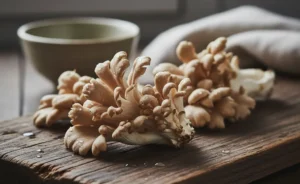

Maitake mushrooms are a distinct type of fungi, easily recognizable by their unique frilly, fan-like appearance, often found growing in clusters at the base of trees in temperate forests. For centuries, these mushrooms have been a valued component in traditional diets and wellness practices, particularly within Eastern cultures, esteemed not only for their earthy flavor but also for their believed health-supporting attributes. Today, scientific interest has surged, leading to concentrated forms designed to maximize their natural compounds. This article will delve into the various maitake mushroom extract benefits, exploring its diverse applications in promoting health and general well-being. We will cover its rich historical uses, culinary significance, and how it compares to other functional mushrooms, offering a complete perspective on its therapeutic role.
Maitake Mushroom Extract Benefits
Maitake mushroom extract has garnered significant attention for its array of potential health-supporting properties, primarily attributed to its rich content of polysaccharides, notably beta-glucans. These compounds are believed to interact with various systems within the body, offering a comprehensive approach to general wellness. Exploring the specific maitake mushroom extract benefits reveals its versatility as a natural health adjunct. The collective maitake mushroom supplement benefits contribute to its growing reputation in the wellness community.
Immune System Modulation
One of the most widely studied attributes of Maitake, or Grifola frondosa, is its capacity to support the immune system. The complex polysaccharides, particularly beta-glucans, found in maitake mushroom extract are thought to interact with immune cells, potentially influencing their activity and contributing to immune system modulation. This interaction may help maintain a balanced and responsive immune system, a cornerstone of overall health and well-being.
Blood Sugar Regulation
Research suggests that maitake mushroom extract may play a role in supporting healthy blood sugar levels. Certain compounds within the extract are explored for their potential to influence glucose metabolism. While not a substitute for conventional treatments, the inclusion of maitake in a wellness regimen is being considered for its potential contribution to maintaining metabolic balance.
Cardiovascular Health Support
The potential maitake mushroom extract benefits extend to cardiovascular health. Studies indicate that components within Maitake may help support healthy cholesterol levels and contribute to the maintenance of normal blood pressure, both crucial factors in overall cardiovascular well-being. Its properties are thought to promote general circulatory health. For general guidance on cardiovascular wellness, reputable sources like the NHS provide comprehensive information.
Antioxidant Properties
Maitake mushroom extract is recognized for its antioxidant properties. Antioxidants are vital compounds that help protect the body’s cells from oxidative stress, which can be caused by various environmental factors and metabolic processes. By contributing to the body’s antioxidant defenses, maitake may support cellular integrity and overall health.
Skin Health Benefits of Maitake
Beyond internal systems, the benefits of Maitake may also extend to skin health. The antioxidant and potentially anti-inflammatory properties of maitake mushroom extract could contribute to a healthy complexion. By supporting the body’s natural defenses against environmental stressors, it may indirectly aid in maintaining the skin’s appearance and vitality.
Specific Benefits for Women
For women, maitake mushroom extract is being explored for its potential to support hormonal balance and address specific wellness concerns. Traditional practices and emerging research suggest a possible connection between Maitake and conditions such as Polycystic Ovary Syndrome (PCOS), though further research is ongoing to fully understand these interactions. Its adaptogenic qualities may also contribute to general well-being during various life stages.
Specific Benefits for Men
Men may find maitake mushroom extract beneficial for supporting overall vitality and general health. While specific benefits for men are less distinct than those for women in current research, its comprehensive immune support and cardiovascular health properties are universally applicable. As an adaptogen, it may also help the body manage various stressors, contributing to sustained well-being.
General Well-being and Perceived Effects
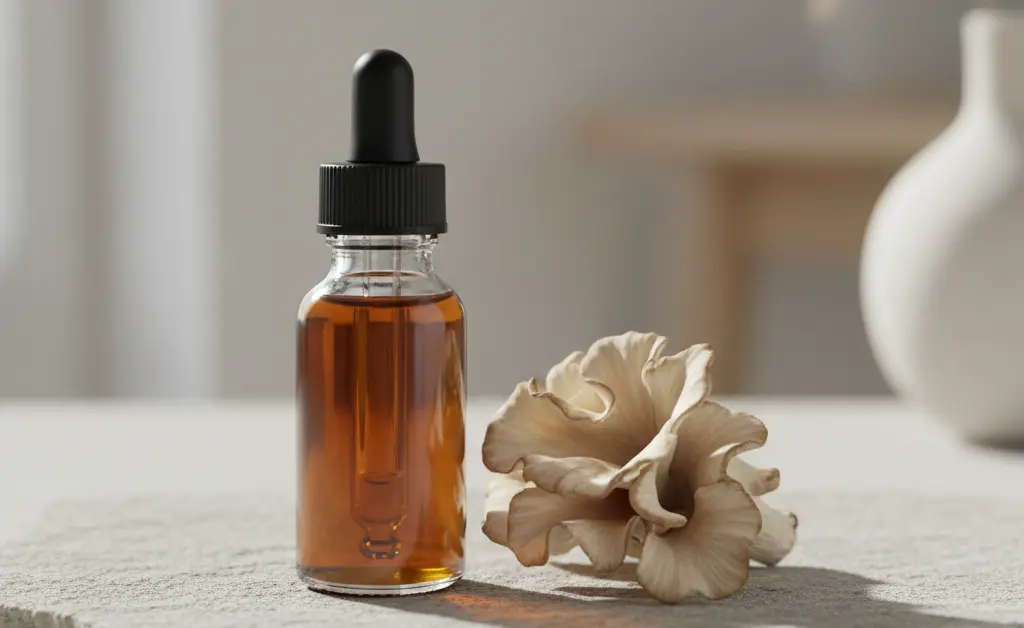
Many individuals incorporating maitake mushroom extract into their daily routine report an enhanced sense of general well-being. As an adaptogen, Maitake is thought to help the body adapt to various forms of stress, promoting a state of balance and resilience. This holistic effect, encompassing immune support, metabolic balance, and antioxidant protection, contributes to the perceived positive impact on overall health and vitality. For those seeking an alternative delivery method, a maitake mushroom tincture offers a convenient liquid option.
Historical and Traditional Uses of Maitake
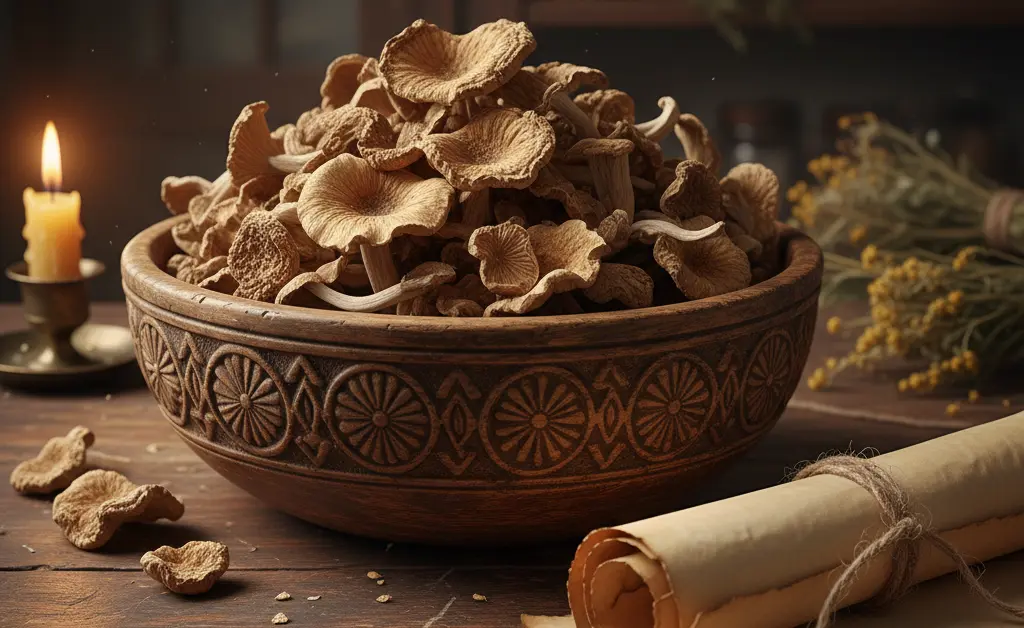
For centuries, the Maitake mushroom, also known by its scientific name Grifola frondosa, has held a revered place in traditional Eastern medicine and culinary practices, particularly in Japan and China. Its name, “Maitake,” translates to “dancing mushroom” in Japanese, a moniker believed to stem from the joy people experienced upon finding this prized fungi in the wild. Historically, it was consumed not only for its distinct earthy flavor but also for its perceived medicinal mushroom properties. Traditional healers utilized Maitake for its believed ability to support vitality, promote longevity, and aid in the body’s natural defenses against various ailments. Its use was deeply intertwined with folklore and holistic wellness approaches, laying the groundwork for modern scientific investigation into its diverse compounds and therapeutic potential.
Culinary Applications of Whole Maitake Mushrooms
Beyond its therapeutic applications as an extract, the whole Maitake mushroom, often affectionately called “hen of the woods” in Western cultures due to its appearance, is a highly prized culinary ingredient. Its unique ruffled texture and rich, earthy, umami flavor make it a versatile addition to a wide range of dishes. Unlike the concentrated maitake mushroom extract benefits, consuming the whole mushroom offers a full sensory experience, adding depth to stir-fries, soups, risottos, and sautés. It can be roasted, grilled, or pan-fried to crispy perfection, absorbing the flavors of accompanying ingredients while retaining its distinctive taste. Its substantial texture holds up well to cooking, providing a satisfying mouthfeel that has made it a favorite among chefs and home cooks alike. Integrating whole Maitake into meals allows for a delicious way to enjoy its nutritional profile, which includes various vitamins and minerals.
Maitake mushroom substitute
When Maitake mushrooms are unavailable, several culinary substitutes can mimic aspects of its unique flavor and texture. Shiitake mushrooms, with their earthy and robust taste, are a popular choice, particularly in Asian-inspired dishes. Oyster mushrooms offer a similar delicate, fan-like texture, although their flavor profile is milder. Portobello mushrooms, when sliced or chopped, can provide a meaty texture, though their flavor is generally stronger and less complex than Maitake. For dishes requiring a substantial, earthy mushroom presence, combinations of different wild mushrooms can also serve as an effective substitute, aiming to replicate the depth and complexity that Maitake brings to a meal.
Comparing Maitake with Other Functional Mushrooms
Maitake stands out among other functional mushrooms due to its unique profile of bioactive compounds and the specific maitake mushroom extract benefits it offers. While many functional mushrooms like Reishi, Chaga, and Lion’s Mane are recognized for their adaptogenic, immune-modulating, or cognitive-enhancing properties, Maitake is particularly distinguished by its high concentration of specific beta-glucans, such as D-fraction and SX-fraction. These polysaccharides are extensively studied for their pronounced impact on immune system modulation. Unlike Reishi, which is often revered for its calming adaptogenic effects, or Lion’s Mane, which is typically associated with cognitive support, Maitake’s primary focus in wellness circles often revolves around its significant immune support capabilities and its potential role in blood sugar regulation. While other mushrooms may also contain beta-glucans, the specific structure and combination of polysaccharides in Maitake are considered unique to its observed benefits. Many functional mushrooms are consumed as dietary supplements, whether in powder, capsule, or tincture form, and Maitake extract is highly valued for its concentrated potency, allowing for targeted support.
How to Choose a Quality Maitake Supplement

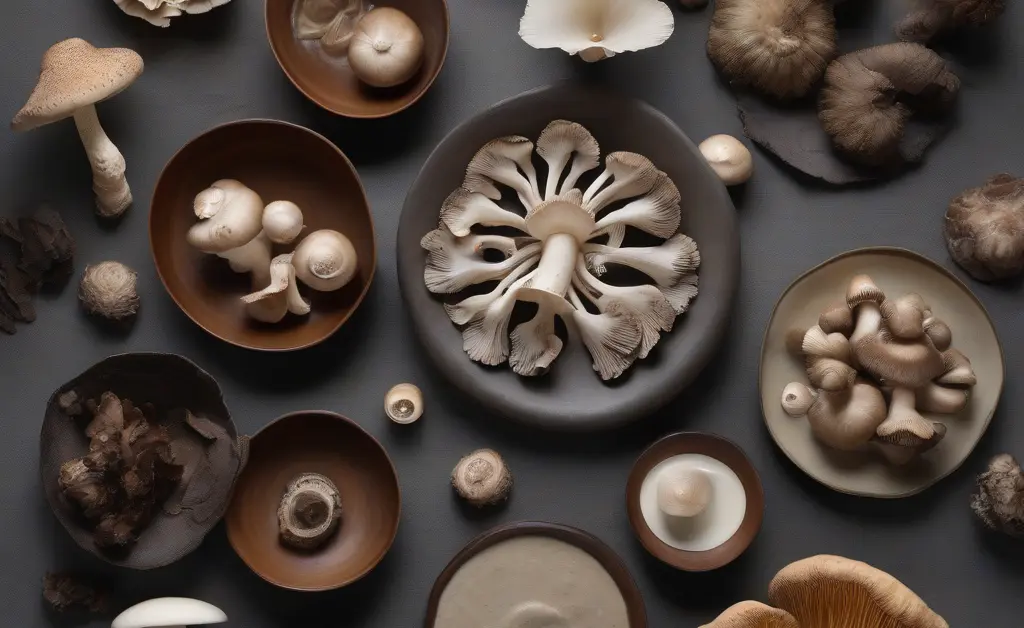
When seeking to experience the maitake mushroom extract benefits, selecting a high-quality supplement is paramount. Several factors should be considered to ensure potency and efficacy. Firstly, look for supplements that clearly state the source of the mushroom material. Many reputable products utilize the fruiting body of the Maitake mushroom, as this part is traditionally considered to contain a higher concentration of beneficial compounds, particularly beta-glucans, compared to mycelium-based products. Secondly, the extraction method is crucial; hot water extracts are common for polysaccharides, ensuring their bioavailability. While specific numerical content may vary, a quality extract should aim for standardized levels of active compounds to ensure consistency. Consumers should also consider the form of the supplement—whether it’s a powder, capsules, or a tincture—and choose based on convenience and preference. Transparency from the manufacturer regarding sourcing, processing, and third-party testing for purity and contaminants is a strong indicator of a reliable maitake supplement. This diligence helps ensure that you are receiving a product that maximizes the inherent health-supporting qualities of Maitake.
In conclusion, the investigation into maitake mushroom extract benefits reveals a compelling profile of health-supporting properties, particularly its profound influence on immune system modulation, blood sugar regulation, and cardiovascular health. From its traditional roots as a prized medicinal mushroom to its modern applications as a dietary supplement, Maitake continues to be a subject of significant interest in the realm of natural wellness. Its unique composition of polysaccharides, especially beta-glucans, underpins its adaptogenic and antioxidant capabilities, contributing to overall general well-being. As research continues to unfold, the comprehensive advantages offered by maitake mushroom extract solidify its position as a valuable component in a holistic approach to health.
This article is written for general understanding and not for medical decision-making. Information provided is for educational purposes only and does not constitute medical advice, diagnosis, or treatment. Always consult with a qualified healthcare professional before making any changes to your diet, health regimen, or treatment plan, especially if you have a medical condition or are taking medication. Individual results may vary, and the efficacy of any supplement or dietary approach can differ from person to person.
FAQ
— What are the main benefits of maitake mushroom?
The primary maitake mushroom extract benefits are connected to its unique polysaccharide compounds, particularly beta-glucans. These compounds are studied for their role in supporting immune function and promoting metabolic balance. Maitake is also recognized for its adaptogenic qualities, which are relevant to the body’s ability to manage various stressors.
— Can maitake mushroom help lower cholesterol?
Research into maitake’s influence on metabolic health includes its relationship with lipid metabolism. Certain compounds within the mushroom have been studied for their ability to support the body’s natural processes for managing cholesterol levels. This is an active area of scientific investigation into how maitake interacts with metabolic pathways.
— How does maitake affect the immune system?
Maitake contains powerful beta-glucans that interact with key cells of the innate immune system, such as macrophages and natural killer cells. This interaction helps to modulate and support immune responses without overstimulating them. As a result, maitake is known for its role in promoting a balanced and resilient immune system.
— Are maitake and hen-of-the-woods the same mushroom?
Yes, maitake and hen-of-the-woods are two different names for the same fungus, *Grifola frondosa*. The name “hen-of-the-woods” comes from its appearance, as it grows in a clustered, feathery formation at the base of trees, resembling a fluffed-up hen. Its Japanese name, maitake, translates to “dancing mushroom.”
— What does maitake mushroom taste like in food?
When cooked, maitake has a rich, earthy, and savory flavor with peppery notes and a distinct umami quality. It possesses a firm yet delicate and feathery texture that becomes wonderfully succulent. This unique combination of taste and texture makes it a prized culinary mushroom.