

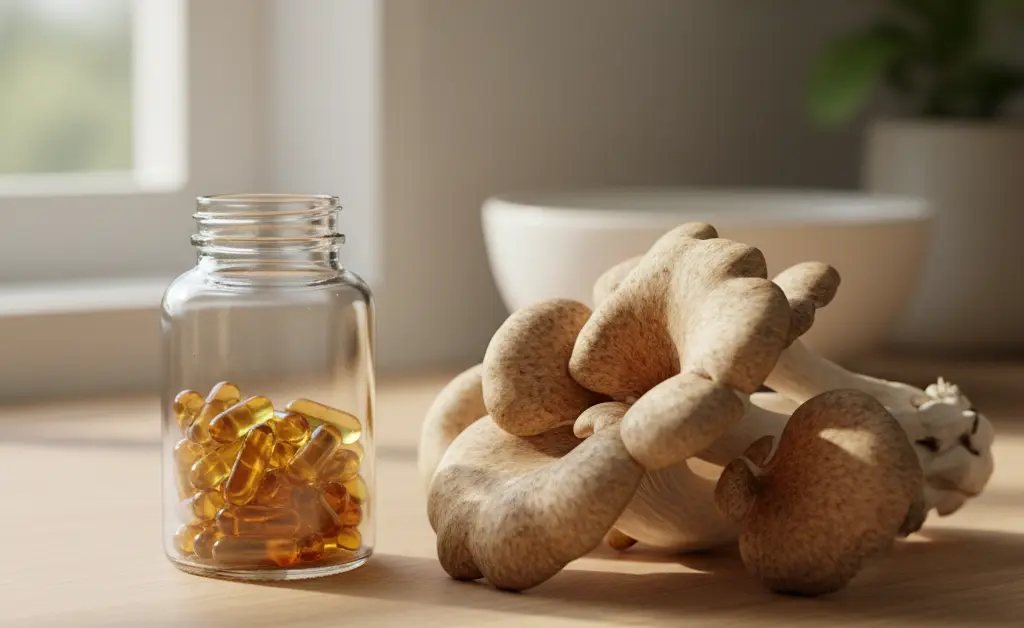
Many people find themselves searching for natural ways to bolster their overall well-being, especially when faced with the demands of modern life that can compromise health and vitality. Maintaining a resilient immune system, supporting healthy metabolic functions, and nurturing overall bodily balance can feel like a continuous challenge. As interest in functional foods and natural health solutions grows, various ancient remedies are gaining renewed attention for their potential to address these common concerns. Among them, the maitake mushroom stands out, revered for centuries in traditional Eastern medicine. This article will explore the diverse maitake mushroom supplement benefits, delving into how this potent fungus can contribute to a healthier, more balanced lifestyle by supporting key physiological processes and promoting optimal health.
Exploring the Top Maitake Mushroom Supplement Benefits
Support for a Healthy Immune System
One of the most widely recognized maitake mushroom supplement benefits is its potential to support a healthy immune system. Maitake contains unique polysaccharides, particularly beta-glucans, which are believed to interact with various immune cells. These interactions may help to modulate immune responses, supporting the body’s natural defenses against environmental challenges. Regular incorporation of maitake may contribute to a more robust and balanced immune function, aiding the body in maintaining overall health and resilience.
Aiding in Healthy Blood Sugar Regulation
Maitake mushrooms have been traditionally studied for their potential role in supporting healthy metabolic function, including blood sugar regulation. Research suggests that certain bioactive compounds within maitake may influence glucose metabolism, potentially assisting the body in maintaining blood sugar levels already within a normal range. This adaptogenic quality makes maitake a subject of interest for those looking to support their metabolic well-being as part of a balanced lifestyle.
Promoting Bone Health and Density
While often associated with immune support, maitake mushrooms also contain compounds that may contribute to bone health. Notably, maitake is a natural source of vitamin D, a crucial nutrient for calcium absorption and bone mineralization. Adequate vitamin D is essential for maintaining strong bones and supporting overall bone density. Incorporating maitake into one’s diet or supplement regimen may therefore offer a supportive role in nurturing skeletal health.
Contribution to Heart Health and Cholesterol Management
The potential maitake mushroom supplement benefits extend to cardiovascular health. Studies indicate that compounds in maitake may play a role in maintaining healthy cholesterol levels already within a normal range and supporting healthy blood pressure. Its anti-inflammatory properties and antioxidant content may also contribute to overall heart health by protecting cardiovascular tissues from oxidative stress and supporting optimal circulatory function. Supporting cardiovascular health is a global priority, as emphasized by organizations like the WHO.
Skin Health Benefits of Maitake
Maitake mushrooms are a source of antioxidants and other beneficial compounds that may contribute to healthy skin. By helping to combat oxidative stress, maitake may support cellular health, which is vital for maintaining skin elasticity and a youthful appearance. The anti-inflammatory properties of maitake could also potentially aid in calming skin and promoting a clearer complexion, contributing to overall dermatological well-being. Brewing a simple maitake mushroom tea can be a relaxing ritual that also supports skin wellness from within.
Maitake Mushroom Benefits Specific to Women
For women, maitake mushroom supplement benefits may include supporting hormonal balance and overall vitality. While not a direct treatment, its adaptogenic properties may assist the body in responding to stressors, which can influence hormonal equilibrium. Some research has explored its potential role in supporting reproductive health, such as in conditions like PCOS, though more extensive study is needed. Furthermore, its general immune and metabolic support can be particularly beneficial for women navigating various life stages.
Maitake Mushroom Benefits Specific to Men
Men may also experience significant maitake mushroom supplement benefits, particularly in areas of immune resilience and metabolic health. As an adaptogen, maitake may help men manage physical and mental stress, which can positively impact overall energy levels and well-being. Its support for healthy blood sugar and cholesterol levels also contributes to long-term cardiovascular health, a key concern for many men. The immune-modulating properties offer foundational support for maintaining daily vitality.
Key Nutritional Components and Bioactive Compounds of Maitake
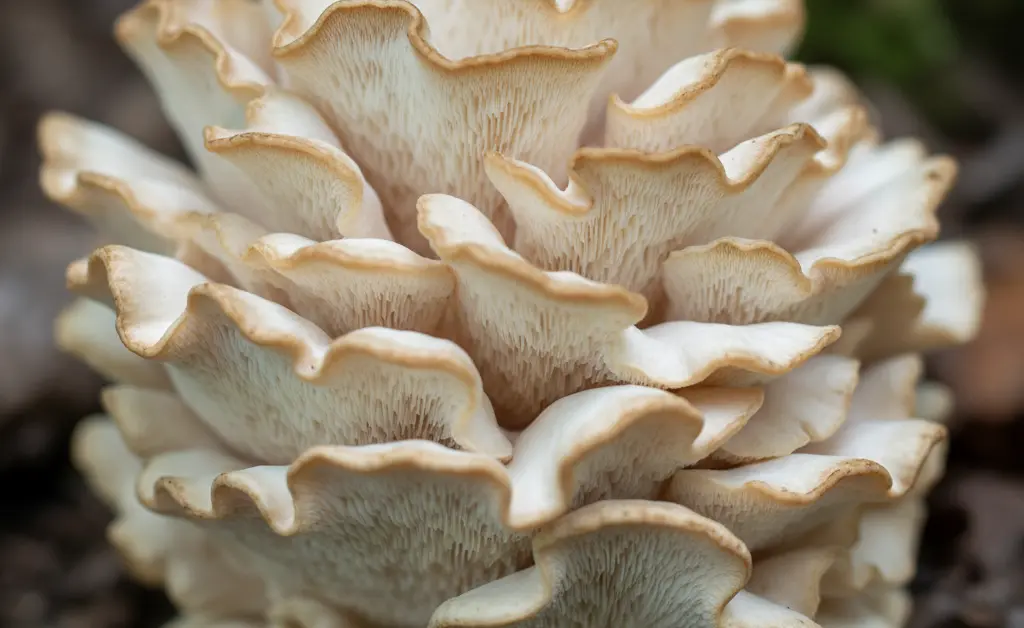
Understanding the richness of maitake mushrooms begins with appreciating their unique nutritional profile. Known scientifically as Grifola frondosa, or commonly as “hen-of-the-woods,” this medicinal mushroom is a powerhouse of bioactive compounds. It is rich in essential vitamins and minerals, including various B vitamins, potassium, and an notable amount of vitamin D, especially when exposed to UV light. However, the most compelling components are its bioactive polysaccharides, particularly beta-glucans, such as the D-fraction. These complex carbohydrates are recognized for their immunomodulating effects. Maitake also provides powerful antioxidants, which help protect cells from oxidative damage, and other unique constituents that contribute to its adaptogenic qualities. The synergistic action of these components is what underlies many of the observed maitake mushroom supplement benefits.
Maitake Mushroom Supplementation: Forms and Usage
Maitake mushroom supplementation offers various forms to suit different preferences and needs, reflecting its growing popularity. Common forms include capsules, powders, and tinctures, each providing a convenient way to incorporate the beneficial compounds of Grifola frondosa into a daily regimen. Capsules offer a pre-measured dose, making them easy to take discreetly. Many users appreciate the maitake mushroom capsules benefits for their simplicity and consistent dosage. Tinctures, which are liquid extracts, allow for flexible dosing and can be absorbed quickly. While specific dosage guidelines should always be considered in consultation with a healthcare professional, these forms make it accessible to experience the potential maitake mushroom supplement benefits.
Benefits of Maitake Mushroom Powder
Maitake mushroom powder is a versatile form of supplementation. It can be easily added to smoothies, teas, soups, or other culinary creations, allowing for seamless integration into daily meals. The powder typically retains a broad spectrum of the mushroom’s bioactive compounds, offering a holistic approach to receiving the maitake mushroom supplement benefits. This form is particularly appealing to those who prefer to customize their intake or wish to avoid capsules, and it often provides a more cost-effective option for regular use.
Potential Side Effects and Considerations of Maitake Mushrooms

While generally considered safe for most people, it is important to be aware of potential side effects and considerations when taking maitake mushroom supplements. Some individuals may experience mild digestive upset, such as stomach discomfort or diarrhea, especially when first introducing the supplement. Concerns about maitake mushroom liver damage have been raised in some contexts, but current research generally indicates that maitake is well-tolerated and not associated with liver toxicity in healthy individuals. However, those with pre-existing liver conditions should exercise caution.
As with any supplement, potential interactions with medications are possible. Maitake may affect blood sugar levels, so individuals taking diabetes medication should monitor their glucose carefully. It may also have anticoagulant properties, meaning it could potentially interact with blood-thinning medications. Pregnant or nursing individuals, those undergoing surgery, or individuals with autoimmune conditions should consult a healthcare provider before use. Who should not take maitake supplements? Individuals with mushroom allergies should avoid them. It is always prudent to discuss any new supplement with a healthcare professional to ensure it is appropriate for your individual health profile and to understand any potential contraindications or common adverse reactions and precautions.
How to Choose a Quality Maitake Mushroom Supplement

Selecting a quality maitake mushroom supplement is crucial to ensure you are receiving the intended maitake mushroom supplement benefits. Look for products that clearly state the source of the maitake mushroom, preferably from reputable growers. Consider whether the supplement uses a full-spectrum extract or isolated compounds like D-fraction, as each may offer different advantages. Verification through third-party testing for purity and potency can provide assurance that the product is free from contaminants and contains the advertised levels of bioactive compounds. Understanding the method of extraction and the concentration of key ingredients like beta-glucans can also help in making an informed choice. Prioritizing transparency and quality manufacturing practices will contribute to a more effective and safer supplementation experience.
The maitake mushroom, known as Grifola frondosa, stands out as a versatile natural ally for comprehensive wellness. Its rich profile of beta-glucans, antioxidants, and vitamins contributes to a broad spectrum of potential health advantages, from bolstering immune defenses and supporting healthy blood sugar regulation to promoting cardiovascular and bone health. As a valuable adaptogen, it offers a natural way to support the body’s resilience and maintain balance. Embracing maitake mushroom supplement benefits can be a valuable step towards enhancing overall vitality and supporting a holistic approach to health.
This content is for informational use and should not be considered medical instruction. It is not intended to diagnose, treat, cure, or prevent any disease. Always consult with a qualified healthcare professional before making any decisions about your health, diet, or lifestyle, especially if you have pre-existing medical conditions or are taking medications. Individual results may vary, and the information provided does not guarantee specific outcomes.
FAQ
— What are the main benefits of taking maitake mushroom?
The maitake mushroom supplement benefits are centered on its support for metabolic and immune health. This is largely due to its rich concentration of beta-glucans, which are polysaccharides that interact with immune cells. These compounds are also studied for their role in helping to maintain healthy blood sugar and cholesterol levels already within a normal range.
— How does maitake mushroom affect the immune system?
Maitake is rich in complex polysaccharides called beta-glucans, which are recognized by immune cells as foreign molecules. This interaction helps to modulate immune activity, supporting a balanced and responsive defense system. The presence of these compounds primes the body’s natural defenses without overstimulating them.
— What does the maitake mushroom taste like in its natural form?
When cooked, maitake has a distinctly earthy, savory, and slightly peppery flavor profile. Its texture is firm yet delicate and a bit chewy, holding up well in various culinary preparations. Many people find its rich, woodsy taste makes it a satisfying meat substitute.
— How are maitake mushroom supplements typically produced?
Maitake supplements are created by first cultivating and harvesting the mushroom’s fruiting body or mycelium. This raw material then undergoes a hot water or alcohol extraction process to isolate its key bioactive compounds, such as beta-glucans. The resulting liquid extract is then concentrated and either bottled or spray-dried into a fine powder for capsules.
— Where does the name ‘Hen of the Woods’ for maitake come from?
Maitake mushrooms grow in large, clustering formations at the base of trees, with layers of fan-shaped caps. This ruffled, feathery appearance strongly resembles the fluffed-up feathers of a hen nesting on the ground. The name ‘Hen of the Woods’ is a direct and affectionate description of its unique look in its natural forest habitat.







