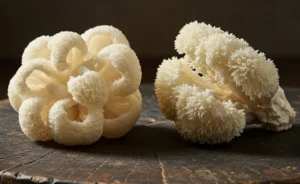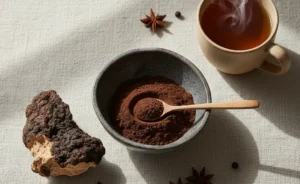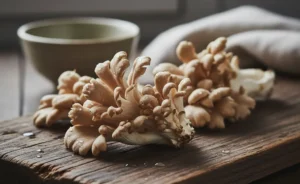


Many people assume that incorporating beneficial functional mushrooms into their daily routine requires complex recipes or sacrificing enjoyable flavors. This common belief often stems from unfamiliarity, but it overlooks the delightful simplicity and nuanced taste experience offered by certain varieties. Far from being a niche, unpalatable health trend, maitake mushroom tea stands out as an accessible and enjoyable way to explore the well-being potential of these remarkable fungi. This comprehensive guide aims to demystify its preparation, elaborate on its numerous benefits, and introduce its diverse flavor profiles, transforming a functional ingredient into a cherished and effortless daily ritual that genuinely supports a holistic lifestyle.
Maitake Mushroom Tea Benefits and Uses
Maitake mushroom tea, derived from the esteemed “hen of the woods” mushroom (Grifola frondosa), is celebrated for its potential contributions to overall wellness. This adaptogenic tea has been traditionally valued in various cultures for centuries. Many functional mushroom tea benefits are attributed to its rich content of polysaccharides, particularly beta-glucans, which are compounds studied for their role in immune support. Research on these effects is often cataloged by institutions like the U.S. National Library of Medicine. Incorporating maitake mushroom tea into a routine may also be associated with promoting overall wellness and could potentially offer a natural energy and focus support, contributing to a balanced lifestyle.
As a healthy mushroom tea, maitake is considered an adaptogen, meaning it may help the body adapt to various stressors. This characteristic aligns with the broader appeal of adaptogenic properties explored in functional foods. Those interested in a deeper dive can explore the full range of potential maitake mushroom supplement benefits. Beyond immune system considerations, some research suggests a potential connection between maitake mushrooms and blood sugar support, making it an area of interest for those exploring natural dietary supplements. Its gentle and earthy profile makes it a pleasant daily tea ritual that can seamlessly integrate into a health-conscious regimen.
Brewing and Preparing Maitake Mushroom Tea
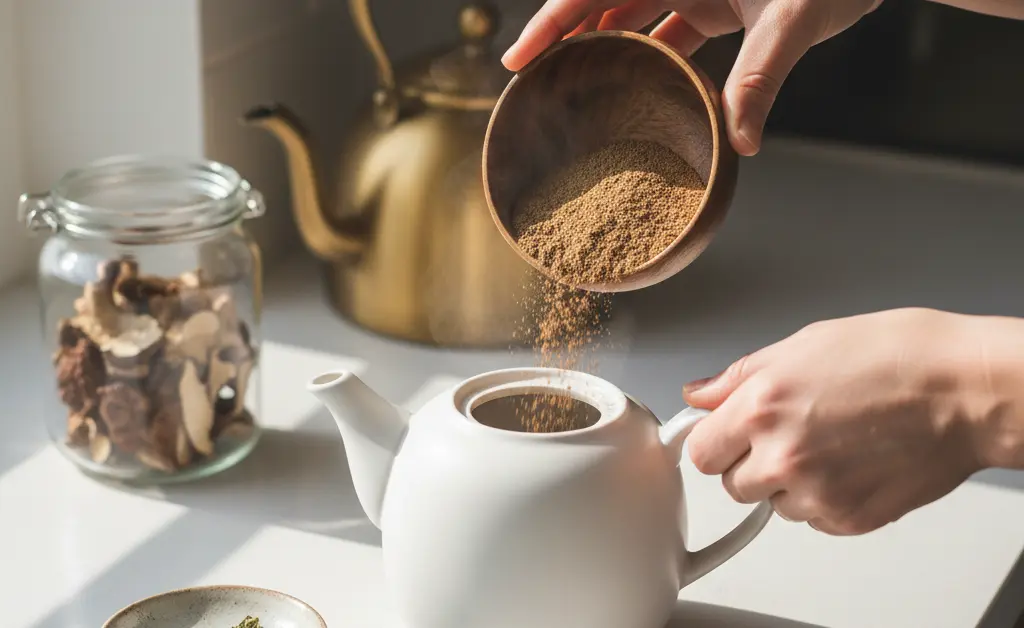
Preparing maitake mushroom tea is a straightforward process, allowing you to easily incorporate this beneficial beverage into your daily routine. The key lies in understanding the fundamentals of extraction to ensure you harness the most from the dried mushroom material. Whether starting with loose dried pieces or a powdered form, the goal is to create a comforting and effective herbal infusion.
Simple Maitake Tea Recipe Guide
To prepare a basic maitake mushroom tea, begin by placing your desired amount of dried maitake (either pieces or powder) into a tea infuser or directly into a pot. Pour hot water over the mushrooms. Allow the mixture to steep for a period, which helps in extracting the beneficial compounds and developing its unique flavor profile. Once steeped, strain the liquid if using loose pieces, and your wholesome brew is ready to enjoy. This simple maitake tea recipe guide ensures accessibility for everyone.
Optimal Water Temperature and Steeping Time
For optimal extraction and flavor, it’s generally recommended to use hot, but not boiling, water for your maitake mushroom tea. Water that is too hot can sometimes diminish the subtleties of the mushroom’s flavor. A steeping time typically ranges from several minutes to an hour, depending on the desired strength and the form of maitake used. Longer steeping times often result in a more potent brew with a deeper flavor. Experimentation can help you discover your preferred balance.
Hot vs. Iced Serving Suggestions
Maitake mushroom tea is versatile and can be enjoyed both hot and iced. For a comforting experience, serve it warm immediately after brewing. It makes for a perfect caffeine-free tea option any time of day. Alternatively, for a refreshing treat, allow the tea to cool completely, then pour it over ice. You can even prepare a larger batch and store it in the refrigerator for a few days to enjoy as a cool beverage, especially during warmer weather. Both hot serving suggestions and iced serving suggestions offer unique ways to appreciate this functional mushroom brew.
Enhancing Flavor with Natural Sweeteners
While maitake tea possesses a distinct, earthy umami flavor, some find that enhancing its taste with natural sweeteners makes it even more enjoyable. Options like a drizzle of honey, a dash of maple syrup, or a few drops of stevia can complement the mushroom’s profile without overpowering it. Experiment with different natural sweeteners to find a balance that suits your palate, transforming the tea into a truly personalized experience.
Exploring Maitake Mushroom Tea Blends
Maitake mushroom tea offers a fascinating canvas for creating unique and beneficial blends, moving beyond a single ingredient to a symphony of flavors and functional properties. The concept of an adaptogenic tea is often amplified when different herbs and functional mushrooms are combined, leading to a synergistic effect that enhances the overall wellness potential. These blends can transform your daily tea ritual into a truly enriching experience.
Popular Blends: Maitake with Lion’s Mane
One of the most popular functional mushroom blend combinations is maitake with lion’s mane. Lion’s Mane mushroom tea is renowned for its potential to support mental focus and clarity. When combined with maitake, the blend creates a powerful adaptogenic tea that not only offers potential immune support from the maitake but also aims to contribute to cognitive well-being. This Maitake & Lion’s Mane tea can be a fantastic way to enjoy the benefits of both mushrooms in a single, flavorful cup, making it a favorite for those seeking a natural energy boost and mental acuity.
Flavorful Combinations (e.g., Vanilla, Black Tea Infusions)
Beyond other functional mushrooms, maitake tea can be combined with a variety of other ingredients to create unique and appealing herbal infusions. For a comforting and aromatic experience, consider adding a hint of vanilla or a cinnamon stick during the brewing process. If you enjoy a robust base, a small amount of black tea can be infused alongside the maitake, though this would introduce caffeine. For a naturally caffeine-free tea, consider blending maitake with other herbal tisanes like ginger, turmeric, or peppermint, which can introduce different flavor dimensions and complementary wellness properties. The synergy of herbal ingredients with maitake allows for endless flavorful combinations tailored to individual preferences.
How to Select and Source Quality Maitake Tea
The efficacy and enjoyment of your maitake mushroom tea largely depend on the quality of the ingredients you choose. Investing in premium products ensures you receive the maximum benefits and a superior flavor experience. Understanding the key factors in mushroom sourcing is essential for making informed decisions.
Exploring Different Maitake Tea Forms (e.g., loose leaf, powder, tea bags)
Maitake tea is available in several forms, each with its own advantages. Loose leaf dried maitake pieces are often preferred by connoisseurs for their robust flavor and the visual appeal of the mushroom fragments. Maitake powder offers convenience, as it dissolves easily and can be added to various beverages or foods. For ultimate simplicity, some brands offer maitake in tea bags, providing a quick and mess-free option for brewing. When exploring different maitake tea forms, consider your lifestyle and preferred method of preparation. Reputable sources often provide mushroom extract options as well, which can be highly concentrated and are sometimes offered in the form of maitake mushroom capsules.
Checking for Product Purity and Quality
When selecting quality maitake, it’s crucial to check for product purity and quality. Look for brands that clearly state their sourcing practices, such as whether the maitake is organic or wild-harvested. Organic vs. wild-harvested options each have their merits, but both should come from clean environments. Decoding product labels for certifications, third-party testing for contaminants, and the absence of artificial additives is vital. A high-quality maitake mushroom tea should be free from fillers, preservatives, and unwanted chemicals, ensuring you’re consuming a pure and beneficial product. This same standard of quality should apply when selecting any maitake mushroom supplement.
Maitake Tea Flavor Profile and Varieties
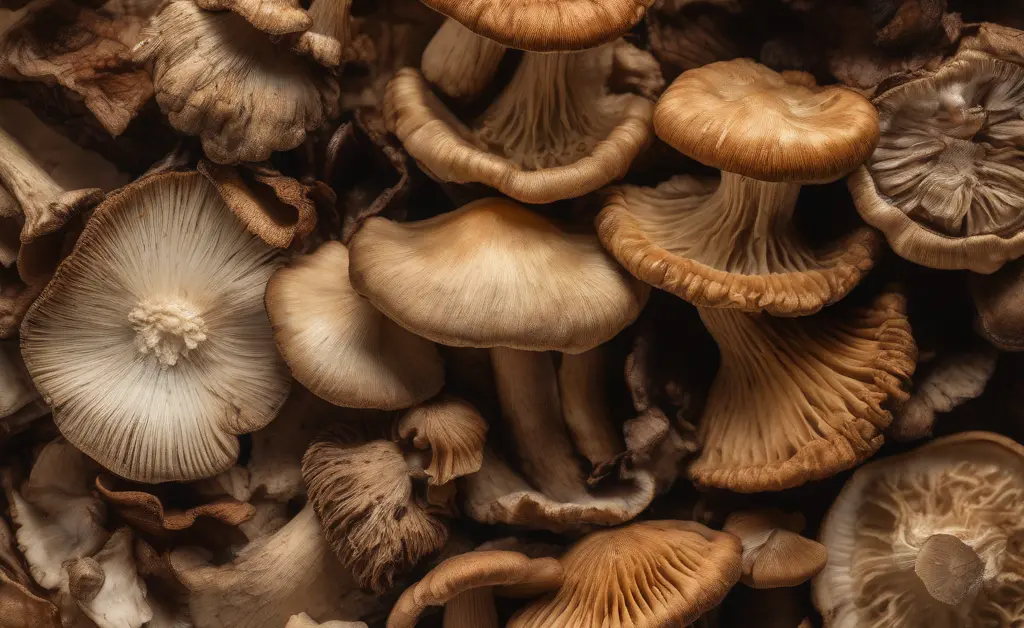
The experience of savoring maitake tea extends beyond its potential benefits; it is also about appreciating its distinctive and nuanced taste. Understanding the maitake tea flavor profile allows for a more intentional enjoyment and pairing with other culinary elements.
The Unique Taste of Maitake Tea
Maitake tea possesses a unique taste that sets it apart from other mushroom or herbal teas. Often described as earthy, woody, and slightly savory, it carries an umami depth that is characteristic of this particular medicinal mushroom, also known as Grifola frondosa or “hen of the woods.” Unlike some other functional mushrooms that can have strong, polarizing flavors, maitake’s profile is generally considered mild and more approachable, making it a pleasant addition to a daily tea ritual. Its natural richness can be surprisingly satisfying on its own.
Complementary Flavor Pairings
The distinctive flavor of maitake tea makes it amenable to various complementary flavor pairings. Its earthy notes harmonize well with other warm and comforting spices like ginger, cardamom, or star anise, which can be added during brewing for an aromatic boost. For those who enjoy a subtle sweetness, a touch of licorice root or a fruit peel like orange or lemon can brighten the profile without overshadowing the mushroom’s essence. These pairings can transform a simple cup of maitake tea into a more complex and tailored sensory experience, allowing for personal customization.
Safety and Consumption Guidelines for Maitake Tea

Daily Consumption Recommendations
Incorporating maitake tea into a daily routine is a common practice for many seeking its potential wellness benefits. While specific serving sizes are best discussed with a qualified health professional, generally, functional mushroom teas are enjoyed in moderation as part of a balanced diet. Adhering to a recommended maitake mushroom dosage is important for safety and efficacy. It is advisable to start with a smaller amount to assess individual tolerance and then adjust as needed. Many individuals find that a regular cup of maitake mushroom tea fits well into their daily tea ritual, offering a consistent way to consume this adaptogenic tea. For those wondering, “Can you drink functional mushroom tea every day?”, the answer is often yes, provided it aligns with individual health needs and professional advice.
Maitake mushroom tea offers a delightful and accessible way to explore the potential benefits of functional mushrooms. Its unique flavor profile, coupled with its versatility in preparation and blending, makes it a valuable addition to a wellness-focused lifestyle. Whether enjoyed hot or iced, on its own or as part of a blend, integrating maitake mushroom tea into your daily routine can be a simple yet profound step towards promoting overall well-being and embracing the power of natural ingredients.
This content is for informational use and should not be considered medical instruction. It is not intended to provide medical advice, diagnosis, or treatment. Always consult with a qualified healthcare professional before making any changes to your diet, starting any new supplement regimen, or if you have any health concerns. Individual results may vary.
FAQ
— What does maitake mushroom tea taste like?
Maitake has a distinctly rich and earthy flavor profile, often described as savory or umami. Unlike some other functional mushrooms, it is not bitter and has a smooth, almost broth-like quality. This pleasant taste makes it an accessible choice for many.
— Is maitake mushroom tea caffeine-free?
Yes, maitake mushrooms are naturally free of caffeine. This makes pure maitake tea a suitable beverage for any time of day, including the evening, without interfering with sleep cycles.
— What are the benefits of a maitake and lion’s mane blend?
Combining maitake and lion’s mane creates a synergistic blend that targets different aspects of wellness. Maitake is known for its role in supporting immune function and metabolic balance, while lion’s mane has been studied for its connection to cognitive health and nerve support.
— How do you prepare maitake tea?
Preparing maitake mushroom tea typically involves steeping the dried mushroom or its powdered form in hot water. The process allows the water to extract the mushroom’s water-soluble compounds, such as beta-glucans. This simple infusion method makes its beneficial components bioavailable for the body.
— Where do maitake mushrooms grow naturally?
Maitake mushrooms are found growing wild in hardwood forests across parts of Japan, China, and eastern North America. They typically fruit in large clusters at the base of oak, elm, or maple trees during the late summer and autumn. This specific habitat is crucial for their natural life cycle.