It’s often assumed that finding the right amount of a health supplement is as simple as following a single number on a label. However, the reality of optimizing the benefits from natural compounds like maitake mushrooms is considerably more nuanced. While product labels provide a helpful starting point, understanding the ideal maitake mushroom dosage for an individual requires a deeper consideration of various personal factors. This guide explores the complexities behind recommended amounts, how different supplement forms influence intake, and crucial considerations such as body weight and specific wellness objectives. By delving into these aspects, users can make more informed decisions to safely and effectively integrate maitake into their health regimen, moving beyond a one-size-fits-all approach.
Maitake Mushroom Dosage: Understanding Recommended Amounts
Determining an appropriate maitake mushroom dosage is not a straightforward task, as there is no universal “one-size-fits-all” recommendation. The complexity arises from several factors, including the specific form of the supplement, its concentration, and the individual’s unique physiological makeup and health objectives. Choosing the right maitake mushroom supplement is the first step in this process. Understanding these variables is crucial for anyone looking to incorporate maitake mushrooms into their wellness routine effectively and safely.
Standard Daily Doses in Milligrams (mg)
What constitutes a “standard daily dose” of maitake can vary significantly depending on the specific product and its concentration. Many manufacturers suggest a range of milligrams (mg) on their labels, which is often based on the product’s unique formulation and the concentration of its active compounds, such as beta-glucans. These suggested amounts typically reflect what the manufacturer has determined to be a generally effective or safe intake for their particular product. In Europe, organizations like the European Food Safety Authority (EFSA) provide scientific advice to help protect consumers. Consumers should always consult the ‘Supplement Facts’ panel, which provides details on the recommended serving size and the amount of active ingredients per serving, to understand the specific recommendations for a given product.
Maitake Dosage by Supplement Form
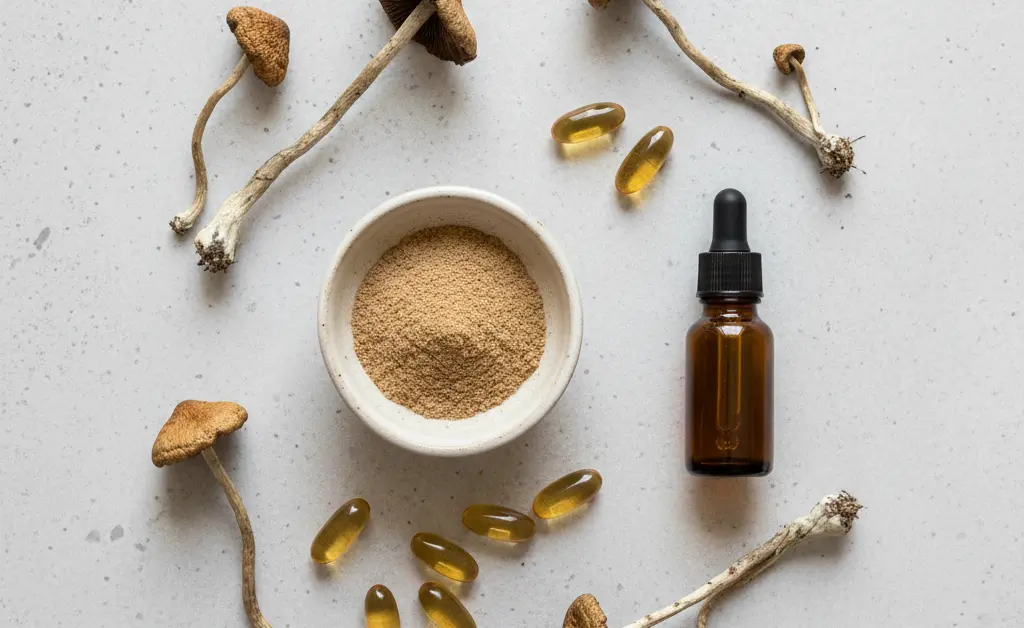
The form in which maitake is consumed plays a significant role in determining the effective maitake mushroom dosage. Different preparations offer varying concentrations of active compounds, meaning that the quantity taken will differ depending on whether one is consuming a whole mushroom powder, a concentrated extract, or a convenient capsule or tincture.
Dosage for Whole Mushroom Powder
Whole mushroom powder is typically made from dried and ground maitake fruiting bodies. This form is considered less concentrated than extracts, as it contains all components of the mushroom, including fiber and other nutrients, in their natural ratios. Because of its lower concentration of specific active compounds compared to extracts, a larger volume or weight of whole mushroom powder may be considered for consumption to achieve a similar intended effect as a smaller amount of a more potent extract.
Dosage for Maitake Powder
Maitake powder, often similar to whole mushroom powder, refers to the ground form of the mushroom. It’s a versatile product that can be added to foods, beverages, or smoothies. Like whole mushroom powder, the concentration of active compounds can vary depending on the source and processing. When considering maitake powder, individuals often focus on the total amount of mushroom material consumed, understanding that its potency will be relative to its preparation method and the presence of standardized compounds.
Dosage for Maitake Extract (D-Fraction)
Maitake extract, particularly standardized forms like D-Fraction, represents a highly concentrated version of the mushroom’s beneficial compounds, notably its beta-glucans and polysaccharides. D-Fraction is an isolated and purified proteoglycan fraction known for its potency. Due to this high concentration, the effective amount needed for maitake extract is considerably less than that of whole powders. These extracts are often standardized to contain a specific percentage of active ingredients, allowing for more precise control over the intake of key beneficial compounds. The concentrated nature of the extract is central to the various maitake mushroom extract benefits reported in studies.
Dosage for Maitake Capsules
Maitake capsules offer a convenient and pre-measured way to consume the mushroom. Each capsule contains a specific amount of maitake powder or extract, as indicated on the product label. The actual concentration within the capsules can vary widely between brands and products, with some containing pure ground mushroom and others featuring potent standardized extracts. Users should review the ‘Supplement Facts’ to understand the milligrams per capsule and the recommended serving size, which simplifies tracking individual intake. This convenience is one of the primary maitake mushroom capsules benefits for those with a busy lifestyle.
Dosage for Maitake Tinctures
Maitake tinctures are liquid extracts, typically made by steeping maitake mushrooms in alcohol or glycerin. This form allows for quick absorption and offers flexibility in consumption, often administered by drops. Tinctures vary in potency depending on the extraction method and concentration. While they provide a convenient alternative to powders or capsules, understanding the concentration of active ingredients per drop or serving is key to ensuring appropriate intake. Manufacturers usually provide clear instructions on the number of drops or milliliters (ml) per serving.
Factors Influencing Your Maitake Dosage
Beyond the form of the supplement, several individual-specific factors play a crucial role in determining the appropriate maitake mushroom dosage. These personal variables highlight why a tailored approach is often more effective than a generic recommendation, ensuring that the intake aligns with one’s body and wellness objectives.
Considering Individual Body Weight and Metabolism

An individual’s body weight and metabolic rate can significantly influence how effectively maitake compounds are processed and utilized by the body. Generally, larger individuals may require a different intake compared to smaller individuals to achieve similar systemic effects. Metabolism, which dictates how quickly the body breaks down and absorbs substances, also contributes to this variability. A faster metabolism might lead to compounds being processed more rapidly, potentially influencing the perceived optimal consumption frequency or quantity.
Aligning Dosage with Specific Health Goals
The specific health goals an individual aims to address with maitake mushroom consumption are paramount in guiding intake considerations. For example, those seeking general immune support might consider different amounts than those focusing on other potential maitake mushroom uses, such as supporting healthy blood sugar levels or overall vitality. Clinical studies have explored various applications of maitake, and the amounts studied in these contexts often vary based on the intended outcome. It is essential to understand that desired effects may necessitate different approaches to consumption, always in consultation with a healthcare provider.
General Guidelines for Maitake Consumption
While precise maitake mushroom dosage numbers should be discussed with a healthcare provider, there are general guidelines that can help individuals responsibly integrate this medicinal mushroom into their regimen. These guidelines focus on a cautious approach to consumption and an awareness of potential reactions.
Starting with a Lower Dose
When introducing any new supplement, including maitake, it is generally recommended to start with a lower dose than what might be typically suggested on a product label. This allows the body to gradually adjust to the new compound and provides an opportunity to monitor for any individual sensitivities or maitake mushroom side effects. Slowly increasing the amount over time, if desired and tolerated, allows for a more personalized and comfortable transition. This approach helps individuals gauge their unique response and determine a comfortable intake level.
Is It Possible to Take Too Much Maitake?
While maitake is generally well-tolerated, like any supplement, it is possible for individuals to experience mild discomfort if excessive amounts are consumed. Potential effects might include gastrointestinal upset. Adhering to manufacturer guidelines and consulting with a healthcare professional can help mitigate such risks. This is particularly true for concentrated forms, and users should be aware of potential maitake mushroom extract side effects. It is important to remember that more is not always better, and finding an optimal balance is key for sustained wellness support.
Navigating Maitake Supplement Labels
Understanding supplement labels is crucial for informed maitake consumption. Labels provide vital information about the product’s composition, guiding consumers to make appropriate choices for their needs.
Understanding Product Concentration and Potency
When reviewing maitake supplement labels, pay close attention to details regarding concentration and potency. Labels should indicate whether the product is a whole mushroom powder, a concentrated extract, or a standardized extract like Maitake D-fraction. Standardized extracts typically list the percentage or amount of active compounds, such as beta-glucans or polysaccharides, per serving. This information is key because a product with a higher concentration of active compounds will generally require a smaller serving size compared to a less concentrated whole mushroom powder to deliver similar levels of beneficial constituents. Familiarizing oneself with these details helps ensure that the chosen product aligns with desired strength and intended intake.
Navigating the complexities of maitake mushroom dosage requires a thoughtful approach, moving beyond simple numbers to consider individual factors, supplement forms, and personal wellness goals. By understanding the nuances of different preparations, monitoring your body’s response, and consulting with healthcare professionals, you can integrate maitake effectively and safely into your daily routine. This personalized strategy is key to harnessing the potential benefits of this revered adaptogen.
This article is written for general understanding and not for medical decision-making. The information presented here is for educational purposes and should not be considered a substitute for professional medical advice, diagnosis, or treatment. Always consult with a qualified healthcare provider before making any health-related decisions or before starting, changing, or stopping any supplement regimen. Individual results may vary, and the safety and efficacy of supplements can depend on personal health conditions and potential interactions with other medications.
FAQ
— How much maitake mushroom should be taken daily?
The appropriate daily amount of maitake mushroom varies significantly from person to person. Factors such as the product’s concentration, the form it’s in, and an individual’s specific wellness goals all influence what is suitable. It is always best to follow the guidance provided on a product’s label.
— Is it possible to take too much maitake?
Following the suggested use on a product’s label is a standard practice for any new supplement. Every individual’s body chemistry is unique, so paying attention to how your body responds is a key part of incorporating maitake. Starting with a smaller amount can be a sensible way to assess personal tolerance.
— What is the recommended daily dosage for maitake extract?
A universal recommended maitake mushroom dosage for extracts does not exist because of variations in product concentration. The strength of an extract, often indicated by an extraction ratio like 8:1 or 10:1, directly impacts how much is appropriate. Therefore, the serving size is determined by the specific formulation of the product.
— How is maitake powder dosage calculated?
The amount of maitake powder for a serving size isn’t calculated by the user but is instead established by the manufacturer. This determination is based on the nature of the product, whether it is simply ground mushroom or a concentrated extract powder. Product labels provide this specific information for safe and effective use.
— What is the difference between maitake extract and whole mushroom powder?
Whole mushroom powder consists of the entire maitake fruiting body, which has been dried and finely milled, retaining all of its original components. In contrast, an extract is created through a process that uses a solvent like hot water or alcohol to isolate and concentrate specific bioactive compounds, such as beta-glucans. This makes extracts a more potent source of certain constituents compared to the whole powder form.