
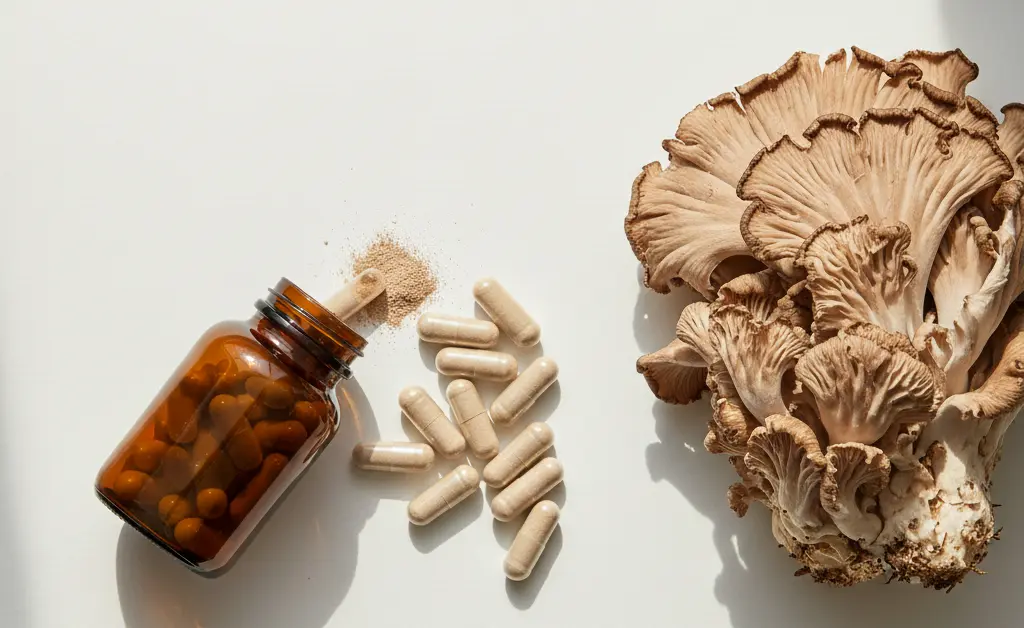
A notable shift in contemporary wellness practices involves a deeper exploration of natural ingredients to support overall health. Among these, functional mushrooms have garnered significant attention, moving beyond traditional culinary uses to become staples in daily supplement regimens. Many individuals are now integrating the benefits of adaptogenic fungi into their routines, with maitake mushrooms emerging as a prominent choice. For those seeking a convenient and precise way to experience its properties, maitake mushroom capsules offer an accessible solution. This guide aims to provide a comprehensive overview of maitake capsules, exploring their formulations, selection criteria, and effective integration into a balanced lifestyle, ensuring consumers can make informed choices about this popular dietary aid.
General Properties of Maitake Mushrooms
Maitake, scientifically known as Grifola frondosa, is a highly regarded functional mushroom native to North America, Europe, and Asia. Often recognized by its unique cluster formation resembling a “hen of the woods,” this fungi has been valued for centuries in traditional Eastern medicine. Maitake is rich in bioactive compounds, most notably a specific type of polysaccharide called beta-glucans. These complex carbohydrates are extensively studied, with research documented by institutions like the NLM, for their potential to support the immune system and promote cellular health. Beyond beta-glucans, maitake also contains antioxidants, amino acids, and minerals, contributing to its reputation as a significant adaptogen. Its general properties suggest a role in supporting the body’s natural defense mechanisms and overall vitality. Understanding the specific maitake mushroom capsules benefits can help users align their choice with their wellness goals.
Understanding Maitake Supplement Formulations
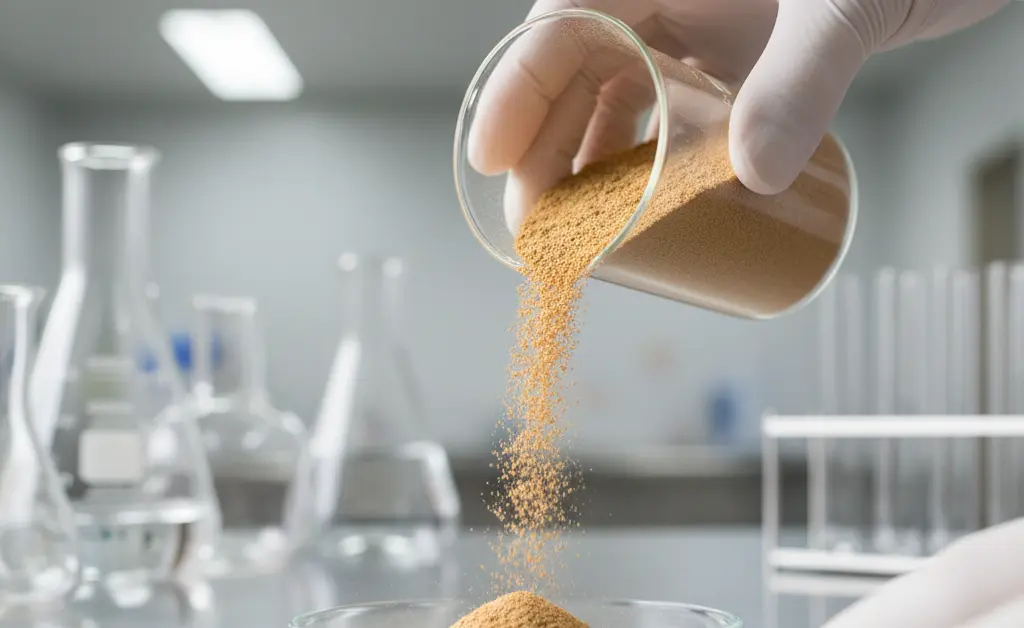
The efficacy and quality of maitake supplements largely depend on how they are formulated. Understanding the different components and processes involved is crucial for selecting a product that meets specific wellness goals. Whether opting for maitake mushroom capsules or other forms, knowing the source material and extraction methods is key to harnessing the full potential of this adaptogenic fungi.
Fruiting Body vs. Mycelium Explained
Maitake supplements are primarily derived from two parts of the mushroom: the fruiting body or the mycelium. The fruiting body is the visible, spore-producing part of the mushroom that we typically recognize. It is generally regarded as having a higher concentration of beneficial beta-glucans and other active compounds. Among the most studied of these compounds is the maitake mushroom D-fraction, a unique protein-bound beta-glucan. The mycelium, on the other hand, is the root-like network that grows beneath the surface. While mycelium also contains some beneficial compounds, many experts suggest that the fruiting body offers a more potent and comprehensive profile of the mushroom’s sought-after properties, particularly when it comes to immune support and overall cellular health.
Understanding Extraction Methods and Ratios
To make the beneficial compounds in maitake readily available for absorption, extraction is often necessary. The most common method is hot water extraction, which effectively isolates polysaccharides like beta-glucans. For certain compounds, a dual extraction method (combining hot water and alcohol extraction) might be used to capture both water-soluble and alcohol-soluble components, ensuring a broader spectrum of active compounds. Extraction ratios, such as 10:1 or 20:1, indicate the concentration of the extract; for example, a 10:1 ratio means that 10 parts of raw maitake material were used to produce 1 part of the extract, implying a higher potency. These methods significantly enhance the bioavailability of the mushroom’s constituents, making it more effective as a dietary supplement.
Comparing Capsules, Powders, and Tinctures
Maitake supplements come in various forms, each offering distinct advantages. Maitake mushroom capsules provide a convenient, pre-measured serving, making them ideal for individuals seeking ease of use and portability without any taste. Maitake mushroom powder offers versatility, allowing it to be mixed into smoothies, coffees, or meals, and can be adjusted for a flexible serving size. Tinctures, which are liquid extracts, are often appreciated for their rapid absorption and ease of administration, particularly for those who prefer not to swallow capsules or dislike the earthy taste of powders. For those who prefer a chewable option, maitake mushroom gummies offer another tasty alternative. Each form caters to different preferences and lifestyles while delivering the adaptogenic benefits of maitake.
How to Choose a Quality Maitake Supplement
Selecting a high-quality maitake supplement is crucial for ensuring its efficacy and safety. With a growing market of herbal supplements, consumers must be diligent in examining product details. Informed decisions, especially when choosing maitake mushroom capsules, require attention to factors beyond just the label claims, focusing on transparency and verifiable quality measures.
How to Read the Supplement Facts Panel
The Supplement Facts panel is a vital source of information. When evaluating a maitake supplement, look for clear declarations of the active compounds, particularly the percentage of beta-glucans and polysaccharides. A quality product will specify whether it uses fruiting body or mycelium, and ideally, will indicate the extraction method and ratio. It is also important to note the serving size and the total amount of maitake extract per serving. Transparency regarding these details signifies a reputable manufacturer committed to providing an effective dietary supplement.
The Importance of Third-Party Testing
Third-party testing involves an independent laboratory verifying the contents and purity of a supplement. This process is critical for confirming that the product contains the stated amount of active compounds and is free from contaminants such as heavy metals, pesticides, and microbes. Products that undergo third-party testing demonstrate a commitment to purity standards and consumer safety. Always look for indications of independent lab analysis or certifications to ensure you are receiving a reliable and high-quality herbal supplement.
Organic vs. Wild-Sourced Maitake
The origin of maitake mushrooms can impact their quality. Organic maitake is cultivated under controlled conditions, adhering to strict standards that prohibit synthetic pesticides and fertilizers. This helps ensure a clean product. Wild-sourced maitake, or “hen of the woods,” grows naturally in forests and can offer a rich profile of natural compounds. However, wild sourcing also carries the risk of environmental contaminants, making it essential that wild-sourced products are rigorously tested for purity. Both options can be excellent, provided they meet stringent purity standards and are appropriately processed for supplement use.
Common Fillers and Additives to Note
Some maitake supplements may contain unnecessary fillers, binders, or artificial additives that offer no health benefits and can sometimes detract from the product’s purity. Common examples include magnesium stearate, silicon dioxide, artificial colors, and flavors. While some inert fillers are used for capsule integrity, an excess of these can dilute the active ingredients. Opting for products with minimal, natural ingredients ensures you are primarily consuming the beneficial compounds of the maitake mushroom, contributing to a purer and more effective herbal remedy.
Integrating Maitake Capsules into a Daily Routine
Incorporating maitake mushroom capsules into a daily wellness regimen is straightforward and can be a consistent step towards supporting holistic health. The key to maximizing their potential benefits lies in mindful integration and adherence to best practices for storage and consumption. Consistency is often highlighted as the most important factor in experiencing the adaptogenic support maitake may offer.
Best Practices for Supplement Storage
Proper storage is essential to maintain the potency and integrity of maitake capsules. Supplements should be kept in a cool, dry place, away from direct sunlight and excessive heat, which can degrade the active compounds. Always ensure the lid is tightly sealed to prevent exposure to moisture and air, which can diminish product quality over time. Storing them in their original container often provides the best protection, ensuring that the maitake remains effective throughout its shelf life as a dietary supplement.
The Cultural History of Maitake

Maitake mushrooms boast a rich cultural history, particularly in Eastern traditions where they have been revered for centuries. Known in Japanese as “Maitake,” meaning “dancing mushroom,” legend suggests people would dance with joy upon finding this prized fungi in the wild due to its perceived rarity and health benefits. In traditional Chinese medicine (TCM) and Japanese herbal practices, maitake was historically used to promote vitality and support various aspects of health, including immune function and metabolic balance. Its esteemed status as a medicinal mushroom highlights its long-standing recognition as a valuable natural resource for natural wellness.
Maitake in Culinary Use vs. Supplements
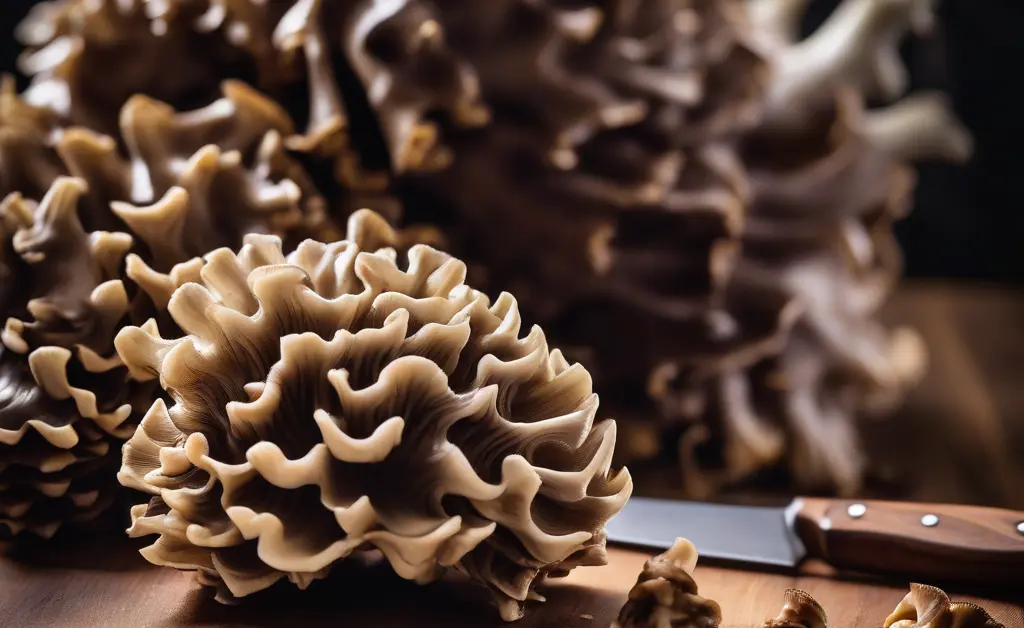
Maitake mushrooms hold a unique position in both the culinary world and as a health supplement. In cooking, raw maitake is celebrated for its earthy, umami flavor and tender texture, making it a popular ingredient in gourmet dishes across many cultures. It can be sautéed, roasted, or added to soups and stir-fries, providing not only taste but also a natural source of vitamins and minerals. However, consuming maitake culinarily often means a lower concentration of its key bioactive compounds compared to specially formulated supplements. Maitake mushroom capsules, on the other hand, are designed to deliver a concentrated and standardized amount of these beneficial compounds, such as beta-glucans and polysaccharides, in a precise form. While culinary use offers a delightful way to enjoy the mushroom’s flavor and general nutrition, supplements are typically chosen for targeted immune support and other specific health-related purposes, making them distinct avenues for experiencing maitake’s properties.
Maitake mushroom capsules offer a convenient and precise way to integrate the historical benefits of this revered fungi into modern wellness routines. By understanding the distinctions between fruiting body and mycelium, appreciating various extraction methods, and prioritizing third-party tested, high-quality products, consumers can make informed choices. The commitment to purity and potency ensures that individuals can confidently pursue enhanced immune support and overall vitality through the consistent use of maitake mushroom capsules.
This article is written for general understanding and not for medical decision-making. The content provided is for informational purposes only and is not intended to be a substitute for professional medical advice, diagnosis, or treatment. Always seek the advice of your physician or other qualified health provider with any questions you may have regarding a medical condition or before starting any new supplement regimen.
FAQ
— What are the physical characteristics of a maitake mushroom?
The maitake mushroom, also known as Hen of the Woods, grows in a large, frilly cluster at the base of trees. Its appearance resembles the ruffled feathers of a sitting hen, with overlapping, fan-shaped caps. These caps are typically grayish-brown and have a firm yet delicate texture.
— What process turns raw maitake into a powder for capsules?
To create a powder, harvested maitake is first carefully cleaned and then dehydrated to remove all moisture, which concentrates its compounds. The dried mushroom is then milled into a very fine powder. This process ensures the mushroom’s key components are preserved and made bioavailable for formulation.
— Is it better to take maitake capsules with or without food?
The body’s absorption of mushroom compounds can be influenced by the presence of food. Consuming supplements with a meal containing healthy fats can support the uptake of fat-soluble components found within the mushroom. For some individuals, this approach is also more comfortable for the digestive system.
— What does the maitake mushroom taste like?
Maitake has a rich, earthy, and savory flavor profile that is highly prized in culinary applications. It delivers a deep umami taste with subtle peppery notes and a distinct woodsy aroma. When cooked, its texture becomes tender and succulent.
— Are most maitake mushroom capsules vegan-friendly?
The maitake mushroom itself is a fungus and therefore inherently plant-based. The vegan status of maitake mushroom capsules depends entirely on the material used for the capsule shell. Many manufacturers use vegetable cellulose instead of animal-derived gelatin, making the final product suitable for a vegan lifestyle.
— Where in the world do maitake mushrooms typically grow?
Maitake mushrooms are native to the temperate hardwood forests of Japan, China, and northeastern North America. They grow wild in the autumn at the base of dying or dead hardwood trees, particularly oak trees. This specific habitat is essential for their natural life cycle.







