
Many aspiring mycologists and home cultivators are venturing into the rewarding world of mushroom cultivation, seeking efficient and reliable methods to propagate their favorite fungi. Among the various techniques available, utilizing liquid culture has become a popular choice for its speed and efficacy in expanding mycelial growth. This guide provides comprehensive insights into the proper handling, application, and storage of maitake mushroom liquid culture, ensuring successful inoculation and robust fungal development. From identifying healthy mycelium to troubleshooting common issues, understanding these practices is crucial for anyone looking to optimize their cultivation efforts and achieve bountiful yields of the revered Hen of the Woods.
Understanding Maitake (Hen of the Woods) Liquid Culture
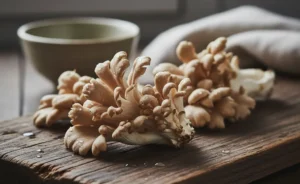
Liquid culture is a suspension of live mycelium growing in a nutrient-rich liquid solution. It offers a significant advantage over spore syringes by providing active, growing mycelium that is ready to colonize a substrate quickly. Maitake, also known as Hen of the Woods (Grifola frondosa), is a prized culinary and medicinal mushroom known for its unique texture and earthy flavor. Its medicinal properties have been a subject of scientific interest, with studies accessible through resources like the NIH. Cultivating this particular strain from a liquid culture can lead to more consistent and rapid colonization, as the mycelium is already established and actively expanding. Using a maitake mushroom liquid culture allows cultivators to bypass the germination phase required when starting from spores, thereby potentially accelerating the entire cultivation cycle.
Visual Guide: Identifying Healthy Mycelium
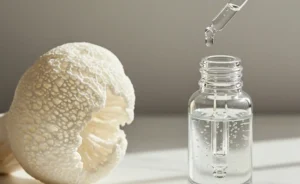
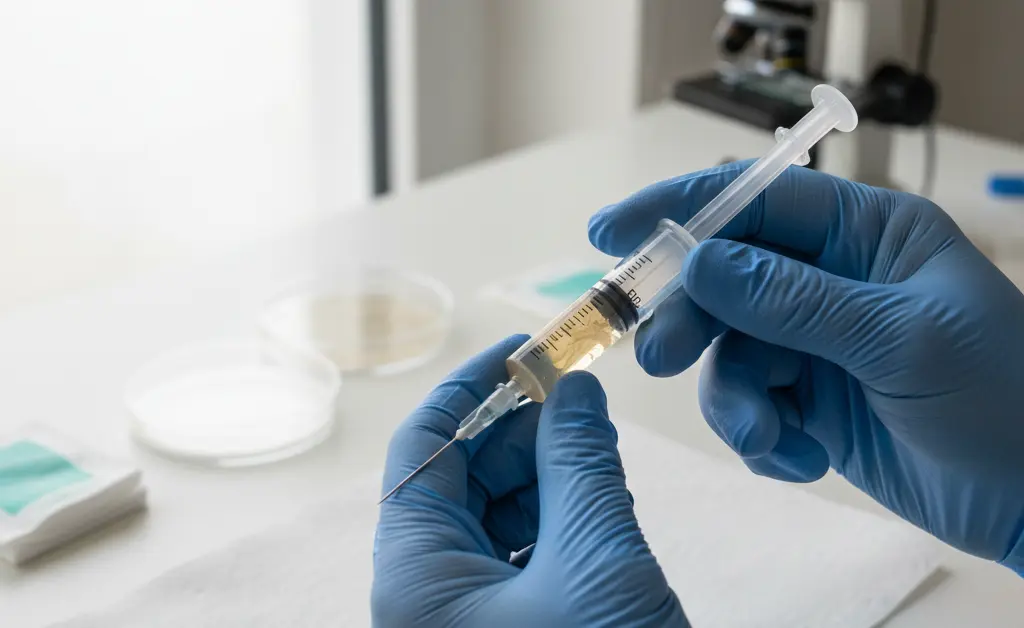
Identifying healthy mycelium in a liquid culture is a critical skill for successful mushroom cultivation. A healthy liquid culture of maitake typically appears as a cloudy suspension with visible strands or clumps of white mycelial growth. These mycelial structures should look clean, bright white, and robust, often swirling within the liquid when gently agitated. The liquid itself should remain clear or slightly turbid, reflecting the nutrient solution. Strong, vibrant growth indicates a high likelihood of successful colonization upon inoculation. Understanding the characteristics of healthy maitake mushroom mycelium is the first step toward a successful harvest.
Step-by-Step Guide: Using Your Maitake Liquid Culture Syringe
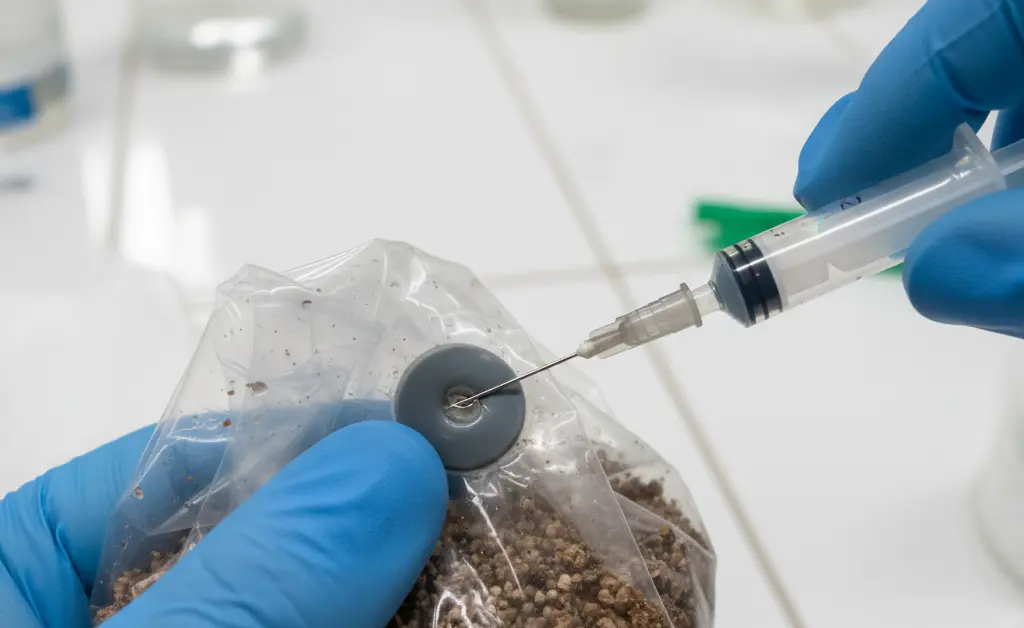
Utilizing a maitake mushroom liquid culture syringe for inoculation requires careful attention to sterile technique to prevent contamination. Before beginning, ensure your workspace is thoroughly cleaned and sanitized. When ready to inoculate, gently shake the liquid culture syringe to evenly distribute the mycelium. Select your chosen substrate, such as sterilized grain bags or jars, and prepare the inoculation port. The goal is to introduce the live mycelium into the substrate with minimal exposure to airborne contaminants. Precision and cleanliness at this stage are paramount for the success of your cultivation project, and mastering this step is a crucial part of learning how to grow maitake mushroom effectively.
Essential Tools and Materials for Inoculation
Successful inoculation with a liquid culture syringe relies on having the right tools and maintaining a sterile environment. Key items include a sterile liquid culture syringe, a clean and sanitized workspace, and the prepared substrate (e.g., sterilized grain bags, jars, or agar plates). Additionally, an alcohol lamp or small torch for sterilizing the syringe needle between inoculations, alcohol wipes, and nitrile gloves are essential for maintaining aseptic conditions. Some cultivators may also use a still air box (SAB) or a laminar flow hood to further minimize the risk of contamination during the transfer process. These practices are standard in small and large-scale maitake mushroom farming to ensure a clean culture.
Optimal Storage for Maitake Liquid Culture Viability
Proper storage is crucial for maintaining the viability and health of your maitake mushroom liquid culture over time. The goal of optimal storage is to slow down the metabolic activity of the mycelium without killing it, thereby extending its usable life. Exposure to extreme temperatures, direct light, or inconsistent conditions can degrade the culture, reducing its vigor and effectiveness when it comes time for inoculation. Understanding and implementing correct storage protocols ensures that your liquid culture remains potent and ready for future use, preserving its genetic integrity and growth potential.
Short-Term vs. Long-Term Storage Guidelines
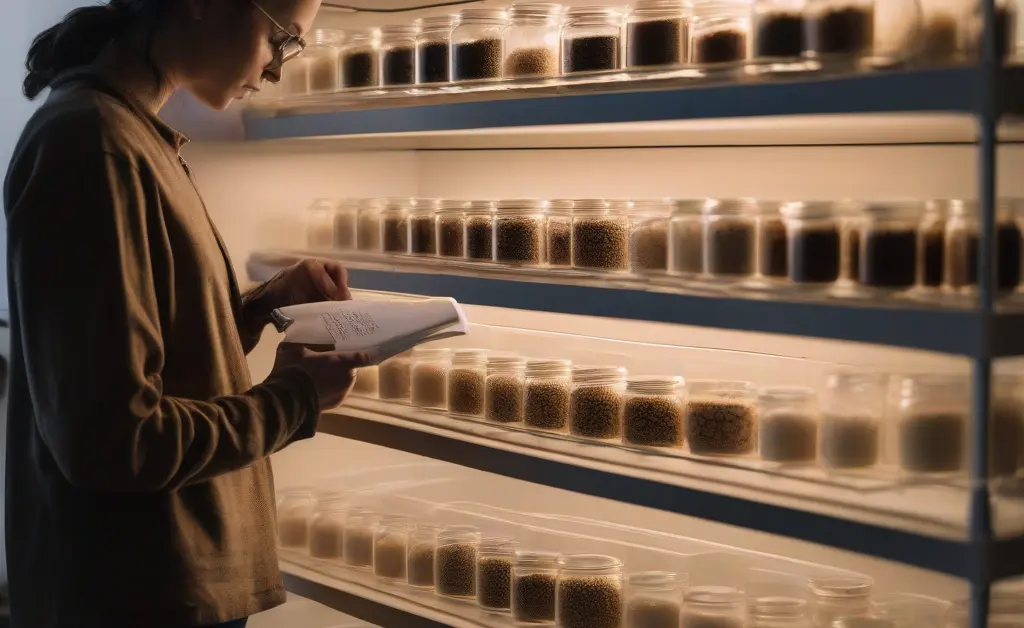
The duration for which you intend to store your maitake mushroom liquid culture will dictate the appropriate storage method. For short-term storage, which typically spans a few weeks to a couple of months, minimal intervention is usually required beyond refrigeration. The culture should be kept in its sealed syringe or container in a cool, dark place to maintain its vitality. For long-term storage, extending beyond several months, more stable conditions are necessary. The aim is to significantly slow down mycelial growth without causing damage, ensuring the culture remains viable for future propagation efforts.
Refrigeration Best Practices for Maitake Liquid Culture
Refrigeration is generally considered the best practice for storing maitake mushroom liquid culture. Storing cultures in a refrigerator helps to significantly reduce the metabolic rate of the mycelium, prolonging its shelf life. It is advisable to store liquid culture syringes or vials in an airtight container to prevent dehydration and to place them in an area of the refrigerator that maintains a consistent, cool temperature, avoiding the door where temperature fluctuations are common. Always ensure the culture is well-sealed to prevent airborne contaminants from entering, even in the cold environment. Before use, allow the culture to gradually warm to room temperature.
Troubleshooting Common Issues with Maitake Liquid Culture
Even with careful preparation and aseptic techniques, cultivators may encounter issues with their maitake mushroom liquid culture. Recognizing and addressing these problems early can save time and resources. To minimize these risks, many beginners opt for a complete maitake mushroom growing kit which often includes pre-sterilized components. The most common challenge is contamination, which can render the culture unusable. Other issues might include slow or no growth, which could indicate a non-viable culture or improper storage. Understanding the visual cues and potential causes behind these problems is essential for effective troubleshooting and for improving future cultivation practices, ensuring a healthy start for your mushroom projects.
Common Signs of Contamination in Liquid Culture
Contamination is a frequent concern when working with liquid cultures. Healthy maitake liquid culture should exhibit clean, white mycelial growth. Any deviation from this can be a sign of contamination. Common indicators of contamination include cloudy liquid with no visible mycelium, particularly if the cloudiness is milky or yellowish, suggesting bacterial growth. Green, black, or blue spots or discoloration may point to mold contamination. Slime, unusual odors, or a film forming on the surface are also strong indicators that the liquid culture has been compromised and should not be used for inoculation.
Frequently Asked Questions About Maitake Liquid Culture
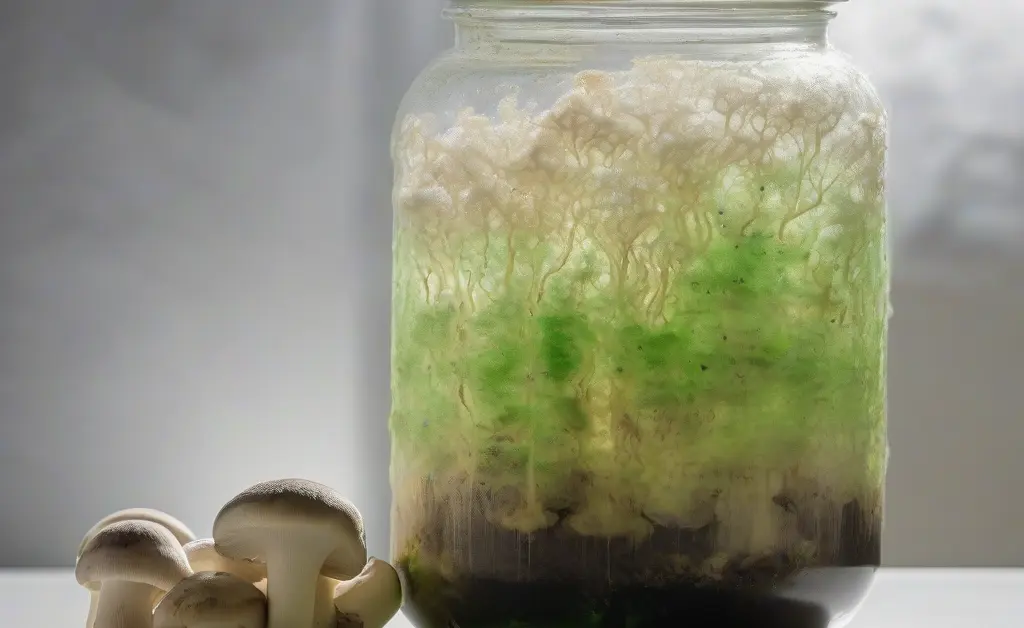
Many aspiring cultivators have questions about the practical aspects of working with maitake mushroom liquid culture. It is generally understood that liquid culture offers advantages over spore syringes due to the presence of already germinated and active mycelium, potentially leading to faster colonization times. While specific quantities are avoided, the amount of liquid culture injected into a grain bag typically depends on the size of the bag and the density of the mycelium within the culture. Signs of contamination in a liquid culture syringe can include unusual colors, cloudiness, or a foul odor, indicating the presence of unwanted microorganisms. Yes, liquid culture can also be used to inoculate agar plates, providing a clean method for expanding mycelium and conducting transfers.
Mastering the use and storage of maitake mushroom liquid culture is a rewarding endeavor that can significantly enhance your mycological pursuits. By adhering to proper aseptic techniques, understanding the signs of healthy growth, and implementing optimal storage solutions, cultivators can achieve consistent success. The careful application of these practices not only ensures the robust development of the revered Hen of the Woods but also cultivates a deeper appreciation for the intricate world of fungi.
The information presented in this article is educational and not meant as professional medical counsel. It is intended to provide general knowledge and understanding of the subject matter. Always consult with a qualified healthcare professional or mycologist for any health concerns or before making any decisions related to your health or cultivation practices. The content provided should not be considered a substitute for professional advice.
FAQ
— How long does maitake liquid culture last in the fridge?
When stored properly in a refrigerator, the mycelial network enters a dormant state which preserves its viability for an extended period. This cold storage significantly slows down its metabolic activity, allowing it to remain viable for several months or longer. The exact longevity depends on the initial health of the culture and the sterility of the storage conditions.
— What is the best substrate to use for maitake liquid culture?
Maitake is a polypore mushroom that grows on hardwood trees in the wild, making it a primary decomposer of wood. For cultivation, it thrives on substrates that replicate this natural environment, such as sterilized sawdust from hardwoods like oak. Supplementing the sawdust with a nitrogen source, like bran, can further support robust mycelial growth.
— Why does my maitake liquid culture look cloudy?
A healthy, growing maitake mushroom liquid culture will naturally appear cloudy as the thread-like mycelium expands throughout the nutrient solution. This cloudiness often presents as a cohesive, suspended structure rather than a murky or uniformly hazy liquid. However, a foul smell or discolored, separated sediment can be indicators of bacterial or other microbial contamination.
— Can you make your own liquid culture from a fresh maitake mushroom?
Creating a liquid culture from a fresh mushroom is a process known as tissue cloning, which requires a highly sterile environment. A small, clean piece of the inner mushroom tissue is introduced into a sterilized nutrient broth. If successful, the cells will begin to grow and form a new mycelial network, effectively replicating the original fungus.
— What is the ideal temperature range for maitake colonization?
The colonization phase, where the maitake mycelium grows and spreads throughout the substrate, is a critical stage in its life cycle. This process is most efficient within a specific temperature range, typically between 70-75°F (21-24°C). Temperatures outside this optimal range can slow down or stall mycelial growth, potentially increasing the risk of contamination.