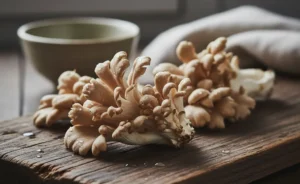

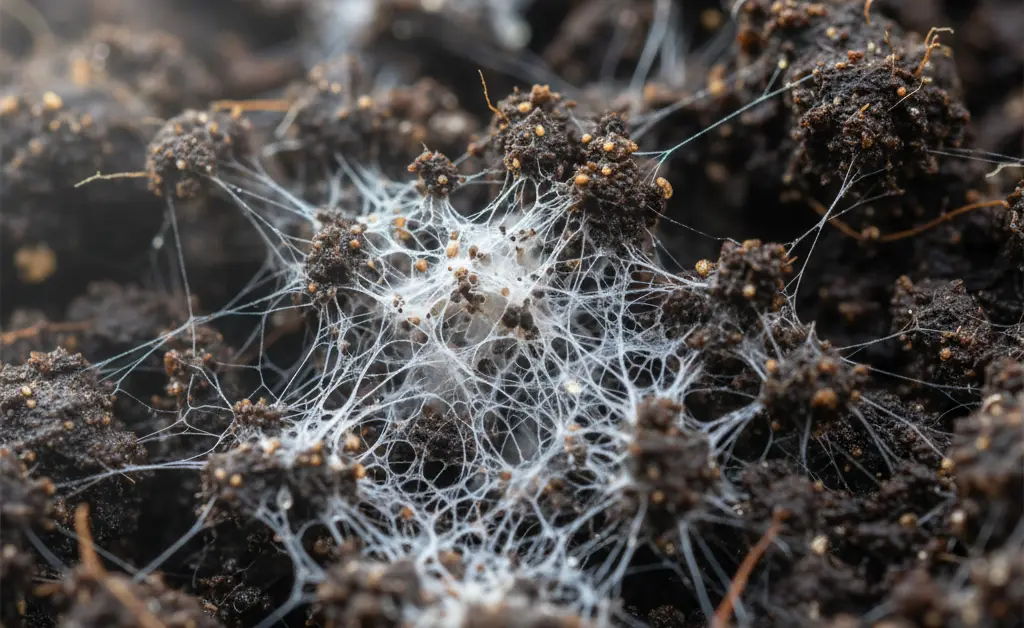
Imagine the quiet wonders unfolding beneath the forest floor, a vast, intricate network working diligently out of sight. It’s easy to admire the majestic fruiting bodies of mushrooms, but true appreciation often begins with understanding the hidden engine that powers their growth and potent properties. For those fascinated by nature’s subtle pharmacies and eager to connect with sustainable practices, delving into the world of fungi offers a deeply satisfying journey. This guide invites you to explore the fascinating realm of maitake mushroom mycelium, an often-overlooked yet crucial component in the life cycle of the revered Hen of the Woods. We will uncover its profound benefits, demystify its cultivation process, and provide a clear path for harnessing its potential, from understanding its role in well-being to successful home growing.
Maitake Mushroom Mycelium: Benefits and What It Does to the Body
Is mushroom mycelium good for you?
The intricate web of fungal threads known as mycelium serves as the vegetative part of a mushroom, acting as its root system. This network, including that of Grifola frondosa, commonly known as Hen of the Woods, is rich in bioactive compounds. While often overshadowed by the more visible fruiting body, mushroom mycelium contains many of the same beneficial constituents, such as polysaccharides and triterpenes. Notably, beta-glucans are present in significant amounts, which are polysaccharides widely studied for their potential to support overall wellness. Research on these compounds is often found on platforms like PubMed. These compounds may contribute to maintaining a balanced system and promoting cellular health. The array of nutrients and beneficial compounds within mushroom mycelium suggests its potential as a valuable addition to a diet focused on well-being.
Is mushroom mycelium safe to eat?
Generally, mushroom mycelium from edible and cultivated species like Maitake Mushroom is considered safe for consumption when sourced from reputable cultivators and processed appropriately. Concerns regarding maitake mushroom side effects are typically minimal, with most people tolerating it well. However, as with any food or supplement, individual sensitivities can exist. It is always wise to consult with a healthcare professional before adding new supplements to your routine, especially if you have pre-existing health conditions or are taking other medications. It is important to note that consuming maitake mushroom mycelium does not produce psychoactive effects; therefore, the question “Does maitake mushroom get you high?” can be confidently answered no.
Maitake Mushroom Mycelium Powder
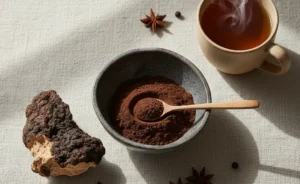
One of the most accessible forms of maitake mushroom mycelium for consumption is Mushroom Mycelium Powder. This powder is typically created by culturing the mycelial biomass on a grain substrate, which is then harvested, dried, and ground. This method allows for a concentrated delivery of the mushroom’s beneficial compounds. Maitake mushroom mycelium powder can be incorporated into various foods and beverages, such as smoothies, teas, or sprinkled over meals, providing an easy way to integrate its potential benefits into daily life. When selecting a powder, looking for products that specify the source and processing methods can help ensure quality and purity.
Understanding the Maitake Lifecycle: Mycelium vs. Fruiting Body
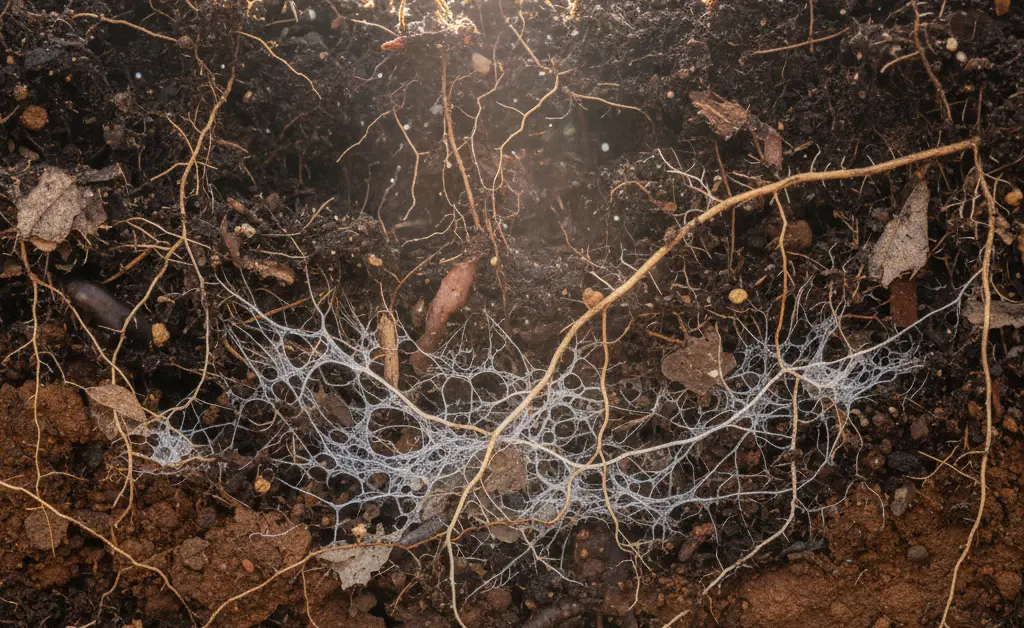
The life cycle of Maitake Mushroom (or Grifola frondosa) is a fascinating journey that begins long before the recognizable fruiting body emerges above ground. At its core is maitake mushroom mycelium, the vegetative part of the fungus, which consists of a vast network of fine, thread-like structures called hyphae. This intricate web spreads through the substrate, such as wood, absorbing nutrients and breaking down organic matter. The mycelial growth is crucial for the mushroom’s survival and subsequent development.
The Fruiting Body, which is what most people recognize as the mushroom itself – the “Hen of the Woods” cluster – is the reproductive structure. It develops from a fully established and healthy mycelial network when environmental conditions like temperature, humidity, and light are optimal. While both the mycelium and the fruiting body contain a wealth of beneficial compounds, their roles in the fungal life cycle are distinct. The mycelium is primarily responsible for colonization and nutrient acquisition, acting as the mushroom’s digestive and circulatory system, while the fruiting body is designed for spore production and dispersal, ensuring the continuation of the species. Understanding this distinction is fundamental to successful mushroom cultivation and appreciating the full scope of Maitake Mushroom biology, which has been revered in traditional practices for centuries.
Getting Started: Understanding Maitake Mycelium Plug Spawn
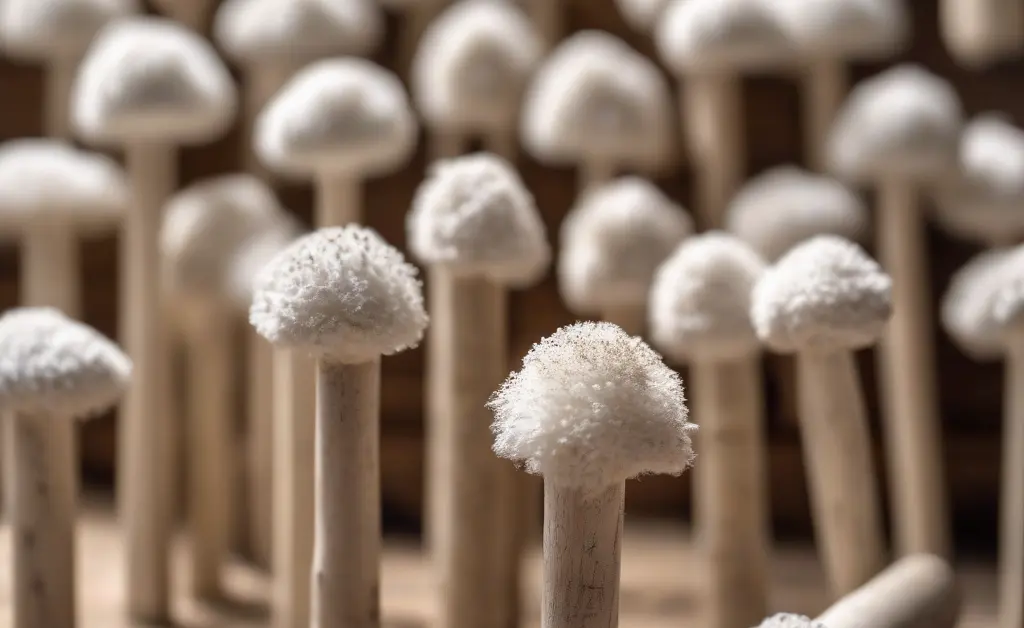
To embark on log cultivation for Hen of the Woods, a popular and effective method involves using maitake mushroom mycelium plug spawn. This Mushroom Spawn type is specifically designed for inoculating hardwood logs, providing a robust and convenient way to introduce the fungal culture to its intended growing medium.
What Are Mushroom Dowels (Plugs)?
Mushroom dowels, often referred to as plugs, are small, cylindrical wooden pegs typically made from birch or oak. These dowels undergo a sterilization process before being inoculated with the vigorous maitake mushroom mycelium culture. The mycelium then colonizes the wooden plug, turning it into a ready-to-use delivery system for introducing the fungus into logs. The plugs act as self-contained starter kits, providing the mycelium with a food source and protection until it can spread into the larger substrate of the log.
Advantages of Using Plug Spawn for Hen of the Woods
Utilizing plug spawn for Grifola frondosa cultivation offers several distinct advantages. It is generally easier for beginners compared to more advanced Mushroom Spawn types like sawdust spawn or grain spawn, which require more precise sterilization techniques and handling. The solid nature of the dowels makes them less prone to contamination during handling and insertion. Furthermore, once inserted and sealed, they create isolated inoculation points that the mycelium can expand from, providing a reliable start for colonization. This method often results in a sturdy and long-lasting mycelial growth within the logs.
Viability and Storage of Mycelium Plugs
The viability of maitake mushroom mycelium plugs is crucial for successful cultivation. Plug spawn should be stored in cool, dark, and slightly humid conditions, typically in a refrigerator, until ready for use. Proper storage helps maintain the mycelium’s vigor and prevents premature contamination or drying out. While specific storage durations can vary by supplier, freshly prepared plugs generally offer the best chance of successful inoculation. It is always recommended to use the plug spawn as soon as possible after purchase to ensure optimal performance and strong mycelial growth.
Maitake mushroom spawn types
While maitake mushroom mycelium plug spawn is excellent for log cultivation, other types of Mushroom Spawn exist for different applications. Sawdust spawn is commonly used for inoculating larger bulk substrates or making fruiting blocks. Grain spawn offers rapid colonization due to the high nutrient content of the grains, often used for transferring mycelium to larger substrates in indoor setups or for making further spawn. Liquid culture involves mycelium suspended in a nutrient solution, ideal for inoculating sterile substrates or creating new spawn. Finally, agar is a petri dish culture used for isolating and expanding mycelial strains in laboratory settings. Each Mushroom Spawn type has its specific benefits and uses depending on the scale and method of cultivation.
Step-by-Step Guide to Inoculating Logs with Maitake Mycelium
Cultivating Hen of the Woods (Grifola frondosa) on logs is a rewarding endeavor that connects you directly with the natural growth cycle of this esteemed fungus. The process of inoculating logs with maitake mushroom mycelium requires careful attention to detail but is generally straightforward for those new to Mushroom cultivation.
Essential Supplies and Log Preparation for Maitake Cultivation:
Before beginning, gather your maitake mushroom mycelium plug spawn, a power drill bit (sized to your plugs), and sealing wax.
For logs, hardwood logs are essential, with oak logs being particularly favored. Best Wood Species for Maitake Cultivation also include maple, elm, and beech. Select healthy, freshly cut logs, ideally 3-6 inches in diameter and 3-4 feet long. Optimal Log Diameter and Length are crucial for manageable handling and effective colonization. Logs should be Curing and Storing Logs Before Use for a few weeks after cutting to allow the tree’s natural antifungal compounds to dissipate, but not so long that other fungi begin to colonize.
Drilling the Inoculation Holes:
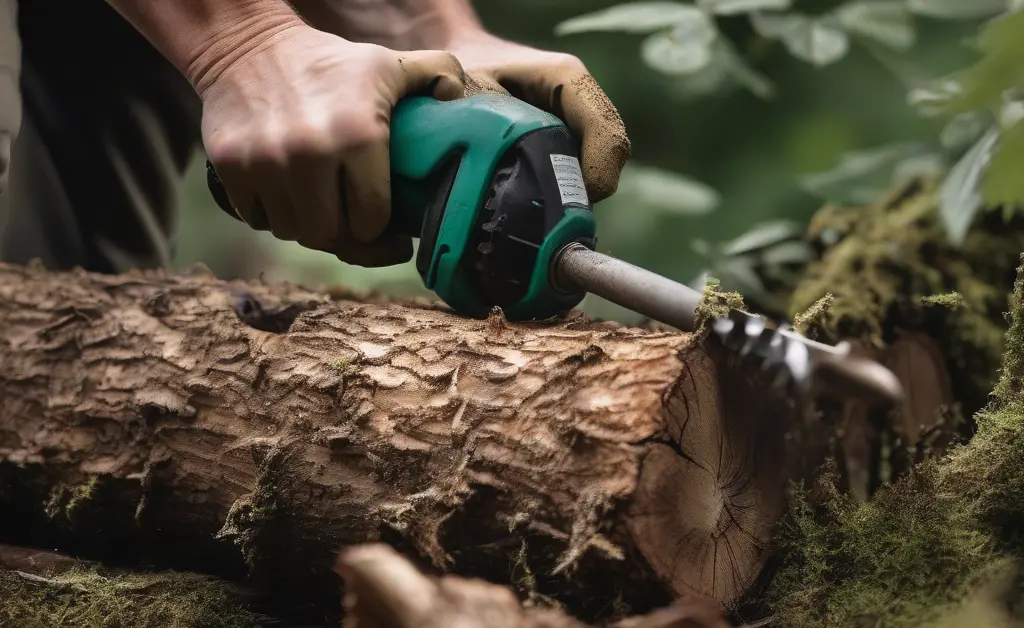
Using your power drill bit, Drilling the Inoculation Holes uniformly around the log, about one inch deep. Stagger the holes in a diamond pattern, spaced approximately 4-6 inches apart along the log’s length and around its circumference. This spacing ensures thorough mycelial growth throughout the substrate.
Inserting the Maitake Plugs
Once the holes are drilled, gently tap the maitake mushroom mycelium plug spawn into each hole using a hammer. Ensure the plug is flush with the surface of the log, providing full contact between the plug and the wood. After insertion, it is critical to Sealing the Holes with Wax. Melt the sealing wax and apply it over each plug to protect the maitake mushroom mycelium from drying out and prevent contamination from other fungi or insects. Choosing the Right Type of Sealing Wax is important; food-grade cheese wax or beeswax are excellent choices. Required Tools for Drilling and Sealing include a drill, hammer, and wax applicator (e.g., a small brush or dauber). Consider Safety Gear Recommendations for Cultivation such as gloves and eye protection when working with tools.
The Spawn Run: What to Expect
Following inoculation, the logs enter the spawn run phase, also known as the colonization period. During this time, the maitake mushroom mycelium will gradually spread from the plugs throughout the entire log. This process is invisible from the outside, but it is a critical period of intense mycelial growth. The log essentially becomes a living substrate, completely permeated by the fungal network. Patience is key during this stage, as it can take several months or even over a year for full colonization.
Ideal Environmental Conditions for Incubation
For successful incubation and colonization, logs should be stored in a shaded, humid location that allows for good air circulation but is protected from direct sunlight and strong winds. A shady spot in a garden, under trees, or in a forest setting is often ideal. Consistent moisture is crucial; if conditions are dry, logs may need to be periodically watered or placed in contact with the ground to absorb ambient moisture. The ambient temperature also plays a role, with moderate temperatures generally favoring mycelial growth, highlighting the importance of understanding ideal maitake mushroom growing conditions.
How Long Does Maitake Mycelium Take to Colonize?
The colonization period for maitake mushroom mycelium in logs can vary significantly depending on several factors, including log type, diameter, environmental conditions, and the vigor of the plug spawn. Typically, maitake mushroom mycelium can take anywhere from 6 months to 2 years to fully colonize a log before it is ready to produce fruiting body’s. Some species might even take longer. After this period, Recognizing When Your Logs are Ready to Fruit involves observing environmental cues and the general health of the log. Creating Fruiting Conditions often means exposing the logs to cooler temperatures and increased humidity, which can sometimes be triggered by soaking logs in cold water. Managing Log Colonization, Fruiting, and Harvesting Maitake Mushrooms is an ongoing process that yields fresh mushrooms for several years.
Where to Find Maitake Mushroom Mycelium for Sale
For those interested in cultivating their own Hen of the Woods or exploring the benefits of its mycelium, sourcing quality maitake mushroom mycelium is the first crucial step. The availability of Mushroom Spawn has significantly increased with the growing interest in home Mushroom cultivation. Learning about maitake mushroom farming can help guide your cultivation efforts.
Online Specialty Suppliers:
Numerous online retailers specialize in mushroom cultivation supplies. These stores often offer a wide range of Mushroom Spawn types, including maitake mushroom mycelium in forms such as plug spawn for logs, sawdust spawn for beds or bags, and even liquid culture for more advanced projects. When purchasing online, look for suppliers with positive reviews, clear product descriptions, and information on the freshness and viability of their spawn. Reputable vendors often provide detailed instructions for use and support.
Local Nurseries and Garden Centers:
While less common, some well-stocked local nurseries, garden centers, or agricultural supply stores may carry Mushroom Spawn, especially during peak planting seasons. This option allows for immediate purchase and the opportunity to speak with knowledgeable staff. It’s always a good idea to call ahead to inquire about their inventory of maitake mushroom mycelium products.
Mushroom Fairs and Workshops:
Attending mushroom fairs, gardening shows, or local cultivation workshops can also be an excellent way to find maitake mushroom mycelium from local growers. These events often feature vendors selling high-quality spawn and provide opportunities to learn directly from experienced cultivators. Regardless of the source, always prioritize quality and freshness to ensure the best chances of successful Mushroom cultivation and eventually enjoying delicious Maitake Mushroom Recipes from your own harvest.
In conclusion, maitake mushroom mycelium represents the foundational essence of the revered Hen of the Woods, holding significant potential both for wellness and as a subject of sustainable cultivation. From its role in supporting the body through its rich composition of beneficial compounds to its critical function in the mushroom’s natural lifecycle, the mycelium is an integral component. Understanding and engaging with maitake mushroom mycelium through methods like log cultivation offers a unique opportunity to connect with nature’s intricate processes and to potentially harvest this delicious and beneficial fungus directly from your own environment. This journey, from understanding the unseen network beneath the forest floor to the eventual fruiting, highlights the quiet power and enduring appeal of mushrooms.
Readers should understand that this article does not offer medical diagnosis or treatment. The information provided is for educational and informational purposes only, not intended as a substitute for professional medical advice, diagnosis, or treatment. Always seek the advice of your physician or other qualified health provider with any questions you may have regarding a medical condition. Never disregard professional medical advice or delay in seeking it because of something you have read in this article. Specific results may vary among individuals.
FAQ
— How long does it take to grow maitake mushrooms from plugs?
Growing maitake mushrooms from plugs generally involves a colonization period that can range from six months to over a year, depending on environmental factors and the type of wood used. Once the mycelium has fully established itself within the log, the first fruiting bodies typically appear in subsequent growing seasons. Patience is key, as this natural process takes time to develop.
— How do you inoculate a log with mushroom plugs?
To inoculate a log, you first drill holes approximately one inch deep and several inches apart around the log’s circumference and along its length. Next, firmly tap the mushroom plugs into these holes using a mallet, ensuring they are flush with the log’s surface. Finally, seal each inoculated hole with melted cheese wax or beeswax to protect the mycelium from drying out and potential contaminants.
— How many mushroom plugs do I need per log?
The appropriate number of mushroom plugs for a log is determined by its dimensions, specifically its diameter and length. The goal is to distribute the plugs evenly across the entire surface of the log, ensuring adequate spacing between each one. This method helps to achieve thorough and consistent colonization of the wood by the fungal network.
— When is the best time of year to inoculate logs with maitake mycelium?
The optimal time for inoculating logs with maitake mushroom mycelium is typically in early spring, after the risk of hard frosts has passed, or during early autumn. These seasons provide moderate temperatures and consistent moisture levels, which are crucial for the initial establishment and growth of the mycelial network. Avoiding extreme heat or cold during this critical phase supports successful colonization.
— What does maitake mushroom mycelium look like?
Maitake mycelium typically appears as a fine, white, web-like network of threads as it colonizes its substrate. These delicate, root-like structures spread throughout the wood, breaking it down and absorbing nutrients. Over time, in optimal conditions, this growth can become quite dense and robust, indicating a healthy and active fungal colony.