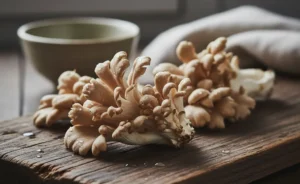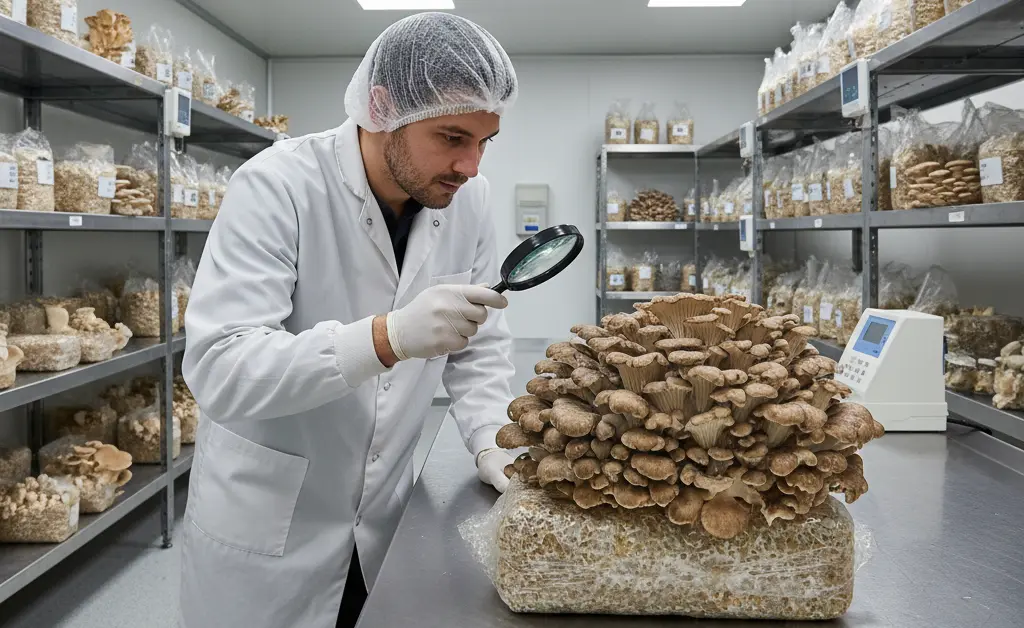
Achieving a successful and consistent harvest of maitake mushrooms is highly attainable for cultivators who understand and replicate their specific environmental requirements. By meticulously managing key factors such as temperature, humidity, and substrate, growers can significantly enhance their yield and the overall health of their mycelial networks. This knowledge is crucial for anyone looking to cultivate this sought-after medicinal and culinary fungus, whether on a small scale or commercially. Mastering maitake mushroom growing conditions not only ensures a bountiful crop but also minimizes common pitfalls associated with fungal cultivation, leading to more predictable and rewarding outcomes. This guide explores the precise parameters necessary for thriving maitake cultivation, from initial inoculation to full fruiting.
Essential Maitake Mushroom Growing Conditions
Optimal Temperature Range for Incubation and Fruiting
The journey of successful maitake cultivation begins with understanding the distinct temperature needs for different growth phases. During the incubation or colonization phase, where the mycelium establishes itself within the substrate, a consistent temperature is crucial. This period supports robust mycelial growth and network development. Once the substrate is fully colonized, a shift in temperature is often required to trigger the fruiting phase, encouraging the formation of primordia. The temperature for fruiting bodies is generally cooler than that required for colonization, mimicking the natural seasonal changes that signal the mushroom to emerge. Maintaining the correct maitake mushroom growing temperature for each stage is a fundamental aspect of maximizing yield and ensuring healthy development of the fruiting body. Following a comprehensive guide on how to grow maitake mushroom will cover these stages in detail.
Humidity and Moisture Requirements
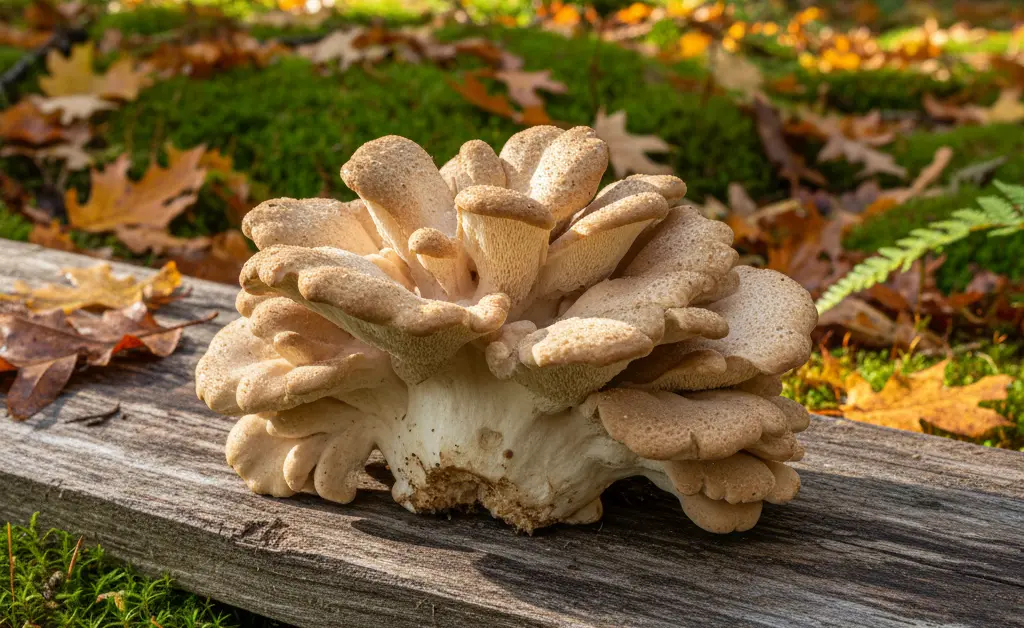
Maitake mushrooms, also known as Hen of the Woods or by their scientific name Grifola frondosa, thrive in environments with high humidity, particularly during the crucial fruiting stage. Proper humidity levels are essential to prevent the delicate primordia from drying out and to support the expansion of the fruiting body. During colonization, adequate moisture content within the substrate is key for mycelial expansion, but humidity in the air is less critical. As the cultivation progresses to fruiting, a high humidity environment, often achieved in a fruiting chamber or humidity tent, becomes paramount. Consistent moisture content in the substrate and high ambient humidity around the developing mushrooms are vital factors in successful maitake cultivation, influencing both the quality and quantity of the harvest. The medicinal properties of mushrooms are a subject of ongoing research, with agencies like the FDA regulating health claims.
Lighting and Fresh Air Exchange (FAE) Needs
While often associated with dark environments, maitake mushrooms do require some light during their fruiting phase, primarily to guide the direction of growth and promote natural coloration. Indirect, ambient light, rather than direct sunlight, is ideal. However, perhaps even more critical than light is Fresh Air Exchange (FAE). Maitake mycelium, like all fungi, produces carbon dioxide (CO2) as it metabolizes its substrate. High CO2 levels can inhibit healthy fruiting and lead to leggy, deformed fruiting bodies. Regular air exchange is necessary to replenish oxygen and remove excess CO2, ensuring robust primordia formation and vigorous development of the mushroom structure. This balance of light conditions and consistent air exchange is a significant aspect of creating optimal maitake mushroom growing conditions.
Substrate Selection: Hardwood Logs vs. Supplemented Sawdust
Choosing the right substrate is foundational for successful maitake cultivation. Traditionally, maitake mushrooms are found growing on the base of deciduous trees, making hardwood logs a natural and effective choice for outdoor cultivation. Oak trees are particularly favored, but maple trees and elm trees can also be suitable. Logs offer a more natural growth cycle and can produce flushes for several years. For indoor growing or more intensive cultivation, supplemented sawdust blocks are widely used. These blocks typically consist of sterilized hardwood sawdust, often mixed with nutritional supplements like wheat bran or soy hulls, and sometimes gypsum to buffer pH. Sawdust blocks allow for a faster colonization phase and a more controlled environment, leading to multiple flushes in a shorter period. For those just starting, using a maitake mushroom growing kit can simplify the process, as it typically comes with a pre-sterilized and supplemented substrate block. Both methods require careful sterilization or pasteurization of the substrate to prevent contamination before inoculation with sawdust spawn, grain spawn, or plug spawn.
Growing Maitake in Different Climates (e.g., Florida, Texas)
Cultivating maitake mushrooms successfully in diverse climates, such as the warm, humid conditions of Florida or the varied temperatures of Texas, requires careful adaptation of environmental controls. For outdoor cultivation on hardwood logs, growers in warmer regions might need to select varieties that tolerate higher temperatures or inoculate during cooler seasons. Indoor growing offers greater control, allowing cultivators to replicate ideal maitake mushroom growing conditions regardless of external climate. This involves managing temperature fluctuations with heating or cooling systems, and maintaining high humidity levels using humidifiers or humidity tents within a dedicated fruiting chamber. Strategic planning around local climate patterns and the chosen cultivation method is essential to overcome environmental challenges and achieve consistent yields.
Understanding Maitake’s Natural Habitat
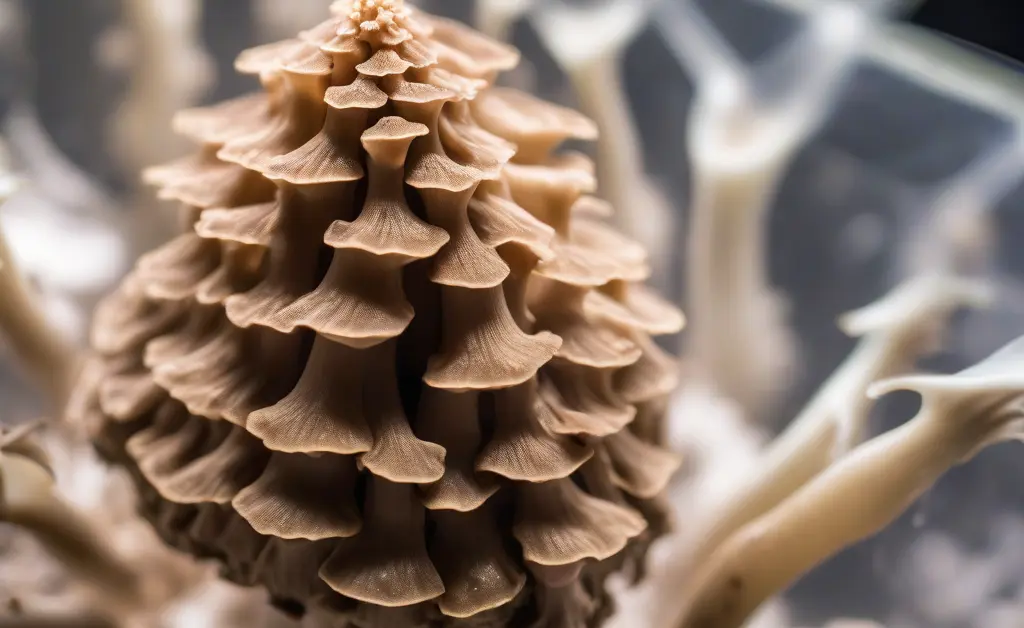
Preferred Tree Species and Wood Types for Inoculation
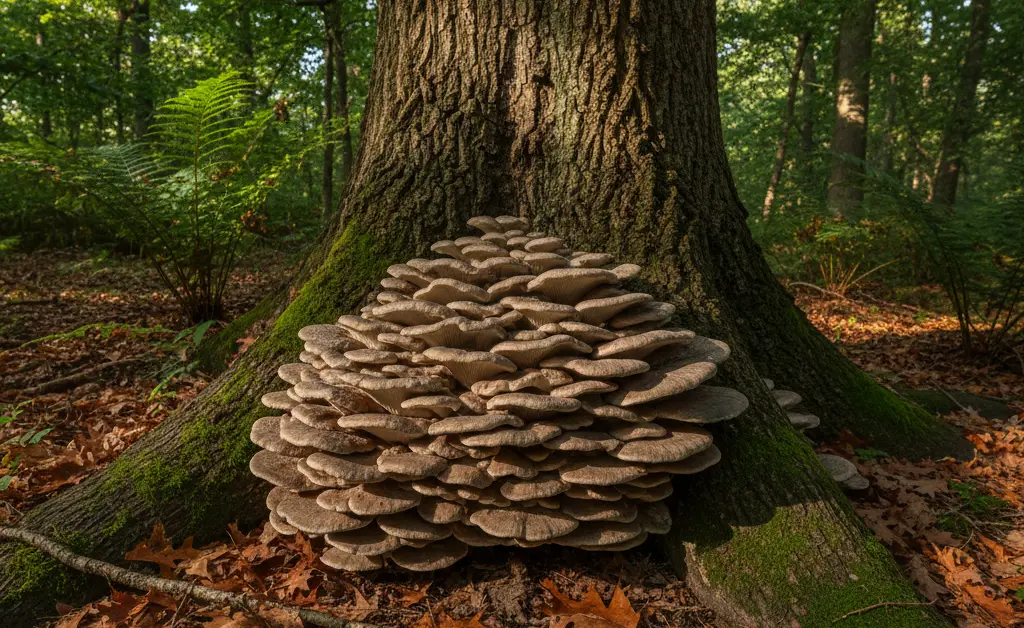
In its natural environment, Grifola frondosa predominantly forms a symbiotic relationship with certain hardwood trees. Maitake mushrooms are typically found at the base of mature or dying deciduous trees, particularly oak trees. However, they can also grow on other hardwood species such as maple, elm, and occasionally chestnut trees. The wood type provides the essential nutrients and structure for the mycelium to thrive. For successful outdoor cultivation using plug spawn or sawdust spawn, selecting logs from these preferred tree species is crucial, as they offer the ideal composition for sustained mycelial growth and subsequent fruiting over many seasons. An alternative method for inoculating substrates is using a maitake mushroom liquid culture, which can speed up the colonization process. Replicating this natural preference is a key maitake cultivation tip for both hobbyists and commercial growers.
Typical Climate and Seasonal Triggers in the Wild
Maitake mushrooms are native to the temperate forests of North America, Europe, and Asia, where they typically emerge in the late summer and autumn months. Their appearance is often triggered by specific environmental cues: a drop in temperature following a period of warmth, combined with sufficient moisture from rainfall. These seasonal triggers encourage the established mycelial network within the host tree to produce its fruiting body. Understanding these natural maitake mushroom growing conditions provides valuable insights for cultivators, particularly those engaging in outdoor log cultivation. Mimicking these temperature shifts and ensuring adequate moisture, sometimes through a process like “cold shocking” colonized substrate, can effectively induce fruiting and lead to a successful harvest.
Mastering the intricacies of maitake mushroom growing conditions is fundamental for anyone looking to cultivate this remarkable fungus. From precise temperature and humidity controls to careful substrate selection and environmental management, each factor plays a critical role in the journey from inoculation to a bountiful harvest. By understanding and diligently applying these principles, growers can consistently achieve rewarding results in their maitake cultivation efforts.
The purpose of this content is to educate, not to diagnose or treat. This information is intended for general knowledge and informational purposes only, and does not constitute medical advice. Always seek the advice of a qualified healthcare professional for any medical concerns or before making any decisions related to your health or treatment. Reliance on any information provided in this article is solely at your own risk.
FAQ
— What kind of trees do maitake mushrooms grow on?
In its natural habitat, maitake is most frequently found at the base of oak trees. This fungus forms a parasitic relationship with living trees and also acts as a saprobe, decomposing the wood of dead or dying stumps. While oak is its preferred host, it can also grow on other hardwoods like elm and maple.
— What is the best substrate for growing maitake?
Cultivators typically use supplemented hardwood sawdust, often from oak or maple, to replicate the mushroom’s natural food source. This mixture provides the essential cellulose, lignin, and nutrients that maitake mycelium needs to colonize and develop fully. The goal is to create a nutrient-dense block that supports a robust fruiting.
— What temperature do maitake mushrooms need to fruit?
Fruiting for maitake is initiated by a drop in temperature, which simulates the arrival of autumn in its native environment. The mushroom primordia, or pins, typically begin to form when temperatures are held within a cooler range. This is a critical factor, as consistent maitake mushroom growing conditions during this stage are linked to successful development.
— How much humidity do maitake mushrooms need?
A high relative humidity is essential during the fruiting phase to support the development of the mushroom clusters. This moist environment prevents the delicate primordia and young fruiting bodies from drying out before they can fully mature. Maintaining consistent humidity allows the mushroom’s intricate, frond-like structure to form properly.