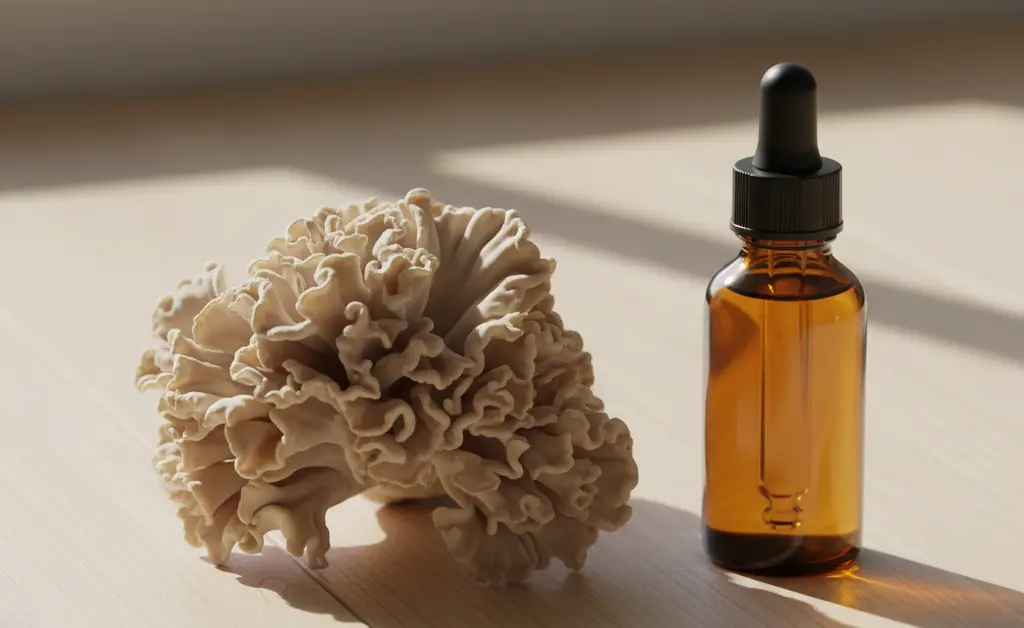
The maitake mushroom, revered in traditional practices for centuries, has garnered significant attention in modern wellness circles, particularly for a specific extract known as D-Fraction. As a distinct component isolated from this edible fungus, maitake mushroom d fraction stands out due to its unique biological structure and its profound impact on cellular health. Understanding this particular compound is crucial for anyone exploring the potential of medicinal fungi. This article delves into what makes D-Fraction a subject of widespread interest, exploring its precise nature, how it differs from the whole mushroom, and the mechanisms through which its active components exert their effects. We will unpack the science that supports its recognition and provide guidance on how to discern and utilize quality supplements, ensuring you can navigate its benefits effectively and safely.
What is Maitake Mushroom D-Fraction?
Maitake mushroom D-Fraction refers to a specific type of proteoglycan extracted from the fruiting body of the Grifola frondosa fungus, commonly known as maitake or Hen of the Woods. This extract is distinguished by its unique molecular structure, primarily a beta-glucan polysaccharide bound to a protein. Unlike general mushroom extracts that may contain a broad spectrum of compounds, maitake mushroom d fraction is carefully isolated and standardized to contain a concentrated amount of these specific active compounds, which are believed to be largely responsible for the mushroom’s notable properties. The isolation process aims to maximize the purity and concentration of these beneficial components, offering a more targeted approach to wellness compared to consuming the whole mushroom.
What is the D-Fraction Extract?
The D-Fraction extract is a highly refined component derived from the maitake mushroom. It is a specific type of polysaccharide, predominantly a beta-1,6-glucan with 1,3-branches, which is also linked to a small amount of protein, forming a proteoglycan. This particular structure is what gives D-Fraction its unique biological characteristics. Scientific methods are employed to isolate this specific fraction from the mushroom’s complex matrix, ensuring that the final extract contains a consistent and potent concentration of these active components. The extraction process is critical for producing a standardized extract that reliably delivers the desired compounds.
Comparing D-Fraction with Whole Mushroom Powder
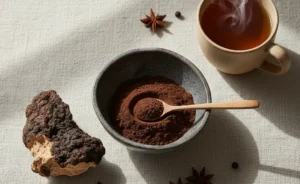
While whole maitake mushroom powder contains a variety of nutrients, including vitamins, minerals, fiber, and various polysaccharides, D-Fraction represents a concentrated and specific extract of the mushroom’s most studied active compounds. Whole mushroom powder provides a broader spectrum of the mushroom’s natural constituents, which can offer general nutritional and health support. Other forms, such as maitake mushroom tea, also offer a way to consume the mushroom, though typically in a less concentrated form than D-Fraction. However, D-Fraction focuses on a particular proteoglycan, which is often standardized to ensure a consistent level of its key active components. This difference means that D-Fraction typically offers a higher concentration of the specific beta-glucans and proteoglycans associated with certain wellness benefits, allowing for more targeted support than general whole mushroom consumption.
The Science Behind Maitake’s Active Components
The scientific interest in maitake mushroom, or Grifola frondosa, largely centers on its diverse array of active components. Among these, polysaccharides, particularly beta-glucans, are considered the primary contributors to the mushroom’s studied health benefits. These complex carbohydrate structures are known for their ability to interact with various systems within the body. Beyond beta-glucans, maitake also contains proteoglycans, which are molecules consisting of a protein core with one or more covalently attached glycosaminoglycan chains. These unique structures work in concert, forming a complex biological profile that contributes to the mushroom’s overall effects.
Understanding Proteoglucan Structures
Proteoglucans are fascinating macromolecules composed of a protein core to which one or more polysaccharide chains, specifically glycosaminoglycans, are covalently attached. In the context of maitake, the proteoglycan structures are particularly significant because they integrate both the protein and carbohydrate elements that are believed to contribute to the mushroom’s beneficial actions. These structures are not merely passive components but are thought to play an active role in cellular communication and various physiological processes. The unique branching patterns and linkages of these proteoglucans are areas of ongoing research, as scientists aim to fully understand how these complex molecules exert their effects within the body.
How Maitake D-Fraction Works
The proposed mechanisms by which maitake mushroom d fraction exerts its effects are primarily centered on its interaction with the body’s natural defense systems. The specific beta-glucan proteoglycan found in D-Fraction is believed to act as an immunomodulator, meaning it may help to balance and support immune function rather than simply stimulating it. These active compounds are thought to interact with various immune cells, such as macrophages, NK cells (natural killer cells), and T-cells, potentially helping to optimize their responses. This cellular interaction is a key aspect of how maitake D-Fraction contributes to general wellness and cellular health support.
The Role of Beta-Glucans in D-Fraction
Beta-glucans are naturally occurring polysaccharides found in the cell walls of fungi, yeast, and certain grains. In maitake D-Fraction, these beta-glucans, particularly those with a beta-1,6-glucan backbone and beta-1,3-branches, are considered the most significant active components. When ingested, these complex carbohydrates are not readily digested by human enzymes, allowing them to reach and interact with specialized receptors on immune cells located in the gut-associated lymphoid tissue. This interaction is thought to initiate a cascade of cellular responses, potentially enhancing the body’s natural immune support mechanisms. The unique structural characteristics of maitake’s beta-glucans are what distinguish their potential effects from those found in other sources, such as Turkey Tail mushroom or Shiitake mushroom.
Benefits of Maitake D-Fraction

Maitake D-Fraction has been explored for a range of potential health benefits, largely attributed to its unique composition of polysaccharides and proteoglycans. One of the most significant areas of research involves its capacity for immune support. By interacting with various components of the immune system, maitake mushroom d fraction is thought to contribute to the body’s natural defense capabilities. Beyond this, studies have also investigated its potential role in supporting cellular health, which is a broad term encompassing the healthy function and integrity of cells throughout the body. As an adaptogen, maitake may also help the body adapt to various forms of stress, promoting overall balance and resilience. Its antioxidant properties further contribute to general wellness by helping to protect cells from oxidative stress. While extracts are potent, many people also explore the maitake mushroom tea benefits for a more traditional approach to wellness.
Choosing a Quality Maitake D-Fraction Supplement
Selecting a high-quality maitake mushroom supplement is crucial to ensure you are receiving the intended benefits. The effectiveness of a dietary supplement often hinges on its purity, potency, and bioavailability. Consumers should look for products that clearly state the concentration of active compounds, particularly beta-glucans, as a standardized extract provides a consistent and reliable amount of these beneficial components. The extraction method used can also significantly impact the quality of the final product, with advanced techniques often yielding a more potent and pure extract. Whether choosing capsules, liquid extract, or a tincture, understanding these factors helps in making an informed decision about your maitake D-Fraction supplement.
Signs of a High-Quality Extract
Identifying a high-quality maitake D-Fraction extract involves looking for several key indicators on the product label and through third-party information. Firstly, a reputable supplement will often specify the percentage of beta-glucans or other key active compounds it contains, indicating a standardized extract. Secondly, transparency regarding the source of the mushroom (e.g., fruiting body vs. mycelium) and the extraction method (e.g., hot water extraction) can be important. Thirdly, third-party testing and certifications from independent laboratories provide an unbiased verification of purity, potency, and the absence of contaminants. This external validation assures consumers that the product meets stringent quality standards. Finally, a clear ingredients list, avoiding unnecessary fillers or artificial additives, is another sign of a well-formulated and conscientious dietary supplement.
How to Use Maitake D-Fraction Effectively
To maximize the potential benefits of maitake mushroom d fraction, it is generally recommended to consider best practices for absorption and consistency. While specific intake levels are not provided here due to YMYL restrictions, understanding general guidelines for integrating supplements into a daily regimen can be beneficial. It is often suggested that consistency is key for many dietary supplements, allowing the body to continuously interact with the active compounds. Some individuals may find it helpful to take supplements with food to enhance absorption, though this can vary depending on the specific product formulation. Always adhere to the general recommendations provided by the supplement manufacturer for optimal effectiveness.
Incorporating D-Fraction into a Daily Routine
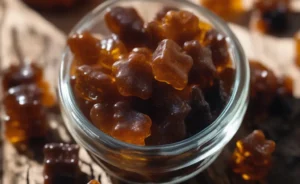
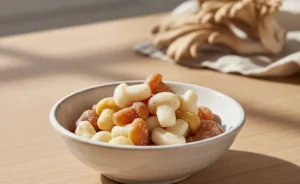
Integrating maitake D-Fraction into a daily routine can be straightforward. The most common forms, capsules and liquid extracts, offer flexibility in consumption. Capsules can be taken with water, typically at a consistent time each day to establish a routine. Liquid extracts, on the other hand, can be mixed into water, juice, or smoothies, providing an alternative for those who prefer not to swallow capsules. Similarly, maitake mushroom gummies provide another easy and enjoyable way to incorporate this supplement. Establishing a regular schedule for intake may help the body maintain consistent levels of the active compounds. As with any dietary supplement, patience and consistency are often important when observing potential effects as part of a comprehensive wellness strategy.
Safety and Potential Side Effects
Maitake mushroom extract is generally considered to have a favorable safety profile when used appropriately. However, as with any dietary supplement, individual responses can vary, and it is always prudent to consider potential interactions or specific health conditions. It’s important to note that dietary supplements are regulated by bodies like the FDA, but they are not approved in the same way as prescription drugs. Some individuals may wonder if maitake mushroom is a blood thinner; while some research explores its potential effects, this should always be discussed with a healthcare professional, especially if one is on anticoagulant medication. Concerns such as “does maitake mushroom increase estrogen?” or “maitake mushroom liver damage” are areas that individuals with specific health conditions or those undergoing treatments may want to discuss with a doctor. While maitake is generally well-tolerated, rare instances of mild digestive upset or allergic reactions may occur. For those with compromised immune systems, autoimmune conditions, or who are pregnant or breastfeeding, consulting a healthcare professional is advisable. It is not generally suggested that one can eat “too much maitake” in its natural food form, but concentrated extracts require adherence to manufacturer guidelines.
Historical and Cultural Significance of Maitake

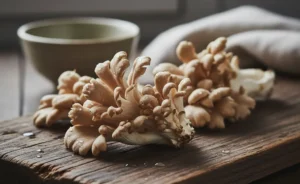
The maitake mushroom, known scientifically as Grifola frondosa, holds a rich tapestry of historical and cultural significance, particularly in East Asian traditions. Revered for centuries, its name “maitake” translates from Japanese as “dancing mushroom,” a moniker believed to stem from people dancing with joy upon finding this elusive and highly prized fungus in the wild. Its large, ruffled clusters, resembling a hen’s tail feathers, also earned it the common name “Hen of the Woods” in Western cultures. Historically, it was not only valued for its culinary attributes but also recognized for its use in traditional wellness practices. This dual appreciation as both a food source and a revered entity in traditional medicine underscores its deep cultural roots.
Historical Context and Discovery
The discovery and integration of maitake into traditional practices date back thousands of years. Ancient texts and folklore from China and Japan describe the mushroom’s esteemed status, often associating it with longevity and vitality. It was traditionally gathered from the wild, growing at the base of oak trees, and its rarity added to its mystique and value. Over time, traditional practitioners observed and documented its potential effects, passing down knowledge through generations. This long history of use predates modern scientific inquiry, yet it laid the foundation for contemporary research into the mushroom’s active compounds and their specific properties, including the understanding of maitake mushroom d fraction.
The maitake mushroom and its powerful D-Fraction extract represent a fascinating intersection of traditional wisdom and modern scientific exploration. From its historical reverence as the “dancing mushroom” to the precise isolation of its beneficial beta-glucans and proteoglycans, maitake continues to be a subject of significant interest in the pursuit of cellular health and immune support. Understanding the distinction between the whole mushroom and a concentrated maitake mushroom d fraction supplement is key for individuals seeking to incorporate this remarkable fungus into their wellness strategies, always prioritizing quality and informed choices.
This information should be viewed as educational rather than medical advice. It is not intended to diagnose, treat, cure, or prevent any disease or health condition. Always consult with a qualified healthcare professional before making any decisions about your health, especially if you have pre-existing medical conditions or are taking other medications. Individual results from dietary supplements may vary, and the information provided does not guarantee specific outcomes.
FAQ
— What is maitake D-Fraction good for?
Maitake D-Fraction is a unique proteoglycan compound that has been studied extensively for its role in supporting the immune system. It functions by interacting with key immune cells, such as macrophages, T-cells, and natural killer cells. This interaction helps to modulate and activate the body’s natural defense mechanisms.
— What is the difference between maitake and maitake D-Fraction?
Maitake refers to the whole mushroom, which contains a broad spectrum of nutrients and bioactive compounds. D-Fraction, in contrast, is a specific, purified extract isolated from the maitake mushroom’s fruiting body. This precise extraction process concentrates the potent proteoglycan that is responsible for much of the mushroom’s recognized immune-supporting activity.
— Is maitake D-Fraction a type of beta-glucan?
D-Fraction is more accurately described as a proteoglycan, which is a complex where beta-glucan molecules are bound to proteins. While beta-glucans form the core structure, this specific protein-bound configuration is what defines D-Fraction. This unique molecular arrangement is linked to its notable bioavailability and interaction with immune cells.
— How is D-Fraction extracted from the maitake mushroom?
The process begins with hot water extraction, which effectively breaks down the mushroom’s tough chitin cell walls to release its water-soluble compounds. This initial liquid extract then undergoes further scientific fractionation and purification. These subsequent steps isolate and concentrate the specific proteoglycan complex known as D-Fraction.
— Can you get D-Fraction from simply eating maitake mushrooms?
While eating maitake mushrooms provides a range of beneficial compounds, the concentration of D-Fraction is significantly lower than in a purified extract. A controlled extraction process is required to obtain the standardized, potent form of the maitake mushroom d fraction. Simply cooking and eating the mushroom does not yield the same concentrated levels of this specific proteoglycan.
— Where does the name ‘D-Fraction’ originate?
The name originates from the laboratory fractionation process used by the Japanese scientists who first isolated the compound. They separated the mushroom’s water extract into different molecular parts, labeling them alphabetically as Fraction A, B, C, and so on. The fourth fraction, labeled ‘D’, demonstrated the most significant immune-activating properties in their research.