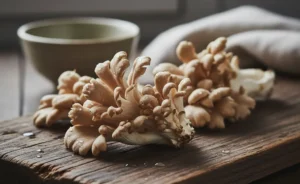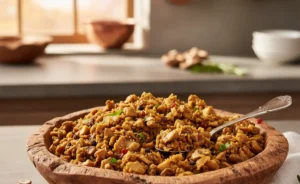

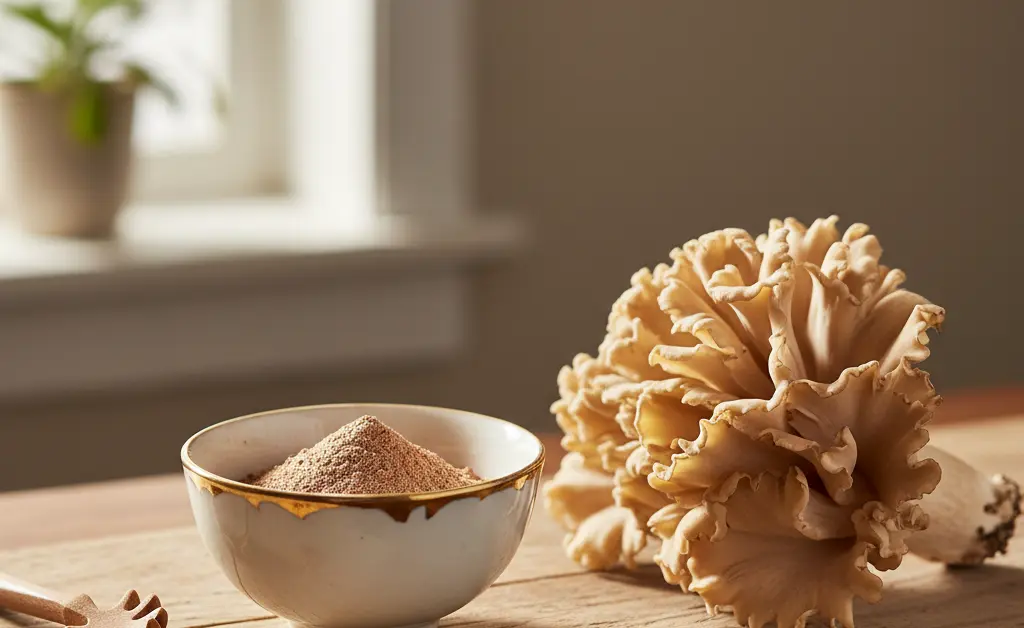
Maitake mushrooms are celebrated for their distinctive earthy flavor and their rich profile of beneficial compounds, making them a valued ingredient in both culinary and wellness circles. Historically revered in East Asian traditions, these fungi are often referred to as “dancing mushrooms” due to their unique, frilly appearance. In modern kitchens and health-conscious lifestyles, the convenience and versatility of maitake mushroom powder have made it an increasingly popular choice. This powdered form allows for easy integration into a variety of dishes and beverages, offering a concentrated way to enjoy its unique characteristics and support overall well-being. Understanding its origins, production, and proper application is key to fully harnessing its potential.
Understanding Maitake Mushroom Powder
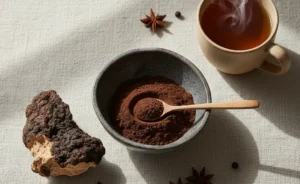
Maitake mushroom powder is derived from the dried fruiting bodies of the Grifola frondosa fungus, commonly known as Maitake or Hen of the Woods. This form offers a concentrated way to consume the mushroom, making its unique properties more accessible. The process typically involves carefully selecting, cleaning, drying, and then finely milling the mushrooms into a consistent powder. This transformation preserves the mushroom’s inherent nutritional value and its distinct savory taste, making it suitable for a wide range of applications. Many seek out maitake mushroom powder as a dietary supplement, valued for its potential to support overall vitality.
Exploring the General Properties of Maitake
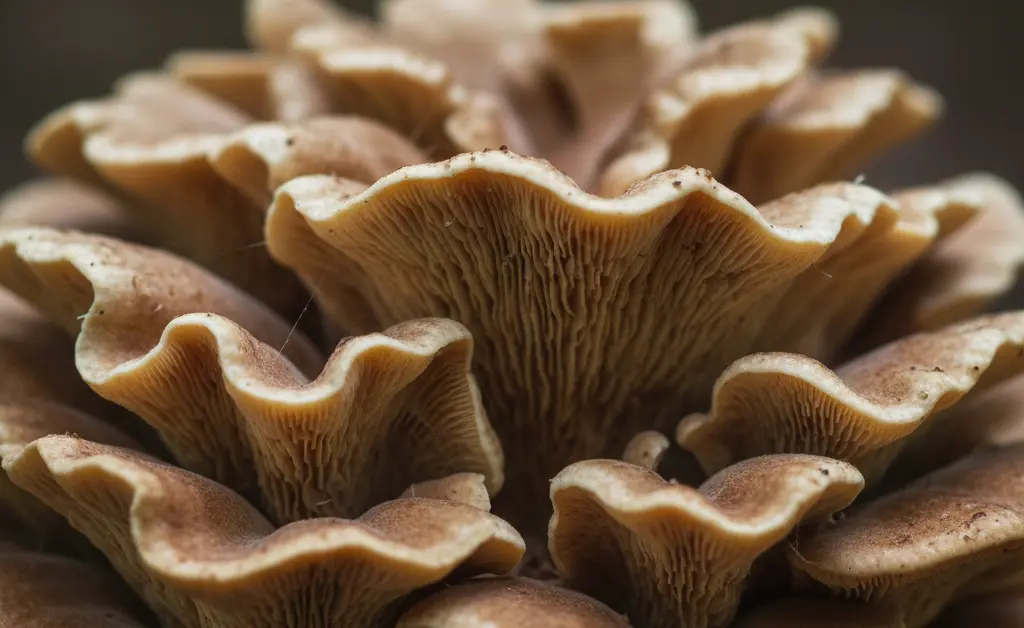
Maitake mushrooms are recognized as functional mushrooms, often studied for their rich composition. They contain various compounds, including polysaccharides, particularly beta-glucans, which are often a focus of scientific research. Beyond these specific compounds, Maitake also offers a range of vitamins and minerals, such as B vitamins, potassium, and vitamin D, contributing to its overall nutritional value. According to the CDC, vitamins like Vitamin D play a crucial role in bone health. These properties collectively position Maitake as a notable ingredient in the realm of wellness, alongside other functional mushrooms like Shiitake mushroom powder and Chaga mushroom powder, all valued for their complex profiles.
Maitake Powder in Historical and Traditional Contexts
In traditional medicine systems, especially in East Asia, Maitake mushrooms have been revered for centuries. They were often considered a precious and potent ingredient, used in various preparations aimed at promoting balance and well-being. Historical texts suggest their use was associated with supporting different bodily functions and overall vitality. The name “Maitake,” meaning “dancing mushroom” in Japanese, is said to come from people dancing with joy upon finding these valuable fungi in the wild. This rich historical and traditional background underpins the modern interest in Maitake mushroom uses, now often consumed as a convenient powder, with many exploring the potential maitake mushroom supplement benefits.
From Forest to Powder: The Production Process
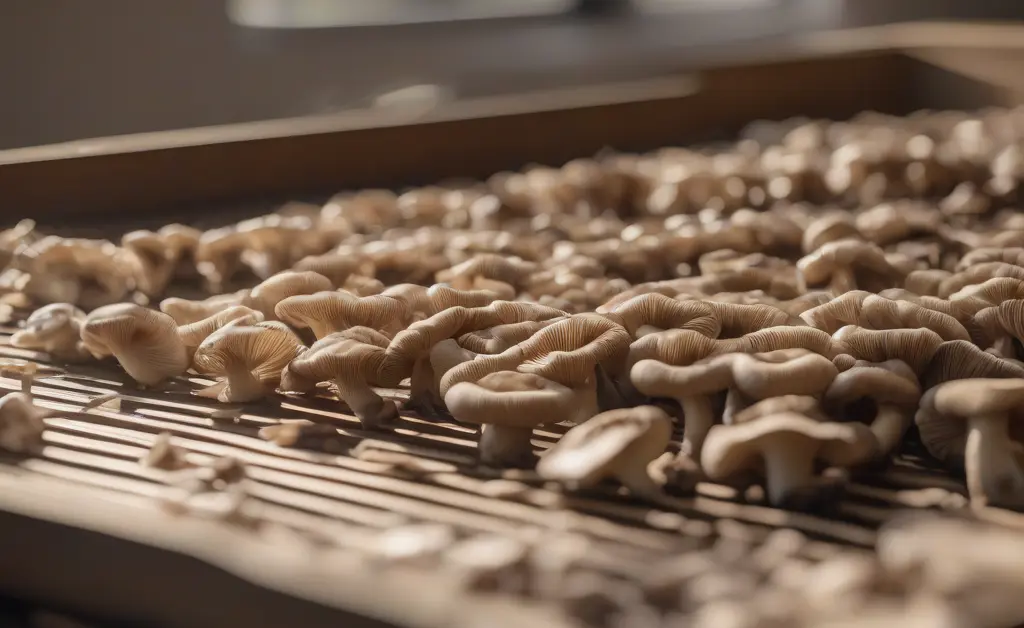
The journey of Maitake from its natural habitat to the fine powder found in kitchens and health stores is a meticulous process designed to maintain its beneficial compounds. It begins with the careful harvesting of mature Maitake mushrooms, whether wild-foraged or cultivated. Once harvested, the mushrooms undergo a thorough cleaning to remove any debris. The critical next steps involve drying and milling, which are essential for creating a high-quality maitake mushroom powder.
The Drying and Milling Process
After cleaning, the Maitake mushrooms are typically sliced and then dried. This drying process is crucial for removing moisture, which prevents spoilage and concentrates the mushroom’s flavors and nutrients. Various drying methods can be employed, including air-drying, freeze-drying, or low-heat dehydration, each impacting the final product’s characteristics. Once thoroughly dried, the brittle mushroom pieces are then milled into a fine powder. This grinding process is carefully controlled to achieve a consistent texture, making the dried Maitake powder easy to blend into liquids and incorporate into recipes. Some processes may also involve hot water extraction or dual extraction to create a concentrated maitake mushroom extract powder before final drying and milling. Understanding the maitake mushroom extract benefits can help in choosing the right type of product for one’s needs.
Flavor Profile and Taste of Maitake Mushroom Powder
Maitake mushroom powder is celebrated for its distinctive flavor, which is a key reason for its popularity in culinary applications. It imparts a deep, earthy flavor with prominent umami notes, adding a savory taste that can enrich a wide array of dishes. This complexity makes it a versatile flavor booster, capable of enhancing the overall taste experience of meals without overwhelming other ingredients. The richness of its flavor is often described as robust and satisfying, making it a valuable addition for those seeking to introduce depth to their cooking.
Comparing the Flavor of Fresh vs. Powdered Maitake
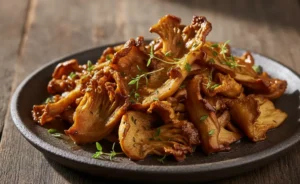
While fresh Maitake mushrooms offer a delicate, slightly peppery, and intensely earthy flavor with a meaty texture, the powdered form presents a more concentrated and intensified version of these characteristics. The drying process enhances the umami compounds, leading to a richer, more profound savory taste in the powder. The subtle nuances of fresh Maitake might be somewhat transformed, but the core earthy flavor and depth of umami are amplified. This makes maitake mushroom powder an excellent substitute when fresh mushrooms are not available, or when a more potent flavor impact is desired without adding significant bulk or moisture to a dish.
Culinary Uses and How to Incorporate Maitake Mushroom Powder
The versatility of maitake mushroom powder makes it a prized ingredient for enhancing both the flavor and potential nutritional value of everyday meals. Its rich umami and earthy flavor can transform simple dishes into gourmet experiences. Whether you’re a seasoned chef or a home cook, there are numerous culinary uses for this functional mushroom powder.
Enhancing Soups, Gravies, and Sauces
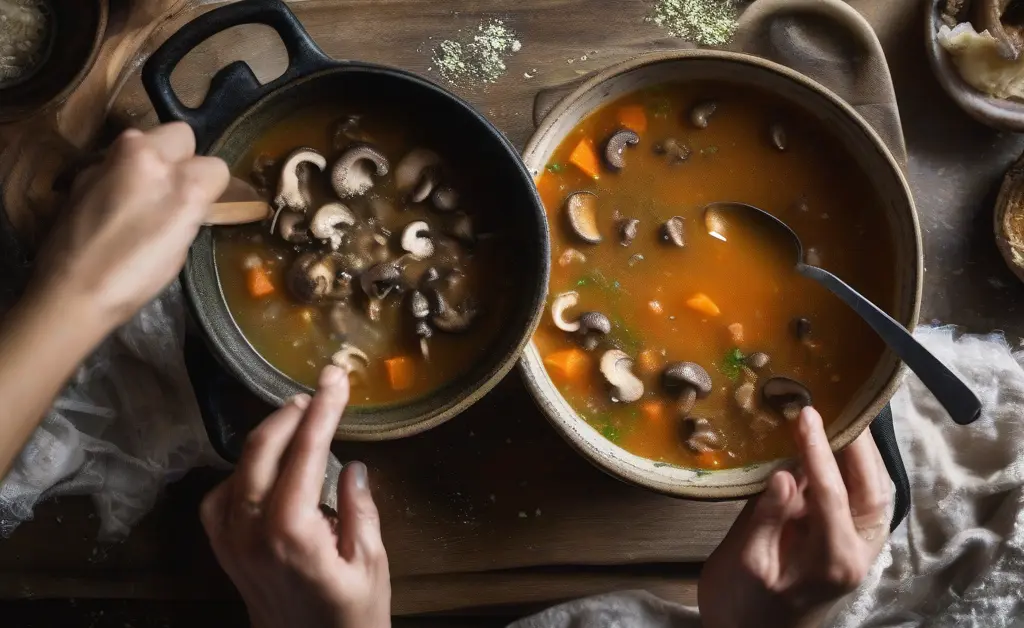
One of the most popular ways to use maitake mushroom powder is to deepen the flavor profile of liquid-based dishes. A small amount can be whisked into broths, soups, and stews to add a robust, savory undertone. For gravies and sauces, it acts as a natural flavor booster, imparting a complexity reminiscent of slow-cooked reductions. It blends seamlessly, contributing body and an earthy richness without altering the texture significantly. This makes it an ideal ingredient for vegetarian or vegan dishes seeking a meaty depth of flavor.
Blending into Smoothies and Hot Beverages
For those looking to easily integrate Maitake into their daily routine, adding the powder to smoothies and hot beverages is an excellent option. Its mild earthy flavor, when combined with fruits, vegetables, or other ingredients in a smoothie, tends to be well-masked, allowing for easy consumption. Similarly, it can be stirred into teas, coffee, or warm milk to create a comforting and potentially beneficial drink. Besides powders, some people also explore options like a maitake mushroom tincture for similar convenience. This method is particularly convenient for incorporating a functional mushroom into a healthy lifestyle.
Using as a Seasoning or Spice Rub
Maitake mushroom powder can also be used creatively as a seasoning or spice rub for various proteins and vegetables. Its savory taste pairs well with roasted meats, poultry, and even tofu or tempeh. Sprinkled over roasted vegetables, it adds an extra layer of umami. When blended with other spices, it can form a unique dry rub that infuses food with an earthy richness during cooking. This application allows cooks to experiment with new flavor complexities in their favorite recipes.
Buying, Selecting, and Storing Quality Maitake Mushroom Powder
To fully benefit from the properties of Maitake, it is essential to choose a high-quality product. The market offers various options, and understanding what to look for can significantly impact your experience with maitake mushroom powder.
The Importance of Organic Certification
Opting for organic maitake mushroom powder is a significant consideration for many consumers. Organic certification indicates that the mushrooms were grown and processed without synthetic pesticides, herbicides, or genetically modified organisms. This commitment to organic practices can reassure buyers about the purity of the product and its environmental impact. An organic Maitake powder often implies a higher standard of cultivation and handling, contributing to a cleaner final product.
Evaluating Sourcing and Purity Standards
When selecting maitake mushroom powder, investigating the sourcing and purity standards of the product is crucial. Reputable brands often provide information about where their mushrooms are grown (e.g., wild-harvested or cultivated farms), and their processing methods. Products that undergo third-party testing for heavy metals, contaminants, and active compounds like beta-glucans can offer greater assurance of purity and quality. Transparent sourcing helps confirm you are receiving a genuine and potent maitake mushroom supplement.
Reading the Product Label Effectively
A product label is a key source of information. Look for clear indications of the ingredients – ideally, 100% pure maitake mushroom powder with no fillers or additives. Check for the part of the mushroom used (fruiting body or mycelium), as the fruiting body is generally considered to contain a higher concentration of beneficial compounds. The label should also provide a recommended serving size and any specific instructions for use, ensuring you understand exactly what you are consuming.
Proper Storage Techniques for Longevity
To maintain the potency and flavor of your maitake mushroom powder, proper storage is vital. It should be kept in an airtight container, away from direct sunlight, heat, and moisture. A cool, dark pantry is typically an ideal location. Exposure to air, light, and humidity can degrade the powder’s quality over time, affecting its taste and the integrity of its compounds. Following these storage guidelines will help ensure the longevity and effectiveness of your dried Maitake powder.
General Safety Considerations for Culinary Use
When incorporating maitake mushroom powder into culinary preparations, it is generally considered safe for most people. However, like any food or dietary supplement, individual responses can vary. Some individuals might experience mild digestive upset or allergic reactions, especially if they have sensitivities to other fungi. It is always prudent to start with a small amount to assess tolerance. If you have underlying health conditions, are taking medications, or are pregnant or breastfeeding, consulting with a healthcare professional before making significant changes to your diet or supplement regimen is advisable. While studies on Maitake mushroom benefits suggest potential positive impacts, awareness of Maitake mushroom side effects and Maitake mushroom risks is important for informed consumption.
Maitake mushroom powder offers a versatile and convenient way to incorporate the unique characteristics of Maitake into daily routines. Its rich flavor and potential health-supporting properties make it a valuable addition to both culinary creations and wellness practices. By understanding its origins, discerning quality products, and integrating it mindfully, individuals can explore the full spectrum of benefits this functional mushroom provides.
This information is provided for educational purposes only. It is not intended to be a substitute for professional medical advice, diagnosis, or treatment. Always seek the advice of your physician or other qualified health provider with any questions you may have regarding a medical condition. Never disregard professional medical advice or delay in seeking it because of something you have read here. Reliance on any information provided in this content is solely at your own risk.
FAQ
— What does maitake mushroom powder taste like?
Maitake has a rich, earthy, and savory flavor profile with distinct umami notes. Some people also detect a subtle peppery or slightly bitter undertone. Its taste is complex and adds depth to many dishes.
— What are some common ways to use maitake powder in cooking?
This powder is a versatile culinary ingredient that can be incorporated into soups, broths, and stews to deepen their savory character. It also works well as a seasoning for roasted vegetables or blended into sauces and gravies.
— Can maitake mushroom powder be added to smoothies or coffee?
Yes, it can be blended into both hot and cold beverages. In coffee, it contributes an earthy depth that complements the bitterness, while in smoothies, its savory notes can be balanced with other ingredients.
— What factors are important when buying maitake mushroom powder?
When selecting a maitake mushroom powder, consider factors like whether it is made from the fruiting body or mycelium, as they contain different compound profiles. The mushroom’s origin and cultivation methods are also relevant to the final product’s quality. Sourcing from reputable suppliers ensures transparency regarding purity and processing.
— How should I store maitake mushroom powder to keep it fresh?
To preserve its quality and prevent clumping, store the powder in a sealed, airtight container. Keep it in a cool, dark, and dry place away from direct sunlight and moisture. This environment helps protect the integrity of its natural compounds.
— Is maitake mushroom powder the same as a maitake extract?
These two forms are distinctly different in their composition and production. A powder is the whole, dried mushroom simply ground into a fine consistency. In contrast, an extract undergoes a process to concentrate specific active compounds from the mushroom, resulting in a more potent product.
— What color should high-quality maitake mushroom powder be?
The color typically ranges from a light tan to a brownish-gray hue. This variation can depend on factors like the specific part of the mushroom used and the drying and milling processes. A consistent, natural color without signs of discoloration is a good indicator of quality.
— Can you cook with maitake mushroom powder?
Absolutely, it is an excellent ingredient for culinary use due to its robust flavor. Its fine texture allows it to dissolve easily into liquids or blend seamlessly into spice rubs and seasonings. This makes it a simple way to add savory complexity to a wide variety of meals.