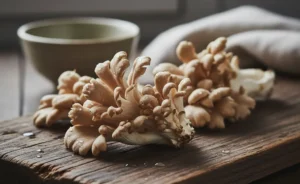
Many of us, myself included, have enthusiastically explored the world of functional mushrooms, often starting with delicious culinary experiences or incorporating them into our wellness routines. I recall the earthy aroma of maitake simmering in a broth, or the subtle boost I felt after adding a concentrated extract to my morning smoothie. These experiences often highlight the beneficial aspects of such natural supplements. However, as with any potent natural ingredient, it’s equally crucial to approach their use with informed caution. This guide aims to thoroughly explore the potential maitake mushroom extract side effects, ensuring users can make well-informed decisions regarding its integration into their health regimen, balancing its acclaimed benefits with a clear understanding of its possible drawbacks.
Common Side Effects of Maitake Mushroom Extract
Overall Safety Profile of Maitake
Maitake (Grifola frondosa) has a long history of traditional use in culinary and wellness practices, often regarded as generally safe for consumption. Most individuals tolerate maitake mushroom extract well, with adverse reactions typically being mild and infrequent. However, like any dietary supplement, individual responses can vary. Understanding the typical maitake mushroom extract side effects is essential for safe integration into a wellness routine, especially when considering a daily maitake mushroom supplement.
Allergic Reactions to Maitake
While uncommon, some individuals may experience an allergic response to maitake mushroom extract. Symptoms of an allergic reaction might include skin rashes, itching, hives, or, in rare cases, more severe manifestations like swelling or difficulty breathing. Those with known allergies to other mushrooms or fungi should exercise particular caution and consult a healthcare provider before using maitake.
Digestive System Upset
One of the more frequently reported maitake mushroom extract side effects involves the digestive system. Some people may experience mild digestive issues such as nausea, stomach discomfort, diarrhea, or loose stools, especially when first introducing the extract or taking higher amounts. The method of consumption, such as in a maitake mushroom coffee blend, might also influence digestive tolerance. Starting with a smaller quantity and gradually increasing it may help the body adjust and mitigate these effects.
Maitake’s Impact on Blood Pressure
Maitake mushroom has been studied for its potential effects on various bodily systems, including circulation. It may have an impact on blood pressure levels. For individuals already taking medication to manage blood pressure, combining it with maitake extract could potentially lead to an excessive drop in blood pressure, known as hypotension. Monitoring blood pressure closely is advisable for anyone using maitake extract, particularly if they have pre-existing cardiovascular concerns.
Potential Hormonal Imbalance
Research into maitake’s direct influence on human hormonal balance is still developing. While maitake mushroom benefits for women may include support for overall wellness, the extent to which it might significantly alter hormone levels is not fully understood. Individuals with hormone-sensitive conditions or those undergoing hormone therapy should approach maitake extract with caution and discuss its use with their healthcare professional.
Concerns for Liver Health
Generally, maitake is not widely associated with severe liver toxicity. However, like any supplement metabolized by the liver, there is always a theoretical concern, particularly for individuals with pre-existing liver conditions or those taking multiple medications that impact liver function. Routine monitoring of liver function tests may be prudent for individuals with underlying liver issues or those considering long-term use of maitake extract.
Specific Warnings and Precautions for Maitake Use

Use During Pregnancy and Breastfeeding
Due to a lack of sufficient research on the safety of maitake mushroom extract during pregnancy and breastfeeding, it is generally recommended that these populations avoid its use. The potential maitake mushroom extract side effects on a developing fetus or nursing infant are not well-established, making caution the most prudent approach. Global health bodies like the WHO often provide guidelines on supplement use for at-risk populations. Always consult a healthcare provider before considering any new supplement while pregnant or nursing.
Considerations for Autoimmune Conditions
Maitake is known for its potential to modulate the immune system. While this may be beneficial for some, individuals with autoimmune disease, such as lupus, rheumatoid arthritis, or multiple sclerosis, should approach maitake with extreme caution. Stimulating the immune system could theoretically exacerbate their condition. A healthcare professional’s guidance is critical to assess the potential risks versus benefits.
Maitake Before Surgery
Given maitake’s potential to affect blood clotting and blood sugar levels, it is crucial to discontinue maitake mushroom extract use at least two weeks before any scheduled surgery. This precaution helps to minimize the risk of excessive bleeding during or after the procedure, as well as to prevent complications related to blood sugar regulation under anesthesia. Always inform your surgical team about all supplements you are taking.
Effects on Bleeding
One of the significant maitake mushroom extract side effects to be aware of is its potential influence on blood coagulation. Maitake may possess properties that inhibit platelet aggregation, which could increase the risk of bleeding. This effect is particularly important for individuals with bleeding disorders or those who are already taking anticoagulant or antiplatelet medications. Close monitoring and professional advice are essential.
Potential Interactions of Maitake with Medications
Maitake and Diabetes Drugs
Maitake mushroom extract has been studied for its potential to lower blood sugar levels. While this could be beneficial for some, it poses a risk for individuals taking prescription medications for diabetes. Combining maitake with insulin or oral hypoglycemic agents could lead to dangerously low blood sugar (hypoglycemia). Regular monitoring of blood sugar levels and consultation with a healthcare provider are vital to adjust medication dosages if maitake is used concurrently.
Interactions with Blood Thinners
As previously mentioned, maitake may have anti-platelet effects, which means it could interfere with blood clotting. This can lead to significant interactions with blood thinners (anticoagulants) such as warfarin, aspirin, clopidogrel, or others. The combined effect could increase the risk of bruising and bleeding. Individuals on blood-thinning medication should strictly avoid maitake unless supervised by their doctor, who can monitor for potential maitake mushroom extract side effects related to increased bleeding risk.
Maitake and Immunosuppressants
Maitake mushroom is recognized for its immune-modulating properties, meaning it can influence the activity of the immune system. For individuals taking immunosuppressants (medications designed to suppress the immune response, often after organ transplantation or for autoimmune conditions), maitake could potentially counteract the effects of these drugs. This interaction could compromise the efficacy of the immunosuppressive therapy, making consultation with a specialist imperative.
Other Potential Drug Interactions
While diabetes drugs, blood thinners, and immunosuppressants are key areas of concern, other potential drug interactions may exist. Maitake mushroom effects on blood pressure could interact with antihypertensive medications. Its impact on liver enzymes might affect the metabolism of various drugs. It is always best practice to discuss all current medications and supplements with a healthcare provider before starting maitake mushroom extract to proactively identify and manage any potential drug interactions and minimize maitake mushroom extract side effects.
Who Should Avoid Maitake Mushrooms?

Individuals with Specific Medical Conditions
Certain pre-existing medical conditions may contraindicate the use of maitake mushroom extract. This includes individuals with diagnosed bleeding disorders, uncontrolled diabetes, or conditions requiring consistent blood pressure management. Additionally, those with autoimmune diseases should approach maitake with extreme caution due to its immune-modulating properties. Understanding these contraindications is key to avoiding unnecessary maitake mushroom extract side effects.
At-Risk Populations (e.g., pregnant, nursing)
As noted, pregnant and breastfeeding individuals are advised to avoid maitake extract due to insufficient safety data. Similarly, young children, whose physiological systems are still developing, may also be considered an at-risk population where maitake use should be approached with extreme caution or avoided entirely without medical guidance.
Those Preparing for Surgery
Anyone scheduled for surgery, including dental procedures, should discontinue maitake mushroom extract at least two weeks prior. This is a critical precaution to mitigate the risk of complications such as excessive bleeding or unpredictable blood sugar fluctuations during the surgical period. Always inform your healthcare team about all supplements and herbs you are consuming.
When to Consult a Healthcare Professional About Maitake
Experiencing Adverse Reactions
It is essential to consult a healthcare professional if you experience any concerning or persistent adverse reactions after taking maitake mushroom extract. This includes, but is not limited to, severe digestive upset, signs of an allergic response like rash or difficulty breathing, unusual bleeding or bruising, significant changes in blood sugar or blood pressure readings, or any symptoms that cause discomfort or alarm. Prompt medical advice ensures that any maitake mushroom extract side effects are properly evaluated and managed.
Understanding Quality and Sourcing of Maitake Extracts
The efficacy and safety of maitake mushroom extract can be significantly influenced by its quality and sourcing. Reputable manufacturers typically provide extracts that are standardized for active compounds, ensuring consistency and potency. Choosing products from trusted suppliers that conduct third-party testing for purity, contaminants, and heavy metals is crucial. Understanding the specific maitake mushroom tincture benefits is also dependent on sourcing a high-quality product. High-quality extracts are less likely to contain unwanted impurities that could contribute to adverse reactions, thereby helping to minimize potential maitake mushroom effects and maximize the maitake mushroom benefits.
In conclusion, while maitake mushroom extract offers a range of potential health benefits, it is crucial to be aware of its potential side effects and interactions. Informed decision-making, especially when dealing with potent dietary supplements, involves carefully weighing these factors. Always prioritize consulting with a healthcare professional before incorporating maitake mushroom extract into your routine, particularly if you have underlying health conditions, are pregnant or breastfeeding, or are taking prescription medications. This proactive approach helps ensure you can safely explore the benefits while minimizing any maitake mushroom extract side effects.
This content is for informational use and should not be considered medical instruction. It is not intended to provide medical advice, diagnosis, or treatment. Always consult with a qualified healthcare professional before making any decisions about your health, diet, or treatment plans. Individual responses to supplements can vary, and what works for one person may not be suitable for another.
FAQ
— Is it safe to take maitake mushroom daily?
Maitake is a culinary mushroom with a long history of use and is generally well-tolerated by most healthy individuals. As a functional supplement, its consistent daily intake is a common approach in various wellness traditions. Individual responses to any new food or supplement can differ based on unique physiology.
— Who should avoid maitake mushrooms?
Individuals with known mushroom allergies should avoid maitake. People with certain autoimmune conditions or bleeding disorders often exercise caution with new supplements that can influence immune or circulatory system functions. Consulting with a healthcare professional provides personalized guidance based on one’s health history.
— Can maitake mushrooms cause allergic reactions?
Like any food, maitake can trigger allergic reactions in sensitive individuals, although this is uncommon. Reactions can manifest as skin irritation, digestive upset, or respiratory symptoms. Understanding potential maitake mushroom extract side effects like allergic responses is important when introducing any new food or supplement.
— Does maitake interact with prescription medications?
Maitake contains compounds that are relevant to blood glucose and immune system regulation. Because of this, it has the potential to interact with medications for diabetes or blood-thinning agents. This is why discussing supplement use with a pharmacist or doctor is a crucial step for those on prescription drugs.
— Why is it recommended to stop maitake before surgery?
Some of maitake’s bioactive compounds are linked to effects on blood clotting and blood pressure. To prevent any potential complications with anesthesia or bleeding during and after a procedure, it is a standard precaution to discontinue many supplements prior to surgery. This helps ensure a predictable and stable physiological environment for the surgical team.
— Can maitake mushrooms impact blood sugar levels?
Maitake contains specific polysaccharides, such as beta-glucans, that have been studied for their role in supporting insulin sensitivity and glucose metabolism. These compounds are relevant to how the body processes and regulates blood sugar. Therefore, maitake’s influence on glycemic control is a significant area of scientific interest.
— What is the difference between eating maitake mushrooms and taking an extract?
Eating whole maitake provides dietary fiber, vitamins, and minerals alongside its active compounds. An extract is a concentrated preparation designed to isolate and deliver a higher potency of specific bioactive components, such as beta-glucans. This concentration allows for a more targeted functional effect than what is typically achieved through culinary use alone.
— How are maitake mushroom extracts typically prepared?
Extracts are commonly made using hot water, alcohol, or a combination of both in a process called dual extraction. The tough cell walls of mushrooms are made of chitin, which is indigestible to humans. These extraction methods break down the chitin, making the valuable bioactive compounds like polysaccharides and triterpenes bioavailable for the body to absorb.