
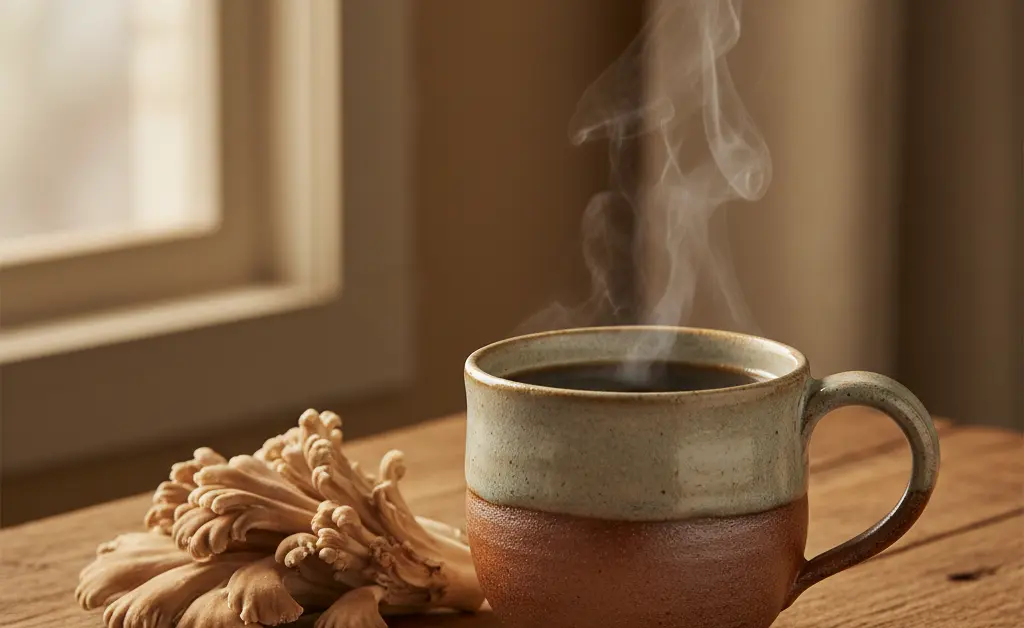
Imagine a morning ritual that blends the familiar comfort of your daily brew with the earthy wisdom of nature’s remedies. This is the essence of maitake mushroom coffee, a distinctive beverage designed to offer more than just a caffeine boost. It combines the rich, robust flavor of coffee beans with the nuanced, beneficial compounds extracted from the maitake mushroom, celebrated for its adaptogenic qualities and support for overall well-being. This unique fusion presents an intriguing option for those seeking to integrate functional ingredients into their diet without compromising taste or convenience. As interest in holistic health grows, understanding what makes this beverage special, from its ingredients and preparation to its potential benefits and considerations, becomes increasingly relevant for health-conscious consumers.
What is Maitake Mushroom Coffee?
The Key Ingredients: Maitake Extract and Coffee Beans
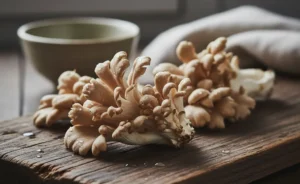
Maitake mushroom coffee is primarily a fusion of high-quality coffee and concentrated maitake mushroom extract. The maitake mushroom, scientifically known as Grifola frondosa and often called “hen of the woods,” is renowned for its unique compounds. The extract is typically derived from the fruiting body of the mushroom, which is rich in beneficial polysaccharides like beta-glucans. These compounds are often obtained through a dual extraction process, ensuring a full spectrum of the mushroom’s active components. The coffee component usually comes from premium beans, such as Arabica or Robusta, carefully selected for their flavor profile and compatibility with the earthy notes of the maitake.
How Maitake Coffee is Made
The creation of maitake coffee involves a careful process to blend the distinct characteristics of both main ingredients. High-quality coffee beans are roasted and then either ground or prepared for instant formats. Separately, the maitake mushrooms undergo an extraction process, often a dual extraction, to concentrate their beneficial compounds into a potent extract. This extract is then meticulously combined with the coffee. A similar extraction method is used to create a maitake mushroom tincture, another popular way to consume the mushroom’s compounds. The goal is to achieve a harmonious balance where the mushroom’s properties are present without overpowering the familiar taste and aroma of the coffee, resulting in a ready-to-brew blend.
Understanding the Flavor Profile
The flavor profile of maitake mushroom coffee is a sophisticated interplay between the robust notes of coffee and the subtle earthiness of the maitake mushroom. Unlike some other functional mushrooms, maitake tends to have a milder, more savory umami flavor rather than an overtly mushroomy taste, which makes it particularly well-suited for blending with coffee. When brewed, consumers can expect a rich, full-bodied cup with a distinct aroma. The adaptogenic mushroom blend adds a layer of depth, often described as slightly woody or nutty, enhancing the overall complexity without detracting from the coffee experience. The resulting taste is often smoother, with a potentially reduced acidity compared to regular coffee.
Maitake Mushroom Coffee: Benefits and Health Support

Integrating maitake mushroom coffee into a daily routine offers a unique approach to supporting overall well-being. Maitake mushrooms have been traditionally valued for their potential contributions to health, particularly in the realm of immune support. The specific compounds found within maitake, such as beta-glucans, are studied for their potential to help modulate the body’s natural defenses. Beyond immune considerations, the adaptogenic qualities of maitake may contribute to a sense of balance and daily wellness, helping the body adapt to various stressors. This blend provides a way to incorporate these mushroom coffee benefits into a convenient and enjoyable format, moving beyond a simple caffeine boost to offer a more holistic start to the day. For those who prefer other forms, a maitake mushroom supplement offers a different way to access these benefits.
The Science Behind Maitake Mushroom Coffee
The interest in maitake mushroom coffee is rooted in the extensive research on its key bioactive compounds. Maitake mushrooms are particularly noted for their high concentration of beta-glucans, complex carbohydrates that are primary subjects of scientific inquiry for their potential role in supporting immune health. Additionally, maitake contains antioxidants and other polysaccharides, contributing to its overall functional profile. These components are thought to interact with various systems in the body, contributing to its adaptogenic properties and potential to support general physiological balance. Global health bodies like the WHO often report on the broader context of traditional and complementary medicine.
Synergistic Effects of Maitake and Coffee
The combination of maitake and coffee in a single beverage may offer synergistic effects that enhance their individual properties. While coffee provides a well-known stimulant effect and contains antioxidants, maitake contributes its unique compounds, potentially offering a more balanced experience. The adaptogenic nature of maitake may help to smooth the typical caffeine curve, potentially offering a more sustained sense of clarity and focus without the sharp peaks or crashes often associated with conventional coffee. This combination could be seen as a nootropic blend, aiming to support cognitive function while also providing the general daily wellness support of the mushroom.
Potential Risks and Considerations of Maitake Mushroom Coffee
Nutritional Considerations (Calories, etc.)
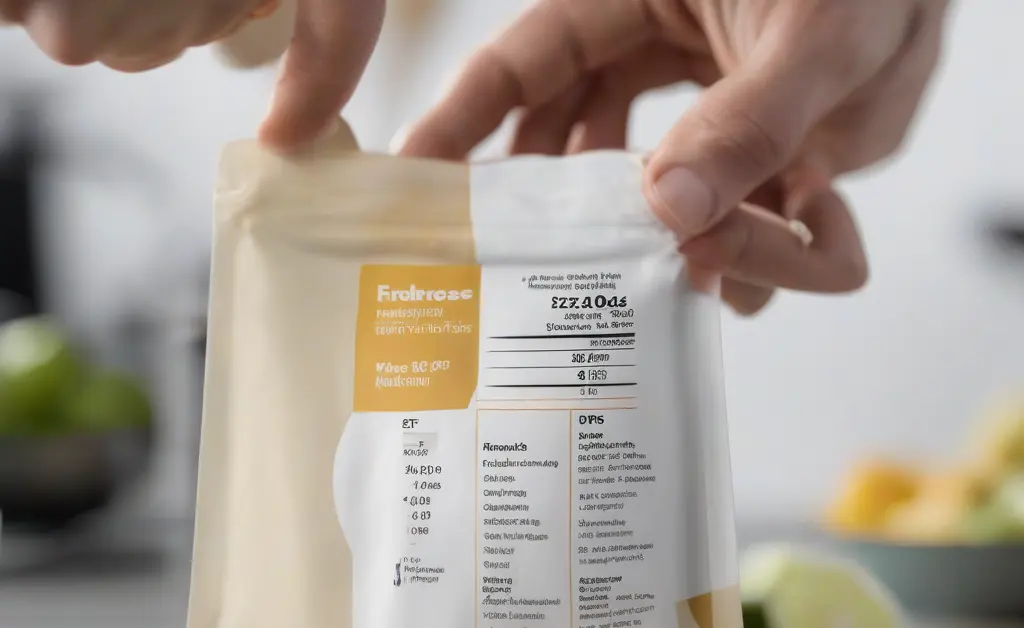
When considering maitake mushroom coffee, it’s worth noting its nutritional profile. Generally, plain maitake coffee, without added sugars, creamers, or flavorings, will have minimal caloric impact, similar to black coffee. The primary nutritional contribution comes from the inherent compounds of the maitake extract and the coffee itself, which include various micronutrients and antioxidants. This makes it a suitable option for various dietary preferences, including a vegan diet, as long as no animal-derived additives are included. Consumers should check product labels for specific nutritional information, especially if flavorings or other ingredients are present.
Caffeine Content in Maitake Coffee
The caffeine content in maitake mushroom coffee is an important consideration for consumers. Since the beverage typically uses regular coffee beans, it will contain caffeine, though the exact amount can vary significantly based on the coffee blend, brewing method, and the serving size. Some brands may specify their caffeine levels, while others maintain a similar profile to standard coffee. For those sensitive to caffeine, it’s important to be mindful that while maitake may influence the overall experience, it does not eliminate the stimulant properties of the coffee component. It’s not a true coffee alternative in terms of caffeine absence unless specifically formulated as a decaffeinated version.
Daily Consumption Guidelines and Potential Side Effects
While maitake mushroom coffee is generally considered safe for most individuals, adhering to daily consumption guidelines and being aware of potential side effects is prudent. Most products will suggest a recommended serving size, often one or two cups per day, but it’s important to understand the overall maitake mushroom dosage you are consuming. As with any functional food, individual responses can vary. Some individuals might experience mild digestive upset, especially when first introducing new ingredients into their diet. Due to the presence of caffeine, typical caffeine-related side effects such as jitters or sleep disturbances could occur if consumed in excess or too close to bedtime. Individuals with specific health conditions or those taking certain medications should consult a healthcare professional before incorporating maitake mushroom coffee into their routine, particularly concerning potential interactions, for example, related to blood sugar management.
Choosing a Quality Maitake Coffee Blend
Selecting a high-quality maitake mushroom coffee is crucial for ensuring both effectiveness and safety. The market for functional mushroom coffee is expanding, making it important to discern reputable brands. Look for products that clearly state the source of their maitake extract, preferably indicating that it comes from the fruiting body and uses a dual extraction method to maximize beneficial compounds. Opting for organic functional mushroom coffee or organic coffee can also provide assurance regarding the purity of ingredients. Pay attention to labels that detail the mushroom concentration and overall transparency from the manufacturer.
Exploring Different Product Formats (Instant, Pods, Ground)
Maitake mushroom coffee is available in several convenient product formats to suit various lifestyles and brewing preferences. Instant coffee options provide quick preparation, ideal for busy mornings or travel, simply requiring hot water. Coffee pods offer single-serve convenience, compatible with popular brewing machines, making cleanup minimal. Ground coffee blends, on the other hand, cater to traditional coffee drinkers who prefer to use their own brewing method, such as a drip machine, French press, or pour-over. Each format offers a slightly different experience in terms of freshness and brewing ritual, allowing consumers to choose what best fits their daily routine. This provides an alternative to other supplement forms, and one can explore the maitake mushroom capsules benefits if coffee is not their preferred method.
Certifications and Label Reading
When choosing maitake mushroom coffee, scrutinizing certifications and carefully reading product labels is paramount. Look for certifications that indicate organic sourcing for both the coffee and the maitake, ensuring fewer pesticides and contaminants. Labels should clearly specify the type of mushroom used, ideally confirming the use of maitake extract from the fruiting body rather than just mycelium, as the fruiting body is generally considered to contain a higher concentration of beneficial compounds like beta-glucans. Transparency in ingredient lists, including the origin of the coffee beans and the extraction method for the maitake, signifies a quality product. Understanding these details empowers consumers to make informed choices about what they are consuming.
The Role of Third-Party Testing in Quality Assurance
Third-party testing plays a vital role in quality assurance for maitake mushroom coffee, providing an unbiased verification of product claims. Reputable brands will often submit their products to independent laboratories for analysis. These tests typically confirm the absence of contaminants like heavy metals, pesticides, and microbial impurities. They can also verify the concentration of active compounds, such as beta-glucans, ensuring the product contains what it claims. Looking for indications of third-party testing on packaging or company websites is a strong indicator of a brand’s commitment to safety, purity, and efficacy.
Preparing and Enjoying Your Maitake Coffee
Preparing and enjoying your maitake mushroom coffee is a straightforward process, much like preparing regular coffee, but with the added dimension of its functional ingredients. Whether you choose an instant powder, a pod, or ground beans, the goal is to extract the rich flavors and beneficial compounds effectively. The ritual of brewing can become a moment of daily wellness, connecting you with the traditional uses and modern benefits of maitake. Experimentation with brewing methods and additions can tailor the experience perfectly to your taste, making each cup a personalized delight.
Basic Brewing Techniques
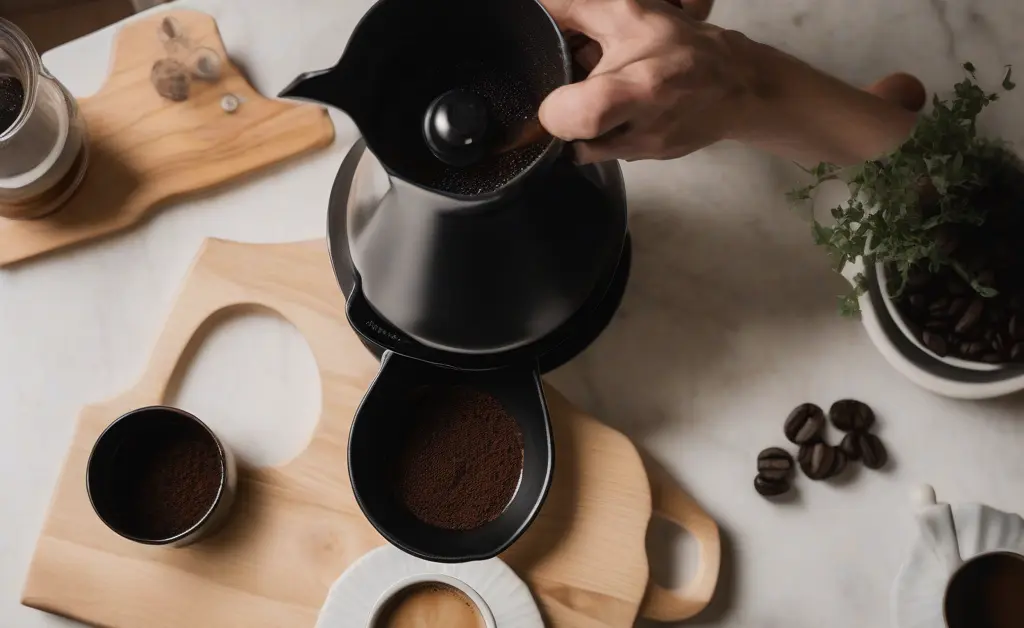
The basic brewing techniques for maitake mushroom coffee largely mirror those for conventional coffee, depending on the product format. For instant blends, simply add the recommended amount of powder to a cup and stir in hot water. Ground maitake coffee can be prepared using a standard drip coffee maker, a French press, or a pour-over method, each offering a slightly different texture and strength. The optimal brewing method helps to fully release the coffee’s aroma and the maitake’s subtle notes, ensuring a well-rounded and flavorful cup. Pay attention to water temperature and brewing time to avoid over-extraction or a weak brew.
Enhancing Flavor and Customization
Enhancing the flavor and customizing your maitake mushroom coffee allows for a personalized experience. While the inherent taste of the blend is unique, additions can further elevate it. Consider incorporating a splash of your preferred milk or plant-based alternative for creaminess. A touch of natural sweetener like honey or maple syrup can complement the earthy notes. Spices such as cinnamon or a pinch of cardamom can also add warmth and complexity to the aroma. Experimentation with these simple enhancements can transform your daily cup into a truly indulgent and tailored daily wellness ritual.
Optimal Time for Consumption
Determining the optimal time for consumption of maitake mushroom coffee largely depends on individual sensitivity to caffeine and personal routine. Many prefer to enjoy it in the morning as part of their breakfast, leveraging its caffeine content for alertness and the maitake’s adaptogenic properties for a focused start to the day. Some might find an afternoon cup beneficial for a gentle energy lift. However, due to the caffeine, it is generally advisable to avoid consuming it too close to bedtime to prevent potential sleep disturbances. Listening to your body’s response is key to finding the best timing for you.
Storage Best Practices for Freshness
Proper storage is essential to maintain the freshness and potency of your maitake mushroom coffee. For instant powders or ground coffee, always store the product in an airtight container away from direct sunlight, heat, and moisture. Exposure to air can degrade the delicate compounds of both the coffee and the dried mushrooms, affecting both flavor and efficacy. If purchasing in bulk, consider freezing smaller portions of ground coffee to extend its shelf life, ensuring that each brew delivers the desired aroma and beneficial properties. Keeping the product in a cool, dry pantry is generally the best approach for daily use.
Comparing Maitake Coffee to Other Functional Beverages
Maitake mushroom coffee distinguishes itself within the growing category of functional beverages by combining the traditional appeal of coffee with the specific properties of maitake. Unlike simple herbal teas or standard caffeinated drinks, it offers a dual approach to daily wellness. When compared to other mushroom coffee blends, such as Maitake and Cordyceps Mushroom Coffee, it focuses on the unique benefits of maitake, known for its immune-supporting beta-glucans, whereas Cordyceps is often sought for energy and endurance. For those looking for a complete coffee alternative, other options like chicory or herbal concoctions might be chosen, but they lack the specific functional mushroom components. Maitake mushroom coffee carves out its niche as a sophisticated option for those who want both the ritual of coffee and the adaptogenic support of mushrooms.
The Sustainability and Sourcing of Maitake Mushrooms
The sustainability and sourcing of maitake mushrooms are increasingly important considerations for discerning consumers. Maitake, or Hen of the Woods, can be found growing wild in nature, but commercial production often relies on cultivation. Sustainable sourcing involves responsible harvesting practices for wild maitake or ethical cultivation methods that minimize environmental impact. Brands committed to quality will often provide transparency about their sourcing, ensuring that the mushrooms are grown without harmful pesticides or chemicals. Prioritizing products from companies that demonstrate a commitment to ecological practices helps support both the environment and the longevity of maitake mushroom availability for future generations.
Maitake mushroom coffee represents an innovative blend, offering a unique combination of familiar comfort and functional benefits. It provides an accessible way to incorporate the adaptogenic qualities and immune support traditionally associated with maitake into a daily routine. As interest in holistic wellness continues to grow, this distinctive beverage stands out as a thoughtful choice for those seeking to enhance their daily coffee ritual with the power of nature’s revered mushrooms.
It is important to note that this content is not intended as medical advice. The information provided is for general knowledge and informational purposes only, and does not constitute a diagnosis or recommendation for any medical condition. Always consult with a qualified healthcare professional before making any decisions about your health, diet, or starting any new supplement regimen.
FAQ
— What does maitake mushroom coffee taste like?
Maitake mushroom extracts have a mild, earthy flavor that blends well with the robust taste of coffee. The coffee’s natural notes are the primary taste, with the mushroom adding a subtle depth rather than an overpowering fungal flavor. This combination creates a smooth, balanced, and rich beverage.
— What are the benefits of drinking maitake coffee?
Maitake is valued for its rich concentration of bioactive compounds, such as beta-glucans. These compounds are known for their role in supporting the body’s immune responses. Additionally, maitake has been studied for its connection to metabolic health and maintaining balanced blood sugar levels already within the normal range.
— Does maitake mushroom coffee have caffeine?
Yes, the caffeine content comes from the coffee beans used in the blend, as maitake mushrooms themselves are caffeine-free. The amount of caffeine is typically comparable to that of a standard cup of coffee, though it can vary depending on the product’s formulation. This means you still get the familiar energizing effect of coffee.
— How is maitake coffee different from other mushroom coffees?
While all functional mushroom coffees combine coffee with mushroom extracts, the key difference lies in the specific mushroom used. Maitake is particularly recognized for compounds that support metabolic and immune system function. Other mushroom coffees, such as those with Lion’s Mane or Cordyceps, are chosen for their distinct properties related to cognitive or energy support, respectively.
— Can you drink maitake coffee every day?
Maitake is an edible mushroom that has been consumed as a food for centuries. As with any new food or supplement, listening to your own body is important. Individuals often incorporate it into their daily routine, but consulting the product’s suggested use and speaking with a qualified health professional is always a sound practice for personalized guidance.
— How do you make maitake coffee?
Preparing maitake mushroom coffee is typically a simple process as it most often comes as an instant powder. You simply mix the powder with hot water, stirring until it fully dissolves. Some people also enjoy blending it into milk or a non-dairy alternative for a creamier texture.
— Is maitake mushroom coffee acidic?
Coffee is naturally acidic, but many mushroom coffee formulations are specifically created to have lower acidity than a conventional cup of coffee. The addition of mushroom extracts can help balance the overall profile of the beverage. This often results in a smoother drink that is gentler on the digestive system.
— Is maitake coffee suitable for a vegan diet?
The primary ingredients, coffee beans and maitake mushroom extract, are both plant- and fungi-based, making them inherently suitable for a vegan diet. However, it is always best to check the full ingredient list of any specific product. Some premixed blends could potentially include non-vegan additives like dairy-based creamers.