

How do certain natural compounds contribute to overall well-being, particularly those derived from ancient natural sources? For centuries, various mushrooms have been revered in traditional practices for their potential health benefits. Among these, the maitake mushroom stands out, gaining scientific attention for its unique composition. This introduction delves into the fascinating world of Grifola frondosa, exploring its distinctive bioactive components and the broad spectrum of health support it may offer. We will examine the science behind its traditional uses, from immune modulation to cellular health, and discuss what to look for in a high-quality maitake mushroom supplement, empowering consumers to make informed choices regarding their holistic health regimen.
Understanding Maitake Mushroom Supplements
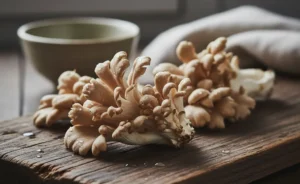
Maitake mushroom supplements are concentrated forms of the Grifola frondosa mushroom, also commonly known as “hen of the woods.” This fungi has been a staple in traditional Eastern medicine and culinary practices for centuries, valued for its unique flavor and purported health-promoting properties. Modern science has begun to explore the specific compounds responsible for these traditional uses, leading to the development of standardized maitake mushroom supplement products. These supplements aim to deliver a consistent dose of the mushroom’s beneficial constituents, making it easier for individuals to incorporate maitake into their daily wellness routines. They are typically created through extraction processes designed to isolate and concentrate the most active components.
Key Bioactive Compounds in Maitake

The Role of Beta-Glucans and D-Fraction
One of the most significant groups of bioactive compounds found in maitake mushrooms are beta-glucans. These are complex polysaccharides known for their profound impact on the immune system. Among the various beta-glucans, Maitake D-Fraction stands out as a unique and highly researched compound specific to Grifola frondosa. It is a protein-bound beta-glucan believed to play a crucial role in modulating immune responses, potentially enhancing the activity of various immune cells.
Other Polysaccharides and Antioxidants
Beyond D-Fraction, maitake mushrooms contain a spectrum of other beneficial polysaccharides that contribute to their overall health-supporting profile. These diverse sugar molecules may work synergistically to support various bodily functions. Additionally, maitake is a source of antioxidants, compounds that help protect cells from oxidative stress. This antioxidant capacity contributes to the mushroom’s potential in supporting general cellular health and well-being.
The Health Benefits of Maitake Mushrooms
Maitake D-fraction benefits
Maitake D-fraction is particularly recognized for its potential to support the body’s immune defenses. Research suggests it may activate immune cells, including natural killer cells, which are vital components of the body’s innate immune system. This specific fraction is often highlighted in discussions about the immune-modulating capabilities derived from a maitake mushroom supplement, making it a key focus for those interested in robust immune health.
Support for Immune System Function
The immune system is a complex network, and maitake mushrooms are studied for their potential to support its healthy function. The beta-glucans and other polysaccharides present in Grifola frondosa are thought to interact with immune cells, helping to maintain a balanced and responsive immune system. This support may contribute to the body’s natural ability to defend itself against environmental challenges and adapt to various stressors, echoing its traditional use as an adaptogen. The full spectrum of maitake mushroom supplement benefits extends to various aspects of well-being.
Maintaining Healthy Cell Activity
Beyond immune support, maitake mushrooms are explored for their broader cellular support properties. The presence of antioxidants and other compounds in maitake may contribute to maintaining healthy cell activity throughout the body. This involves supporting cellular integrity and normal physiological processes, which are fundamental for overall wellness and vitality.
Potential Role in Liver Health
In traditional practices, maitake mushrooms have sometimes been associated with supporting liver function. While more research is ongoing, the compounds within maitake are being studied for their potential to aid in maintaining liver health. This potential role could be linked to the mushroom’s overall antioxidant properties and its broad impact on metabolic processes within the body.
Different Forms of Maitake Supplements
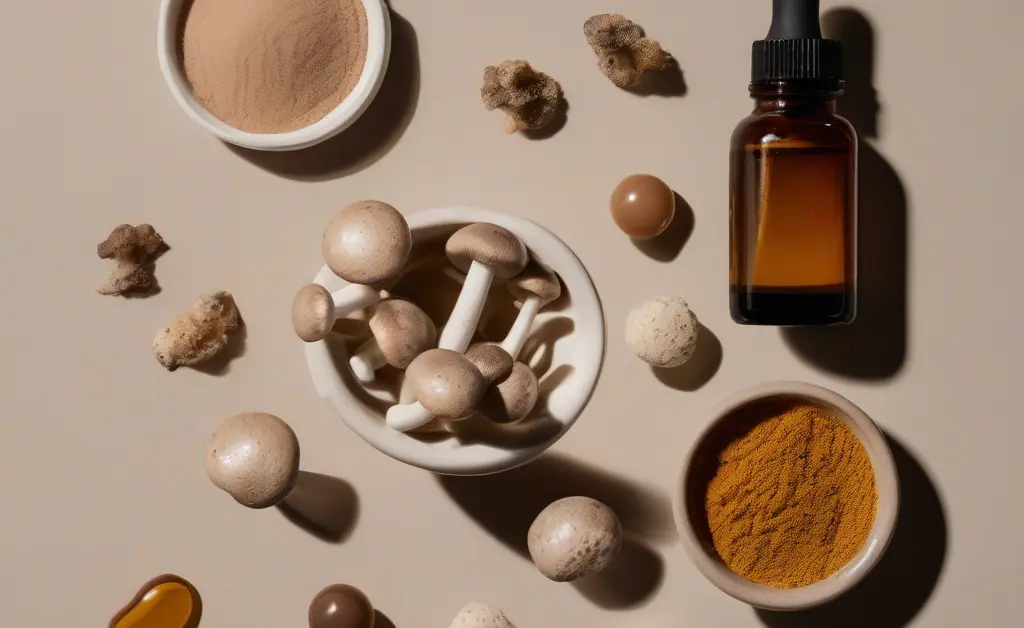
Maitake mushroom supplements are available in various forms, each offering distinct advantages in terms of convenience and how they are consumed. The choice of form often depends on individual preferences and lifestyle. Regardless of the form, a high-quality maitake mushroom supplement aims to deliver the potent bioactive compounds of Grifola frondosa effectively.
Capsules and Tablets
Capsules and tablets represent one of the most popular and convenient forms of maitake supplements. They provide precise, pre-measured doses, making them easy to incorporate into a daily routine. These often contain powdered extracts of the maitake mushroom, encapsulated for ease of consumption and portability. They are a good option for those seeking consistency and a straightforward method of intake.
Powdered Extracts
Powdered maitake extracts offer versatility and can be easily integrated into food or beverages. Users can mix the powder into smoothies, teas, coffee, or even savory dishes. This form allows for flexible dosing, although measurement accuracy requires careful attention. Powdered extracts are often concentrated, meaning a small amount can deliver significant beneficial compounds. For those who prefer a warm beverage, exploring the maitake mushroom tea benefits is a popular option.
Liquid Tinctures
Liquid tinctures are typically alcohol or glycerin-based extracts of maitake mushroom. They are known for their potential for rapid absorption and can be taken directly or added to water or other drinks. Tinctures offer a concentrated form of the mushroom’s active compounds and can be a convenient option for those who prefer not to swallow capsules or mix powders.
How to Choose a High-Quality maitake mushroom supplement
Selecting a high-quality maitake mushroom supplement is essential to ensure you are receiving the intended health benefits. The market offers a wide array of products, and understanding what to look for can help consumers make an informed decision. Prioritizing certain factors can significantly impact the efficacy and purity of your chosen maitake mushroom supplement.
Importance of Fruiting Body Extracts
When choosing a maitake mushroom supplement, it is often recommended to look for products made from the fruiting body of the mushroom. The fruiting body is the visible, above-ground part of the mushroom that is typically rich in beneficial compounds like beta-glucans. Some supplements may use mycelium (the root-like structure), which can be grown on grain, potentially resulting in a product with lower concentrations of active mushroom compounds and more grain fillers.
Understanding Extraction Methods
The extraction method used plays a critical role in the potency and bioavailability of a maitake mushroom supplement. Hot water extraction is commonly used to draw out water-soluble polysaccharides, including beta-glucans. For other compounds, a dual extraction (hot water and alcohol) might be employed. Reputable brands will typically specify their extraction methods, indicating a commitment to maximizing the concentration of active ingredients. Learning about the process helps consumers appreciate the full range of maitake mushroom extract benefits.
Reading and Understanding Supplement Labels
Carefully reading supplement labels provides vital information about the product. Look for the “supplement facts” panel, which should clearly state the amount of maitake extract per serving, often expressed in milligrams (mg per serving). Transparency regarding the percentage of active compounds, such as beta-glucans, can also indicate a higher quality product. Avoid products with excessive fillers or artificial ingredients.
Checking for Third-Party Testing and Purity
To ensure purity and potency, check if the maitake mushroom supplement has undergone third-party testing. Independent laboratories can verify the concentration of active compounds and test for contaminants such as heavy metals, pesticides, and microbes. A certificate of analysis (COA) from a third-party lab is a strong indicator of a trustworthy and high-quality product, offering assurance about what is truly inside the capsule or powder.
Organic Certification and Sourcing
Opting for a maitake mushroom supplement with organic certification can provide confidence that the mushrooms were grown without synthetic pesticides or fertilizers. Sustainable and ethical sourcing practices are also important considerations. Knowing where the mushrooms are cultivated and how they are processed contributes to the overall quality and integrity of the supplement.
Maitake Mushroom Supplement Dosage and Usage
Determining the appropriate dosage and understanding proper usage are crucial steps when incorporating any maitake mushroom supplement into your wellness regimen. While specific recommendations can vary, general guidelines and considerations can help individuals optimize their intake. It is always wise to approach the usage of a maitake mushroom supplement with attention to personal needs and product instructions.
General Dosage Guidelines
Dosage for maitake mushroom supplements can vary significantly depending on the concentration of the extract, the specific form (e.g., capsule, powder, tincture), and the individual’s desired health goals. It is essential to always follow the serving suggestions provided on the product label. Many manufacturers base their recommendations on research supporting the efficacy of certain concentrations. Starting with a lower amount and gradually increasing is a common approach, allowing the body to adjust.
How to Take for Optimal Absorption
To potentially enhance absorption, some maitake mushroom supplements may be recommended to be taken with food, especially those containing fats. Consistency is often key, so taking the supplement at the same time each day may help maintain steady levels of its beneficial compounds in the body. For many, incorporating it into a morning ritual, for instance with maitake mushroom coffee, helps maintain this consistency. While specific absorption strategies can vary, ensuring adequate hydration and following product-specific advice can contribute to optimal results.
Potential Side Effects and Considerations of Maitake Mushroom Supplements

Potential Side Effects and Considerations
While generally well-tolerated by most individuals, some people may experience potential side effects when taking a maitake mushroom supplement. As with any natural product, individual reactions can vary. It’s important to be aware of your body’s response and consult a healthcare professional if you have any concerns, especially when first introducing a maitake mushroom supplement into your routine.
Commonly Reported Side Effects
Most commonly reported side effects associated with maitake mushroom supplements are mild and often transient. These may include minor gastrointestinal discomfort, such as an upset stomach, nausea, or diarrhea. These effects are usually temporary and may diminish as the body adjusts to the supplement. If any side effects persist or worsen, discontinuation and professional consultation are advised.
Precautions and Who Should Be Cautious
Certain individuals should exercise caution or consult a healthcare professional before taking a maitake mushroom supplement. This includes pregnant or nursing individuals, those with pre-existing medical conditions, or anyone taking prescription medications. While maitake is a natural product, its bioactive compounds may interact with certain conditions or drugs. Always discuss supplement use with your doctor, especially if you have specific health concerns or are undergoing medical treatment. For general health information, official sources like the NHS provide valuable guidance.
In conclusion, the maitake mushroom, Grifola frondosa, stands out as a natural powerhouse, offering a rich profile of bioactive compounds, particularly its unique beta-glucans like D-Fraction. From its traditional roots to modern scientific interest, maitake has garnered attention for its potential to support immune system function, maintain healthy cellular activity, and contribute to overall well-being. Understanding the forms, benefits, and how to choose a high-quality maitake mushroom supplement empowers individuals to make informed choices on their health journey. With proper selection and mindful use, a maitake mushroom supplement can be a valuable addition to a holistic approach to health.
This article aims to inform, not to replace professional healthcare advice. It is intended for informational purposes only and does not offer medical diagnoses, treatments, or prescriptions. Always consult with a qualified healthcare provider before making any decisions related to your health or before starting any new supplement regimen. Individual results may vary, and the information provided should not be used to self-diagnose or self-treat any health condition.
FAQ
— What are the benefits of taking a maitake mushroom supplement?
Maitake is primarily known for its rich concentration of beta-glucans, which are complex polysaccharides studied for their role in modulating immune responses. The specific compound known as Maitake D-fraction is the focus of much of this research. These compounds are also linked to supporting metabolic health, including how the body processes glucose.
— How much maitake D-fraction should I take daily?
The appropriate amount of maitake D-fraction can vary significantly based on the specific product formulation and an individual’s unique health profile. Because there is no standardized amount, it is important to follow the guidance provided on a product’s label. Consulting with a qualified healthcare professional can help determine what is suitable for your personal circumstances.
— Is it better to take maitake in capsule or powder form?
The choice between capsules and powders comes down to personal preference and lifestyle convenience rather than one form being inherently superior. Capsules offer a pre-measured, simple way to incorporate maitake, while powders provide versatility for mixing into foods and beverages like smoothies or teas. Ultimately, the best form is the one you will use consistently.
— What should I look for when buying a maitake supplement?
When choosing a maitake mushroom supplement, look for products that specify the use of the fruiting body, as this is where the key bioactive compounds like beta-glucans are most concentrated. The extraction method is also important, as hot water or dual extraction is necessary to make these compounds bioavailable. Reputable brands will often provide third-party testing results to verify purity and compound content.
— Can you take a maitake supplement every day?
Functional mushrooms are typically incorporated into wellness routines for consistent, long-term support rather than for short-term effects. This approach allows the body to interact with the mushroom’s compounds over time. Following the suggested use on the product label is the standard practice for daily intake.
— Can I take maitake supplements with other mushroom supplements?
Combining different functional mushrooms is a common practice known as “stacking,” based on the principle that each mushroom has a unique profile of bioactive compounds. This approach allows for a broader spectrum of support, as the properties of one mushroom can complement those of another. For instance, maitake is often paired with other mushrooms known for their immune-supporting qualities.
— Is maitake mushroom considered an adaptogen?
Yes, maitake is considered an adaptogen, a class of natural substances known for helping the body adapt to various forms of stress. Adaptogens work nonspecifically to support the body’s natural ability to maintain balance, or homeostasis. Maitake’s role in supporting systems like metabolic and immune function aligns with these adaptogenic principles.