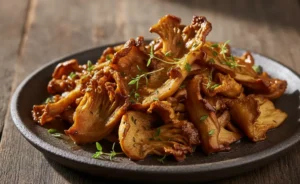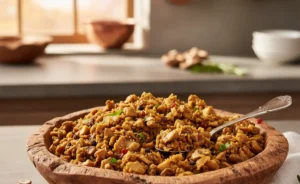

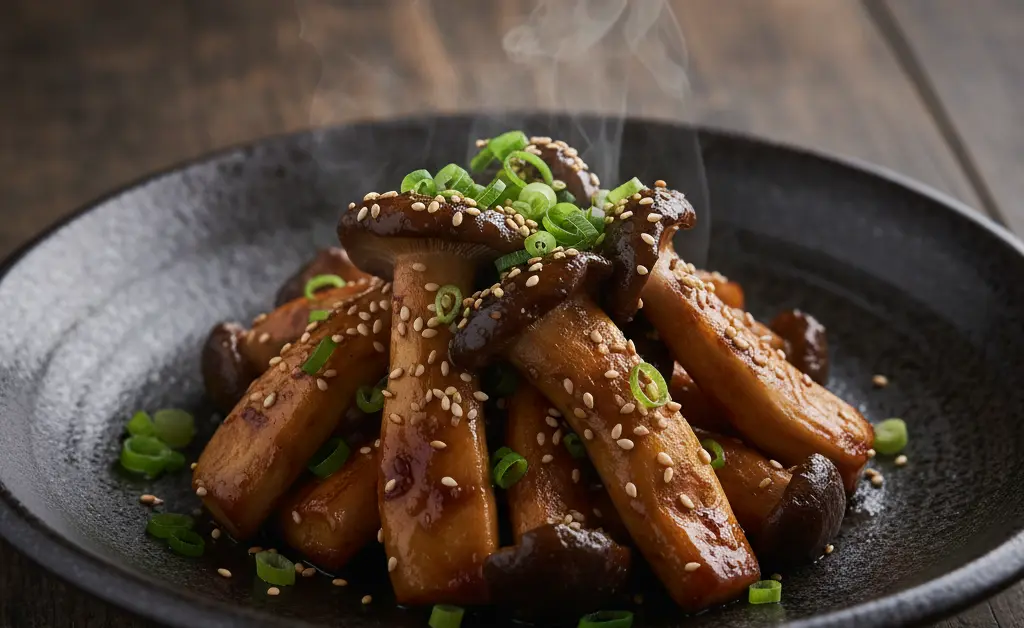
Maitake mushroom toban yaki is a delightful Japanese dish that showcases the earthy, umami-rich maitake mushroom cooked on a ceramic plate, typically over an open flame or high heat. This cooking method, known as toban yaki, translates to “plate grilled” and allows ingredients to sizzle and caramelize, developing complex flavors and appealing textures. It’s a versatile preparation often featuring other vegetables and a savory sauce, making it a popular choice for those seeking a rustic yet refined culinary experience. The dish celebrates the natural qualities of its star ingredient, enhancing its distinct aroma and slightly crunchy texture through the intense heat of the ceramic plate. This guide will delve into crafting an exceptional version of this cherished Japanese specialty.
Maitake Mushroom Toban Yaki: The Ultimate Recipe
Creating an exceptional maitake mushroom toban yaki involves a thoughtful combination of fresh ingredients, a balanced sauce, and precise cooking techniques. This recipe focuses on highlighting the natural characteristics of the maitake mushroom, allowing its earthy notes and unique texture to truly shine. While simple in concept, the execution requires attention to detail, from selecting the finest mushrooms to mastering the searing process on a hot ceramic plate. The goal is to achieve a harmonious blend of flavors and textures, resulting in a dish that is both comforting and sophisticated.
Essential Ingredients for Maitake Toban Yaki
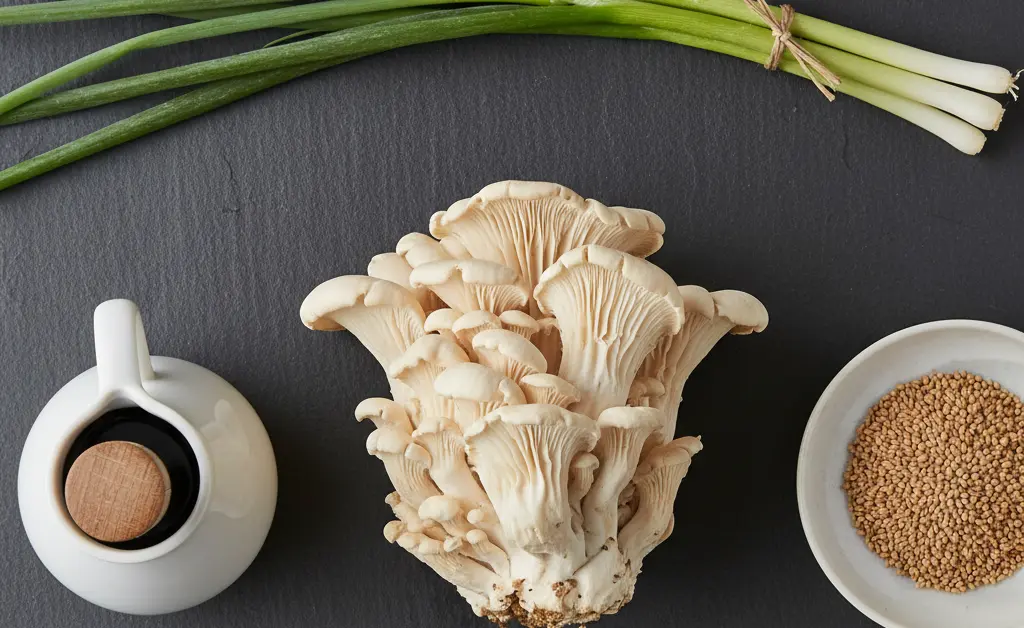
The foundation of a superb maitake mushroom toban yaki lies in its components. Each ingredient plays a vital role, contributing to the overall depth and authenticity of this Japanese sizzling plate dish. From the star mushroom to the nuanced sauce and delicate garnishes, careful selection ensures a memorable culinary experience. Understanding the essence of each element is key to crafting a truly flavorful and satisfying dish.
The Distinct Flavor Profile of Maitake Mushrooms
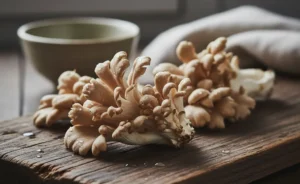
Maitake mushrooms, also known as hen-of-the-woods, possess a truly unique and complex flavor profile that makes them ideal for toban yaki. They are celebrated for their rich, earthy, and savory umami taste, often described as woody with slightly peppery undertones. Beyond their flavor, maitake offer a distinctive texture—firm and somewhat crunchy when cooked, providing a satisfying bite that holds up well to high heat. This robust character ensures that the mushroom remains the star of the dish, even when combined with other strong flavors. In fact, its meaty texture is why a maitake mushroom steak recipe is also a popular choice for a main course.
Choosing Your Maitake Mushrooms
Selecting high-quality fresh maitake mushrooms is crucial for the best toban yaki. Look for mushrooms that are firm, plump, and free from any slimy spots or signs of decay. The clusters should be well-formed, with a fresh, earthy aroma. Avoid any mushrooms that appear dried out or shriveled. While often found in Asian markets, maitake are increasingly available in specialty grocery stores, especially during their peak season. Choosing the freshest specimens will significantly enhance the texture and flavor of your finished dish. For general dietary guidance, health organizations like the NHS often emphasize the importance of incorporating fresh vegetables and fungi into a balanced diet.
Key Components of the Toban Yaki Sauce
The savory sauce is integral to the character of maitake mushroom toban yaki. Typically, it features a blend of traditional Japanese seasonings designed to complement the earthy mushrooms without overpowering them. Common ingredients include soy sauce for depth, mirin for sweetness and gloss, and sake for a subtle alcoholic note that enhances flavor. A dashi base is often incorporated to provide a foundational layer of umami, similar to what’s used in a classic maitake mushroom miso soup. Additional elements like grated ginger or garlic may be added for aromatic complexity, creating a rich yet balanced liquid that coats the mushrooms beautifully.
Aromatics and Garnishes for Flavor
Aromatics and garnishes are vital for adding layers of complexity and freshness to maitake mushroom toban yaki. Freshly grated ginger and garlic are frequently sautéed with the mushrooms, releasing their pungent and warming notes. Sliced scallions or chives are often sprinkled over the finished dish, providing a mild oniony crunch and vibrant color. Other garnishes might include a touch of sesame oil drizzled just before serving for a nutty aroma, or a sprinkle of bonito flakes (katsuobushi) for an extra burst of umami and visual appeal, enhancing the overall sensory experience.
Step-by-Step Guide to Making Toban Yaki
Crafting toban yaki at home is a rewarding experience that brings the flavors of an izakaya kitchen to your table. The process involves methodical steps, from preparing your key ingredients to expertly searing them. Each stage is designed to build flavor and achieve the ideal texture, ensuring a delicious outcome that celebrates the maitake mushroom. This is just one of many maitake mushroom recipes you can try.
Preparing Your Mushrooms and Vegetables
Before cooking, proper preparation of your maitake mushrooms and any accompanying vegetables is essential. Gently brush any dirt off the maitake mushrooms; avoid washing them under running water, which can make them soggy. Separate the clusters into smaller, bite-sized pieces, ensuring they are roughly uniform for even cooking. If using other vegetables like shiitake mushrooms or shimeji mushrooms, slice or separate them accordingly. Having all your ingredients prepped and ready will streamline the cooking process, allowing for efficient searing.
Making the Maitake Toban Yaki Sauce
The sauce for your maitake mushroom toban yaki can be prepared in advance, simplifying the final cooking stage. In a small bowl, combine soy sauce, mirin, sake, and dashi, stirring until thoroughly mixed. Some recipes may call for a touch of sugar to balance the saltiness or a small amount of cornstarch slurry to slightly thicken the sauce for better adherence to the mushrooms. Taste and adjust the seasonings to your preference, aiming for a savory, slightly sweet, and umami-rich profile that complements the mushrooms.
Searing and Sizzling for Optimal Texture
The heart of toban yaki lies in its searing technique. Heat your ceramic dish or cast iron skillet over a high flame until it is very hot. Add a small amount of oil, then place the prepared maitake mushrooms and any other vegetables in a single layer. Allow them to sear undisturbed for several minutes until they develop a beautiful golden-brown crust and a slightly crispy texture. This high heat caramelization is what imparts the distinct flavor and tender-crispness characteristic of the dish. Avoid overcrowding the plate, as this can steam the vegetables instead of searing them.
Final Assembly and Presentation Tips
Once the mushrooms and vegetables are perfectly seared, it’s time for the final assembly. Pour the prepared toban yaki sauce over the hot ingredients, allowing it to bubble and reduce slightly, coating everything beautifully. Serve the maitake mushroom toban yaki directly on the sizzling plate, garnished with fresh scallions, ginger, or bonito flakes. The visual appeal of the steaming, bubbling dish enhances the dining experience, making it not just a meal, but a presentation. Ensure the plate is on a heat-safe surface, and caution diners about the hot ceramic.
Tips for Perfecting Your Maitake Mushroom Toban Yaki
Achieving mastery in crafting maitake mushroom toban yaki involves understanding subtle nuances that can elevate the dish from good to exceptional. From controlling the heat to harmonizing flavors, these tips aim to guide you toward a consistently delicious result that truly embodies the spirit of Japanese sizzling plate cuisine.
Achieving a Perfect Sear
The key to an outstanding toban yaki is a deep, golden-brown sear on the mushrooms. To achieve this, ensure your cooking surface (whether a toban plate or skillet) is extremely hot before adding the ingredients. Use a high smoke point oil, and avoid overcrowding the plate, as this lowers the temperature and steams the mushrooms rather than searing them. Cook in batches if necessary, allowing the maitake to caramelize undisturbed on one side before flipping. This creates a delightful contrast between the crispy exterior and tender interior.
Toban Plate vs. Skillet: Equipment Choices
While a traditional toban plate made of ceramic is ideal for its heat retention and rustic presentation, a heavy-bottomed cast iron skillet can serve as an excellent alternative for maitake mushroom toban yaki. Both options provide the high, even heat necessary for searing. Cast iron skillets often distribute heat very effectively, leading to a consistent sear. The main difference lies in presentation and the ability of a toban plate to retain heat at the table, keeping the dish sizzling. Choose the equipment that best suits your kitchen and desired dining experience.
Balancing Flavors for a Harmonious Dish
A truly great maitake mushroom toban yaki relies on a harmonious balance of flavors. The earthy umami of the maitake should be complemented, not overwhelmed, by the sauce. Adjust the levels of soy sauce, mirin, and sake to achieve a balance of savory, sweet, and tangy notes. Fresh aromatics like ginger and garlic should enhance the dish with their pungency, while garnishes provide freshness and textural contrast. Taste the sauce before adding it to the mushrooms, and consider adding a touch of citrus, like a squeeze of lemon or yuzu, at the end to brighten the overall profile.
Serving Suggestions and Complementary Pairings
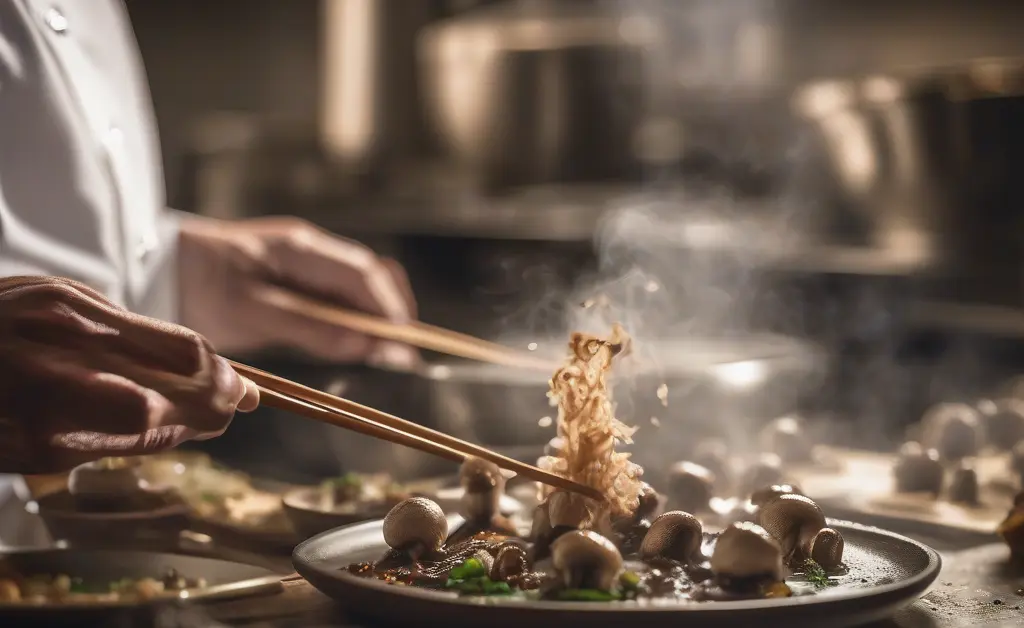
Maitake mushroom toban yaki is a versatile dish that can be enjoyed in various ways. It makes an excellent appetizer, served with chopsticks directly from the sizzling plate, allowing diners to appreciate its rustic charm and rich aromas. As a main course, it pairs wonderfully with steamed white rice, which helps to soak up the delicious sauce and balance the intense flavors. For a more elaborate meal, consider serving it alongside other Japanese dishes such as miso soup, a light salad with a sesame dressing, or grilled fish. Those looking for a different warming dish might also enjoy a simple maitake mushroom soup recipe. The umami-rich flavors also complement a glass of sake or a dry white wine, creating a complete and satisfying dining experience.
The Culinary History and Origins of Toban Yaki
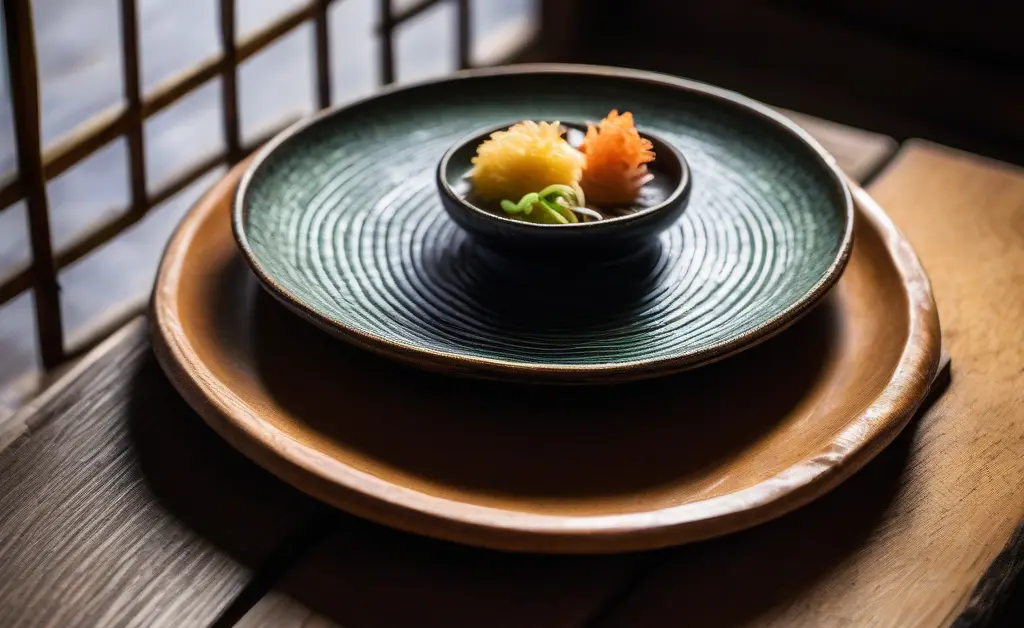
Toban yaki, meaning “plate grilled,” is a traditional Japanese cooking method that emphasizes high-heat cooking on a ceramic or metal plate. Its origins are rooted in rustic, communal cooking practices, often associated with izakayas or ryokans (traditional Japanese inns) where dishes were prepared directly at the table or served sizzling hot. While the exact historical timeline is somewhat fluid, the technique reflects a broader Japanese culinary philosophy that values simplicity, fresh ingredients, and the enhancement of natural flavors through precise cooking. Over time, toban yaki has evolved to incorporate a wide variety of ingredients, from vegetables and seafood to premium meats like Wagyu, but the core principle of searing on a hot plate remains. This method ensures that ingredients like the maitake mushroom toban yaki retain their texture and develop a rich, caramelized surface, making it a beloved preparation throughout Japan.
In conclusion, the maitake mushroom toban yaki stands as a testament to the beauty of Japanese cuisine, marrying simplicity with profound flavor. By carefully selecting fresh ingredients, mastering the searing technique, and balancing the savory notes of the sauce, one can craft a dish that is both comforting and deeply satisfying. This culinary journey, from preparation to the final sizzle, truly celebrates the unique qualities of the maitake mushroom, offering a delightful experience for any discerning palate.
Readers should understand that this article does not offer medical diagnosis or treatment. The information provided is for general knowledge and informational purposes only, and does not constitute professional advice. Always consult with a qualified healthcare professional for any health concerns or before making any decisions related to your health or well-being. No claims or guarantees are made regarding the accuracy or completeness of the information presented.
FAQ
— What does maitake mushroom taste like when cooked?
Cooked maitake mushrooms develop a rich, earthy, and savory flavor with a distinctly umami profile. They have a tender, slightly chewy texture that becomes wonderfully aromatic when roasted or pan-fried. Their delicate, feathery structure absorbs flavors well, making them a versatile ingredient.
— Do I need a special ceramic plate for toban yaki?
The traditional *toban*, a ceramic plate, is central to this cooking style because it retains and distributes high heat evenly, searing the ingredients right at the table. While the ceramic vessel is characteristic, a cast-iron skillet or other heat-retaining pan can serve a similar function for achieving that sizzle. The method is more about the high-heat cooking and presentation than the specific material itself.
— How do you make toban yaki sauce from scratch?
A classic toban yaki sauce balances savory and sweet flavors by combining key Japanese pantry staples. The foundation typically involves a blend of soy sauce for umami, mirin for sweetness, and sake for depth. Sometimes dashi is added for an extra layer of savory complexity, creating a rich glaze perfect for a dish like maitake mushroom toban yaki.
— What is the difference between toban yaki and teppanyaki?
The primary difference lies in the cooking vessel and style of service. Toban yaki involves cooking on a small, round ceramic plate, often brought sizzling to the table for a rustic, communal feel. Teppanyaki, in contrast, utilizes a large, flat iron griddle where chefs cook in front of guests, emphasizing performance and spectacle.
— How can I tell if maitake mushrooms are fresh?
Fresh maitake mushrooms have a firm, dry texture with feathery clusters that are plump and intact, not wilted or slimy. Look for a uniform beige-to-brown color and a pleasant, earthy aroma. Any signs of dark, wet spots or a sour, off-putting smell indicate the mushroom is past its prime.