
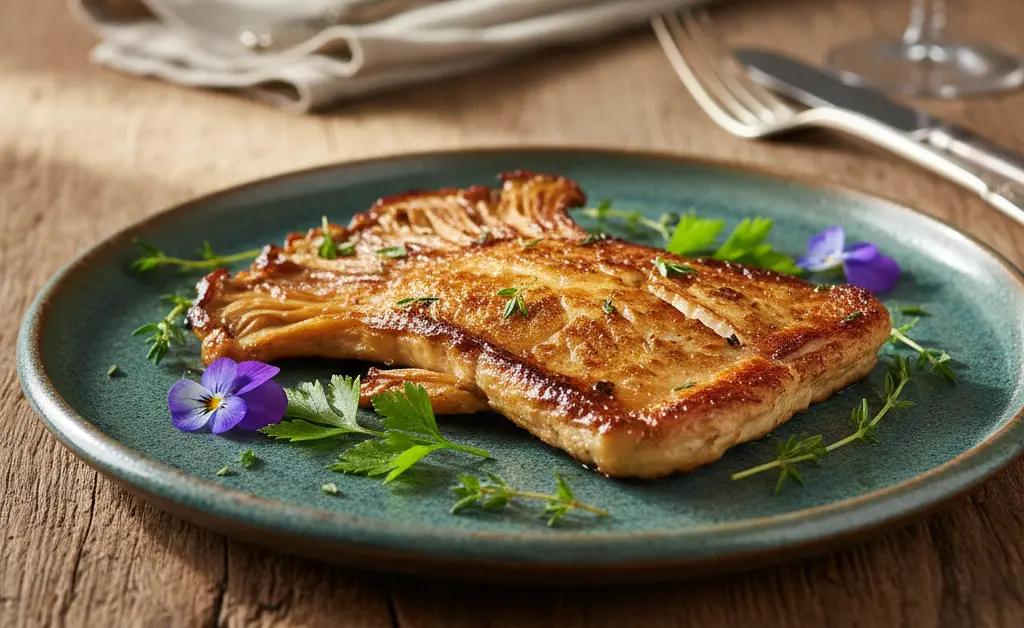
Just as you might prepare a conventional cut of meat to achieve a crispy exterior and tender interior, mastering the art of a maitake mushroom steak offers a similarly rewarding culinary experience. This remarkable fungi, often referred to as Hen of the Woods, possesses a unique texture and earthy flavor profile that makes it an exceptional candidate for a plant-based ‘steak.’ Achieving that perfect sear and succulent bite involves specific techniques, from proper cleaning and preparation to the precise application of heat and seasoning. This guide will walk you through every step, ensuring you can confidently execute a delicious maitake mushroom steak recipe that rivals its traditional counterparts, delivering a satisfying and flavorful main course.
Maitake Mushroom Steak Recipe: An Introduction
Embarking on the creation of a maitake mushroom steak recipe opens up a world of culinary possibilities for those seeking robust, plant-forward dishes. This fungi, celebrated for its layered, frilly structure and deeply savory taste, provides an exceptional foundation for a dish that mimics the satisfying chew and rich flavor of traditional steak. Our focus here is on transforming this humble mushroom into a show-stopping main course, emphasizing techniques that enhance its natural attributes for a truly steak-like experience. While this guide focuses on a steak preparation, there are many other maitake mushroom recipes to explore.
What is a Maitake Mushroom Steak?
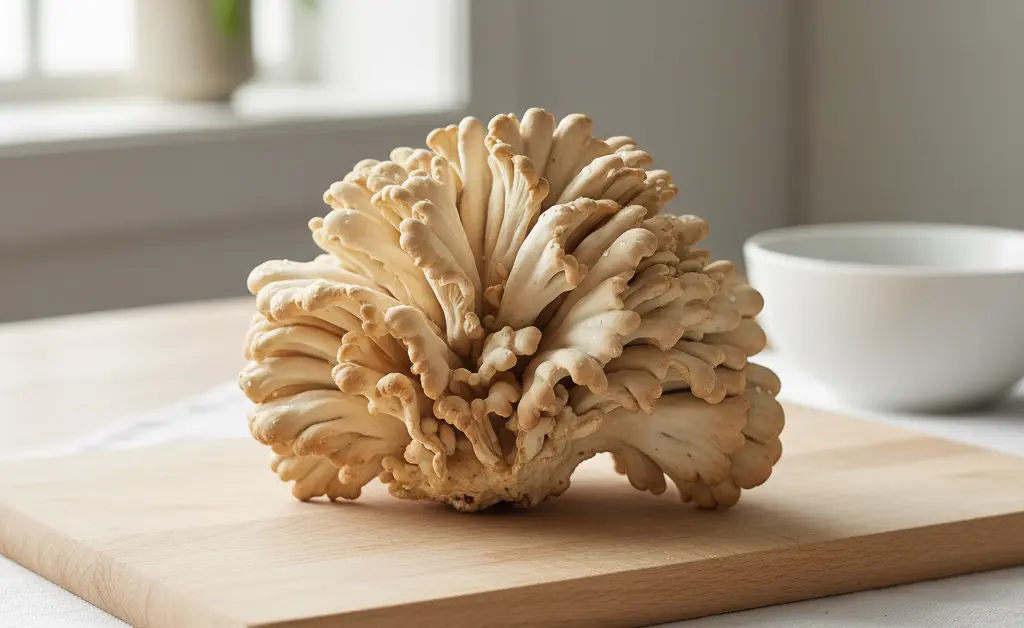
A maitake mushroom steak refers to the preparation of a whole or large section of a maitake mushroom, also known as Hen of the Woods, using cooking methods typically applied to cuts of meat. The goal is to achieve a similar textural contrast: a beautifully seared, often crispy exterior complementing a tender, succulent interior. This approach celebrates the mushroom’s inherent umami and unique structure, making it a compelling alternative for those exploring plant-based dining or simply seeking new culinary adventures. This mushroom is not only prized for its culinary uses but has also been studied for its potential health benefits, according to resources from the National Library of Medicine.
Understanding Hen of the Woods “Steaks”
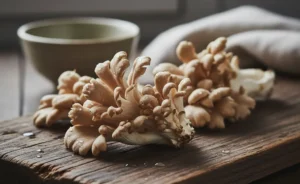
Hen of the Woods, or maitake, naturally grows in a rosette pattern, forming dense clusters of overlapping caps. This structure is perfectly suited for crafting “steaks” because it allows for substantial pieces that hold together during cooking, unlike many other mushrooms that might break down. When pressed and seared, the individual fronds develop a delightful crispness, while the thicker parts retain a juicy, satisfying bite. This inherent architecture, combined with its earthy flavor, makes it an ideal canvas for robust seasonings and high-heat cooking.
Essential Ingredients and Equipment
Crafting an excellent maitake mushroom steak requires thoughtful selection of ingredients and the right tools to achieve optimal results. Beyond the mushroom itself, a few key components will elevate the flavor and texture of your plant-based steak.
Key Ingredients for Maitake Steaks
- **Maitake Mushrooms:** The star of the dish, ensuring fresh, firm clusters with no signs of sliminess or decay.
- **High-Smoke Point Oil:** Oils like grapeseed, avocado, or refined olive oil are crucial for achieving a deep sear without burning.
- **Aromatics:** Fresh garlic cloves and sprigs of thyme or rosemary infuse the cooking oil and mushroom with fragrant notes.
- **Seasonings:** Flaky sea salt and freshly cracked black pepper are fundamental. Consider a dash of smoked paprika or garlic powder for added depth.
- **Acid (Optional):** A splash of balsamic vinegar or lemon juice at the end can brighten the flavors and add a subtle tang.
- **Fat (Optional):** A knob of butter or a vegan butter alternative can be added towards the end of cooking to create a richer, glossy finish.
Essential Cooking Tools (e.g., Grill Press, Cast Iron Skillet)
The right equipment plays a significant role in mastering the sear and achieving the desired texture for your maitake steaks.
- **Cast Iron Skillet:** A heavy-bottomed cast iron skillet is highly recommended for its superior heat retention and even heat distribution, which are vital for a consistent, deep sear.
- **Grill Press or Heavy Object:** To achieve that coveted flat, crispy exterior and tender interior, pressing the mushroom down firmly during cooking is key. A grill press is ideal, but a foil-wrapped brick or a smaller heavy pan can also serve this purpose effectively.
- **Tongs:** Essential for safely handling and flipping the mushroom while cooking.
- **Pastry Brush:** Useful for basting the mushroom with infused oil or butter during cooking.
Preparing Your Maitake Mushrooms
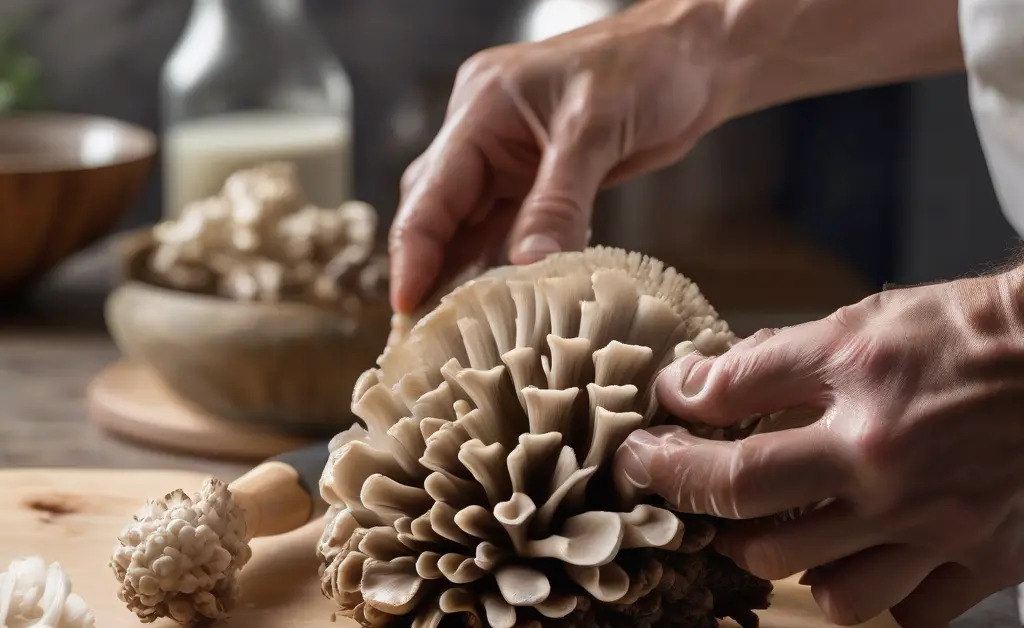
Proper preparation is the first step towards a magnificent maitake mushroom steak. This involves careful selection and cleaning, followed by strategic readying for the cooking process.
How to Select and Clean Maitake Mushrooms
When selecting maitake mushrooms, look for firm, dry clusters with distinct layers of caps. Avoid any mushrooms that appear bruised, slimy, or waterlogged. The color should be a uniform tan or gray-brown. For cleaning, maitake mushrooms tend to be relatively clean. Instead of washing them directly under water, which can make them absorb too much moisture and hinder browning, gently brush off any visible dirt or debris with a soft mushroom brush or a damp paper towel. Trim away any tough, woody parts at the base of the stem.
Preparing Maitake for Optimal Searing
Once cleaned, prepare the maitake by carefully separating it into “steaks.” Aim for substantial pieces that are roughly flat and can lie evenly in a pan. Sometimes, a whole cluster can be used, flattened slightly. For individual “steaks,” gently tear or slice the mushroom along its natural fronds. The goal is to maximize surface area for searing. Some chefs lightly score the denser parts of the mushroom to help them cook more evenly and absorb flavors. Blot the prepared mushroom pieces dry with a paper towel; any excess moisture will steam the mushroom instead of searing it, preventing that crucial crispy crust.
Step-by-Step Maitake Mushroom Steak Recipe
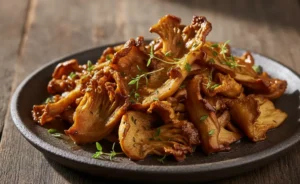
Creating a delicious maitake mushroom steak recipe involves a sequence of steps designed to build flavor and achieve perfect texture. Begin by heating your chosen high-smoke point oil in a heavy cast iron skillet over medium-high heat until shimmering. Once hot, carefully place the prepared maitake sections into the skillet. If using a grill press or a heavy object, place it on top of the mushrooms to press them firmly against the hot surface. Cook for several minutes per side, allowing the mushroom to develop a deep golden-brown, crispy crust. As the mushrooms cook, add aromatics like garlic and thyme to the pan, allowing their flavors to infuse the oil. Season generously with salt and pepper as it cooks. Flip and press again, continuing until both sides are beautifully seared and the mushroom is tender throughout. A splash of a complementary liquid like vegetable broth or a knob of butter can be added towards the end of cooking for enhanced richness and to deglaze any flavorful bits from the pan.
Crafting a Simple Maitake Pan Sauce
A simple pan sauce elevates a maitake mushroom steak from good to extraordinary. After searing the mushrooms, remove them from the pan and set aside. Reduce the heat to medium. Add a splash of liquid, such as vegetable broth, red wine, or even a touch of balsamic vinegar, to deglaze the pan, scraping up any browned bits from the bottom. These “fonds” are packed with flavor. Whisk in a knob of butter or a vegan butter alternative, along with a pinch of finely chopped fresh herbs like parsley or chives. You can also add a touch of Dijon mustard for an extra layer of complexity. Simmer gently for a minute or two until the sauce slightly thickens and coats the back of a spoon. Season the sauce to taste with salt and pepper before spooning it over the finished maitake steaks.
Mastering the Sear: Techniques for Maitake Steaks
The key to an outstanding maitake mushroom steak lies in mastering the sear. This process creates a flavorful crust that provides textural contrast and deepens the umami profile of the mushroom.
The “Under-a-Brick” Searing Method
The “under-a-brick” method is a time-honored technique perfectly suited for maitake mushrooms. After heating your cast iron skillet and oil to temperature, place the prepared maitake sections into the pan. Immediately place a piece of parchment paper or foil over the mushrooms, then rest a heavy object (like a grill press, another heavy pan, or a foil-wrapped brick) directly on top. This constant, even pressure maximizes contact between the mushroom and the hot pan, expelling excess moisture and allowing the surface to crisp intensely. Cook for several minutes until a deep golden-brown crust forms on one side, then carefully flip the mushroom, reapply the weight, and continue searing until the other side is equally caramelized and the mushroom is tender through.
Alternative Cooking Methods (Grilling, Baking)
While searing is paramount for a traditional maitake mushroom steak, alternative methods can yield delicious results with slightly different textures. Grilling maitake imparts a smoky flavor and beautiful char marks. Toss large maitake clusters with oil and seasonings, then grill over medium-high heat, turning occasionally, until tender and charred. Baking, particularly roasting, can also be effective. Arrange seasoned maitake clusters on a baking sheet and roast in a hot oven until tender and caramelized. This method for roasted maitake mushroom is simple and effective. While baking might not achieve the same intense crust as direct searing or pressing, it’s a great option for larger batches or a softer texture. Combining methods, such as a quick pan-sear followed by a finish in the oven, can also offer a balance of textures.
Tips for Perfect Texture and Flavor
Achieving the ideal texture and maximizing flavor in your maitake mushroom steak recipe requires attention to detail and a few clever tricks.
Creative Seasoning and Marinade Ideas
The natural umami of maitake mushrooms provides an excellent foundation for a wide range of seasonings. Beyond basic salt and pepper, consider blends like smoked paprika, garlic powder, onion powder, and a touch of cayenne for a smoky-spicy kick. Herbs like thyme, rosemary, sage, and oregano complement its earthy notes beautifully. For a deeper flavor, marinate the maitake for about 30 minutes to an hour before cooking. Marinades can include soy sauce or tamari, rice vinegar, a touch of maple syrup or agave, minced ginger, garlic, and sesame oil for an Asian-inspired profile. Mediterranean flavors can be achieved with olive oil, lemon juice, dried oregano, and crushed red pepper flakes. Avoid marinating for too long, as mushrooms can release too much water. These bold flavors are also perfect for a maitake mushroom tacos recipe, where the seasoned fungi can be shredded after cooking.
Tips for Achieving Meaty Texture
The unique structure of maitake already lends itself to a meaty texture, but a few techniques can enhance this further. Pressing the mushrooms during cooking, as described in the “under-a-brick” method, helps compress the fronds and creates a denser, more satisfying bite. Ensure your pan is hot enough to achieve a true sear rather than steaming the mushrooms, which can lead to a softer, less “meaty” texture. Cooking until the edges are noticeably crispy and browned is crucial. Allowing the mushrooms to cook undisturbed for several minutes per side before flipping also contributes to better texture and a robust crust. Furthermore, some find that a brief rest after cooking, similar to a traditional steak, allows the juices to redistribute and improves the overall mouthfeel.
Common Mistakes to Avoid When Cooking Maitake
Several common pitfalls can hinder the perfection of your maitake mushroom steak. Overcrowding the pan is a frequent mistake; this lowers the pan temperature, causes the mushrooms to steam instead of sear, and results in a soggy texture. Cook in batches if necessary. Not drying the mushrooms thoroughly before cooking is another common error, again leading to steaming. Using too little oil can cause sticking, while too much can make the mushrooms greasy. Ensure your oil is hot enough before adding the mushrooms; if it’s not, they will absorb the oil and become soft. Lastly, under-seasoning can mask the maitake’s potential; be generous with salt and pepper, and taste as you go.
Serving Suggestions and Pairings
A perfectly cooked maitake mushroom steak serves as an impressive centerpiece, easily paired with a variety of side dishes to create a complete and satisfying meal. For a classic feel, serve it alongside creamy mashed potatoes or a rich polenta, allowing the pan sauce to mingle with the starch. Roasted root vegetables like carrots, parsnips, or sweet potatoes offer a hearty and earthy complement. Lighter options include a vibrant green salad with a sharp vinaigrette, steamed asparagus, or blanched green beans. Grain bowls featuring quinoa, farro, or wild rice can also be elevated by the presence of a maitake steak. For beverages, consider a robust red wine like a Pinot Noir or a medium-bodied ale that can stand up to the mushroom’s savory depth. Alternatively, chopped maitake can serve as a gourmet topping, creating a delicious maitake mushroom pizza.
Why Maitake is Perfect for Plant-Based Steaks
Maitake mushrooms are uniquely suited for plant-based steaks due to their inherent structural integrity and rich, earthy flavor profile. Unlike many other fungi that tend to break down or become watery when cooked, maitake clusters maintain their shape and offer a satisfying chew that closely mimics the texture of traditional meat. Their distinctive frilly, layered appearance provides an appealing aesthetic, while their natural umami contributes a depth of savory flavor that responds exceptionally well to searing and seasoning. This combination of robust texture and profound taste makes maitake an outstanding choice for those seeking to create a substantial and flavorful plant-based main course.
Storing and Reheating Cooked Maitake
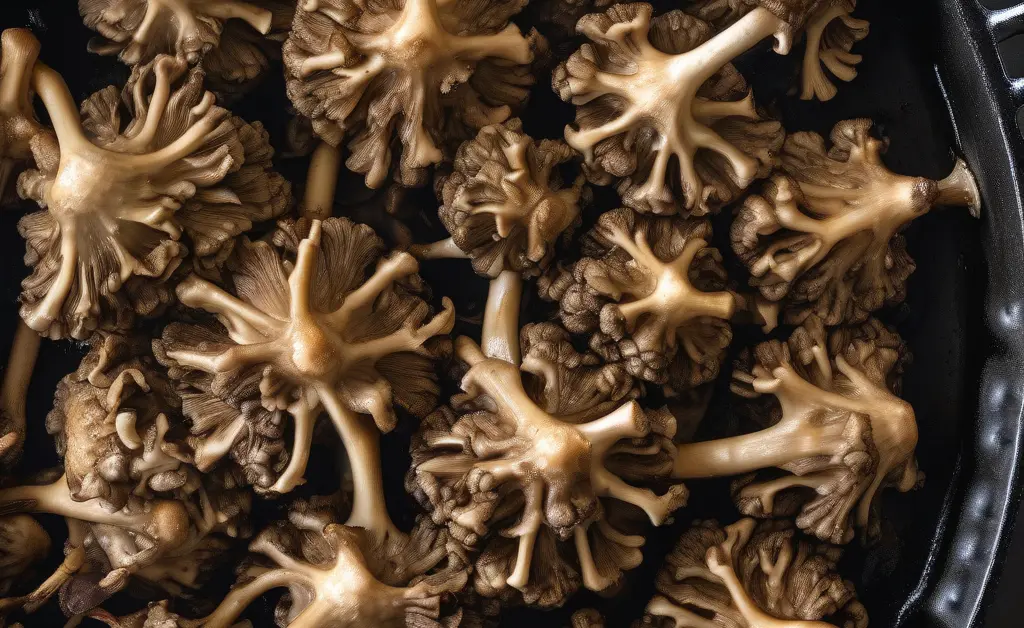
Proper storage and reheating can help preserve the quality of your cooked maitake mushroom steak recipe. Once cooled, cooked maitake should be stored in an airtight container in the refrigerator. It is best consumed within 3-4 days for optimal flavor and texture. When reheating, avoid the microwave if possible, as it can make the mushrooms rubbery. The best method is to gently re-sear them in a hot skillet with a tiny bit of oil over medium heat until warmed through and the edges regain some crispness. Alternatively, they can be reheated in an oven at a moderate temperature until hot. This ensures the maitake maintains its desirable texture and rich flavor.
Mastering the maitake mushroom steak recipe is a culinary journey that rewards patience and attention to detail with an incredibly flavorful and satisfying plant-based dish. From careful preparation and precise searing to crafting a complementary pan sauce, each step contributes to transforming this remarkable fungi into a main course that stands proudly against its traditional counterparts. The unique texture and umami of maitake make it an ideal canvas for culinary creativity, promising a memorable dining experience every time.
This article is meant for general informational use and awareness. It is not intended to provide professional advice or substitute for consultation with a qualified expert in any field. The content should be considered for educational purposes only and not as a definitive guide for any specific situation or action. Readers are encouraged to seek independent professional advice before making any decisions based on the information presented.
FAQ
— What do you serve with maitake mushroom steak?
The rich, savory flavor of maitake pairs well with classic steakhouse accompaniments like roasted root vegetables, creamy mashed potatoes, or a simple green salad. These side dishes are chosen to balance the mushroom’s umami character without overpowering it. Thinking about the overall meal experience helps in choosing complementary textures and flavors.
— Are maitake mushrooms the same as hen of the woods?
Yes, maitake and hen of the woods are two common names for the same fungus, *Grifola frondosa*. The name “hen of the woods” comes from its appearance, which resembles the fluffed tail feathers of a sitting hen at the base of a tree. Maitake is its Japanese name, which translates to “dancing mushroom.”
— What is the natural flavor profile of maitake mushrooms?
Maitake mushrooms possess a distinctively rich and savory flavor profile, often described as deeply earthy and umami-forward. They have a firm, succulent texture and can present subtle peppery or spicy notes when cooked. This complex taste makes them a prized culinary ingredient.
— Why is pressing maitake important for a steak-like texture?
Pressing maitake during cooking is a key step in any maitake mushroom steak recipe for creating a dense, meaty texture by expelling excess water content. This process allows the surface to make better contact with the hot pan, promoting a deep, savory sear and caramelization. The result is a firmer bite and more concentrated umami flavor.
— How do I know when my maitake steak is fully cooked?
A fully cooked maitake steak will have a deep golden-brown color with crispy, well-seared edges on its frilly surfaces. The mushroom itself will be tender and cooked through, having visibly reduced in size as its water content evaporated. The texture transforms from spongy to satisfyingly firm and chewy.