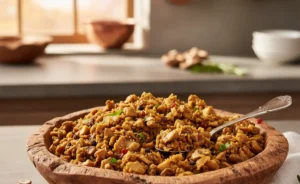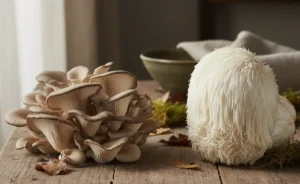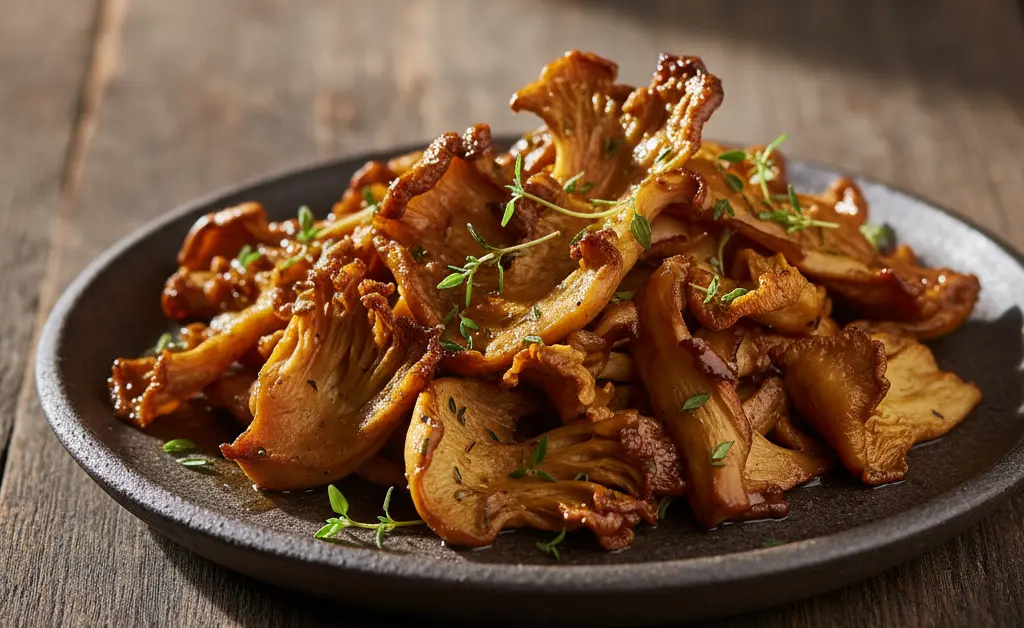
There’s a quiet satisfaction in transforming simple ingredients into something extraordinary. Imagine the delight of a dish where earthy flavors meet a delightful crispness, elevating an everyday meal into a moment of pure enjoyment. This culinary magic is beautifully embodied by the roasted maitake mushroom. Often referred to as “hen of the woods,” this fungi offers a unique texture and rich, umami-packed flavor that promises to impress. Mastering the art of roasting unlocks its full potential, turning it into a versatile delicacy perfect for any occasion. This guide will help you achieve perfectly golden and savory results, ensuring every bite is a testament to simple elegance.
Selecting and Preparing Maitake for Roasting
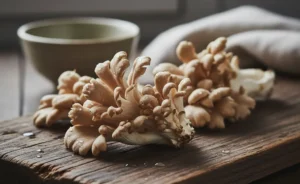
The journey to an exceptional roasted maitake mushroom dish begins with selecting high-quality fungi. Look for maitake clusters that appear fresh, firm, and dry, without any signs of sliminess or decay. According to authorities like the EFSA, this mushroom is widely recognized for its culinary uses. The delicate, ruffled appearance of this “hen of the woods” mushroom is distinctive. Once selected, proper preparation ensures an optimal roasting experience.
Preparing Maitake Mushrooms for Roasting
Unlike some other wild mushrooms, maitake generally requires minimal cleaning. Avoid soaking maitake in water, as it can absorb too much moisture, hindering its ability to crisp up during roasting. Instead, gently brush off any visible dirt or debris with a soft brush or a damp paper towel. Trim away any tough or woody bases, then carefully tear the maitake into individual florets or smaller, manageable pieces. Aim for relatively uniform sizes to ensure even cooking.
Essential Ingredients for Umami-Rich Roasted Maitake
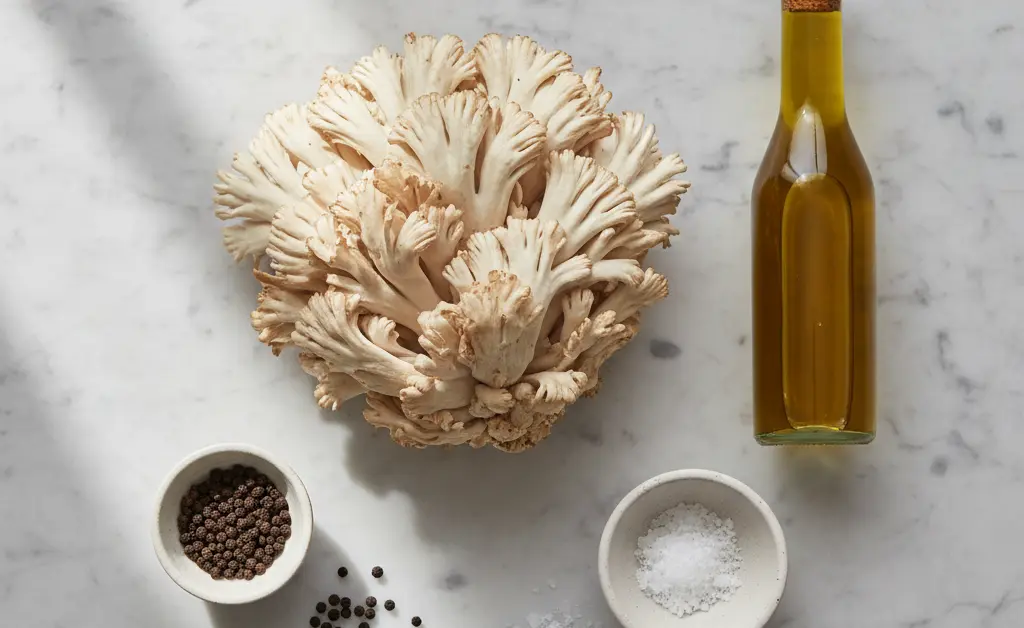
While the maitake mushroom itself brings a wealth of earthy, umami flavor, a few simple additions can elevate its taste profile even further. High-quality olive oil, along with foundational seasonings, creates a perfect base for a deeply savory experience. These ingredients form the foundation for a deeply flavorful roasted maitake mushroom experience.
Enhancing Flavor with Seasoning
The beauty of roasted maitake lies in its ability to absorb and complement various seasonings. A generous drizzle of good olive oil helps achieve that desired crispy texture and carries the flavors. Sea salt and freshly ground black pepper are non-negotiable for enhancing its natural taste. For an added layer of aroma and depth, consider a sprinkle of garlic powder or finely chopped fresh thyme. Some preparations may benefit from a dash of soy sauce or a pat of butter, contributing to an even richer umami flavor.
How to Roast Maitake Mushrooms: Step-by-Step Guide
Achieving perfectly golden brown and tender roasted maitake mushroom requires attention to a few key techniques. From choosing the right equipment to understanding oven dynamics, each step contributes to the ultimate success of this simple yet elegant dish.
Choosing the Right Roasting Pan
A sturdy baking sheet is ideal for roasting maitake. To prevent sticking and ensure easy cleanup, line your baking sheet with parchment paper. This also promotes better airflow around the mushrooms, which is crucial for achieving crispy edges.
Oven Roasting Techniques for Maitake
Preheat your oven to a sufficiently high temperature. This initial heat is vital for quickly drying out the mushrooms’ surface and preventing them from steaming rather than roasting. Arrange the prepared maitake florets in a single layer on the parchment-lined baking sheet, ensuring they are not overcrowded. Ample space between each piece allows for proper air circulation, which is key for developing a desirable texture and even *golden brown* color during the oven-roasted process.
Roasting to Golden-Brown Perfection
Roast the maitake until it becomes tender on the inside and beautifully golden brown with crispy edges on the outside. The exact roasting time may vary depending on your oven and the size of your mushroom pieces. Periodically check the mushrooms and, if needed, gently toss them halfway through to ensure even browning. The aim is to achieve a slightly caramelized exterior and a rich, earthy aroma.
Common Roasting Mistakes to Avoid
One of the most frequent errors is overcrowding the baking sheet. This traps moisture and leads to steaming, resulting in soggy mushrooms rather than crispy ones. Another common mistake is using a temperature that is too low, which prevents the surface from browning properly. Always ensure your oven is fully preheated before adding the mushrooms. Lastly, resist the urge to wash the mushrooms under running water, as excess moisture can be difficult to remove and will hinder crispness.
Achieving the Perfect Crispy Roasted Maitake
The hallmark of truly exceptional roasted maitake is its delightful crispiness. While the internal *meaty texture* remains tender, the exterior should offer a satisfying crunch. This coveted texture transforms the mushroom into a versatile component for many dishes.
Tips for Crispy Texture
To maximize crispiness, ensure the maitake is as dry as possible before it enters the oven. After cleaning, pat the pieces thoroughly with a clean towel. Use a generous amount of olive oil to coat the mushrooms evenly, as the fat conducts heat and aids in browning. As mentioned, arranging the maitake in a single layer with sufficient space on a preheated baking sheet lined with parchment paper is critical. High heat promotes rapid moisture evaporation and caramelization, leading to those sought-after crispy edges.
Roasted Maitake Mushroom Recipes: An Overview
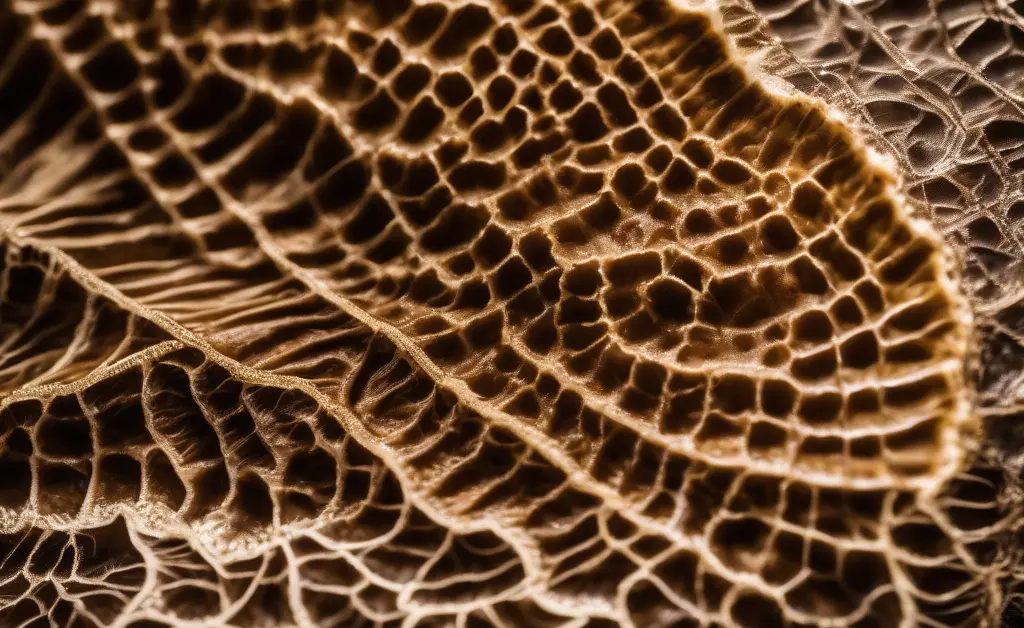
The versatility of roasted maitake mushroom makes it a fantastic addition to a wide range of culinary creations. There are many maitake mushroom recipes to explore, from simple sides to complex entrees. Its robust *earthy* flavor and unique texture can elevate simple meals or act as a standalone delicacy.
Simple Roasted Maitake Recipes
For a truly simple approach, tossing maitake florets with olive oil, sea salt, and black pepper before roasting allows its natural umami to shine. This basic preparation makes an excellent simple side dish or a foundation for more complex meals.
Simple Roasted Hen of the Woods (Maitake)
Emphasizing its alternate name, simple roasted “hen of the woods” focuses on minimal intervention. After cleaning and tearing the clusters, coat them lightly with a good quality oil and season sparsely to highlight the mushroom’s inherent qualities, resulting in a pure, unadulterated flavor experience.
Roasted Maitake with Garlic & Herbs
A classic flavor pairing involves garlic and fresh herbs. After coating the torn maitake pieces with olive oil, add minced garlic or garlic powder, along with finely chopped rosemary or thyme. These aromatics infuse the mushrooms as they roast, creating a highly fragrant and flavorful result.
Exploring Different Roasted Maitake Variations
Beyond the basics, roasted maitake can be adapted to various palates. Consider tossing it with a touch of smoked paprika for a smoky depth, or a splash of balsamic glaze for a tangy sweetness. A hint of red pepper flakes can introduce a gentle heat, making it a dynamic ingredient in your culinary repertoire. For a fun and modern twist, a maitake mushroom tacos recipe can showcase its meaty texture perfectly.
Mastering Whole Roasted Maitake Mushroom
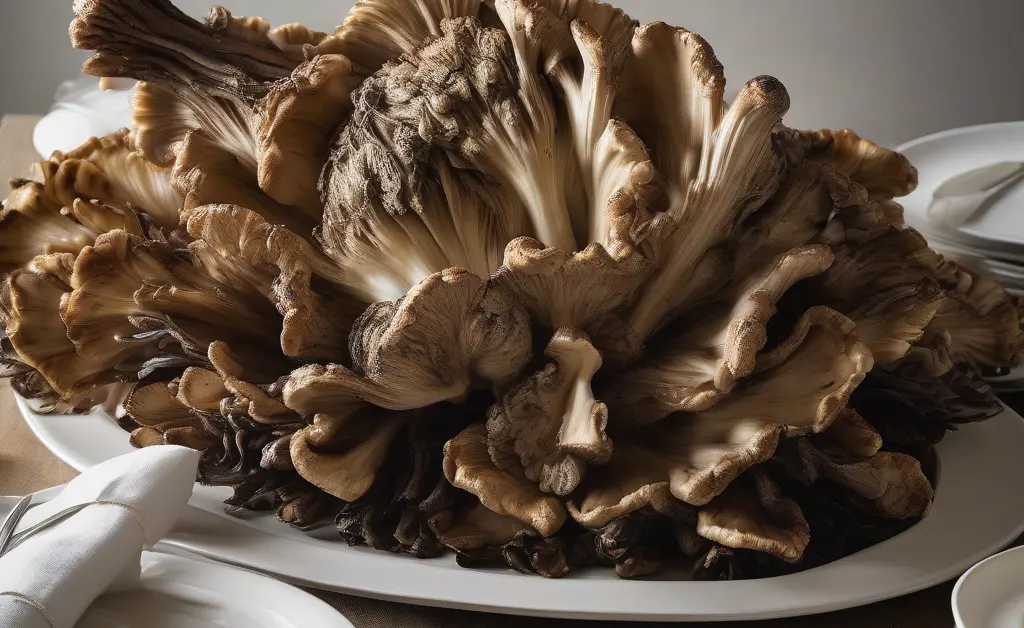
Roasting a whole maitake cluster can be a truly impressive way to prepare this mushroom, transforming it into a stunning centerpiece rather than just a side. The large, intricate clusters of these *wild mushrooms* lend themselves well to this method.
Preparing Whole Maitake for Roasting
When preparing a whole maitake cluster, the goal is to keep its beautiful form intact. Gently brush off any dirt from the entire cluster, being careful not to break it apart too much. If the base is particularly tough or woody, carefully trim only that section. The idea is to preserve its natural structure, allowing it to roast as a majestic, single entity.
Seasoning for Whole Roasted Maitake
For a whole roasted maitake, consider creating a flavorful rub or a basting liquid. A simple mixture of olive oil, sea salt, and freshly ground black pepper is a great starting point. You might also add herbs like thyme or sage, or even a touch of onion powder for more depth. Brushing the entire surface ensures every crevice absorbs the flavors.
Whole Roasted Maitake with Miso Butter
Elevate a whole roasted maitake with a savory miso butter. Combine softened butter with white or yellow miso paste, a hint of soy sauce, and perhaps a touch of garlic. Spread this mixture generously over the maitake cluster before and during roasting. The miso butter adds an incredible layer of umami flavor and richness, creating a wonderfully decadent crust.
Serving Whole Roasted Maitake
A whole roasted maitake makes for an eye-catching presentation. Serve it directly from the oven as a main course for a vegetarian meal, or as an impressive accompaniment to roasted meats. A sprinkle of fresh herbs or a drizzle of a complementary sauce can act as a simple garnish, enhancing both its visual appeal and taste.
Creative Serving Suggestions for Roasted Maitake
Once you have prepared your delicious roasted maitake mushroom, its rich *umami flavor* and satisfying *meaty texture* make it a versatile ingredient that can be incorporated into a multitude of dishes. Its savory profile can enhance everything from light salads to hearty entrees.
Roasted Maitake as a Savory Side Dish
The simplest way to enjoy roasted maitake is as a standalone savory side dish. It pairs wonderfully with grilled or roasted meats, poultry, or fish, complementing their flavors without overpowering them. It can also be served alongside grains like quinoa or farro, or nestled next to a vibrant vegetable medley for a wholesome meal. Its savory depth makes it a wonderful addition to creamy dishes like maitake mushroom risotto.
Roasted Maitake as a Topping for Salads & Noodles
Add a gourmet touch to everyday dishes by using roasted maitake as a topping. Its crispy texture and earthy notes provide a delightful contrast in fresh salads, bringing warmth and depth. For noodle dishes, whether stir-fries or ramen, adding torn pieces of roasted maitake introduces a chewy, flavorful element that enriches the entire bowl. It’s also a key ingredient in traditional Japanese dishes such as maitake mushroom toban yaki.
Roasted Maitake as a Simple Snack
For those who appreciate its unique qualities, crispy roasted maitake can even be enjoyed on its own as a simple snack. Its savory, addictive flavor makes it a healthier alternative to processed snacks, perfect for a quick bite or an appetizer before a meal.
Storage & Reheating Roasted Maitake: Best Practices
Proper storage is essential to maintain the quality and flavor of any leftovers. Allow the roasted maitake to cool completely to room temperature before storing. Place it in an airtight container and refrigerate promptly. When reheating, aim to preserve its texture. A quick re-roast in a hot oven or a toaster oven can help restore some of its desired crispiness, rather than microwaving which may make it soft.
The roasted maitake mushroom stands as a testament to the idea that simple ingredients, treated with care, can yield extraordinary results. Its earthy, umami-rich flavor and delightful texture make it a versatile addition to any culinary repertoire, promising a deeply satisfying and delicious experience whether served as a centerpiece or a simple side.
The purpose of this content is to educate, not to diagnose or treat. This information is intended for general knowledge and informational purposes only, and does not constitute medical advice. Always consult with a qualified healthcare professional for any health concerns or before making any decisions related to your health or treatment.
FAQ
— How do you get maitake mushrooms crispy when roasting?
High heat is essential for crisping, as it allows moisture to evaporate quickly rather than steam. Tearing the maitake into pieces by hand instead of slicing creates more surface area and irregular edges that brown beautifully. Spacing them out on the pan ensures that hot air can circulate around each piece for even cooking.
— What temperature should you roast maitake mushrooms at?
A relatively high oven temperature is used for roasting maitake to achieve a crispy, browned exterior and a tender interior. This level of heat helps drive off the mushroom’s water content efficiently. The process encourages the Maillard reaction, which is responsible for developing deep, savory flavors.
— Do you need to wash maitake mushrooms before roasting?
Maitake mushrooms are highly absorbent, so soaking or rinsing them in water can lead to a soggy final texture. Excess moisture hinders the browning process and prevents the fronds from becoming crisp in the oven. It is more effective to use a soft brush or a damp cloth to gently wipe away any debris.
— How do you know when roasted maitake is done?
The visual and textural cues are the best indicators of doneness. The frilly edges will turn a deep golden-brown and become noticeably crisp to the touch. The mushrooms will also have shrunk considerably as their water content has evaporated.
— What does roasted maitake taste like?
Roasting concentrates maitake’s natural umami flavor, making it deeply savory, earthy, and rich. The high heat develops complex, nutty, and slightly peppery notes that are not present when the mushroom is raw. A well-prepared roasted maitake mushroom offers a delightful textural contrast between its tender core and crispy, delicate fronds.