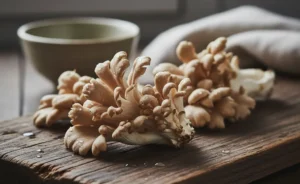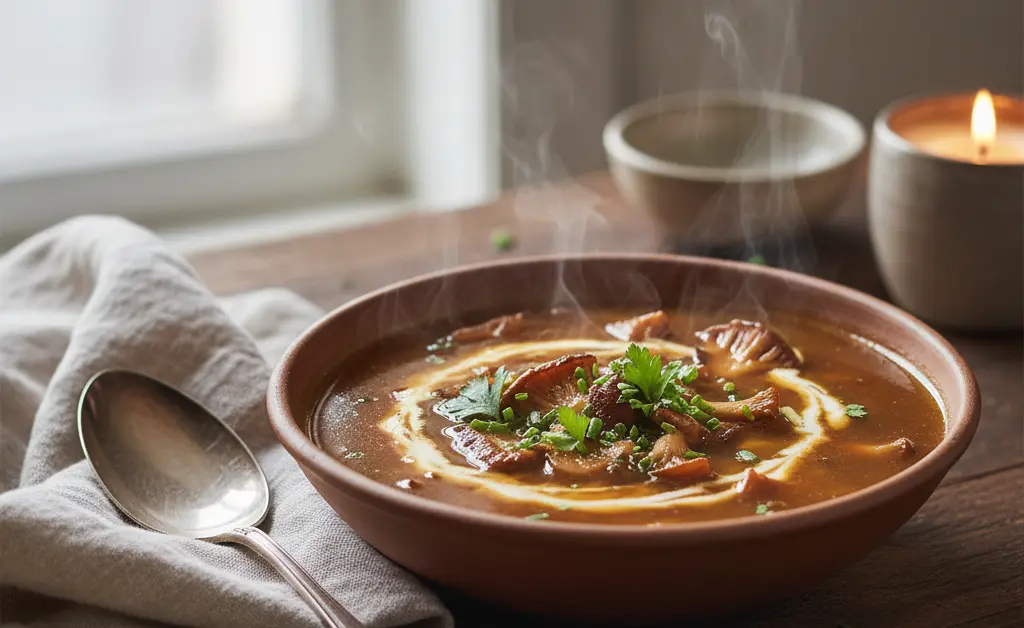
While it’s often assumed that truly exceptional, restaurant-quality soups demand extensive culinary expertise or a pantry full of rare ingredients, the truth is that profound flavor can frequently be achieved through surprising simplicity. Harnessing the natural essence of high-quality components often yields the most remarkable results. Maitake mushrooms, celebrated for their unique earthy aroma, delicate texture, and rich umami depth, exemplify this principle perfectly. They possess an inherent ability to transform a basic broth into something truly special without requiring undue complexity. This comprehensive guide will dispel any notions of difficulty, proving that a delightful maitake mushroom soup recipe is well within reach for home cooks. We will explore four distinct and accessible methods to prepare this nourishing and flavorful dish, inviting you to discover the versatile charm of maitake.
Maitake Mushroom Soup Ingredients
Crafting an exquisite maitake mushroom soup begins with selecting quality components. Beyond the star ingredient, other elements like a rich vegetable stock for soup, aromatics such as garlic and onions, and a selection of herbs are foundational. Maitake mushrooms are not only prized for their flavor but are also a subject of scientific interest for their potential properties, with research documented by institutions like the NIH. Understanding how to prepare your mushrooms, whether fresh or dried, is key to unlocking their full flavor potential in any maitake mushroom soup recipe.
Preparing Fresh Maitake for Soup
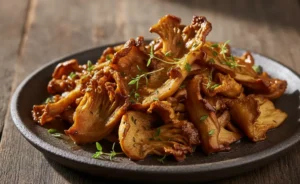
Fresh maitake mushrooms, often referred to as “hen of the woods,” arrive in beautiful, ruffled clusters. To prepare them for soup, begin by gently brushing away any visible dirt or debris with a soft brush or a damp cloth. Avoid rinsing them under running water excessively, as mushrooms tend to absorb moisture, which can dilute their flavor and affect their texture. Once cleaned, trim off any tough or woody bases. The frilly caps can then be broken or sliced into bite-sized pieces. These fresh maitake pieces will add a distinct earthy mushroom taste and a pleasing textural element to your finished soup. Its substantial texture also makes it a popular meat substitute; some even prepare a savory maitake mushroom fried chicken.
Rehydrating Dried Maitake Mushrooms
Dried maitake mushrooms offer a concentrated umami flavor that can greatly enhance the depth of your soup, especially when fresh varieties are not readily available. To rehydrate them, place the dried mushrooms in a bowl and cover them with hot water or warm broth. Allow them to soak for about 20-30 minutes, or until they are fully softened. Once rehydrated, gently squeeze out any excess liquid from the mushrooms and chop them as desired. Importantly, the soaking liquid, often referred to as mushroom broth, should be strained through a fine-mesh sieve or cheesecloth to remove any grit, and can then be incorporated into your soup base, adding another layer of rich, earthy flavor.
Step-by-Step: How to Make Maitake Mushroom Soup
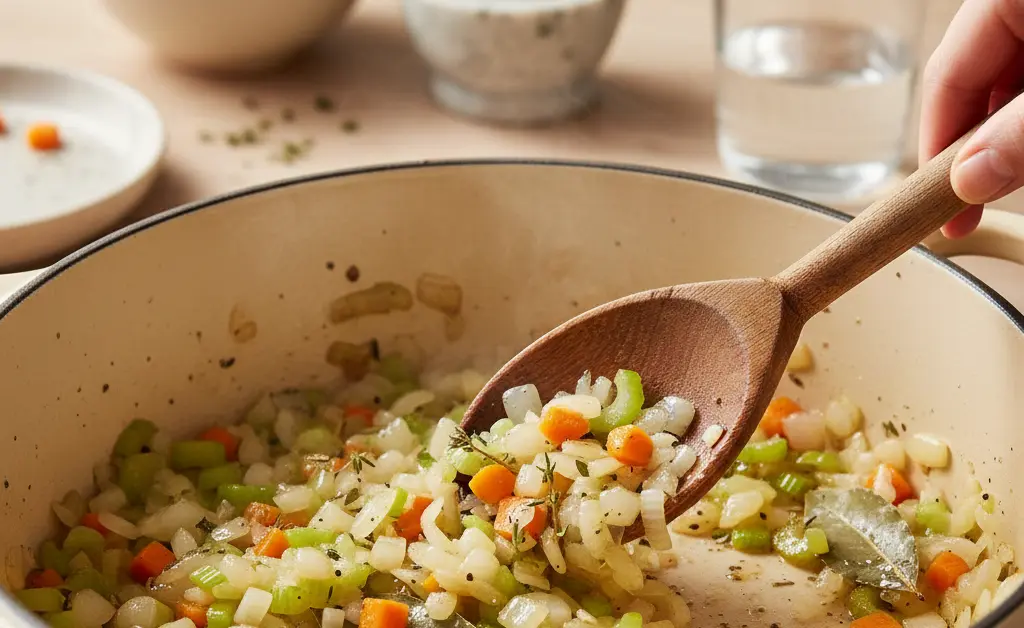
Regardless of the specific maitake mushroom soup recipe you choose, the fundamental steps of building flavor remain consistent. This principle applies across all kinds of maitake mushroom recipes. From carefully sautéing aromatics to patiently simmering the broth, each stage contributes to the overall deliciousness of the final dish, ensuring a deeply satisfying experience.
Building the Flavor Base: Sautéing Aromatics
The foundation of any great soup lies in its aromatics. Begin by sautéing aromatics such as finely chopped onions and garlic in a bit of olive oil or butter in a Dutch oven or a large pot. Cook them gently until they become translucent and fragrant, which typically takes a few minutes. This process releases their sweet, savory compounds, creating a rich backdrop for the maitake. For an added layer of complexity, you might consider incorporating herbs like fresh thyme or a bay leaf for flavor during this initial stage, allowing their essences to infuse into the cooking oil before the mushrooms are added.
Simmering for Optimal Taste
Once the aromatics and mushrooms have been introduced, and any liquids like vegetable stock or rehydrated mushroom broth are added, the soup transitions into its simmering phase. This gentle cooking process is crucial for developing an optimal taste and allowing all the flavors to meld together. A slow, steady simmer, rather than a rolling boil, ensures that the ingredients release their full potential without becoming overcooked. This is where the umami flavor profile of the maitake truly shines, integrating seamlessly with the other ingredients to create a cohesive and deeply satisfying maitake mushroom soup. Its robust, savory quality is why a maitake mushroom steak recipe is another popular way to enjoy this ingredient.
Simple Maitake Mushroom Soup Recipe
For a straightforward yet deeply satisfying experience, a simple maitake mushroom soup recipe focuses on highlighting the natural, earthy mushroom taste. Begin by sautéing cleaned and chopped fresh maitake mushrooms until they are lightly browned, which helps to concentrate their flavor. Add finely chopped garlic and perhaps some shallots, cooking until fragrant. Pour in a good quality vegetable stock, allowing the mixture to simmer gently for about 15-20 minutes. Season with salt, freshly ground black pepper, and a touch of fresh parsley or chives before serving. This approach offers a hearty vegetarian soup that truly celebrates the unique essence of maitake.
Creamy Maitake Mushroom Soup Recipe
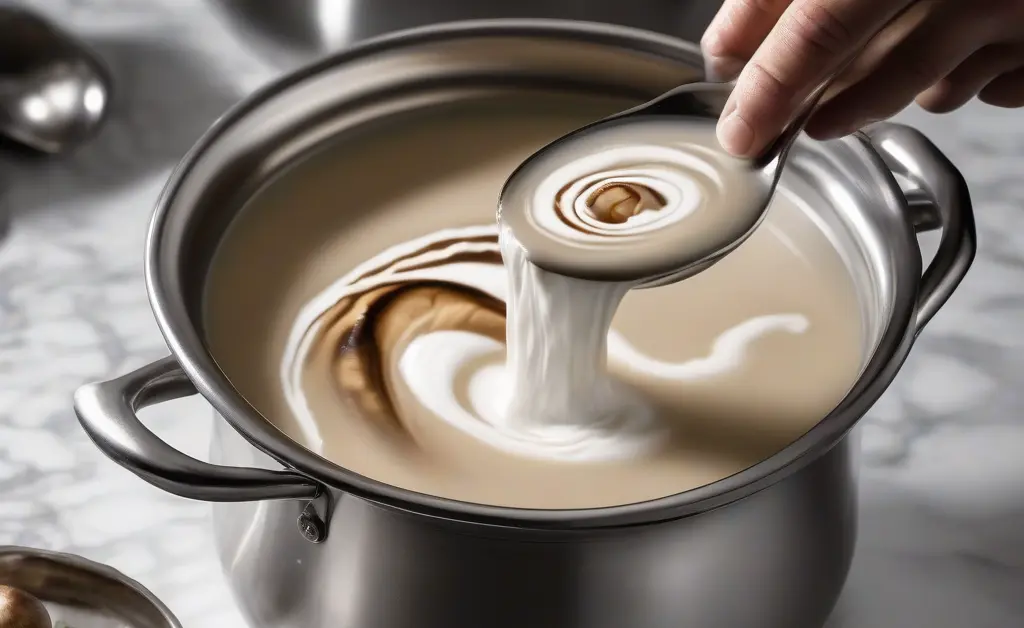
A creamy maitake mushroom soup recipe offers a luxurious texture alongside the mushroom’s distinct flavor. After sautéing the maitake and aromatics, you might deglaze the pot with a splash of cognac in soup for an extra layer of depth. Add vegetable stock and simmer until the mushrooms are tender. For creaminess, a portion of the soup can be pureed using an immersion blender until smooth, then returned to the pot. Stir in a generous amount of heavy cream or a plant-based alternative for a vegan option, gently heating it through without boiling. This creates a velvety wild mushroom soup that is both comforting and sophisticated.
Maitake Miso Soup
Incorporating maitake into a miso soup base brings a delightful fusion of earthy and savory notes. Prepare a dashi broth as your base, or use a good quality vegetable stock. Gently simmer your maitake mushrooms until tender. Separately, whisk white or red miso paste with a small amount of warm broth until smooth, ensuring no lumps remain. Crucially, remove the soup from the heat before stirring in the dissolved miso paste to preserve its beneficial enzymes and delicate flavor. Garnish with chopped scallions and a sprinkle of sesame seeds. This maitake mushroom soup recipe is a wonderful way to enjoy the umami richness of both ingredients.
Thai-Inspired Maitake Mushroom Soup (Tom Kha Gai Style)
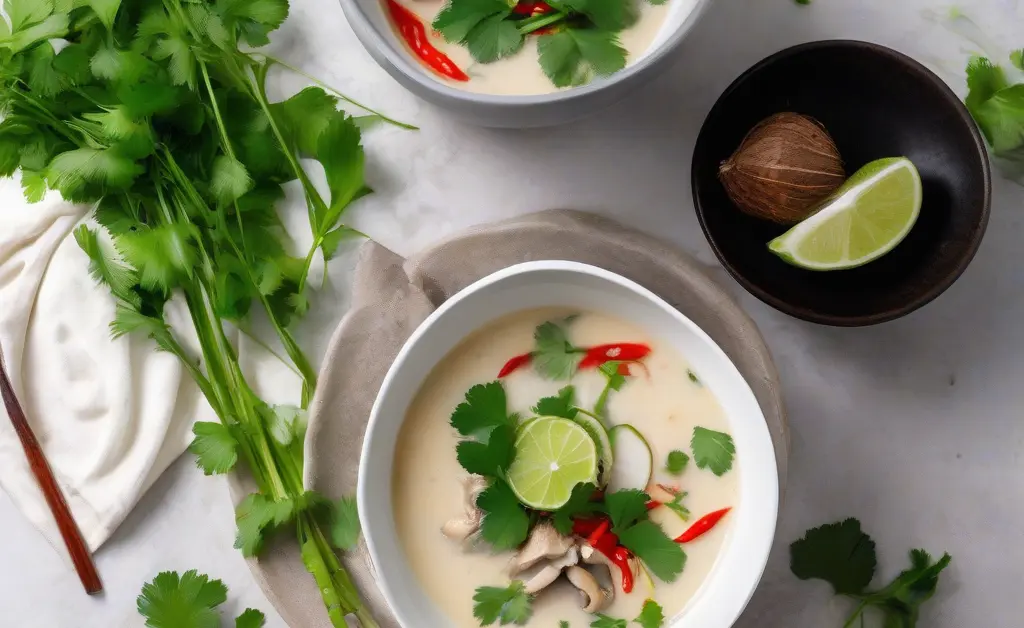
For a vibrant and aromatic experience, a Thai-inspired maitake mushroom soup offers a delightful twist. This Tom Kha Gai style preparation involves infusing coconut milk with classic Thai flavors. Begin by simmering coconut milk with aromatics such as sliced galangal (or ginger), lemongrass stalks, and kaffir lime leaves. Add fresh maitake mushroom pieces and continue to simmer until they are tender. Season the soup with fish sauce (or a tamari substitute for a vegan version) and lime juice to achieve the characteristic balance of salty, sour, and subtly sweet notes. A pinch of chili flakes can add a gentle warmth. This exotic maitake mushroom soup recipe is a fragrant and incredibly flavorful dish.
Recipe Tips & Flavor Variations
Exploring ingredient substitutions for flavor profile is a great way to personalize your maitake mushroom soup. What flavors pair well with maitake mushrooms? Beyond classic herbs like thyme, consider rosemary, or even a hint of nutmeg. For incorporating other mushroom varieties, cremini or shiitake can complement maitake beautifully, adding further complexity to the umami flavor profile.
Creamy vs. Clear Maitake Soup Options
The choice between a creamy and clear maitake mushroom soup significantly impacts its character. A clear broth emphasizes the delicate texture and pure, earthy mushroom taste of the maitake, often feeling lighter and more invigorating. It allows the individual notes of the mushrooms and subtle aromatics to shine through distinctly. A creamy version, achieved by adding heavy cream, coconut milk, or pureeing a portion of the soup with an immersion blender, creates a richer, more indulgent experience. This approach provides a velvety mouthfeel and can offer a comforting warmth, often making it a heartier vegetarian soup option. The mushroom’s satisfying, meaty chew is also why it’s a fantastic base for a hearty maitake mushroom burger.
Garnishing and Serving Suggestions
Thoughtful garnishing for mushroom soup not only adds visual appeal but also enhances the overall flavor and texture. Fresh herbs like finely chopped chives, parsley, or dill can provide a bright, fresh contrast. A swirl of crème fraîche, a dollop of plain yogurt, or a drizzle of truffle oil can elevate a creamy maitake mushroom soup. For added texture, consider toasted croutons, crispy fried shallots, or toasted nuts. Serving the soup hot, perhaps with a side of crusty bread or a light salad, completes the meal, making each spoonful a delightful experience.
Storage and Reheating Maitake Mushroom Soup
Proper storage and reheating are essential for enjoying your homemade maitake mushroom soup safely and maintaining its quality over time. Following these guidelines ensures that the delicious flavors and textures you worked to create can be savored again.
Refrigeration Guidelines for Maitake Soup
Once your maitake mushroom soup has cooled to room temperature, it should be transferred to airtight containers for refrigeration. Storing it promptly helps to maintain freshness and prevent spoilage. When properly refrigerated, the soup typically remains good for a few days. Always ensure the containers are sealed tightly to prevent any absorption of odors from other foods in the refrigerator, which could affect the delicate flavor of the maitake mushroom in soup.
Freezing and Thawing Maitake Soup Properly
Many maitake mushroom soups, especially those with a clear broth, freeze quite well. For best results, allow the soup to cool completely before transferring it to freezer-safe containers or heavy-duty freezer bags. If your soup contains dairy, it’s sometimes best to add the cream component upon reheating, as dairy can occasionally separate when frozen and thawed. When you’re ready to enjoy it again, thaw the soup overnight in the refrigerator or gently reheat it from frozen on the stovetop over low heat, stirring occasionally. This method helps to preserve the texture and flavor, ensuring your maitake mushroom soup remains delicious.
From simple, earthy broths to rich, creamy concoctions and exotic, aromatic variations, the maitake mushroom proves its versatility in the kitchen. Crafting a delicious maitake mushroom soup recipe is not only achievable for home cooks but also offers a rewarding culinary journey, allowing the unique character of this magnificent mushroom to truly shine in every comforting bowl.
This article is meant for general informational use and awareness. It is not intended to provide medical advice, diagnoses, or treatment recommendations, nor should it be used as a substitute for professional medical counsel. Always consult with a qualified healthcare provider for any health concerns or before making any decisions related to your health or well-being.
FAQ
— Can fresh maitake mushrooms be used instead of dried in soup?
Yes, fresh maitake can certainly be used, offering a different textural experience than dried varieties. Dried mushrooms provide a more concentrated, umami-rich flavor to the broth, while fresh maitake contributes a milder taste and a pleasant, tender consistency. The choice between them simply alters the final character of the soup.
— What are good substitutes for cognac in maitake mushroom soup?
The purpose of cognac is to add a layer of complex, sweet, and oaky flavor that complements the earthiness of the mushrooms. For an alcohol-free alternative, a high-quality vegetable or mushroom broth with a small amount of balsamic vinegar can provide similar depth. Other spirits like brandy or a dry sherry are also excellent substitutes that bring their own distinct aromatic qualities to the dish.
— How should I prepare maitake mushrooms for soup?
Maitake mushrooms grow in clusters, so it’s best to start by gently brushing off any debris from the base and delicate fronds. Instead of rinsing, which can make them soggy, a damp cloth is effective for cleaning. The clusters can then be pulled apart by hand into smaller, bite-sized fronds, which helps maintain their beautiful and delicate texture in the soup.
— How long can homemade maitake mushroom soup be stored?
For optimal flavor and texture, homemade mushroom soup is best consumed within a few days when stored in an airtight container in the refrigerator. The mushrooms’ texture can soften considerably with prolonged storage or reheating. Freezing is also a viable option for longer-term preservation, though the consistency of the mushrooms may change upon thawing.
— What does maitake mushroom taste like in soup?
Maitake mushrooms impart a rich, earthy, and distinctly savory flavor to soups, with a complex profile that is sometimes described as woodsy and slightly peppery. Their firm, feathery fronds absorb the broth well while retaining a satisfyingly tender and almost meaty texture. This unique combination of taste and texture is why so many people search for a good maitake mushroom soup recipe.