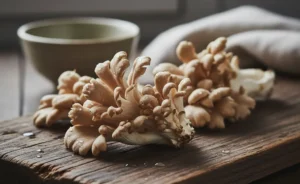

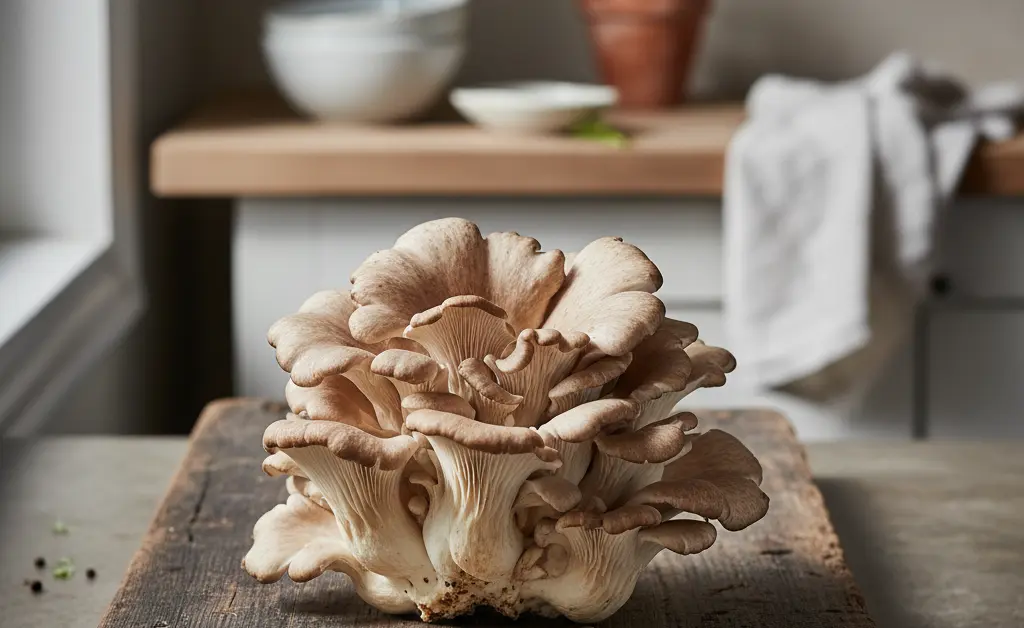
Grifola frondosa, commonly known as maitake mushroom, contains bioactive compounds such as polysaccharides and triterpenes known to exert various physiological effects. Research indicates that certain constituents within this revered fungus may play a role in cardiovascular health, particularly concerning the regulation of arterial pressure. Emerging scientific studies are exploring the specific mechanisms through which maitake mushroom for blood pressure regulation might occur, often highlighting its potential impact on vascular endothelial function and renin-angiotensin system modulation. This article delves into the current scientific understanding of maitake’s influence, examining the evidence and nutritional components that contribute to its potential benefits, as well as practical considerations for its incorporation into a health-conscious lifestyle.
Maitake Mushroom for Blood Pressure: Scientific Insights
Review of Relevant Scientific Findings
Extensive research has focused on the various bioactive compounds found in maitake mushroom, particularly its polysaccharides, such as beta-glucans. Studies have explored the potential impact of these compounds on several physiological systems, including the cardiovascular system. A wealth of this scientific literature is accessible through databases like the National Library of Medicine. Preliminary findings from both in vitro and animal studies suggest a role for maitake in supporting healthy arterial function. Some investigations have specifically looked at how components of maitake mushroom for blood pressure management might influence the regulation of vasoconstriction and vasodilation, which are crucial processes in maintaining optimal arterial pressure. These findings underscore the ongoing scientific interest in Grifola frondosa as a subject for further cardiovascular research.
Is mushroom good for high blood pressure
The broader category of functional mushrooms has garnered attention for their potential health benefits, including aspects related to cardiovascular well-being. While individual mushroom species possess unique profiles of bioactive compounds, many share general properties that may support overall health. For instance, certain mushrooms are recognized for their antioxidant properties, which can contribute to vascular health by mitigating oxidative stress. When considering specific mushrooms, like maitake, for their potential influence on blood pressure, it’s important to differentiate between general health support and direct therapeutic effects. While the focus here is on blood pressure, the overall maitake mushroom benefits contribute to its status as a valuable functional food. Many believe that incorporating a variety of healthful foods, including certain mushrooms, into a balanced diet can contribute to a lifestyle that supports healthy blood pressure levels.
How Maitake Mushrooms May Influence Blood Pressure
Potential Mechanisms for Lowering Blood Pressure
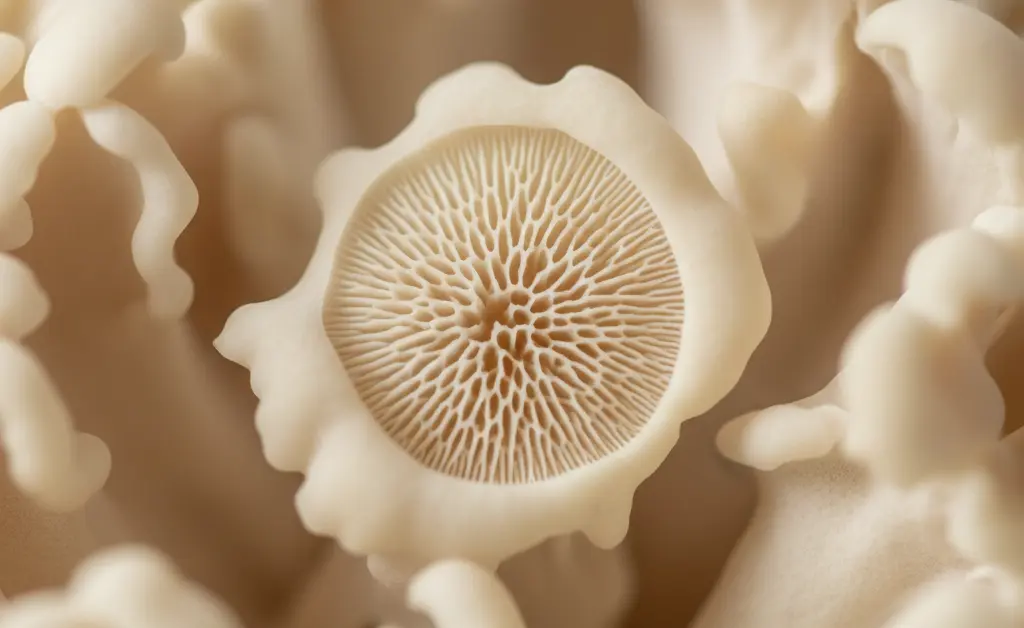
Maitake mushrooms contain a complex array of compounds that are studied for their potential to support cardiovascular health. One area of focus is the possible influence of maitake on the renin-angiotensin system, a crucial hormonal pathway that regulates blood pressure and fluid balance. Research suggests that certain components of Grifola frondosa may interact with this system, potentially contributing to a relaxing effect on blood vessels, known as vasodilation. Additionally, maitake’s rich beta-glucan content is thought to play a role in supporting healthy cholesterol levels, which can indirectly contribute to vascular health and efficient blood flow. The overall effect of maitake mushroom for blood pressure support is believed to involve a multifaceted approach, potentially impacting several physiological processes concurrently.
Understanding Maitake’s Nutritional Profile
The nutritional profile of maitake mushroom is notably rich in bioactive compounds that contribute to its recognized health-promoting properties. It is particularly known for its abundance of polysaccharides, especially beta-glucans, which are complex carbohydrates linked to immune system modulation and other benefits. Beyond polysaccharides, maitake also contains triterpenes, which are organic compounds studied for their anti-inflammatory potential. The mushroom is also a source of various vitamins and minerals, including B vitamins, vitamin D (when exposed to UV light), copper, and potassium. Beyond its cardiovascular and immune-modulating properties, emerging research also explores maitake mushroom benefits for brain health. These nutrients collectively contribute to general well-being and cellular function, further underscoring the potential of maitake mushroom for heart health and overall vitality.
Forms, Usage, and Dosage for Blood Pressure Support
Interaction with Blood Pressure Medications
When considering the incorporation of maitake mushroom, or any functional food, alongside conventional medical treatments, particularly blood pressure medications, caution is always advisable. The bioactive compounds in maitake, while potentially beneficial, may exert physiological effects that could theoretically interact with pharmaceutical interventions. For instance, if maitake is considered to have a hypotensive effect, it might synergize with or potentially augment the action of antihypertensive drugs, which could lead to an undesired reduction in arterial pressure. Individuals managing their blood pressure with prescribed medications should always consult with their healthcare provider before introducing maitake mushroom or any new herbal supplement to their regimen. This consultation is critical for all individuals, including when considering maitake mushroom for kids, to ensure safety and appropriateness. A healthcare professional can provide personalized guidance, assess potential drug interactions, and ensure that any changes support overall health goals safely.
Maitake vs. Other Functional Mushrooms for Blood Pressure
While maitake mushroom garners significant attention for its potential role in cardiovascular health, it is one of several functional mushrooms studied for similar benefits. Other notable functional mushrooms include Reishi (Ganoderma lucidum), Shiitake (Lentinula edodes), and Cordyceps (Cordyceps sinensis or militaris), each possessing unique chemical profiles and traditional uses. Reishi is widely recognized for its triterpenes and polysaccharides, which are extensively studied for their adaptogenic and immune-modulating properties, and it is also explored for its potential influence on blood pressure. The interest in adaptogenic effects has also led to investigations into using maitake mushroom for anxiety. Shiitake mushrooms are known for their eritadenine, a compound thought to support healthy cholesterol levels, which indirectly benefits cardiovascular function. Cordyceps is often associated with energy and respiratory health but also has research exploring its vascular effects. While all these mushrooms contribute to overall wellness, specific research often highlights maitake mushroom for blood pressure management due to its unique polysaccharide fractions and their studied impact on vascular endothelium and the renin-angiotensin system. Understanding the distinct properties of each mushroom can help in choosing the most appropriate one for specific wellness goals.
Incorporating Maitake into a Wellness-Focused Diet

Culinary Preparations: Soups, Stir-fries, and Teas
Integrating maitake mushroom into a daily diet can be both delicious and beneficial for those focusing on wellness. Its unique earthy and slightly peppery flavor profile makes it a versatile ingredient in various culinary applications. Fresh maitake can be easily added to hearty soups, where its texture holds up well, imparting depth of flavor. It also excels in stir-fries, absorbing the flavors of sauces while retaining a pleasant bite. For a simpler approach, dried maitake can be rehydrated and then used in cooking, or even brewed into a savory tea, sometimes combined with other herbs or spices. Beyond whole mushrooms, maitake extract and powder forms are available, offering concentrated ways to incorporate its beneficial compounds into smoothies, broths, or other recipes. Consistent inclusion of maitake mushroom into meals can be a natural way to support a health-conscious lifestyle.
The exploration into the effects of maitake mushroom for blood pressure continues to reveal promising insights into its potential role in supporting cardiovascular health. Its rich composition of bioactive compounds, particularly polysaccharides and triterpenes, positions it as a subject of ongoing scientific interest for its ability to influence various physiological pathways involved in arterial pressure regulation. While research continues to unfold, incorporating maitake into a balanced and wellness-focused diet can be a valuable addition for those seeking natural ways to support their overall health.
The purpose of this content is to educate, not to diagnose or treat. This information is intended for general knowledge and informational purposes only, and does not constitute medical advice. Always seek the advice of a qualified healthcare professional for any medical concerns or before making any decisions about your health or treatment. Do not disregard professional medical advice or delay in seeking it because of something you have read here.
FAQ
— Can maitake mushroom lower your blood pressure?
Certain compounds within maitake mushrooms have been researched for their interaction with the body’s renin-angiotensin system, a complex hormonal network that plays a key role in regulating vascular tension. The scientific exploration of maitake mushroom for blood pressure focuses on how these components influence pathways related to cardiovascular function. This interaction is central to its reputation in traditional wellness practices.
— Is it safe to take maitake with blood pressure medication?
Because maitake contains bioactive compounds that can influence physiological systems, it is essential to discuss its use with a qualified healthcare provider. They can properly assess any potential interactions with your specific medications and overall health profile. This consultation ensures a safe and personalized approach to your wellness routine.
— How much maitake extract should I take for hypertension?
There is no standardized dosage for maitake extract, as effective amounts can vary based on the product’s concentration and an individual’s unique physiology. Product labels provide manufacturer-specific serving suggestions for their formulation. Consulting with a healthcare professional can help you understand what is appropriate for your personal health circumstances.
— What is the flavor profile of maitake mushrooms?
Maitake mushrooms possess a rich, savory flavor profile with deep earthy and woodsy notes. Many people also detect a distinct peppery quality and a strong umami taste, which makes it a prized culinary ingredient. When cooked, its texture becomes tender and succulent.
— Where are maitake mushrooms typically found in the wild?
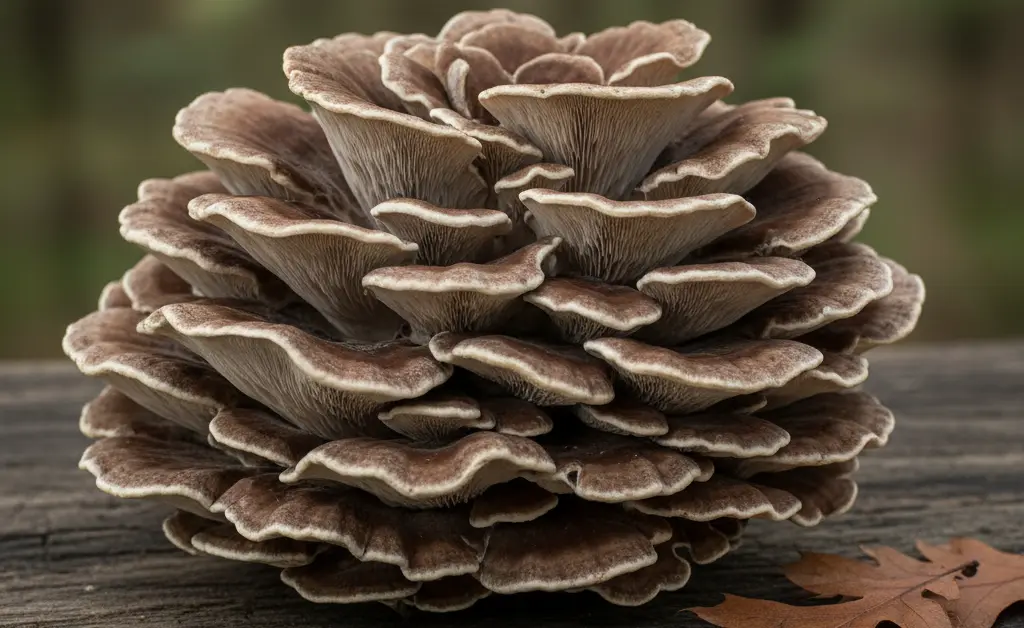
In the wild, maitake, also known as Hen of the Woods, grows in large, fan-shaped clusters at the base of hardwood trees, particularly oaks. It is native to the temperate forests of northeastern Japan, North America, and Europe. This fungus typically fruits in the autumn months, often returning to the same spot for several years.