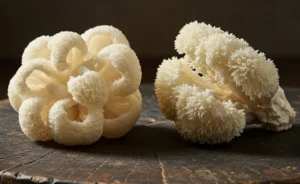
Imagine a time when nature was the primary pharmacy. Ancient cultures often turned to their environment for remedies and sustenance, discovering plants and fungi with remarkable properties. One such discovery, revered for centuries in traditional Eastern medicine, is the maitake mushroom. This unassuming fungus, often found growing at the base of trees, has garnered significant attention in modern health circles due to its impressive nutritional profile and broad range of health-supporting compounds. Exploring the comprehensive maitake mushroom benefits reveals its potential to contribute significantly to overall wellness, from bolstering immunity to supporting metabolic health. This article delves into the scientific evidence behind its touted advantages and practical ways to incorporate it into a balanced lifestyle.
Maitake Mushroom Benefits: An Overview
The maitake mushroom, scientifically known as Grifola frondosa, is highly regarded as a medicinal mushroom with a rich history of use. Its distinctive appearance, often described as a “hen of the woods,” belies a complex array of bioactive compounds that are believed to support various aspects of human health. Across traditional practices and modern research, the comprehensive maitake mushroom benefits often center on its potential to bolster the body’s natural systems and promote overall vitality. From its adaptogen properties, which may help the body respond to stress, to its profound nutritional value, maitake stands out as a fungus with significant wellness potential.
Key Health Benefits of Maitake Mushrooms

Supports Immune System Function
One of the most extensively studied aspects of maitake mushrooms is their potential to support a healthy immune system. This capability is largely attributed to the presence of complex polysaccharides, particularly beta-glucans and the unique MD-fraction. These compounds are believed to interact with various immune cells, potentially helping to modulate and enhance the body’s natural defensive responses. Regular inclusion of maitake in the diet may contribute to a robust immune system, offering one of the most prominent maitake mushroom benefits. Scientific literature, including studies indexed by the NIH, supports the investigation of these properties.
Promotes Cardiovascular Health
Maitake mushrooms may also play a role in supporting cardiovascular health. Research suggests that certain components within maitake could potentially influence factors associated with heart well-being, such as maintaining healthy cholesterol levels and supporting balanced blood pressure within normal ranges. While more studies are needed, the adaptogen properties and overall nutritional profile of maitake contribute to its traditional use in promoting a healthy circulatory system.

Helps Regulate Blood Sugar Levels
The potential for maitake mushrooms to assist with blood sugar regulation has drawn considerable interest. Studies indicate that compounds in maitake may help the body manage glucose metabolism, potentially supporting the maintenance of healthy blood sugar levels. This effect is thought to be related to its impact on insulin sensitivity and glucose uptake, making it a subject of ongoing research for its role in metabolic health.
Contains Antioxidant Properties
Like many beneficial fungi, maitake mushrooms are a source of various antioxidant compounds. Antioxidants are crucial for cellular health as they help to neutralize free radicals, which can cause oxidative stress and damage to cells. By contributing to the body’s antioxidant defenses, maitake may support overall cellular integrity and reduce oxidative damage, aligning with broader anti-inflammatory benefits.
Potential Role in Healthy Weight Management
Maitake’s potential influence on metabolism has led to its exploration in healthy weight management. While not a direct weight-loss solution, some research suggests that components of maitake might support metabolic functions that indirectly aid in maintaining a healthy weight. This could involve effects on fat metabolism and energy expenditure, although further human studies are needed to fully understand this connection.
Contribution to Cellular Health
Beyond its antioxidant capacity, maitake is considered to contribute to broader cellular health. Its unique blend of polysaccharides, amino acids, and other micronutrients may provide foundational support for cell repair and function. The overall anti-inflammatory potential of maitake further supports a healthy cellular environment, crucial for the optimal operation of various bodily systems.
Maitake mushroom benefits for skin health
Emerging interest points to maitake mushrooms’ potential for skin health. Its antioxidant properties may help protect skin cells from environmental stressors, potentially contributing to a healthier complexion. Furthermore, the hydrating and nourishing compounds found in maitake might support skin elasticity and overall vitality, making it an interesting subject for dermatological research.
Maitake Mushroom Benefits for Specific Demographics
Maitake mushroom benefits for women’s health
Maitake mushrooms have garnered particular attention in the realm of women’s health, primarily due to preliminary research suggesting a potential role in supporting hormonal balance. Studies have explored its effects on conditions like Polycystic Ovary Syndrome (PCOS), where it may help to regulate menstrual cycles and support metabolic health. The adaptogenic nature of maitake may also aid women in managing stress, which can indirectly impact various aspects of health. These specific maitake mushroom benefits are an area of ongoing scientific investigation.
Maitake mushroom benefits for men’s health
While research is less extensive than for women’s health, maitake mushrooms may also offer benefits for men. Its general immune-modulating and antioxidant properties are universally beneficial. Additionally, the potential for maitake to support cardiovascular health and blood sugar regulation are broad health advantages that are relevant for men’s overall well-being. As an adaptogen, it may also help men manage daily stressors, contributing to enhanced vitality and resilience.
Nutritional Components Contributing to Health Benefits
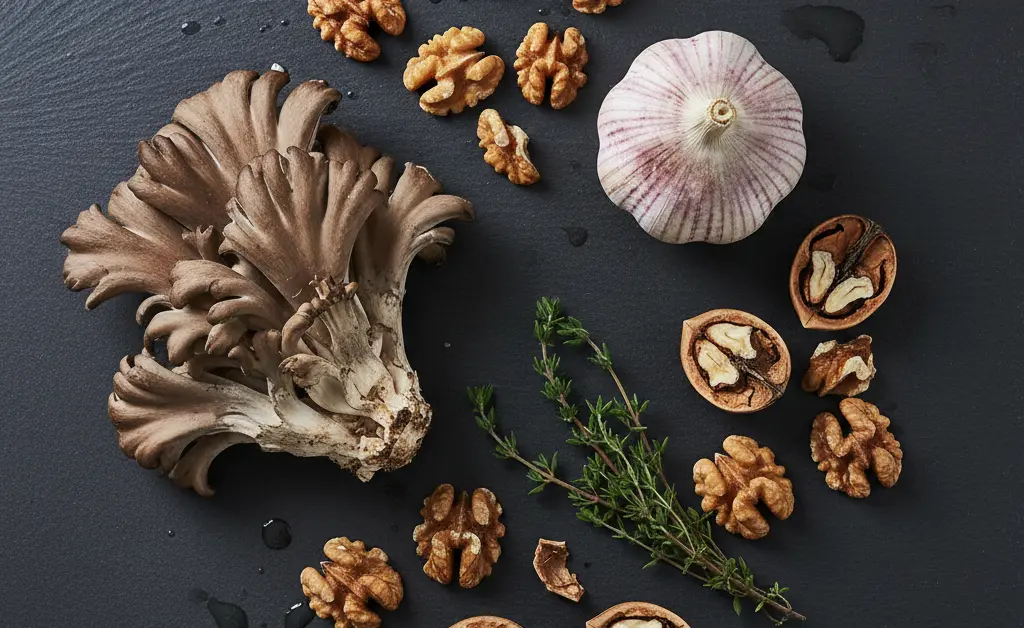
The impressive array of maitake mushroom benefits stems from its rich and diverse nutritional profile. This medicinal mushroom is not only low in calories but also a good source of fiber, proteins, and essential vitamins and minerals, including various B vitamins, copper, potassium, and magnesium. Notably, maitake is one of the few natural food sources of vitamin D, particularly ergosterol, which converts to vitamin D2 when exposed to UV light. This comprehensive nutritional value underpins its broad health-supporting capabilities.
Bioactive Compounds in Maitake
The true power of maitake lies in its unique bioactive compounds. Polysaccharides, especially beta-glucans and the distinctive MD-fraction and Grifolan, are paramount. These complex carbohydrates are recognized for their profound immune-modulating effects. Beyond polysaccharides, maitake contains ergothioneine, an antioxidant amino acid, and various triterpenes and phenolic compounds, all contributing to its adaptogen properties and overall therapeutic potential. The role of maitake mushroom for anxiety management is often linked to these adaptogenic qualities. These components work synergistically to deliver the mushroom’s touted health advantages.
Historical Context and Traditional Use
Maitake mushrooms boast a rich history rooted in traditional Eastern medicine, particularly in Japan and China. The extensive maitake mushroom medicinal uses stem from this long history. For thousands of years, it has been revered as a valuable culinary ingredient and a potent medicinal mushroom. Known as the “dancing mushroom” in Japanese folklore, perhaps because people danced with joy upon finding it due to its profound health benefits, it was often used as a tonic to promote vitality and longevity. Traditional practitioners utilized maitake for immune support, to promote general wellness, and as an adaptogen to help the body maintain balance. Its classification as a medicinal mushroom highlights its esteemed place in ancient healing practices.
Forms of Maitake and Their Associated Benefits
Maitake mushroom powder benefits
Maitake mushroom powder offers a convenient and versatile way to incorporate the benefits of this fungus into one’s diet. Made from dried and ground maitake mushrooms, the powder retains many of the mushroom’s original nutritional components and bioactive compounds, including beta-glucans. It can be easily added to smoothies, soups, teas, or other dishes, providing a concentrated source of its immune-supporting and adaptogenic properties. The powdered form allows for easy integration into daily wellness routines, making the maitake mushroom powder benefits accessible for many.
Understanding Maitake Extracts and Tinctures
Maitake extracts and tinctures represent concentrated forms of the mushroom’s most potent compounds. These are typically created through a process that uses hot water or alcohol to draw out the beneficial polysaccharides, triterpenes, and other bioactive constituents. Extracts, especially standardized ones like the MD-fraction, are often favored for targeted support, such as for the immune system. Tinctures offer a convenient liquid form for absorption, potentially delivering a more potent and bioavailable dose of the mushroom’s properties compared to whole mushroom powder. The specific maitake extract benefits often relate to their higher concentration of active ingredients.
Culinary Uses for Maximizing Benefits
Beyond supplements, integrating maitake mushrooms into culinary preparations is an enjoyable way to harness their benefits. Fresh maitake has a unique earthy, rich flavor and a tender, slightly firm texture that makes it a gourmet addition to various dishes. It can be sautéed, roasted, grilled, or added to stir-fries, soups, and stews. Cooking maitake not only enhances its flavor but also helps to break down its cell walls, potentially making its beneficial compounds more bioavailable. Regular consumption as part of a balanced diet allows for a natural intake of its nutritional value and health-supporting properties.
Safety Considerations and General Precautions

While generally considered safe for most individuals, it is important to be aware of potential safety considerations when incorporating maitake mushrooms into your routine. Some individuals might experience mild digestive upset, such as bloating or gas, especially when first introducing them. Due to its potential effects on blood sugar levels and blood pressure, individuals on related medications should exercise caution and consult with a healthcare professional before use. There is also a theoretical concern regarding maitake mushroom liver damage, though this is rare and typically associated with extremely high doses or pre-existing liver conditions. It is always prudent to start with a small amount to assess individual tolerance and to discuss any concerns with a healthcare provider, especially if you are pregnant, nursing, or have a pre-existing medical condition, to ensure the safe enjoyment of maitake mushroom benefits.
Leveraging Premium Supplements: The Maitake Mushroom Host Defense Standard
While generic powders and extracts offer foundational support, many users look toward specialized formulations like Maitake Mushroom Host Defense for optimized results. This approach to supplementation often focuses on utilizing organic mycelium and fruit bodies to ensure a full spectrum of immunological compounds. By choosing high-standard forms of Maitake, such as those championed by Host Defense, you ensure that the natural ‘host defense’ mechanisms of your body are supported by scientifically-validated mushroom genetics and sustainable harvesting practices.
The maitake mushroom stands as a testament to nature’s profound ability to offer support for human health. From its historical reverence in traditional medicine to its modern scientific exploration, the evidence continues to grow regarding its wide-ranging potential. Its rich composition of polysaccharides, antioxidants, and other bioactive compounds underpins the significant maitake mushroom benefits, particularly in bolstering immune function, supporting cardiovascular health, and aiding in metabolic balance. By understanding its various forms and incorporating it thoughtfully into a wellness regimen, individuals may harness this remarkable fungus to contribute to their overall health and vitality.
It is important to note that this content is not intended as medical advice. The information provided is for general knowledge and informational purposes only, and does not constitute an endorsement of any particular product or treatment. Always seek the advice of a qualified healthcare professional for any questions you may have regarding a medical condition or before making any decisions related to your health or treatment plan.
FAQ
— What are the primary benefits of maitake mushrooms?
The primary maitake mushroom benefits are linked to their rich concentration of bioactive compounds, particularly beta-glucans. These complex polysaccharides play a significant role in supporting healthy immune function and promoting metabolic balance. Research into this mushroom focuses on how its unique components interact with the body’s systems to help maintain overall well-being.
— How do maitake mushrooms support the immune system?
Maitake contains specific beta-glucans that interact with key receptors on immune cells like macrophages, neutrophils, and natural killer (NK) cells. This interaction helps to modulate immune activity, essentially supporting the body’s innate ability to respond to challenges. It is this communication at a cellular level that underpins its reputation for immune support.
— Are there any general precautions when consuming maitake mushrooms?
When introducing any new functional food, it is a common practice to see how it aligns with your body. Consulting a healthcare professional is particularly relevant for individuals with pre-existing health conditions or those taking certain medications. This ensures that its use is appropriate for your personal health profile.
— What is the difference between maitake and other medicinal mushrooms?
While many functional mushrooms contain immune-supporting beta-glucans, each fungus possesses a unique biochemical profile with distinct compounds. Maitake is particularly known for a specific, complex beta-glucan structure that has been the focus of extensive scientific research for its immune-modulating properties. This distinct composition differentiates its biological activity from mushrooms like lion’s mane or reishi.
— Can you consume maitake mushrooms daily?
As a culinary ingredient, maitake has long been incorporated into daily diets in various cultures. In supplement form, consistent use is a common approach for individuals looking to support their long-term wellness goals. The suitability of a daily routine depends on personal objectives and body constitution.