
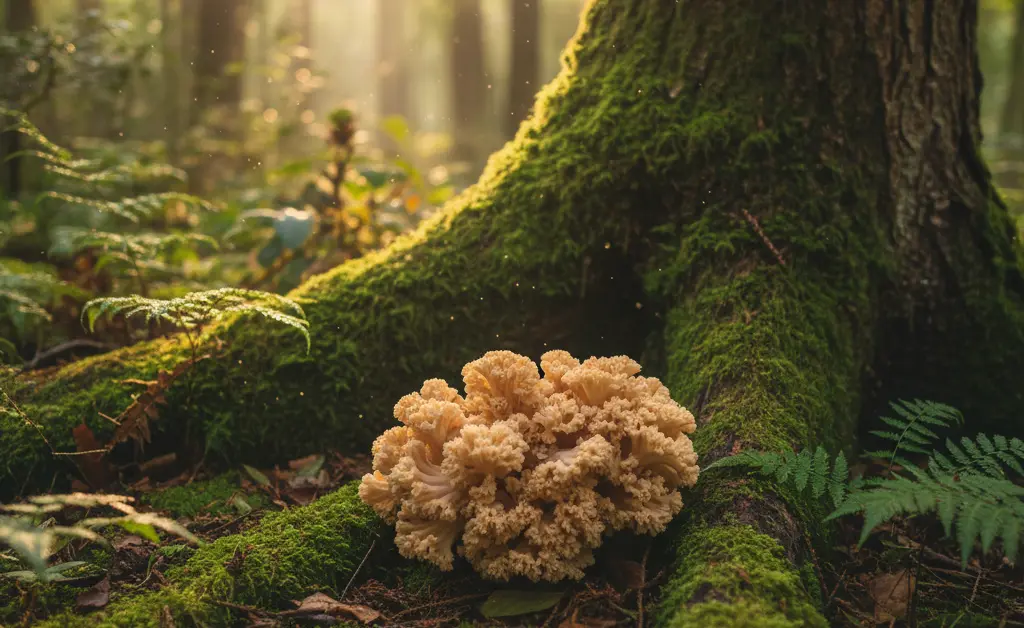
The increasing prevalence of anxiety disorders has spurred a growing interest in natural health remedies and adaptogenic substances. Among these, the maitake mushroom, scientifically known as Grifola frondosa, has garnered attention for its potential wellness benefits. Traditionally valued in Eastern medicine for its immune-modulating properties and rich nutritional profile, maitake is now being investigated for its broader impact on human health, including its role in mental well-being. This article delves into the current understanding of how maitake mushroom for anxiety might offer a natural approach to managing stress. We will explore its adaptogenic qualities, examine the available scientific evidence, and discuss its nutritional contributions that support overall physiological balance, providing a comprehensive look at this fascinating fungus.
Maitake Mushroom for Anxiety: An Overview
Maitake, also known as “hen of the woods,” is a functional mushroom recognized for its unique texture and earthy flavor, making it a popular ingredient in culinary practices worldwide. Beyond its gastronomic appeal, Grifola frondosa has been a staple in traditional Asian medicine for centuries, primarily celebrated for its immune-supporting properties. More recently, interest has grown in its potential role as an adaptogen, substances believed to help the body adapt to various forms of stress, both physical and mental. The exploration into maitake mushroom for anxiety focuses on how this natural remedy might influence the body’s stress response and contribute to overall mental health.
Maitake as an Adaptogen: Modulating Stress and Anxiety

Adaptogens are a unique class of natural substances that are thought to help the body resist the damaging effects of stress and restore normal physiological function. Maitake’s classification as an adaptogen suggests it may assist the body in maintaining balance during challenging times. This could be particularly relevant for individuals experiencing stress or seeking natural support for their nervous system. The potential of maitake mushroom for anxiety management lies in its ability to support the body’s natural resilience.
Supporting the body’s resistance to mental stressors
Mental stressors can manifest in various ways, impacting mood, focus, and overall well-being. Adaptogenic functional mushrooms like maitake are traditionally understood to help the body’s systems, including the endocrine and immune systems, cope with these demands more effectively. By potentially supporting internal balance, maitake may contribute to a more stable state, making it easier for the body and mind to navigate daily pressures. This holistic wellness approach aims to enhance the body’s innate ability to maintain equilibrium rather than targeting specific symptoms.
Potential effects on cortisol levels
Cortisol is often referred to as the “stress hormone” because its levels typically rise in response to stress. Prolonged elevation of cortisol can have various negative effects on the body, including impacting mood and contributing to feelings of unease. Since stress and cortisol are closely linked to sleep quality, some are exploring the use of maitake mushroom for sleep support as well. Some adaptogens are studied for their potential role in cortisol regulation, helping to modulate the body’s stress response and prevent overactivity of the adrenal glands. While research specific to maitake’s direct impact on human cortisol levels is ongoing, its general adaptogenic properties suggest it may play a supportive role in promoting a healthy stress response, indirectly contributing to mental health and a sense of calm.
Does Maitake Mushroom Reduce Anxiety? Exploring the Evidence
While traditional use and anecdotal reports offer insights into the potential benefits of maitake, scientific investigation is crucial to understanding its mechanisms and efficacy. Health organizations like the NHS emphasize the importance of evidence-based approaches for managing health conditions. The question of whether maitake mushroom for anxiety specifically reduces symptoms is a complex one, requiring rigorous study. Current research often focuses on the broader adaptogenic effects of maitake and other functional mushrooms, exploring how they might support overall well-being, which in turn could positively influence mood and stress perception.
Research on adaptogenic mushrooms and mood
The field of adaptogenic mushrooms is gaining traction in scientific communities, with studies exploring their impact on various aspects of health, including mood support and cognitive function. While direct clinical trials specifically on maitake and human anxiety are still emerging, related research on Grifola frondosa often highlights its general support for physiological balance. This foundational support is considered essential for mental health, as a balanced internal environment can improve the body’s capacity to handle stress and maintain a more stable emotional state. Many studies on functional mushrooms investigate their role in immune support, which is intricately linked to overall well-being and can indirectly influence mental states. Other areas of research include its effects on metabolic markers, such as the potential use of maitake mushroom for blood sugar.
Nutritional Profile and Its Relation to General Well-being
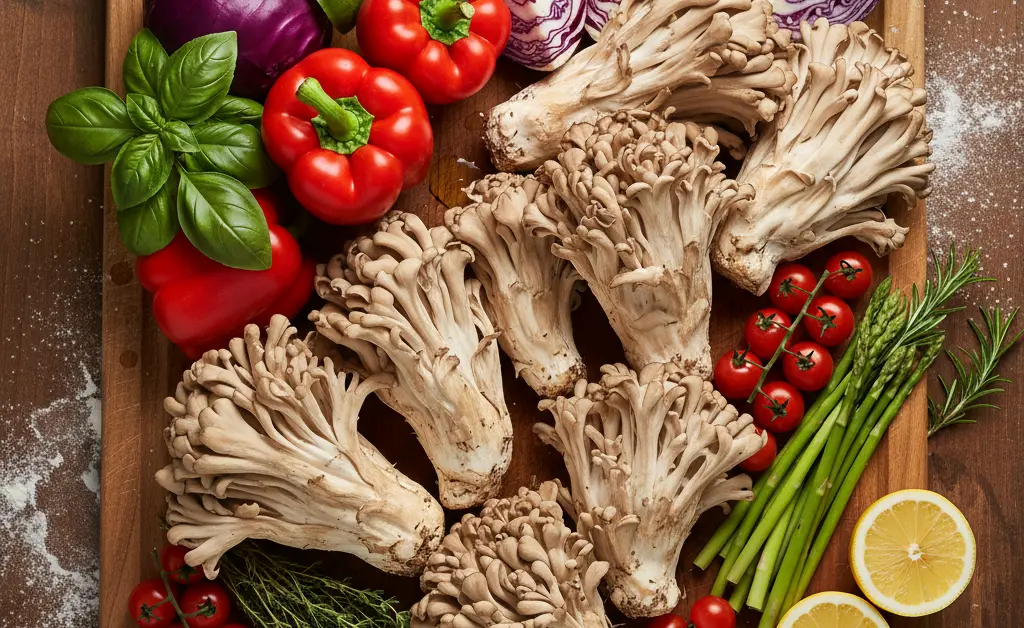
Beyond its potential adaptogenic qualities, the maitake mushroom offers a rich nutritional profile that contributes significantly to general well-being, which in turn can influence mental resilience. These general maitake mushroom benefits are foundational to its role in mental wellness. This functional mushroom is packed with vitamins, minerals, and unique compounds that support various bodily functions. These nutritional contributions are an important aspect when considering the broader benefits of maitake mushroom for anxiety, as a well-nourished body is often better equipped to handle stress.
The Role of Beta-Glucans in Overall Bodily Function
Maitake is particularly renowned for its high concentration of beta-glucans, complex polysaccharides that are key to many of its attributed health benefits. These compounds are extensively studied for their immune-modulating properties, helping to support a robust immune system. A healthy immune system is fundamental to overall bodily function and can impact how an individual experiences and responds to stress. Beyond immune support, beta-glucans may contribute to other aspects of health; for example, research is ongoing into the potential of maitake mushroom for cholesterol management, fostering an internal environment conducive to general well-being and potentially influencing a calmer state of mind.
Combining Maitake with Holistic Wellness Practices

Incorporating maitake into a daily routine is often most effective when viewed as part of a broader holistic wellness strategy. This approach recognizes that no single remedy acts in isolation and that optimal mental health arises from a combination of supportive practices. For those exploring maitake as a natural remedy, integrating it with other healthy habits—such as a balanced diet, regular physical activity, adequate sleep, and mindfulness practices—can amplify its potential benefits. This comprehensive view acknowledges the interconnectedness of physical and mental health.
Choosing Between Culinary Maitake and Concentrated Extracts
When considering incorporating maitake into a wellness regimen, individuals have several options, primarily choosing between culinary maitake and more concentrated forms like extracts or powders. Culinary maitake, often enjoyed as “hen of the woods,” provides a delicious way to consume the mushroom, offering its full spectrum of nutrients and beneficial compounds as part of a meal. Cooking with maitake mushrooms can be a pleasurable experience, adding flavor and texture to various dishes. However, for those seeking more targeted or consistent levels of specific compounds like beta-glucans, concentrated extracts, tinctures, or powders may be a more efficient choice. These forms typically deliver a higher concentration of active ingredients, which some believe may offer more pronounced effects. The decision often depends on individual preference, lifestyle, and specific wellness goals.
The exploration of maitake mushroom for anxiety highlights a promising natural avenue for supporting mental well-being. Its adaptogenic qualities, coupled with a rich nutritional profile, suggest a multifaceted approach to helping the body manage stress and maintain physiological balance. While more targeted research is continually unfolding, incorporating maitake as part of a holistic wellness strategy, alongside other healthy lifestyle choices, may contribute to enhanced resilience and a more serene state of mind.
Disclaimer: This article is intended for informational purposes only and does not provide medical advice. It is not a substitute for professional medical guidance, diagnosis, or treatment. Always consult with a qualified healthcare professional before making any decisions about your health or treatment, especially if you have existing health conditions or are taking medications. The information presented here should not be used to self-diagnose or self-treat any health problems.
FAQ
— How does maitake mushroom make you feel?
Maitake is known as an adaptogen, a substance that supports the body’s ability to cope with various stressors. By helping to modulate physiological processes, it contributes to a sense of balance rather than a distinct or immediate feeling. This adaptogenic action is aimed at normalizing bodily functions and strengthening systems involved in the stress response.
— How long does it take for maitake mushroom to work for anxiety?
The effects of functional mushrooms are typically cumulative, building up in the system over time rather than providing an immediate response. When considering maitake mushroom for anxiety, consistency is key, as its adaptogenic properties work by supporting the body’s resilience to stress over a period of weeks or months. This gradual process allows for a more sustained and foundational recalibration of the stress response system.
— What is the best form of maitake to take for stress?
Maitake is available in various forms, including powders, capsules, and liquid extracts, each with different concentrations of its bioactive compounds. Extracts, particularly those using a dual-extraction method, are designed to make compounds like beta-glucans more bioavailable for the body to utilize. The choice of form often comes down to individual preference for convenience and how it fits into a daily routine.
— Is maitake mushroom considered a stimulant?
No, maitake is not a stimulant in the way caffeine is. Instead of directly exciting the central nervous system, it functions as an adaptogen, helping the body maintain physiological balance, or homeostasis. Its role is to support the body’s own systems for managing energy and stress, which is a fundamentally different mechanism from stimulation.
— Can I get the same benefits from cooking with maitake mushrooms?
Cooking with fresh maitake is a wonderful way to access its nutritional value, including fiber and minerals. However, supplemental forms like extracts are specifically processed to concentrate its bioactive compounds, such as beta-glucans, in amounts not typically achievable through culinary use alone. This concentration is relevant for targeting specific functional benefits related to the body’s systems.







