
The maitake mushroom, scientifically known as Grifola frondosa, has long been revered in traditional Eastern medicine for its wide array of potential health benefits. Beyond its culinary appeal and distinctive earthy flavor, scientific interest has increasingly focused on its adaptogenic properties and the unique compounds it contains. This fungi is rich in polysaccharides, particularly beta-glucans, which are believed to contribute to its observed physiological effects. As researchers delve deeper into its therapeutic potential, understanding the specific mechanisms through which maitake interacts with the body’s systems becomes crucial. This article will explore the current scientific understanding of maitake mushroom for blood sugar management and its broader implications for metabolic health, shedding light on how this fascinating fungus may support overall wellness.
Historical and Cultural Significance of Maitake
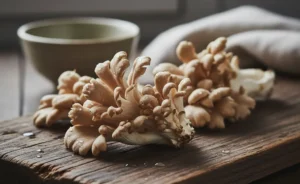
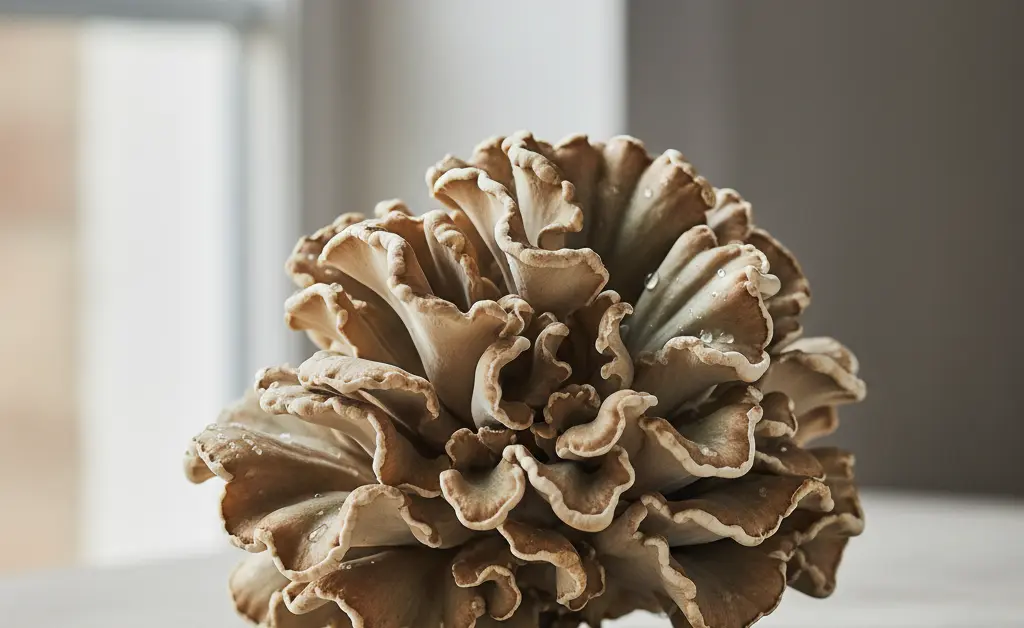
Maitake, also known as “Hen of the Woods” due to its distinctive ruffled, feather-like appearance, has a rich history deeply rooted in traditional Eastern medicinal practices, particularly in Japan and China. For centuries, it has been valued not only for its delicate taste but also for its perceived medicinal properties. Traditional practitioners have historically utilized maitake as an adaptogen, believing it could help the body adapt to various stressors and promote overall balance. Its long history of use highlights its general wellness potential, predating modern scientific inquiry into specific areas like maitake mushroom for blood sugar. The mushroom’s name itself, “maitake,” translates to “dancing mushroom” in Japanese, a whimsical moniker said to have originated from people dancing with joy upon finding it in the wild, recognizing its value and rarity. This recognition stems from the wide range of maitake mushroom benefits that have been observed over centuries.
Nutritional Profile of Grifola Frondosa (Maitake)

Grifola frondosa, or maitake, offers a robust nutritional profile that contributes to its reputation as a beneficial superfood. It is naturally low in calories and fat, while being a good source of dietary fiber, which is known to support digestive health and satiety. Maitake mushrooms also contain a range of essential vitamins and minerals. These include several B vitamins, such as niacin, riboflavin, and folate, which are vital for energy metabolism and cellular function. Furthermore, maitake is one of the few natural plant-based sources of vitamin D, an important nutrient for bone health and immune system regulation. The presence of minerals like potassium, magnesium, and phosphorus further enhances its nutritional value, contributing to nerve function, muscle contraction, and overall cellular processes. This rich nutrient density supports general well-being, complementing its more specific potential health applications.
Understanding Maitake’s Bioactive Components
The therapeutic potential of maitake mushrooms is largely attributed to its unique composition of bioactive compounds. These naturally occurring substances interact with various physiological systems, contributing to the mushroom’s adaptogenic and health-supporting effects.
Key Polysaccharides and Beta-Glucans
Among the most studied bioactive components in maitake are its polysaccharides, complex carbohydrates that play a crucial role in cellular communication and energy storage. A particular class of polysaccharides, known as beta-glucans, is especially abundant in maitake. These beta-glucans are recognized for their distinct structural configuration, which is believed to enable their biological activity. Extensive research has focused on their immunomodulatory properties, suggesting a role in supporting the body’s natural defenses. Beyond immune function, these beta-glucans are also being explored for their broader impact on metabolic health, including how they may interact with glucose metabolism and potentially contribute to overall glycemic control.
The Role of Maitake D-Fraction in Research
Maitake D-Fraction is a standardized extract derived from Grifola frondosa, specifically concentrated for its beta-glucan content. This particular fraction has gained significant attention in scientific research due to its concentrated form and consistent composition, making it easier to study its effects. Research on Maitake D-Fraction often focuses on its potential to support immune system function and its influence on various metabolic pathways. Studies have explored its mechanisms of action, including how it might interact with cellular receptors and signaling pathways. Its purified nature allows for a more targeted investigation into the precise ways maitake’s active compounds may contribute to health, offering insights beyond the general consumption of the whole mushroom. Many of these investigations are indexed on platforms like PubMed, making the data accessible to the wider scientific community.
Maitake’s General Antioxidant Properties
Like many beneficial fungi, maitake mushrooms possess inherent antioxidant properties. Antioxidants are crucial compounds that help to neutralize free radicals in the body, which are unstable molecules that can cause oxidative stress and cellular damage. By mitigating oxidative stress, maitake’s antioxidants may contribute to protecting cells and tissues throughout the body, supporting overall cellular health and reducing the burden of chronic inflammation. This general protective effect is a foundational aspect of its perceived wellness benefits and may indirectly support various bodily systems, including those involved in metabolic regulation. These protective properties also extend to cellular health in the body’s largest organ, leading to potential maitake mushroom benefits for skin.
Exploring Maitake Mushroom’s Connection to Metabolic Wellness

The relationship between maitake mushrooms and metabolic wellness has become a significant area of scientific inquiry. Researchers are investigating how the mushroom’s unique compounds may interact with the body’s complex metabolic systems, potentially offering support for maintaining balance and efficiency.
Influence on General Metabolic Processes
Maitake mushrooms are studied for their potential to positively influence a range of general metabolic processes within the body. These processes encompass the intricate ways the body converts food into energy, builds and breaks down substances, and regulates various functions. Some research suggests that components within maitake may play a role in supporting healthy lipid metabolism, which is essential for managing cholesterol levels and promoting cardiovascular health. Moreover, some studies suggest that using maitake mushroom for blood pressure regulation could be another aspect of its support for the cardiovascular system. By potentially aiding the efficiency of these fundamental metabolic pathways, maitake may contribute to a more balanced internal environment, which is foundational for overall well-being.
How Maitake May Support Overall Glycemic Balance
One of the most compelling aspects of maitake research centers on its potential to support overall glycemic balance. The unique polysaccharides and other compounds found in maitake are believed to interact with the body’s mechanisms for glucose uptake and utilization. This interaction may help the body maintain blood glucose levels within a healthy range, preventing significant fluctuations. The potential of maitake mushroom for blood sugar support lies in its unique compounds, which are thought to influence how cells respond to insulin or how glucose is absorbed from the digestive tract. These subtle interactions are key to understanding its reported adaptogenic effects on the metabolic system.
Scientific Perspectives on Maitake and Glucose
From a scientific standpoint, studies have explored various ways maitake may influence glucose metabolism. Research indicates that maitake may help to improve insulin sensitivity, meaning the body’s cells become more responsive to insulin, which is vital for efficient glucose transport into cells. Furthermore, some animal studies suggest that maitake extract might play a role in managing hyperglycemia, the condition of elevated blood glucose levels. While human clinical trials are ongoing to fully understand these mechanisms, the findings point towards maitake’s potential as a complementary support for individuals seeking to maintain healthy blood glucose levels and address concerns such as prediabetes and type 2 diabetes.
Comparing Maitake with Other Popular Fungi
While many medicinal mushrooms offer distinct health benefits, maitake possesses unique characteristics that set it apart. Comparing maitake with other popular fungi like Reishi, Cordyceps, and Lion’s Mane highlights its specific contributions to wellness, particularly concerning its metabolic impact. Reishi is often revered for its calming properties and immune support, while Cordyceps is known for its potential to enhance energy and endurance. Lion’s Mane is widely recognized for its neuroprotective potential and support for cognitive function. While these fungi share general adaptogenic qualities and immune-modulating polysaccharides, research on maitake has particularly focused on its unique polysaccharides, such as Maitake D-Fraction, and their specific influence on metabolic parameters. While other medicinal mushrooms offer distinct benefits, maitake mushroom for blood sugar management has garnered specific attention in research, suggesting a specialized role in supporting metabolic wellness.
Flavor Profile and Texture Comparisons
Beyond their bioactive compounds, medicinal mushrooms also differ significantly in their culinary attributes. Maitake is prized by chefs and home cooks alike for its distinct earthy and subtly peppery flavor, accompanied by a rich umami depth. Its texture is unique—a delicate, feathery, yet firm consistency that holds up well during cooking without becoming overly chewy or slimy. In contrast, Reishi mushrooms, while highly valued for their medicinal properties, possess a tough, woody texture and a very bitter taste, making them less suitable for direct culinary use and more commonly consumed as extracts or teas. Cordyceps and Lion’s Mane have milder, more delicate flavors and textures; Lion’s Mane, in particular, often drawing comparisons to crab or lobster meat. These differences in flavor and texture mean that maitake is often considered one of the most versatile and enjoyable medicinal mushrooms to incorporate directly into everyday cooking.
Integrating Maitake into a Balanced Diet

Integrating maitake mushrooms into a balanced diet is a delicious and nutritious way to potentially harness its health benefits. Whether fresh, dried, or in extract form, maitake offers culinary versatility that can enhance a wide range of dishes. Its rich flavor and appealing texture make it an excellent addition to meals, providing not only sensory pleasure but also a spectrum of nutrients and bioactive compounds. Beyond its potential role in balancing blood glucose levels, integrating maitake mushroom for blood sugar wellness also adds rich flavor and nutrients to meals, making it a valuable component of a holistic dietary approach. As a heart-healthy superfood, it aligns well with dietary patterns aimed at promoting overall well-being.
Methods for Preparing Maitake for Meals
Preparing maitake mushrooms for meals is straightforward, allowing their unique flavor and texture to shine. When using fresh maitake, gently clean them by brushing off any dirt rather than rinsing, as they can absorb water. The clusters can then be easily torn into smaller, bite-sized pieces. One of the simplest and most popular cooking methods is sautéing. Heat a pan with a small amount of healthy oil or butter, add the maitake, and cook until tender and slightly crispy, seasoning with salt and pepper. Roasting is another excellent option; toss maitake with a touch of oil and herbs, then roast until golden brown and caramelized. Maitake also makes a wonderful addition to soups, stews, and stir-fries, where its earthy notes can deepen the overall flavor profile. For a flavorful *maitake mushroom recipe*, consider adding it to pasta dishes, omelets, or as a savory side dish. Its ability to absorb flavors makes it a versatile ingredient, perfect for experimenting with various cuisines. When prepared in these approachable ways, it can be a simple way to introduce the benefits of maitake mushroom for kids as part of a family-friendly meal.
The maitake mushroom, Grifola frondosa, stands out as a remarkable fungus with a rich history in traditional medicine and a promising future in modern health science. Its unique composition of polysaccharides and beta-glucans, including the well-researched Maitake D-Fraction, contributes to its potential to support immune health, provide antioxidant protection, and, significantly, influence metabolic wellness. The ongoing research into maitake mushroom for blood sugar management highlights its adaptogenic capacity to potentially support overall glycemic balance and enhance insulin sensitivity. As scientific understanding evolves, incorporating this versatile and flavorful medicinal mushroom into a balanced lifestyle may offer a complementary approach to fostering metabolic health and general well-being.
The information provided in this article is for general knowledge and informational purposes only, and does not constitute medical advice. It is essential to consult with a qualified healthcare professional before making any decisions related to your health or before starting any new dietary supplement or health regimen. Individual results may vary, and the efficacy of maitake mushrooms has not been evaluated by all regulatory bodies. Always seek the advice of your physician or other qualified health provider with any questions you may have regarding a medical condition.
FAQ
— Why is maitake mushroom often studied in relation to metabolic health?
Maitake contains a unique polysaccharide called SX-fraction, which is a specific type of beta-glucan. Research on the use of **maitake mushroom for blood sugar** regulation often centers on how these compounds interact with insulin sensitivity and glucose metabolism pathways. These components are central to its role in studies concerning metabolic balance.
— What is the flavor profile of a cooked maitake mushroom?
Cooked maitake mushrooms possess a rich, earthy, and savory flavor with subtle peppery notes. Their delicate, feathery texture becomes pleasantly firm and slightly chewy when sautéed or roasted. This unique combination of taste and texture makes it a prized culinary ingredient.
— Where does the maitake mushroom, or ‘Hen of the Woods’, typically grow?
The maitake mushroom is a polypore fungus that grows wild in temperate hardwood forests across Asia, Europe, and North America. It is most commonly found in clusters at the base of oak trees, but it also grows on elms and maples. This natural habitat contributes to its distinct composition and characteristics.
— What is the general difference between maitake mushroom extract and powder?
Maitake mushroom powder is the result of simply drying and grinding the entire fungal body. In contrast, an extract is created through a process that uses a solvent like hot water or alcohol to isolate and concentrate specific bioactive compounds, such as beta-glucans. This concentration process is designed to make certain components more readily available for the body to absorb.
— Can fresh maitake mushrooms be frozen for long-term storage?
Fresh maitake mushrooms can be frozen, but their delicate texture is best preserved by cooking them first. Sautéing or blanching the mushrooms before freezing helps to prevent them from becoming watery and mushy upon thawing. This simple step ensures they retain more of their desirable culinary qualities for future use.
— How did maitake mushrooms get their name?
The name “maitake” originates from Japanese, where it translates to “dancing mushroom.” According to folklore, people who found this prized mushroom in the wild would dance with joy because of its significant value and culinary appeal. This name reflects its historical importance and the delight associated with its discovery.