
Grinding Chaga is a crucial step in unlocking the full potential of this unique medicinal mushroom. Known for its dense, woody texture, chaga requires careful handling and specific techniques to transform it into a usable powder form. Whether you are preparing it for tea, tinctures, or supplements, understanding the nuances of grinding can significantly affect the quality and efficacy of the final product. This guide delves into the essential processes, the appropriate tools, and effective methods to ensure a consistent and efficient grinding experience. With the right approach, you can preserve the beneficial properties of chaga while making it easier to incorporate into your wellness routine.
Understanding the Process of Grinding Chaga
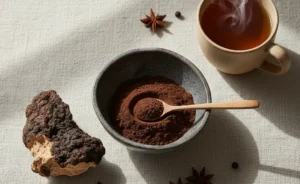
The process of breaking down chaga is fundamentally different from processing other mushrooms due to its unique physical properties. This dense fungi grows on birch trees and has a consistency more akin to wood than to a typical soft mushroom. The process of chaga mushroom growing results in this unique, dense structure. Its composition is tough, cork-like, and fibrous, making it a challenge for standard kitchen equipment. The goal of grinding is to increase the surface area of the chaga, which allows for more efficient extraction of its compounds when prepared as a tea, tincture, or other consumable form. Successfully turning raw chaga into a usable powder requires understanding its composition and respecting its durability.
Why Chaga’s Hardness Requires Specific Tools
Chaga’s extreme hardness is the primary reason that specialized or heavy-duty tools are necessary for processing it. This hard mushroom contains a high concentration of chitin, the same fibrous substance that makes up the exoskeletons of insects and crustaceans. The specific composition can be influenced by the chaga mushroom habitat, including the climate and health of the host tree. This, combined with its woody structure, can easily damage or destroy the blades and motors of underpowered kitchen appliances. A standard blender or food processor might struggle, overheat, or even break when faced with chaga chunks. The tools used must be capable of pulverizing or shredding this tough material without sustaining damage, which is why high-torque motors and durable, sharp blades are essential for the task.
Preparing Chaga Chunks for Grinding
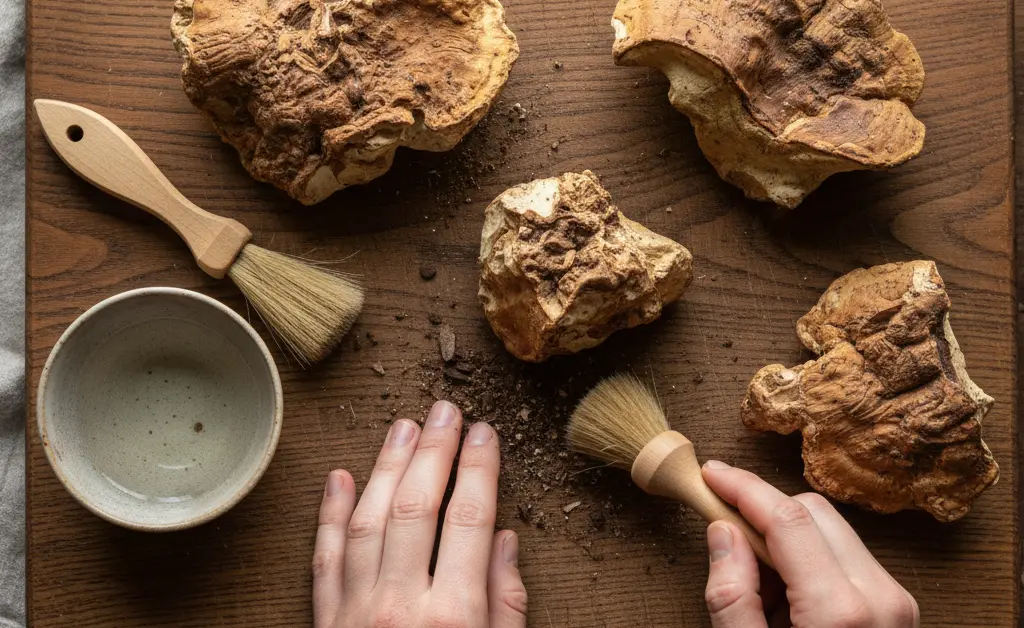
Proper preparation is a critical preliminary step that ensures both the quality of the final product and the longevity of your equipment. Before any grinding begins, raw chaga must be cleaned, appropriately sized, and thoroughly dried. Skipping these preparatory stages can lead to an inconsistent grind, potential contamination from natural debris, and unnecessary strain on your grinder. Effective preparation makes the entire process of `Grinding Chaga` smoother and more successful.
Preparing Chaga for Optimal Grinding
Before you begin breaking down chaga, it is important to inspect and clean the raw chunks. Remove any attached birch bark, dirt, or other forest debris. This is a necessary step since the chaga mushroom on a birch tree often incorporates parts of the bark into its structure. This can often be done with a stiff brush or by carefully trimming away unwanted sections with a sturdy knife. Ensuring you are starting with pure chaga material prevents impurities from ending up in your final powder. A clean starting product yields a higher-quality result that is ready for consumption.
Handling Large Chaga Chunks and Quantities
Raw chaga is often harvested in large, unwieldy pieces. Attempting to place a large chunk directly into a grinder is ineffective and can severely damage the machine. It is essential to first break these pieces down into smaller, more manageable sizes, typically no larger than a small nut or coin. This can be accomplished by placing the large chunk in a durable bag or wrapping it in a thick cloth and carefully striking it with a hammer or mallet. This pre-processing step protects the blender motor and blades from being overwhelmed, allowing them to work more efficiently.
Drying Chaga Before Grinding for Best Results
Drying is perhaps the most crucial preparation step. Fresh or improperly dried chaga retains moisture, making it tough and leathery rather than hard and brittle. Attempting to grind moist chaga is extremely difficult and often results in a gummy, shredded mess that clogs the grinder. To achieve a fine powder, the chaga chunks must be completely dry. When properly dried, chaga becomes rock-hard and brittle, allowing it to shatter and pulverize easily. This transformation from fibrous to brittle is what makes efficient grinding possible and is fundamental to achieving a consistent texture.
Choosing the Right Grinder for Chaga
Selecting the appropriate grinder is paramount for successfully processing this dense fungi. Not all grinders are created equal, and the wrong choice can lead to frustration and a broken appliance. The best grinder for the job depends on the quantity of chaga you need to process, your desired powder consistency, and the power of the equipment. Considering the unique challenges of `Grinding Chaga` helps in making an informed decision about which tool will provide the best results without compromising appliance durability.
High-Powered Food Processors
A high-powered food processor equipped with strong, sharp blades can be used to break chaga down into small granules or a coarse powder. It is important to use only robust models designed for heavy-duty tasks. The key is to work in small batches and use the pulse function. This approach allows the blades to chip away at the chaga chunks incrementally, preventing the motor from overheating. A food processor is generally better for creating a coarser texture rather than a super-fine powder.
Robust Blenders for Finer Consistency
High-performance blenders, known for their powerful motors and durable construction, are one of the most effective tools for grinding chaga into a fine powder. These machines have the torque necessary to pulverize the hard, dried chunks. As with food processors, it is essential to work with small, pre-broken pieces and use short bursts of power. This method protects the blender motor and allows the contents to settle between pulses, ensuring a more even and finely ground result suitable for smoothies or capsules.
Dedicated Spice Grinders for Powders
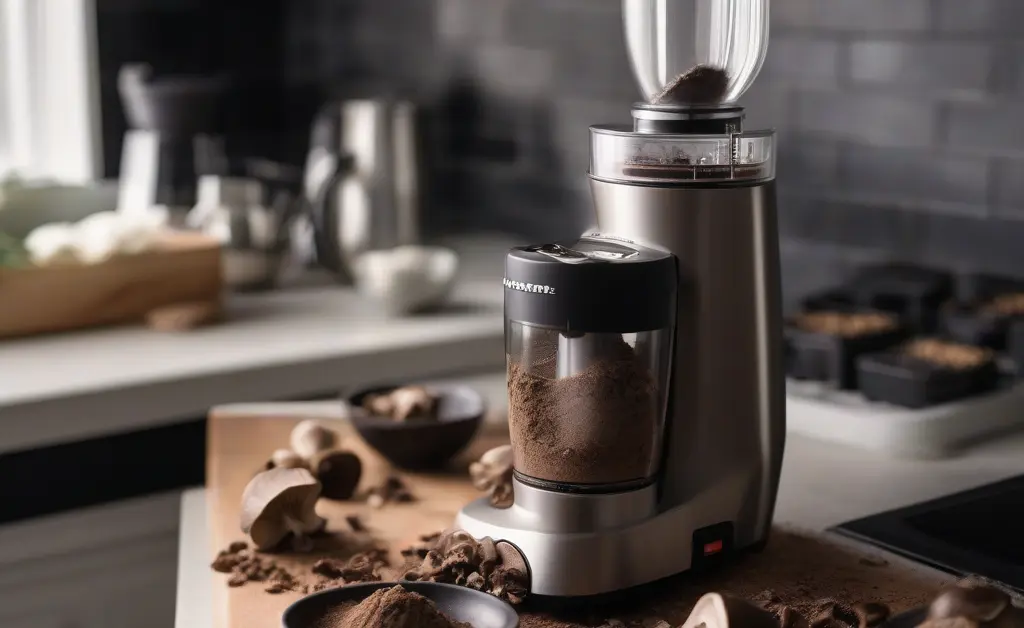
Dedicated spice grinders, particularly those designed for hard spices like cloves or nutmeg, are an excellent option for processing small batches of chaga. Their compact size and powerful motors are well-suited for turning small, brittle chaga pieces into a very fine powder. To prevent cross-contamination of flavors, it is advisable to have a grinder used exclusively for chaga or other similar functional mushrooms. This ensures the purity of both the chaga powder and any spices you may grind later.
Heavy-Duty Coffee Grinders for Chaga
A heavy-duty burr coffee grinder can offer superior control over the final grinding consistency. Unlike blade grinders, which chop inconsistently, burr grinders crush the material between two abrasive surfaces, resulting in a more uniform particle size. This makes them ideal for producing everything from a coarse powder for tea to a finer grind for other preparations. Using a coffee grinder for chaga will likely impart a woody flavor to subsequent batches of coffee, so a dedicated unit is highly recommended.
Manual Grinding Options for Small Batches
For those who prefer a non-electric method or only need to process small amounts, manual grinding is a viable option. A large, heavy-duty mortar and pestle can be used to crush small, brittle chaga chunks into powder. This method is labor-intensive but provides complete control over the texture. Another option is a hand-cranked grain mill, which can effectively break down chaga pieces into a consistent powder. These manual methods connect you more closely to the preparation process and are entirely independent of electricity.
Techniques for Effective Chaga Grinding
Beyond selecting the right tool, employing proper techniques is essential for a safe and efficient grinding experience. The correct approach can prevent damage to your equipment, ensure a uniform powder consistency, and make the entire process more manageable. Effective `Grinding Chaga` is as much about the method as it is about the machine you use.
Safety Tips When Using Grinders for Chaga
Safety should always be a priority when processing chaga. Due to its hardness, small pieces can be ejected at high speed if the grinder’s lid is not securely fastened. Always ensure the appliance is on a stable surface and the lid is locked in place before operating. Use the pulse function to manage the motor’s workload and prevent overheating. When pre-breaking larger chunks with a hammer, wear safety glasses to protect your eyes from flying fragments and handle the material carefully to avoid scrapes.
Troubleshooting Common Grinding Issues
Several common issues can arise during the grinding process. If the grinder’s motor seems to be straining or stalling, it is likely overloaded or the chaga chunks are too large. Stop the machine, remove some of the contents, and ensure the pieces are small enough. If the final powder is inconsistent, with large pieces mixed in with fine dust, it may be due to not pulsing the machine enough or not allowing the contents to resettle. An overheated motor is a sign of running the grinder for too long without a break; allow the appliance to cool down completely before resuming.
Achieving Desired Chaga Powder Consistency

The ideal texture of your ground chaga depends entirely on its intended use. Different preparations call for different particle sizes, from coarse granules to a fine, flour-like powder. Understanding how to control the grinding process to achieve a specific consistency is key to getting the most out of your chaga.
Grinding for Different Uses: Coarse vs. Fine Powder
For making chaga tea, a coarse powder or small granules are often preferred. This consistency allows for effective steeping while making the powder easy to strain out of the final brew. To achieve this, use shorter bursts in your grinder and stop when the pieces are roughly the size of coarse salt or coffee grounds. For applications where the chaga will be consumed directly, such as in smoothies, capsules, or culinary recipes, a finely ground powder is necessary. To get a fine powder, you must process the chaga for longer, using sustained pulses until the texture becomes uniform and flour-like. Standardized powders are often used in research settings, with many studies on natural products cataloged by institutions like the NIH.
Maintaining Grinding Equipment for Chaga
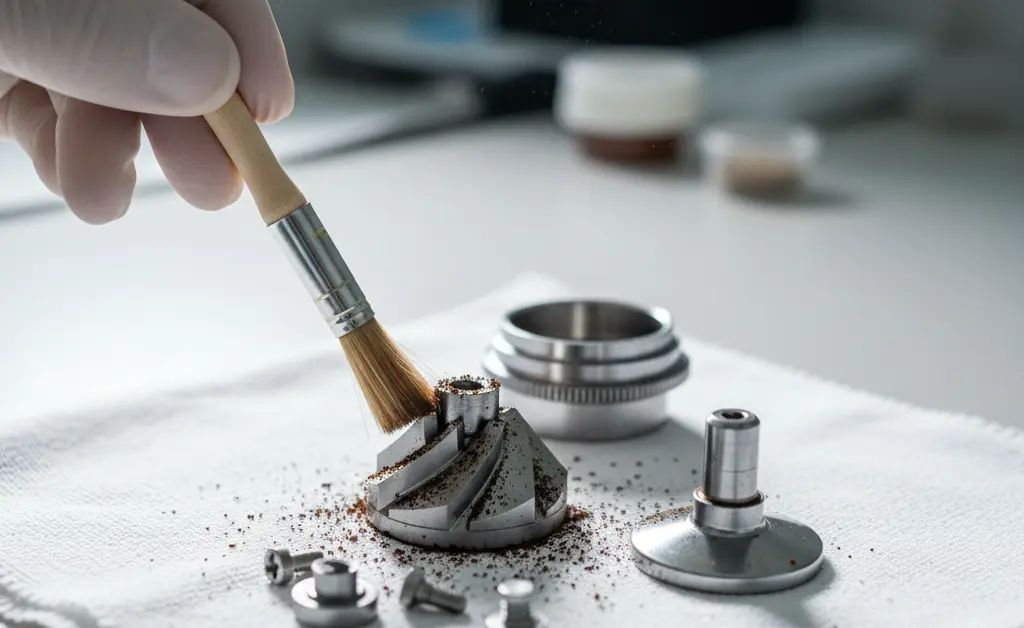
Given the stress that `Grinding Chaga` places on equipment, proper maintenance and cleaning are crucial for ensuring the longevity and performance of your grinder. The fine, dark dust produced during grinding can accumulate in hard-to-reach areas and potentially affect the motor or dull the blades over time if not regularly addressed.
Cleaning and Care for Chaga Grinders
After each use, it is important to thoroughly clean your grinding appliance. Unplug the machine and use a small, stiff brush or a dry cloth to wipe away all chaga dust from the grinding chamber, blades, and lid. Avoid using water unless the manufacturer’s instructions state that the parts are submersible, as moisture can damage the motor and other electronic components. For stubborn residue, some people find that grinding a small amount of uncooked white rice can help absorb oils and dislodge fine particles, after which the chamber can be wiped clean again. Regular cleaning prevents buildup and keeps your grinder in optimal working condition.
Ultimately, mastering the art of `Grinding Chaga` comes down to respecting the material’s unique properties. By properly preparing the chaga chunks through cleaning, sizing, and thorough drying, you set the stage for success. Selecting a robust, powerful grinder and using methodical techniques, such as working in small batches and pulsing the motor, protects your equipment and yields a consistent final product. Whether you aim for a coarse powder for tea or a fine dust for smoothies, the right approach transforms this woody mushroom into a versatile ingredient for your wellness journey.
This article is for informational purposes only and is not intended to provide medical advice. The information presented here should not be used for diagnosing or treating a health problem or disease. Always consult with a qualified healthcare professional before making any decisions about your health or wellness routine. The statements made regarding these products have not been evaluated by any food or drug administration.
FAQ
— What kind of grinder is best for chaga mushrooms?
A burr grinder or a heavy-duty spice grinder is often considered ideal for chaga mushrooms because they provide consistent particle size and can handle tougher materials without overheating. These grinders help preserve the integrity of the chaga during the grinding process.
— Can you grind chaga in a normal blender or food processor?
While a normal blender or food processor can be used to grind chaga, they may not be as effective at producing a fine, even powder due to the hardness of the mushroom. Additionally, these appliances might struggle with larger chunks and could overheat if used for extended periods.
— How do I grind large pieces of chaga mushroom?
Large pieces of chaga are typically broken down into smaller chunks using a hammer or mallet before grinding. This pre-processing step makes it easier for grinders to handle the material and achieve a uniform grind.
— Is a coffee grinder suitable for chaga?
A coffee grinder can be suitable for grinding chaga, especially for smaller quantities, but it may require frequent cleaning to avoid cross-contamination of flavors. It’s important to use a grinder that can handle harder materials without dulling the blades quickly.
— What’s the best way to prepare chaga before grinding?
Chaga is traditionally dried thoroughly before grinding to ensure it breaks down easily and stores well. Some people also freeze it to make the mushroom more brittle, which can facilitate a finer grind.
— How fine should chaga be ground?
The fineness of ground chaga depends on its intended use; coarser chunks are often preferred for brewing teas, while finer powder may be used for tinctures or supplements. Grinding too fine might affect brewing time and extraction efficiency.
— How do you store ground chaga powder?
Ground chaga should be stored in an airtight container away from moisture, heat, and light to preserve its quality. Keeping it in a cool, dry place helps prevent degradation and maintains its potency over time.
— What are the common uses for different chaga grinds?
Coarser chaga grinds are commonly used for making infusions or teas, as they release beneficial compounds gradually. Finer powders may be incorporated into extracts, tinctures, or added to smoothies, allowing for quicker extraction and absorption. Grinding Chaga to the right consistency can significantly impact its application and effectiveness.