Chaga mushrooms are renowned for their medicinal properties, but their natural environment is equally fascinating and vital to their growth. Understanding the chaga mushroom habitat involves examining the specific regions and tree species that support its development. This fungus thrives under unique ecological conditions, often found in cold climates where it parasitizes certain hardwood trees. By exploring the geographical distribution, preferred host trees, and environmental factors influencing its growth, we gain insight into how this remarkable organism fits within forest ecosystems. Such knowledge is essential not only for sustainable harvesting but also for conservation efforts aimed at preserving these valuable habitats.
Chaga Mushroom Habitat: Geographical Distribution and Key Locations
The fungus known as Chaga, or Inonotus obliquus, has a specific geographical range tied directly to the cold climates where its host trees flourish. Its presence is a key indicator of certain types of forest ecosystems found across the globe.
Major Regions Where Chaga is Found (North America, Eastern Europe)
Chaga is most famously found in the boreal forests of the northern hemisphere. In North America, its range includes Canada, Alaska, and the northernmost parts of the continental United States. These regions provide the cold temperatures and vast birch forests that Chaga needs to thrive. Similarly, it is widespread across Eastern Europe and Asia, particularly in the taiga forests of Siberia. Countries like Russia, Finland, and Poland have long traditions of utilizing Chaga found in their expansive hardwood forests.
Global Distribution Patterns of Chaga
Globally, Chaga follows a circumboreal distribution pattern, meaning it grows in a band that circles the northern polar region. This distribution corresponds directly with the world’s boreal forests, also known as taiga. This ecosystem is characterized by long, cold winters and short, cool summers, creating the ideal growing conditions for both Chaga and its preferred host trees, primarily birch. It is not found in the southern hemisphere or in warmer, tropical climates.
Where does chaga grow in Canada?
In Canada, Chaga is found extensively across the country’s vast boreal forest, which stretches from the Atlantic coast to the Pacific. It is particularly common in the birch-rich forests of Quebec, Ontario, and the prairie provinces. The harsh Canadian winters and abundance of host trees create a perfect environment for this parasitic fungus to establish itself and grow over many years.
Preferred Host Trees for Chaga Mushroom
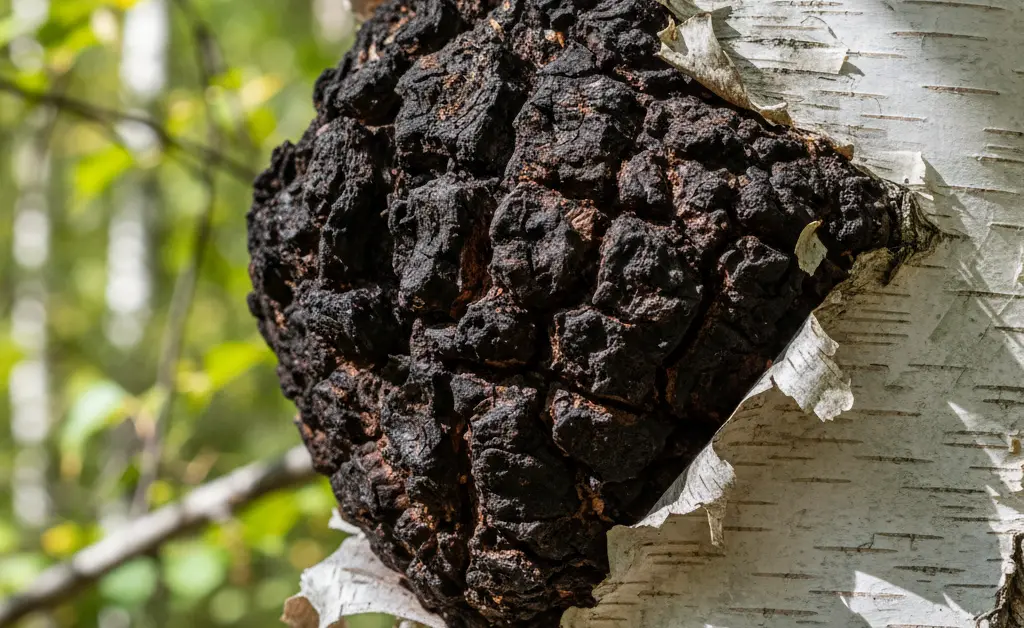
The relationship between Chaga and its host trees is fundamental to its existence. This parasitic fungus does not grow on the ground or on dead wood; instead, it forms a unique relationship with living hardwood trees.
Identifying Preferred Hardwood Tree Species
Chaga almost exclusively grows on hardwood trees and is not found on conifers. While it can infect several species, it has a strong preference for trees in the birch family (Betulaceae). Its presence on other hardwoods like alder, hornbeam, or beech is far less common. Foragers and researchers primarily search for Chaga on various species of birch trees, as this is where the highest quality and most abundant growth occurs.
Understanding Specific Tree Species and Their Role
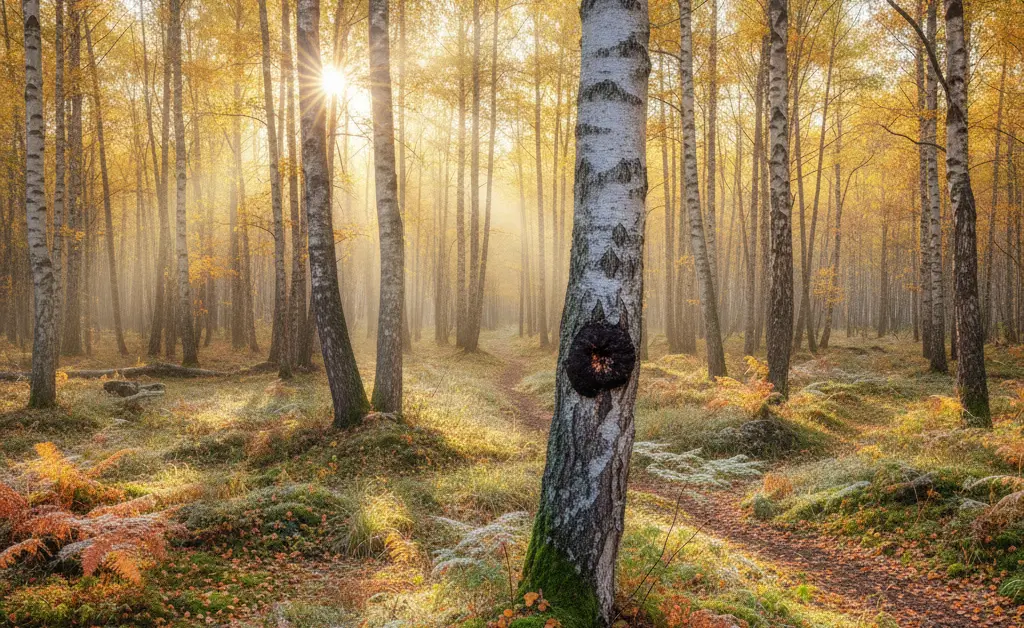
The host tree is not just a physical platform for Chaga; it is its sole source of nutrients. The fungus, I. obliquus, infects the tree through a wound in the bark. Over many years, its mycelium penetrates deep into the heartwood, drawing nutrients from the tree. The black, crusty mass visible on the exterior, known as the sclerotium, is a sterile conk that serves as a protective structure for the fungus. The specific compounds found in birch trees are thought to contribute to the unique composition of Chaga. An ideal chaga mushroom habitat is defined by the presence of these mature host trees.
Does chaga grow on silver birch?
Yes, Chaga grows on silver birch (*Betula pendula*). The silver birch is one of its most common host trees, especially in the forests of Europe and Siberia. The distinctive white, peeling bark of the silver birch makes the dark, charcoal-like appearance of Chaga highly visible, making it easier to spot. The fungus forms the same parasitic relationship with silver birch as it does with other birch species.
The Importance of Tree Trunks for Chaga Growth
Chaga grows directly on the trunks of living trees, emerging from a point of injury. The location on the trunk is significant, as it allows the fungus direct access to the tree’s vascular system, from which it draws its sustenance. The visible growth, or canker, can take many years to reach a harvestable size. The health and age of the tree trunks are critical factors, as Chaga tends to colonize mature trees that have sustained some form of damage, allowing spores to enter.
Key Environmental Factors for Chaga’s Natural Habitat
Beyond the presence of host trees, specific environmental conditions are necessary to support the growth and proliferation of Chaga. These factors combine to create the unique ecosystems where this fungus is found.
Moisture and Humidity Levels in Chaga Ecosystems
Like most fungi, Chaga relies on adequate moisture. The boreal and temperate forests where it grows are characterized by environments that retain humidity. Consistent rainfall, snowmelt, and high humidity levels within the forest canopy create an environment conducive to the health of the host trees and the fungus. While Chaga itself is very dense and hardy, the underlying fungal activity within the tree benefits from a moist environment.
Influence of Altitude and Aspect on Chaga Presence
Chaga is generally found at low to moderate altitudes within its geographical range. It does not typically grow in high-alpine environments. The aspect, which is the direction a hillside faces, can also play a role. Slopes that are north-facing may retain moisture and snowpack longer, creating cooler microclimates that favor the growth of birch and other host trees. This can indirectly influence the prevalence of Chaga in a particular area.
Impact of Climate on Chaga Habitat Suitability
Climate is arguably the most critical factor defining where Chaga can and cannot grow. Its entire life cycle is adapted to environments with extreme temperature fluctuations and long periods of cold.
Specific Latitudes and Climatic Zones for Chaga Habitat
The prime climatic zone for Chaga is the boreal forest, which is found in a broad belt across the northern hemisphere, generally between the latitudes of 45°N and 50°N. This zone is defined by subarctic and cold continental climates. The fungus is perfectly adapted to these conditions, where temperatures can drop significantly below freezing for several months. The unique chaga mushroom habitat found in these latitudes is essential for its development.
Understanding Cold Habitat Requirements
Chaga’s preference for cold habitats is not incidental. The fungus requires harsh, freezing winters to thrive. It is believed that the extreme cold plays a role in the formation and concentration of bioactive compounds within the sclerotium. Many studies on these compounds are indexed by major health organizations like the NIH. The fungus survives these temperatures by remaining metabolically active at a very low rate, drawing energy from its host tree. It does not grow in regions with mild or warm winters.
Seasonal Variations in Chaga Growth Environment
The growth of Chaga is an extremely slow process that occurs over decades. While the visible conk appears dormant, the internal mycelium is perennial and remains active year-round. The most significant environmental changes occur seasonally. During the short summer, the host tree is actively photosynthesizing, providing a steady supply of nutrients. In the long, cold winter, the tree becomes dormant, but the fungus endures the freezing temperatures, a key feature of its life cycle.
Chaga Habitat Ecosystem: Forest Dynamics
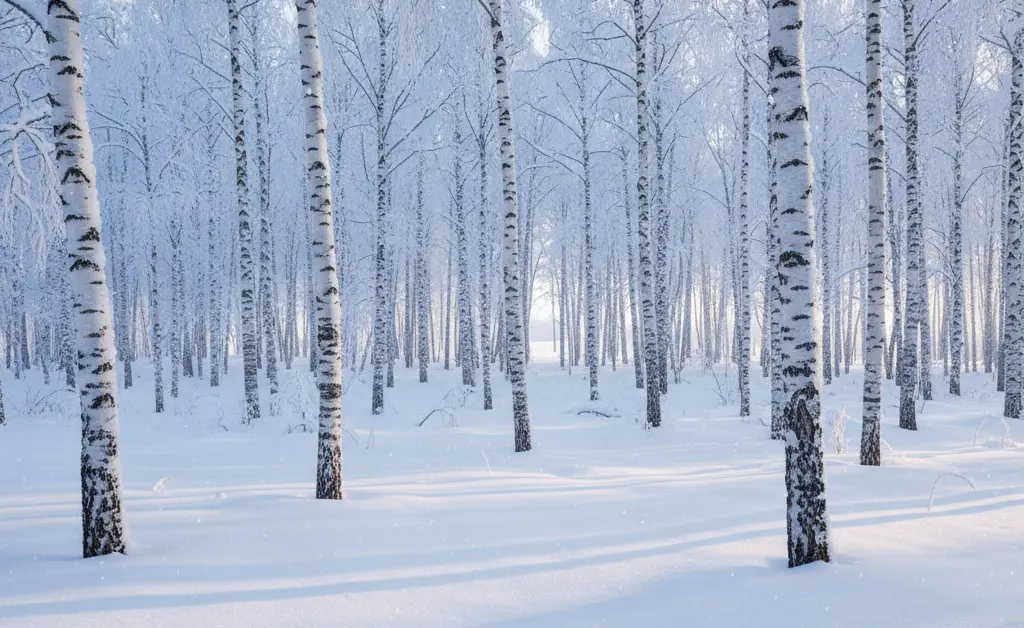
Chaga is an integral part of its forest ecosystem, influencing and being influenced by the complex dynamics of the forest. Its role as a parasite is part of a natural cycle of life, decay, and regeneration.
Factors Affecting Host Tree Selection by Chaga
The initial colonization of a host tree is a matter of chance and opportunity. The process begins when the spores of Inonotus obliquus land on a tree wound. These wounds can be caused by broken branches from wind or snow, animal activity such as pecking birds or gnawing rodents, or human activity. The fungus favors mature trees, as they have had more time to sustain injuries and possess a larger heartwood for the mycelium to colonize. A healthy, intact bark is a strong defense, so the fungus must exploit a breach. These forest dynamics are a core component of the chaga mushroom habitat.
Conservation and Sustainability of Chaga Habitats
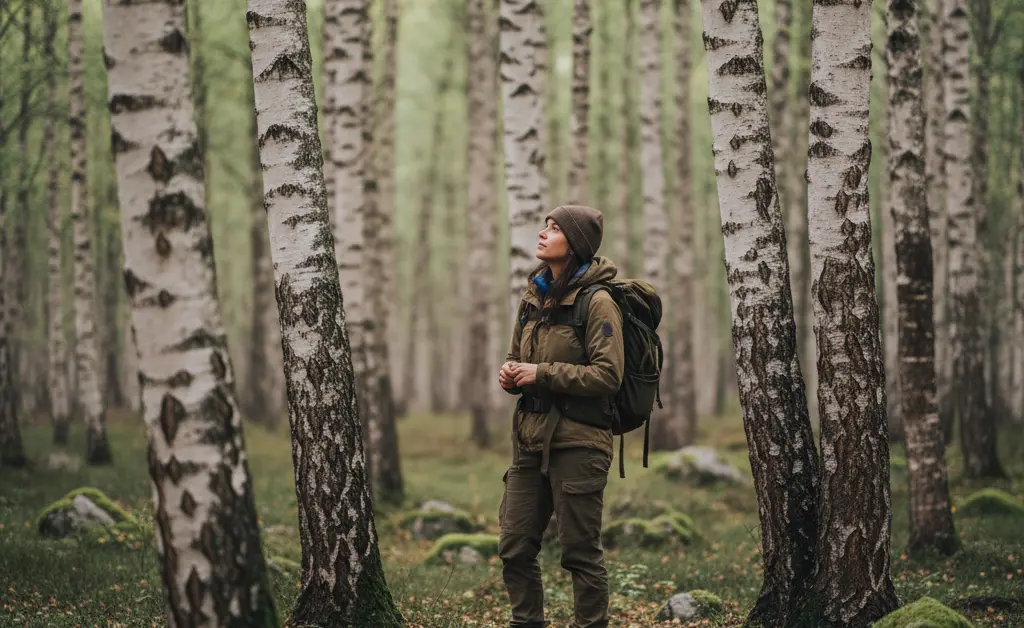
With growing global interest in Chaga, the focus on preserving its natural environment has become increasingly important. The long-term availability of this resource depends on responsible stewardship and conservation efforts.
Threats to Natural Chaga Habitats
The primary threats to Chaga’s natural habitats are overharvesting and deforestation. Proper chaga mushroom harvesting techniques are vital to prevent this damage. Improper harvesting, where too much of the sclerotium is removed or the tree is severely damaged, can kill both the fungus and its host. This prevents future growth and harms the forest ecosystem. Furthermore, logging of old-growth birch forests and the effects of climate change, which can alter the composition of these forests, pose significant long-term risks. Protecting the broader chaga mushroom habitat is crucial for ensuring its survival.
In conclusion, the fungus thrives in very specific conditions defined by cold climates, the presence of hardwood trees like birch, and a healthy forest ecosystem. Its circumboreal distribution across North America and Eurasia highlights its adaptation to the harsh winters of the northern hemisphere. Understanding the intricacies of the chaga mushroom habitat is essential not only for locating it but also for implementing sustainable harvesting practices that ensure its continued existence for generations to come.
This article is for informational purposes only and does not constitute medical advice. The information presented here is not intended to diagnose, treat, cure, or prevent any disease. Always consult with a qualified healthcare professional before making any decisions about your health or treatment. The statements made regarding this fungus have not been evaluated by the Food and Drug Administration.
FAQ
— Where does chaga mushroom grow naturally?
Chaga mushroom is typically found in cold, northern regions where it grows on certain types of trees. Its natural distribution often includes boreal forests and other temperate areas with suitable host trees.
— What specific trees does chaga prefer to grow on?
Chaga commonly grows on birch trees, which provide the ideal host for its growth. The fungus forms a black, crusty growth on the bark, especially favoring mature birch species.
— Does chaga grow in warm climates?
Chaga is rarely found in warm climates since it thrives in colder environments. The fungus’s development is closely linked to cooler temperatures and seasonal variations typical of northern latitudes.
— What kind of environment does chaga thrive in?
Chaga mushroom thrives in forests with a stable, cool climate and well-established host trees. It requires conditions that support its parasitic relationship with the tree, including enough moisture and low temperatures.
— Are there specific forest types where chaga is commonly found?
Chaga is often associated with boreal and mixed deciduous forests where birch trees are abundant. These forest types provide the right balance of climate and host availability for the fungus to develop.
— How does the local climate influence chaga’s presence?
The local climate plays a significant role in chaga’s presence, as colder, temperate climates support its growth. Seasonal changes and cold winters often contribute to the health of the host trees and the fungus’s ability to establish itself in the chaga mushroom habitat.