Many culinary enthusiasts appreciate shiitake mushrooms for their rich umami flavor and versatility in dishes. While often seen as a healthy addition to various cuisines, understanding their preparation is crucial for safe consumption. For those contemplating whether can shiitake be eaten raw, a notable transformation occurs from their uncooked state to a properly prepared one. Unprocessed shiitake can pose significant health considerations, including allergic reactions and a specific skin condition known as shiitake dermatitis. However, by undergoing suitable cooking methods, these mushrooms transition into a safe, delicious, and beneficial ingredient, allowing their nutritional and flavor profiles to be fully enjoyed without associated risks. This shift from potential hazard to culinary delight underscores the importance of proper handling.
Understanding Whether Shiitake Can Be Eaten Raw
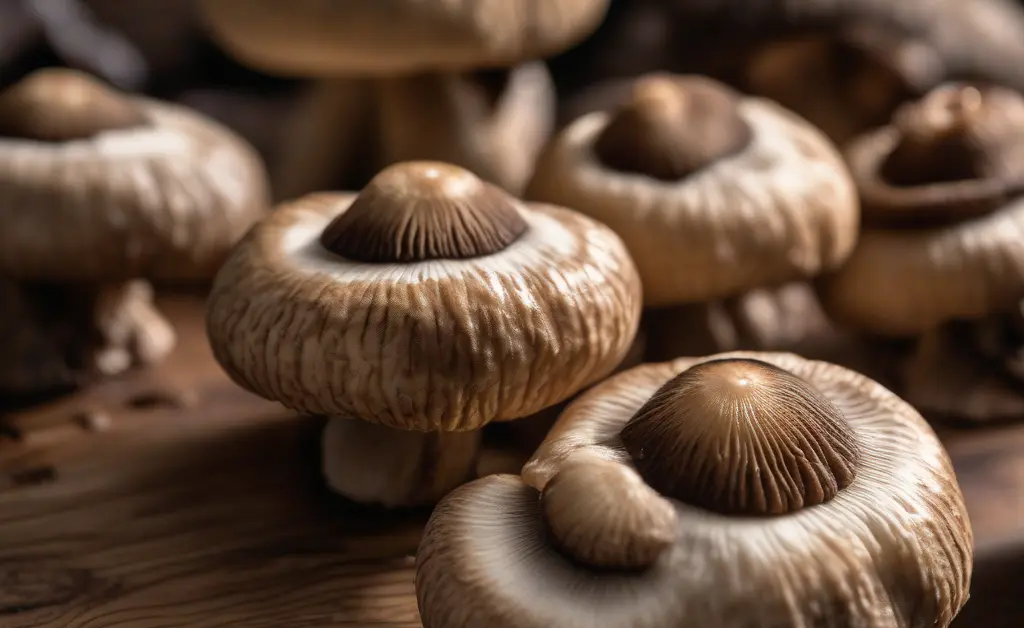
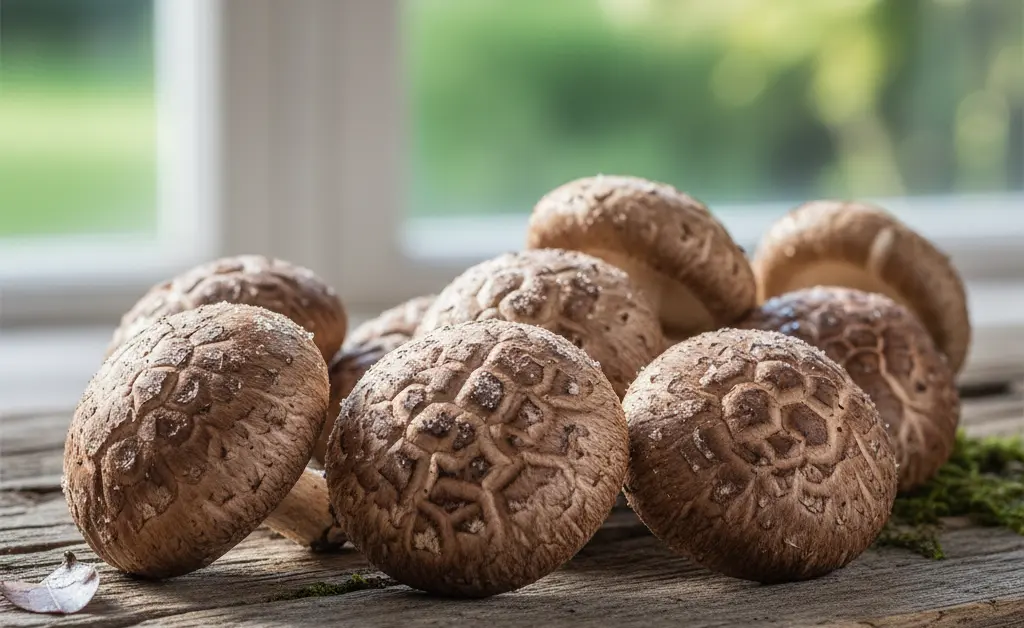
The question of whether one can consume shiitake mushroom raw often arises from a general curiosity about edible fungi. While some mushrooms are indeed safe to eat raw, the considerations for shiitake are distinct. Understanding why certain preparation methods are recommended is key to enjoying these flavorful ingredients safely. For general guidance on food safety, one can refer to the WHO. Simply asking, “can shiitake be eaten raw?” overlooks the nuanced aspects of their composition and potential impact on human health.
The Debate: Raw vs. Cooked Shiitake
The culinary world often highlights the benefits of cooking vegetables and mushrooms, not just for flavor but for safety and digestibility. With shiitake, this debate leans heavily towards cooking. While some proponents of raw food diets might explore the option, the prevailing expert and culinary consensus strongly advises against eating raw shiitake. The unique compounds present in shiitake that contribute to its flavor and potential health benefits can also be problematic in their uncooked state, making a clear case for why thorough preparation is paramount.
Why Cooking Shiitake is Imperative
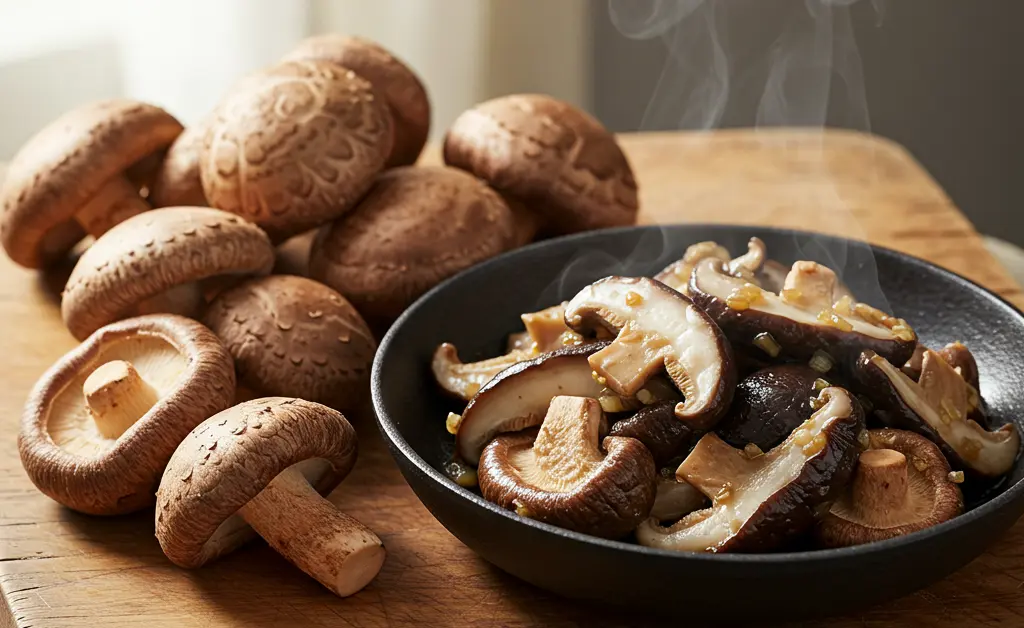
Cooking shiitake mushrooms serves multiple critical purposes. Firstly, it enhances their rich umami flavor and makes their texture tender and palatable, transforming a somewhat tough and fibrous raw mushroom into a culinary delight. More importantly, cooking helps to neutralize or break down certain naturally occurring compounds that can lead to adverse reactions in some individuals. This is not merely a preference for taste or texture; it’s a fundamental aspect of food safety. Proper cooking, involving adequate cooking time, ensures that any potential raw shiitake danger is mitigated, allowing the full enjoyment of these edible fungi without unnecessary health risks.
Potential Dangers of Eating Raw Shiitake Mushrooms

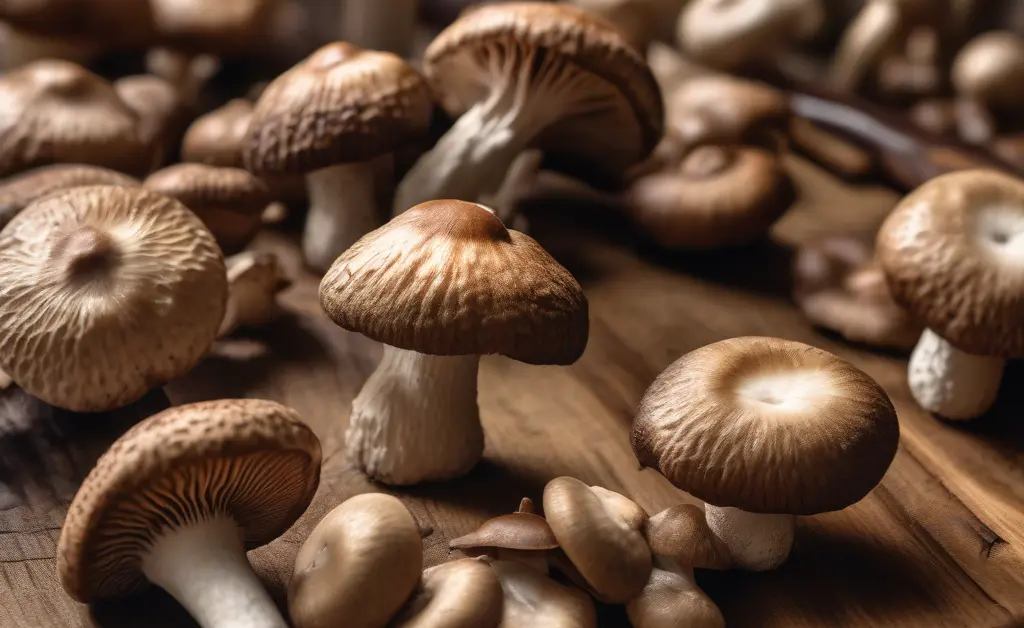
When considering the question of whether can shiitake be eaten raw, it’s essential to be aware of the specific health risks associated with their uncooked consumption. These dangers range from general digestive issues to more specific immune responses, highlighting why shiitake preparation is not just a culinary suggestion but a health precaution. The risks of eating undercooked shiitake extend beyond mere discomfort, touching upon potentially serious reactions. Understanding the full range of shiitake mushroom side effects is crucial for safe consumption.
Allergic Reactions from Uncooked Shiitake
Consuming uncooked shiitake mushrooms can trigger various allergic reactions in susceptible individuals. These reactions often manifest as digestive upset, including symptoms like nausea, vomiting, and diarrhea. Some people may experience more generalized gastrointestinal issues such as stomach cramps or bloating. These responses are believed to be linked to compounds within the raw shiitake that, when ingested, may provoke an immune system response or irritate the digestive tract. It emphasizes why it’s not safe to eat raw shiitake mushrooms or even undercooked mushrooms. Individuals with sensitivities may experience a shiitake mushroom allergy.
Broader Health Risks of Uncooked Shiitake
Beyond immediate allergic responses, there are broader health risks associated with eating raw shiitake. While not typically considered highly toxic in the same way as truly poisonous wild mushrooms, uncooked shiitake can contain compounds that are difficult for the human digestive system to process. This can lead to general discomfort and, in some cases, adverse systemic effects. Ensuring proper cooking helps to break down these compounds, making the mushrooms easier to digest and reducing the potential for systemic issues. This aspect is crucial for overall food safety when incorporating shiitake into one’s diet. Consulting a healthcare professional is advisable for specific dietary concerns, such as consuming shiitake mushroom during pregnancy.
What is Shiitake Dermatitis?
One of the most distinct and well-documented reactions to eating undercooked or raw shiitake mushrooms is a condition known as shiitake dermatitis. This is a unique form of skin irritation characterized by a specific rash. It is not a true allergic reaction in the traditional sense, but rather a toxic-allergic reaction to a polysaccharide called lentinan, which is present in shiitake mushrooms. When properly cooked, lentinan is typically degraded, but in its raw or insufficiently cooked state, it can trigger this skin response.
Commonality and Manifestation of Shiitake Dermatitis
Shiitake dermatitis is relatively rare but distinctive. It typically manifests as a flagellate erythema, which means a rash with linear streaks resembling whip marks. The shiitake rash can appear anywhere on the body, usually within hours or up to a few days after consuming uncooked or undercooked shiitake mushrooms. It can be intensely itchy and may last for several days or even weeks. The condition highlights a specific raw shiitake danger that is preventable through proper cooking, ensuring the breakdown of lentinan to avoid such skin irritation.
In conclusion, while shiitake mushrooms are celebrated for their culinary and nutritional value, the consensus from health and culinary experts strongly advises against consuming them raw. The potential for allergic reactions, digestive upset, and the distinct risk of shiitake dermatitis underscores the importance of proper preparation. Cooking shiitake not only enhances their flavor and texture but crucially mitigates these health risks by degrading problematic compounds like lentinan. For safe and enjoyable consumption, always ensure your shiitake mushrooms are thoroughly cooked, transforming them from a potential hazard into a wholesome and delicious ingredient.
This article aims to inform, not to replace professional healthcare advice. It is intended for general knowledge and informational purposes only, and does not address individual circumstances. It is not a substitute for professional medical advice, diagnosis, or treatment and should not be relied on to make decisions about your health. Always seek the advice of your physician or other qualified health provider with any questions you may have regarding a medical condition.
FAQ
— What happens if you eat raw shiitake mushrooms?
While it is generally not recommended, can shiitake be eaten raw? Consuming raw shiitake mushrooms can sometimes lead to a temporary skin rash known as “shiitake dermatitis.” This reaction is thought to be caused by a thermolabile polysaccharide, lentinan, which is typically broken down by heat during cooking. Therefore, cooking these mushrooms is important for both palatability and safety.
— Are there any risks associated with eating undercooked shiitake?
Eating undercooked shiitake mushrooms may not entirely break down certain compounds present in their raw state. This can potentially lead to digestive discomfort for some individuals due to the incomplete denaturation of proteins and polysaccharides. Moreover, proper cooking enhances the mushroom’s distinct umami flavor and makes its beneficial compounds more accessible for the body.