While shiitake mushrooms are widely celebrated for their distinct umami flavor and purported health benefits in many cuisines worldwide, some individuals may experience unexpected adverse reactions upon consumption or even contact. Could this popular fungi, despite its general acclaim, pose a hidden threat for certain people? Understanding the nuances of such responses is crucial for those who suspect a sensitivity. This article delves into the specifics of a shiitake mushroom allergy, exploring its various symptoms, underlying causes, and the unique presentation of shiitake dermatitis. We will also cover essential diagnostic methods, effective treatment strategies, and provide guidance on when professional medical intervention is necessary, helping individuals navigate potential reactions with informed care.
Understanding Shiitake Mushroom Allergy
A shiitake mushroom allergy represents an adverse immune response to specific proteins found within these fungi. Unlike a general food intolerance, which typically involves digestive discomfort, a true allergy triggers the body’s immune system to overreact, identifying harmless mushroom components as threats. This can lead to a range of allergic reactions, from mild discomfort to severe, life-threatening conditions. Recognizing the specific reaction type is essential for proper management and prevention, as the body’s sensitivity can vary widely among individuals. While a true allergy is immune-mediated, it’s also important to distinguish from other dietary concerns, such as the shiitake mushroom FODMAP content for those with specific digestive sensitivities.
Symptoms of Shiitake Mushroom Allergy
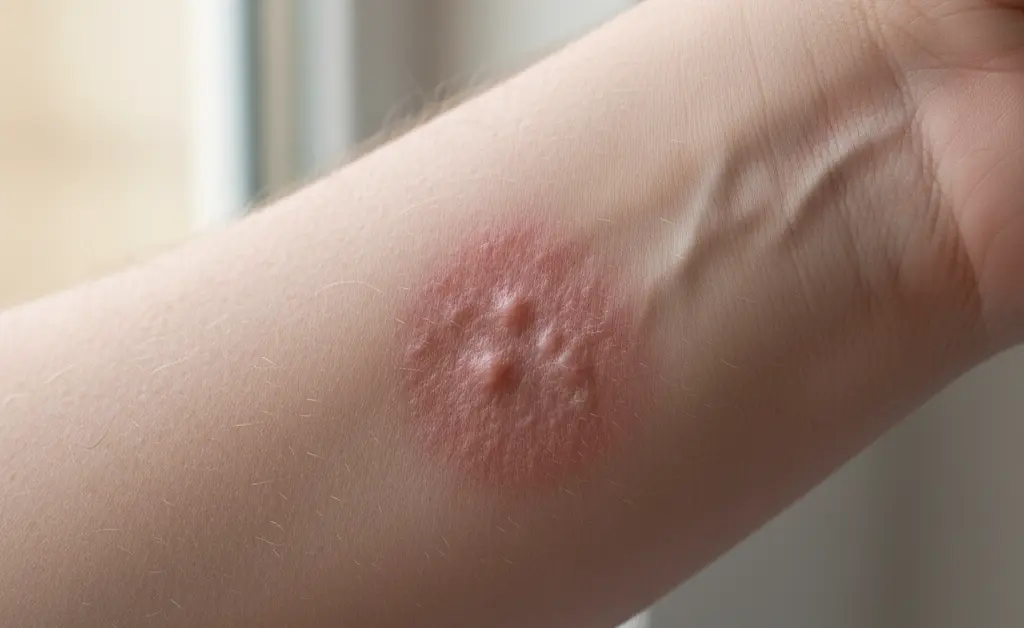
Symptoms of a shiitake mushroom allergy can manifest in various ways, ranging from mild reactions to more severe reactions requiring immediate attention. The first signs of a mushroom allergy often appear rapidly after consumption, though delayed reactions are also possible. Common allergy symptoms may include skin reactions such as itchy skin, hives, and swelling of the face, lips, or throat. Gastrointestinal symptoms like nausea, vomiting, stomach upset, and diarrhea are also frequently reported. More severe reactions can involve breathing trouble, including wheezing or shortness of breath, a drop in blood pressure, and dizziness. In rare but critical instances, a severe shiitake mushroom allergic reaction can lead to anaphylaxis, a life-threatening whole-body response that requires urgent medical intervention.
Causes and Risk Factors for Shiitake Mushroom Allergy

The primary cause of a shiitake mushroom allergy is the immune system’s mistaken identification of certain proteins in the mushroom as harmful allergens. Upon exposure, the body produces specific antibodies (IgE) to these proteins, leading to an allergic response. While the exact triggers can vary, common allergenic proteins in Lentinus edodes (the scientific name for shiitake) are often responsible. Risk factors for developing any food allergy, including to shiitake mushrooms, can include a family history of allergies, pre-existing conditions like asthma or eczema, and a compromised immune system. Some individuals may experience a sudden mushroom intolerance without prior issues, indicating that allergies can develop at any age. Although shiitake mushrooms are generally low in histamine, the allergic reaction itself is driven by the immune system, not merely histamine content, although some might confuse allergy symptoms with reactions to histamine-releasing foods. The development of a shiitake mushroom allergy is complex, involving both genetic predisposition and environmental factors.
Diagnosing a Shiitake Mushroom Allergy
Accurately diagnosing a shiitake mushroom allergy involves a careful assessment by a healthcare professional. The process typically begins with a detailed medical history, where the individual describes their symptoms, the timing of their reactions in relation to mushroom consumption, and any other relevant factors. For further reliable information on health topics, individuals can consult the NIH. Physical examinations may also be conducted. To confirm the diagnosis, several tests may be utilized. Skin prick tests involve placing a small amount of mushroom extract on the skin and then pricking the surface to observe for a localized allergic reaction, such as a raised bump or redness. Blood tests, specifically measuring IgE antibodies to shiitake mushroom proteins, can also provide valuable information. In some cases, an elimination diet, under strict medical supervision, may be recommended to identify specific triggers. It is crucial to remember that self-diagnosis should be avoided, and professional guidance is always recommended for a definitive diagnosis and to create a suitable management plan for a shiitake mushroom allergy.
Shiitake Dermatitis: A Unique Reaction
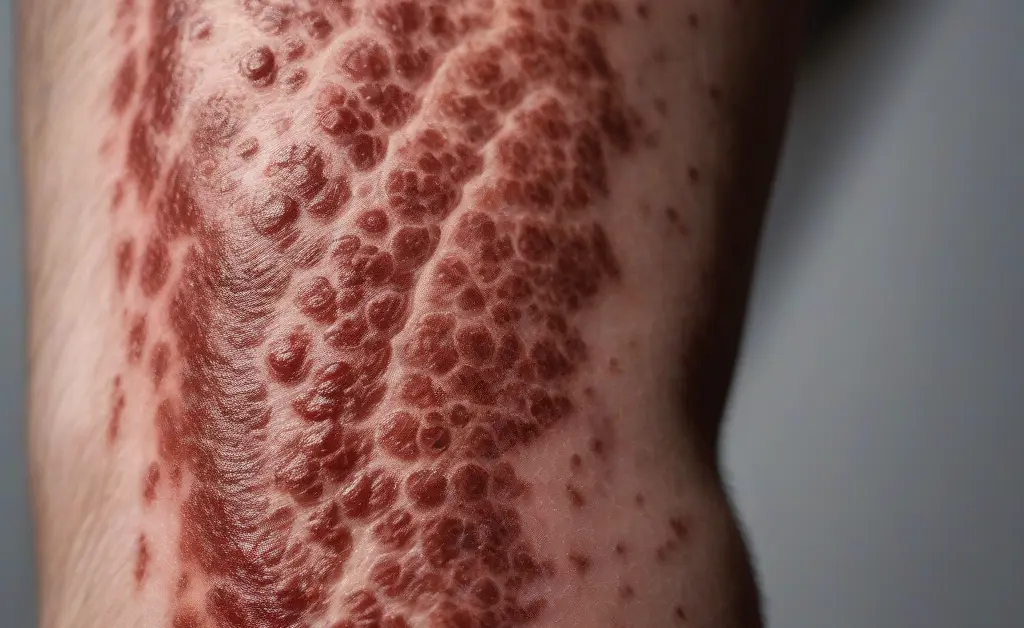
Shiitake dermatitis presents a distinct type of skin reaction to the shiitake mushroom, which is often considered separate from a classic IgE-mediated food allergy. This unique reaction is primarily associated with the consumption of raw or undercooked shiitake mushrooms. It is believed to be caused by a thermolabile polysaccharide called lentinan, which can induce a toxic inflammatory reaction in some individuals rather than an immune-mediated allergic response. Identifying characteristic shiitake rash patterns is key to distinguishing this condition from other skin reactions, making shiitake mushroom rash pictures a valuable diagnostic aid.
Types of Shiitake Dermatitis (e.g., Flagellate Dermatitis)
The most recognized and distinctive type of shiitake dermatitis is flagellate dermatitis. This condition is characterized by linear streaks or whip-like marks on the skin, resembling the marks left by a lash. These distinctive marks are thought to arise from the systemic circulation of the causative agent, affecting the skin in areas of friction or pressure. While other mild skin reactions can occur, flagellate dermatitis is the hallmark of this specific sensitivity, offering clear visual evidence when mushroom allergy rash images are reviewed.
Characteristics of the Rash
The rash associated with shiitake dermatitis typically appears as intensely itchy skin eruptions, often accompanied by redness and swelling. The characteristic rash usually develops within 24 to 48 hours after consuming raw or undercooked shiitake mushrooms. The linear streaks, which give flagellate dermatitis its name, can be found anywhere on the body, including the trunk, limbs, and neck. Unlike typical hives or eczema, the pattern is highly specific. While generally benign, the persistent itching can be uncomfortable and potentially lead to secondary skin infections if scratched excessively. This unique presentation helps differentiate a shiitake mushroom allergy rash from other dermatological conditions.
Is Shiitake Dermatitis Dangerous?
Generally, shiitake dermatitis is not considered dangerous or life-threatening. It is primarily an uncomfortable condition due to the severe itching. However, as with any intensely itchy rash, there is a risk of secondary bacterial infection if the skin is broken from scratching. While the rash itself usually resolves within a few weeks without specific medical treatment, individuals should avoid further exposure to raw or undercooked shiitake mushrooms to prevent recurrence. Unlike a severe food allergy which can lead to anaphylaxis, the dermatitis danger is mostly confined to skin discomfort and potential secondary issues.
How Common is Shiitake Mushroom Dermatitis?
Shiitake mushroom dermatitis is considered relatively rare, but its unique presentation makes it highly recognizable when it does occur. Its prevalence varies depending on regional dietary habits and the consumption of raw or undercooked shiitake mushrooms. While not as common as other food-related skin sensitivities, it is a well-documented condition among the adverse effects associated with shiitake mushrooms. Awareness of this specific reaction is important for individuals who consume shiitake regularly, especially in its less-cooked forms.
Treatment and Management of Shiitake Mushroom Allergy
The primary treatment for a shiitake mushroom allergy is strict avoidance of the mushroom and any products containing it. This includes carefully reading food labels and being mindful of cross-contamination in kitchens and restaurants. For managing acute allergic reactions, antihistamines may be used for mild symptoms like hives and itching. In cases of more severe reactions or breathing trouble, emergency medication such as an epinephrine auto-injector may be prescribed, and individuals should be trained on its proper use. Cooked shiitake mushrooms are generally safe for individuals prone to shiitake dermatitis, as the cooking process degrades the compound responsible for the rash. However, those with a true IgE-mediated shiitake mushroom allergy must avoid all forms, cooked or raw. Implementing effective avoidance strategies and knowing how to manage allergic reactions are crucial steps in living safely with this condition. It is always wise to consult a healthcare professional regarding dietary choices, especially when considering shiitake mushroom during pregnancy.
When to Seek Medical Attention for a Shiitake Mushroom Allergy
It is important to seek medical attention promptly if you suspect a shiitake mushroom allergic reaction, especially if symptoms are escalating or appear severe. Immediate medical care is necessary for any signs of anaphylaxis, which includes difficulty breathing, wheezing, swelling of the throat or tongue, a sudden drop in blood pressure, dizziness, or loss of consciousness. Even for less severe symptoms like widespread hives or persistent gastrointestinal distress after consuming shiitake mushrooms, consulting a healthcare professional is advisable. They can provide an accurate diagnosis, differentiate between an allergy and intolerance, and develop a personalized action plan, including advice on medication and when to use an epinephrine auto-injector if necessary. What should I do if I have an allergic reaction to shiitake mushrooms? Always err on the side of caution and consult a doctor or seek emergency care if symptoms are concerning.
In conclusion, while shiitake mushrooms are a culinary delight for many, understanding the potential for allergic reactions and unique conditions like shiitake dermatitis is vital for certain individuals. Recognizing symptoms, seeking professional diagnosis, and implementing appropriate management strategies, primarily avoidance, are key to navigating a shiitake mushroom allergy safely and effectively. Awareness empowers individuals to make informed dietary choices and ensures timely medical intervention when needed.
This information is provided for educational purposes only. It is not intended to be a substitute for professional medical advice, diagnosis, or treatment. Always seek the advice of your physician or other qualified health provider with any questions you may have regarding a medical condition. Never disregard professional medical advice or delay in seeking it because of something you have read in this article.
FAQ
— What are the common symptoms of a shiitake mushroom allergy?
Allergic reactions to shiitake mushrooms often manifest as skin symptoms like hives, itching, or a distinctive rash, commonly referred to as “shiitake dermatitis.” Some individuals might also experience digestive upset, such as nausea or abdominal discomfort. These symptoms arise as the body’s immune system responds to specific compounds within the mushroom.
— Can you suddenly develop an allergy to shiitake mushrooms?
Yes, it is possible for an individual to develop an allergy to shiitake mushrooms at any point in their life, even if they have consumed them previously without issue. Allergies develop when the immune system mistakenly identifies a harmless substance as a threat, and this sensitization process can occur over time through repeated exposure. This means that a previously tolerated food could trigger an immune response later on.
— Are shiitake mushroom allergies common?
While generally not considered among the most widespread food allergies, a shiitake mushroom allergy is a recognized condition. The specific skin reaction known as shiitake dermatitis, characterized by flagellate erythema, is a distinct manifestation that has been documented in various populations. Overall, compared to common allergens like peanuts or shellfish, true allergic reactions to shiitake are less prevalent.
— Can a shiitake mushroom allergy be serious?
In some cases, allergic reactions to shiitake mushrooms can be serious, similar to other food allergies. While most reactions might be mild to moderate, severe systemic responses, including anaphylaxis, are possible though rare. The potential seriousness depends on the individual’s immune system sensitivity and the specific allergen dose consumed.