Mushrooms are a diverse group of fungi, often found growing in forests around the world. One particular species, easily recognized by its distinctive fan-shaped caps layered like a turkey’s tail feathers, has garnered significant attention for its potential health properties. This common fungus, known scientifically as Trametes versicolor, has been used for centuries in traditional healing practices across various cultures. Today, modern research is increasingly exploring the compounds found within this resilient organism, seeking to validate its long-standing uses. Understanding the traditional uses, scientific inquiries, and practical applications of turkey tail mushroom is crucial for those interested in natural wellness. This article will delve into its benefits, forms, and safety considerations.
What is Turkey Tail Mushroom?
Characteristics and Identification
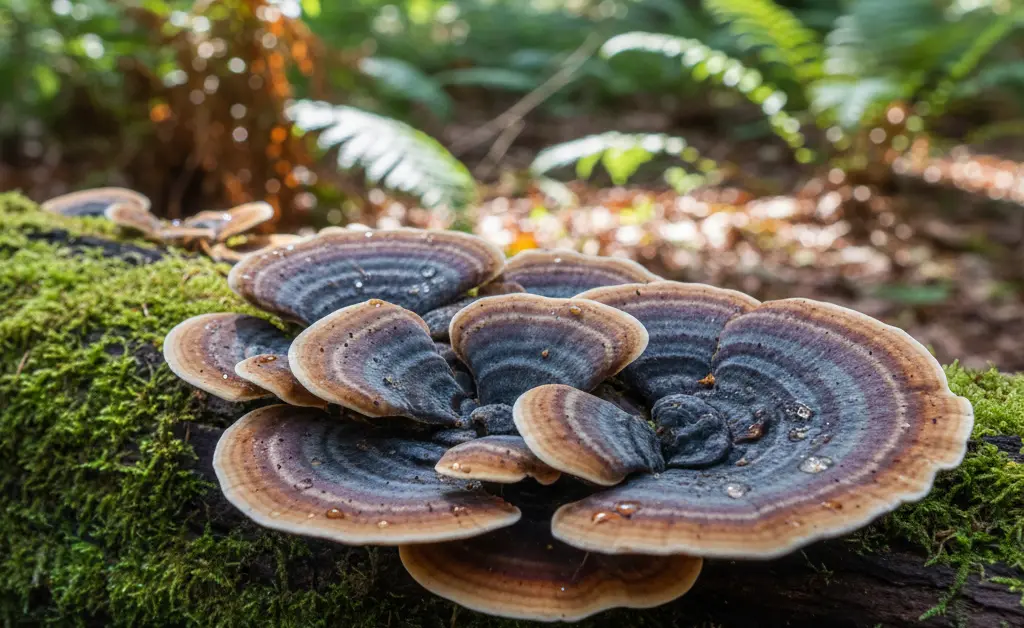
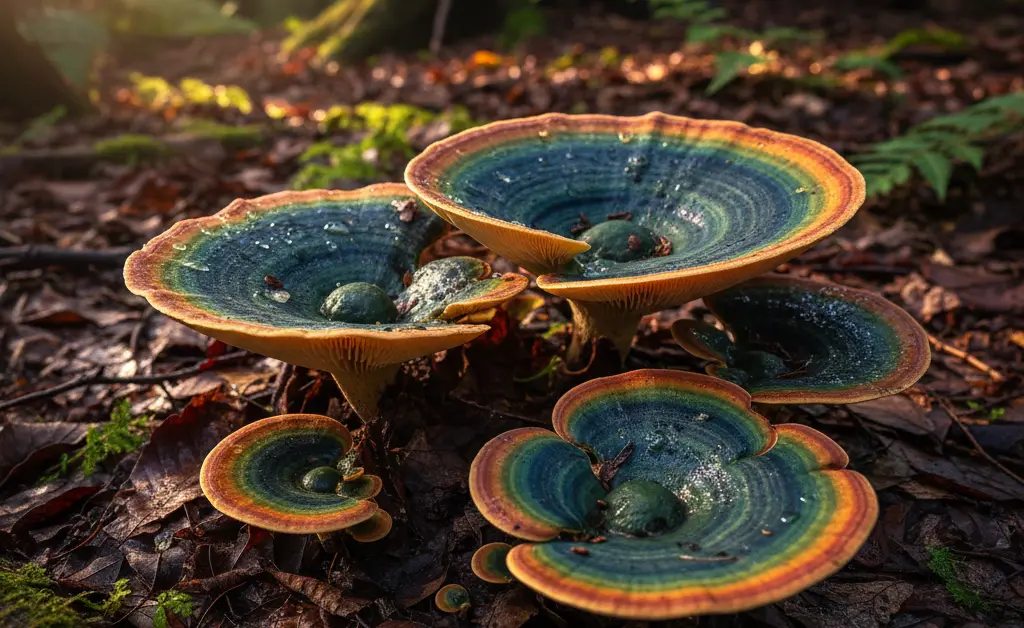
The turkey tail mushroom, known scientifically as Trametes versicolor, is a widespread polypore fungus recognized by its distinctive fan-shaped fruiting bodies. These caps grow in colorful, concentric zones, often exhibiting shades of brown, gray, blue, green, and red, resembling the fanned tail of a turkey. The upper surface is typically velvety or finely hairy, while the underside features a white, porous surface. Unlike gilled mushrooms, turkey tail has tiny pores for spore release, a key feature for identification. It is a saprophytic fungus, meaning it feeds on dead wood, playing an important role in forest ecosystems.
Cultural Significance and Traditional Uses (e.g., Chinese Medicine)
For centuries, the turkey tail mushroom has held a place of reverence in traditional healing systems, particularly in Asian cultures. In Traditional Chinese Medicine (TCM), it is known as “Yun Zhi” and has been utilized for its potential to support overall vitality and immune health. Similarly, in traditional Japanese medicine, it is known as “Kawaratake.” It has been a prominent “medicinal mushroom” used to address a range of conditions, often brewed into teas or consumed as part of herbal formulations to promote balance and wellness within the body. Its long history of use underscores its cultural significance as a natural health agent.
Regulatory Status and Legality
The regulatory status of turkey tail mushroom varies depending on the country and its intended use. In many parts of the world, including the United States, it is widely available as a dietary supplement. As such, it falls under the purview of dietary supplement regulations, which are often less stringent than those for pharmaceutical drugs. This means that while it is legal to buy and sell, the quality, purity, and potency of products can vary significantly between manufacturers. Consumers are generally advised to seek products from reputable sources that provide third-party testing or certification to ensure product quality and safety.
Benefits of Turkey Tail Mushroom
Immune System Support
One of the most extensively studied benefits of the turkey tail mushroom is its potential to support the immune system. This fungus contains potent polysaccharide compounds, notably polysaccharide-K (PSK, also known as Krestin) and polysaccharide peptide (PSP). These beta-glucans are considered immuno-modulators, meaning they may help regulate and enhance the body’s immune response. Research, including human clinical trials, has explored how these compounds might stimulate various immune cells, potentially strengthening the body’s natural defenses against pathogens and supporting general immune health. The focus of many research studies has been on its role in supporting the immune system in conjunction with conventional treatments, as detailed by resources from the NIH.
Overall Health Benefits
Beyond immune support, the turkey tail mushroom is also recognized for its rich antioxidant content. It contains a variety of phenolic compounds and flavonoids, which are powerful antioxidants that may help combat oxidative stress in the body. Reducing oxidative stress is important for maintaining cellular health and contributing to overall well-being. Furthermore, turkey tail mushroom has been studied for its potential to support gut health due to its prebiotic properties. The complex carbohydrates within the mushroom may act as food for beneficial gut bacteria, thereby fostering a healthy gut microbiome, which in turn influences various aspects of health. Beyond turkey tail, other beneficial fungi like chaga mushroom are also gaining recognition for their wellness properties.
Enhancing Muscle Strength and Reducing Fatigue
While research into this specific area is less extensive compared to immune system support, traditional uses and some preliminary studies have explored the potential of turkey tail mushroom to contribute to physical endurance and recovery. In some traditional contexts, adaptogens like turkey tail are believed to help the body adapt to stress and improve resilience, which could indirectly influence perceived fatigue levels. Further robust scientific investigation is ongoing to fully understand any direct impact on muscle strength or significant reduction in fatigue.
Other Emerging Research and Uses
Emerging research continues to uncover a broader spectrum of potential benefits associated with turkey tail mushroom. Studies are investigating its potential antiviral and antibacterial properties, exploring how certain compounds might help inhibit the growth of various microorganisms. Other areas of interest include its potential role in managing inflammation and supporting liver health. While these areas of research are still in early stages, they highlight the complex biochemical profile of this medicinal mushroom and its potential for diverse applications in health and wellness.
Forms of Turkey Tail Mushroom
Culinary Uses and Recipes
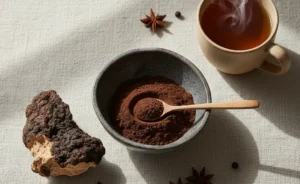
While turkey tail mushroom is technically edible, it is generally considered too tough and woody to be consumed in its raw or whole cooked form as a culinary dish. Unlike other edible mushrooms such as shiitake or oyster mushrooms, its texture makes it unpalatable for typical cooking. Instead, its traditional and most common culinary use involves steeping it to make teas, broths, or tinctures. These preparations allow the beneficial compounds to be extracted into a consumable liquid, making it easier to integrate into one’s diet for health purposes rather than for flavor or texture.
Available Forms (Extracts, Powders, Capsules)
For those seeking the potential benefits of turkey tail mushroom, it is widely available in various convenient supplement forms:
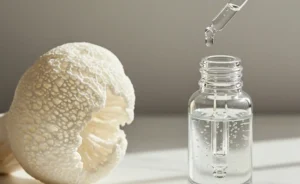
- Extracts: These are concentrated forms, often created through hot water or dual extraction methods, designed to isolate and make the beneficial polysaccharides (like PSP and PSK) more bioavailable. Extracts may come in liquid tinctures or powdered forms.
- Powders: Typically made from the dried and ground fruiting body or mycelium of the mushroom. Powders can be easily added to smoothies, teas, coffee, or food. It is important to check if the powder is made from the fruiting body, mycelium, or both, as this can affect the concentration of active compounds.
- Capsules: Offering convenience and precise dosing, capsules contain either powdered mushroom material or concentrated extracts. They are a popular choice for those who prefer a taste-free and easy-to-take option.
When choosing any form, consumers are encouraged to look for products that specify the concentration of beta-glucans and have undergone third-party testing to ensure purity and potency. Many individuals also explore other medicinal fungi such as reishi mushroom for their unique health benefits.
Turkey Tail Mushroom for Pets
The use of turkey tail mushroom is not limited to humans; it has also gained popularity as a supplement for pets, particularly dogs and cats. Pet owners and veterinarians are exploring its potential to support the immune system, especially in older animals or those facing health challenges. It is typically administered to pets in powdered form, mixed into their food, or given as a specially formulated pet supplement. As with any pet supplement, it is crucial to consult with a veterinarian before incorporating turkey tail mushroom into a pet’s regimen, to ensure appropriate dosage and suitability for the individual animal’s health needs.
Cost and Where to Buy
The cost of turkey tail mushroom supplements can vary significantly based on the form (powder, extract, capsules), the concentration of active compounds, the brand’s reputation, and whether it’s sourced from the fruiting body or mycelium. Generally, extracts tend to be more expensive due to their higher concentration. These supplements are widely available at health food stores, specialty vitamin shops, and numerous online retailers. When purchasing, consumers should consider the product’s origin, processing methods, and third-party certifications to ensure they are investing in a high-quality product.
Side Effects, Safety, and Interactions of Turkey Tail Mushroom
Common Adverse Effects
The turkey tail mushroom is generally considered well-tolerated by most individuals. However, as with any supplement, some people may experience mild adverse effects. The most commonly reported side effects are digestive issues, which can include bloating, gas, or dark stools. These symptoms are usually temporary and may be mitigated by starting with a lower amount and gradually increasing it. Allergic reactions, though rare, are also possible, manifesting as skin rashes or other sensitivities. Should any persistent or severe adverse reactions occur, it is advisable to discontinue use and consult a healthcare provider.
Contraindications and Precautions
While turkey tail mushroom is generally safe, certain individuals should exercise caution or avoid its use. Those with autoimmune conditions, who are pregnant or breastfeeding, or who have undergone organ transplants should consult a healthcare provider before taking this supplement. Its immune-modulating properties mean it could potentially interact with immunosuppressant medications. Individuals with known mushroom allergies should also avoid turkey tail products. Always discuss new supplements with a doctor, especially if you have pre-existing health conditions or concerns.
Safety During Pregnancy and Breastfeeding
There is insufficient scientific research and clinical data regarding the safety of turkey tail mushroom during pregnancy and breastfeeding. Due to the lack of comprehensive studies specifically addressing its effects on pregnant individuals, fetal development, or infants through breast milk, it is generally advised to avoid using turkey tail mushroom supplements during these periods. The precautionary principle suggests that it is best to err on the side of caution to ensure the well-being of both the expectant or nursing individual and the baby. Consulting a healthcare provider for personalized advice is always recommended.
Potential Interactions with Medications
Due to its potential to modulate the immune system, turkey tail mushroom may interact with certain medications. Individuals taking immunosuppressant drugs, such as those used after organ transplantation or for autoimmune diseases, should be particularly cautious, as turkey tail could potentially counteract the effects of these medications. There is also a theoretical concern for interactions with anticoagulants (blood thinners) or medications for diabetes. To avoid any potential adverse interactions, it is crucial to inform your healthcare provider about all supplements you are taking, including turkey tail mushroom, especially if you are on prescription medication.
Identifying Turkey Tail Mushroom in Nature
Habitat and Growing Conditions
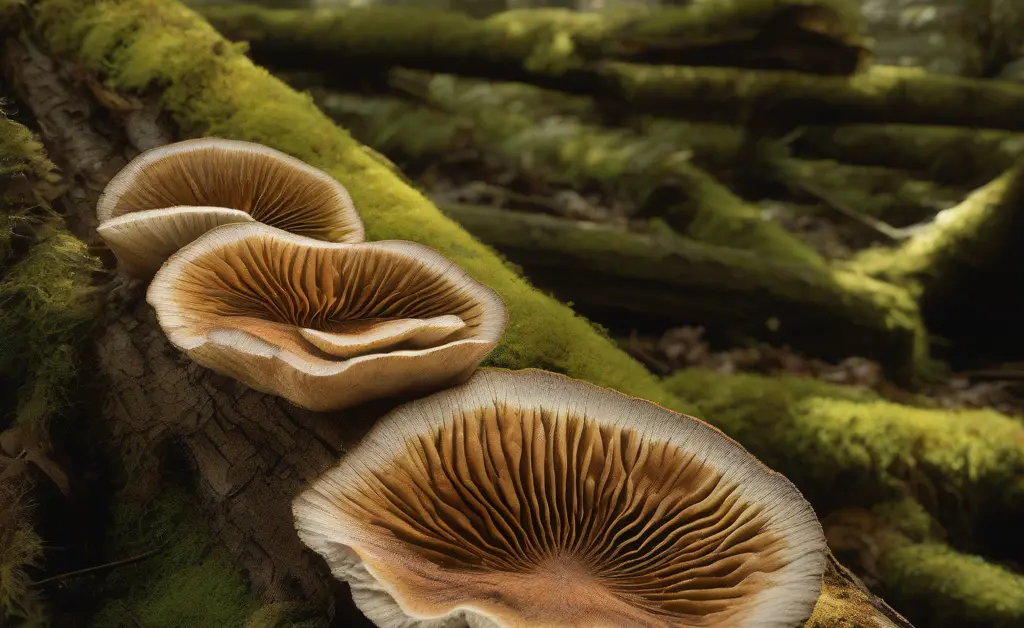
The turkey tail mushroom thrives in a variety of environments, making it one of the most common and widely distributed fungi globally. It predominantly grows on dead or decaying hardwood trees, fallen logs, stumps, and branches. It is a saprophytic fungus, meaning it plays a crucial role in breaking down wood and recycling nutrients in forest ecosystems. It prefers moist, temperate climates and can be found year-round in many regions, though it is most prolific during the wetter seasons. Its characteristic growth pattern involves shelves or rosettes spreading across the wood surface.
Sustainable Foraging Practices
Foraging for wild mushrooms requires both knowledge and responsibility. If you plan to forage for turkey tail mushroom, it is essential to practice sustainable harvesting to ensure the long-term health of fungal populations and their ecosystems. This involves taking only what you need, leaving plenty behind for wildlife and for the mushroom to reproduce, and avoiding over-harvesting from a single location. Always ensure you are on private land with permission or in a public area where foraging is allowed. It is also important to harvest cleanly, cutting the mushroom at its base without damaging the wood or surrounding mycelial network. Never forage mushrooms from contaminated areas, such as near roadsides or industrial sites.
Turkey Tail Mushroom vs. Common Look-Alikes
Correct identification is paramount when foraging for any wild mushroom, especially one like the turkey tail mushroom, which has several look-alikes. Distinguishing true turkey tail from similar-looking fungi is critical, as some imposters may lack medicinal value or, in rare cases, could be inedible or mildly toxic. The most common look-alike is “False Turkey Tail” (Stereum ostrea), which shares a similar layered, multi-colored appearance on the upper surface but critically lacks the distinct white pores on its underside. Instead, Stereum ostrea has a smooth or slightly ridged underside. Other polypores can also resemble turkey tail, but their pores, texture, and color patterns will differ upon closer inspection. Key identifying features for true turkey tail mushroom include its velvety top surface, distinct concentric color bands, and a uniformly white, porous underside. Always consult reliable field guides or an experienced mycologist if you are unsure about identification.
The turkey tail mushroom stands out as a remarkable fungus, celebrated for centuries in traditional medicine and increasingly validated by modern scientific inquiry. Its primary reputation stems from its potential to support and modulate the immune system, largely attributed to its unique polysaccharide compounds like PSP and PSK. Available in convenient forms such as extracts, powders, and capsules, this versatile mushroom is being integrated into wellness routines for both humans and pets, contributing to overall health and resilience. While generally well-tolerated, understanding its potential side effects and interactions remains crucial for safe incorporation.
It is important to note that this content is not intended as medical advice. The information provided is for general knowledge and informational purposes only, and does not constitute a recommendation or endorsement of any health care service, treatment, or product. Always seek the advice of a qualified healthcare professional for any medical concerns or before making any decisions about your health or treatment plans. Never disregard professional medical advice or delay in seeking it because of something you have read here.
FAQ
— What are the benefits of Turkey Tail Mushroom?
The turkey tail mushroom is highly regarded for its rich content of polysaccharides, particularly beta-glucans, which are known to play a significant role in supporting immune system function. These compounds are studied for their ability to interact with immune cells, helping to modulate and strengthen the body’s natural defenses. This mushroom is also linked to promoting gut health due to its prebiotic properties.
— What are the side effects of Turkey Tail Mushroom?
Turkey tail is generally well-tolerated by most individuals; however, some might experience mild digestive upset, such as gas or bloating. Occasionally, changes in stool color or texture have been noted. It’s always prudent to monitor your body’s response when introducing any new supplement.
— How should Turkey Tail Mushroom be taken?
This mushroom is typically consumed in forms where its beneficial compounds are made bioavailable. It is often processed into extracts, powders, or capsules, which are then added to beverages or meals. The preparation method, usually involving hot water or alcohol extraction, is essential for accessing its active components.
— Is Turkey Tail Mushroom safe to take daily?
For many individuals, turkey tail is considered safe for consistent, daily use. Its long history of traditional use and modern research generally support its safety profile. However, individual responses can vary, so listening to your body and consulting with a health professional is always wise.
— Who should avoid Turkey Tail Mushroom?
Certain individuals may need to exercise caution or avoid this mushroom, including those with autoimmune conditions, as it can influence immune activity. Pregnant or breastfeeding women, and individuals on immunosuppressant medications, should also consult a healthcare provider before use. Anyone with a known mushroom allergy should certainly avoid it.
— What does a true turkey tail mushroom look like?
A true turkey tail mushroom, *Trametes versicolor*, is easily identifiable by its distinctive fan-shaped, shelf-like fruiting bodies that grow in overlapping layers. It displays concentric rings of vibrant colors, often including shades of brown, gray, blue, and green, resembling a turkey’s fanned tail feathers. The underside is typically a smooth, white or cream-colored pore surface, distinguishing it from lookalikes.
— Can you eat turkey tail mushroom raw?
Turkey tail mushroom is not typically consumed raw due to its tough, leathery texture. Furthermore, its beneficial compounds, such as polysaccharides, are bound within the fungal cell walls and require extraction, usually through hot water or alcohol, to become bioavailable and exert their functional properties. Therefore, it is most often used in prepared forms like teas, tinctures, or powdered extracts.