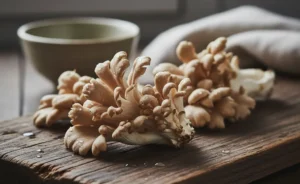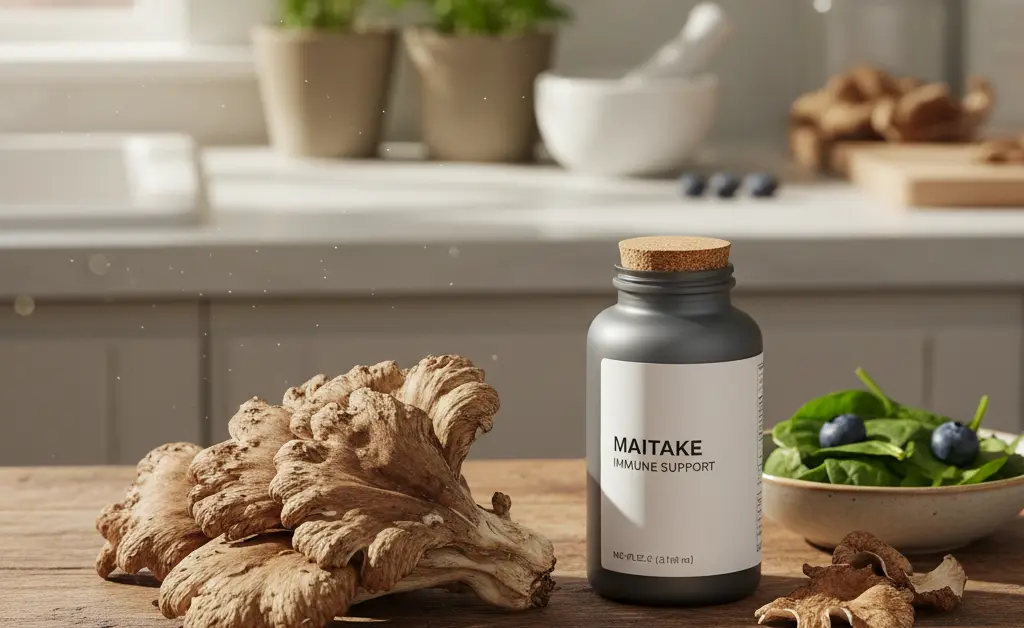
Feeling constantly tired or finding it hard to get enough sunlight to boost your vitamin D levels? Many individuals face the challenge of maintaining optimal vitamin D intake, particularly those seeking plant-based or alternative dietary sources beyond fortified foods or supplements. This essential nutrient plays a crucial role in bone health, immune function, and overall well-being, yet its deficiency remains a widespread concern. While sunlight exposure is a primary source, dietary options are vital for consistent intake. This article explores an intriguing natural solution often overlooked: the maitake mushroom vitamin d content. We will delve into why this culinary delight is gaining recognition as a significant contributor to your daily vitamin D needs, examining its unique properties and how it stands out among other natural sources, offering a delicious and effective way to support your health.
Maitake Mushroom Vitamin D Content
Maitake mushrooms, scientifically known as Grifola frondosa, are gaining increasing attention for their notable nutritional content, particularly their contribution to vitamin D intake. Unlike animals that produce cholecalciferol (vitamin D3), maitake and other fungi naturally synthesize ergocalciferol, also known as vitamin D2, when exposed to ultraviolet (UV) light. This makes them a unique and valuable dietary source, especially for those following vegetarian or vegan lifestyles seeking plant-based vitamin D options. The presence of this vital nutrient helps underscore the overall maitake mushroom vitamin d value.
Why Maitake is Considered a Potent Vitamin D Source
Maitake mushrooms are considered a potent vitamin D source primarily because of their high ergosterol content. Ergosterol is a precursor compound that, when exposed to UV light, converts into vitamin D2. This natural conversion process mimics how human skin produces vitamin D3 from cholesterol when exposed to sunlight. Whether grown outdoors, exposed to natural sunlight, or commercially cultivated under controlled UV light conditions, maitake mushrooms have the capacity to accumulate significant levels of this essential vitamin, distinguishing them among edible fungi as a powerful contributor to daily vitamin D needs. This makes them a remarkable natural dietary supplement.
Quantifying Vitamin D (IU) Per Serving
The vitamin D content in maitake mushrooms is typically quantified in International Units (IU) per serving size. While specific values can vary greatly depending on factors such as cultivation methods and UV exposure, maitake mushrooms are generally recognized for their ability to provide a substantial amount of vitamin D2. It’s important to understand that the nutritional value listed for these mushrooms reflects their capacity to contribute to the Recommended Dietary Allowance (RDA) for vitamin D, offering a valuable way to support overall health. Consumers often check labels for this information to gauge how a serving contributes to their daily value.
Factors Influencing Vitamin D Levels in Maitake
Several key factors influence the final vitamin D levels found in maitake mushrooms. The most significant factor is UV exposure; mushrooms grown under controlled UV light or those that receive natural sunlight exposure during growth and drying processes will have higher concentrations of vitamin D2. The intensity and duration of this UV light play a crucial role in vitamin D synthesis. Other factors include the specific strain of Grifola frondosa, the growing medium, and even the processing methods, such as whether they are consumed fresh or as dried maitake. These elements collectively determine the ultimate maitake mushroom vitamin d potency and overall nutrient density. Furthermore, consumers interested in specific dietary components might also look into the maitake mushroom oxalate content.
Vitamin D in Maitake vs. Other Mushrooms
When comparing maitake mushroom vitamin d content to that of other edible fungi, maitake often stands out as a superior source. While many mushrooms contain ergosterol, their ability to convert it to vitamin D2 upon UV exposure varies. Maitake’s particular structure and composition seem to lend themselves well to this conversion, making them a more reliable option for increasing dietary vitamin D intake. Understanding these differences helps consumers make informed choices when selecting mushrooms for their nutritional value.
Maitake vs. Other Edible Fungi for Vitamin D
Many common mushrooms, such as button mushrooms, shiitake mushroom vitamin d, and oyster mushroom vitamin d, can also synthesize vitamin D2 when exposed to UV light. However, studies and nutritional analyses frequently show that maitake mushrooms can accumulate higher levels of this vitamin under optimal conditions, sometimes making them one of the best mushrooms for vitamin D. For instance, while a button mushroom might offer some vitamin D after irradiation, the inherent capacity and commercial practices often result in maitake having a more significant contribution. This makes maitake a particularly notable fungal vitamin d source for those looking to boost their intake naturally, serving as an effective plant-based vitamin D option.
Form and Bioavailability of Vitamin D in Maitake
The form of vitamin D found in maitake mushrooms is ergocalciferol (vitamin D2). While historically cholecalciferol (vitamin D3, primarily from animal sources) was considered superior for human health, current research suggests that both vitamin D2 and vitamin D3 are effective in raising serum vitamin D levels. The bioavailability and absorption of mushroom-derived vitamin D from maitake are considered good, meaning the body can effectively utilize the nutrient. This makes maitake mushroom vitamin d a valuable dietary supplement for maintaining healthy vitamin D status.
Health Benefits of Maitake Mushroom Vitamin D
The integration of maitake mushroom vitamin d into the diet offers a multitude of health benefits, primarily through its significant contribution to vitamin D levels. Vitamin D is a fat-soluble vitamin critical for various bodily functions, and obtaining it from a natural food source like maitake can support overall well-being. This particular type of fungal vitamin d aids in numerous physiological processes beyond just bone health, making it a compelling dietary choice.
One of the most well-known benefits is supporting bone health and density. Vitamin D plays an indispensable role in calcium absorption in the gut and phosphorus metabolism, which are vital for maintaining strong bones and preventing conditions associated with low bone mineral density. Adequate vitamin D intake, whether from sunlight exposure or dietary sources like maitake mushroom vitamins, is essential for robust skeletal health throughout life. Furthermore, a sufficient supply of vitamin D helps in preventing vitamin D deficiency, a widespread concern that can impact various systems in the body.
Beyond bone health, the contribution to immune system function is another significant benefit. Vitamin D receptors are found on various immune cells, indicating its direct involvement in modulating immune responses. Regular intake of maitake mushroom vitamin d may therefore help support a healthy immune system, potentially enhancing the body’s natural defenses. The general maitake mushroom overview highlights these broad health benefits, showcasing how these mushrooms do for your body, contributing to overall vitality and resilience. Integrating them into a balanced diet can be a proactive step towards comprehensive health support.
How to Incorporate Maitake Mushrooms for Vitamin D
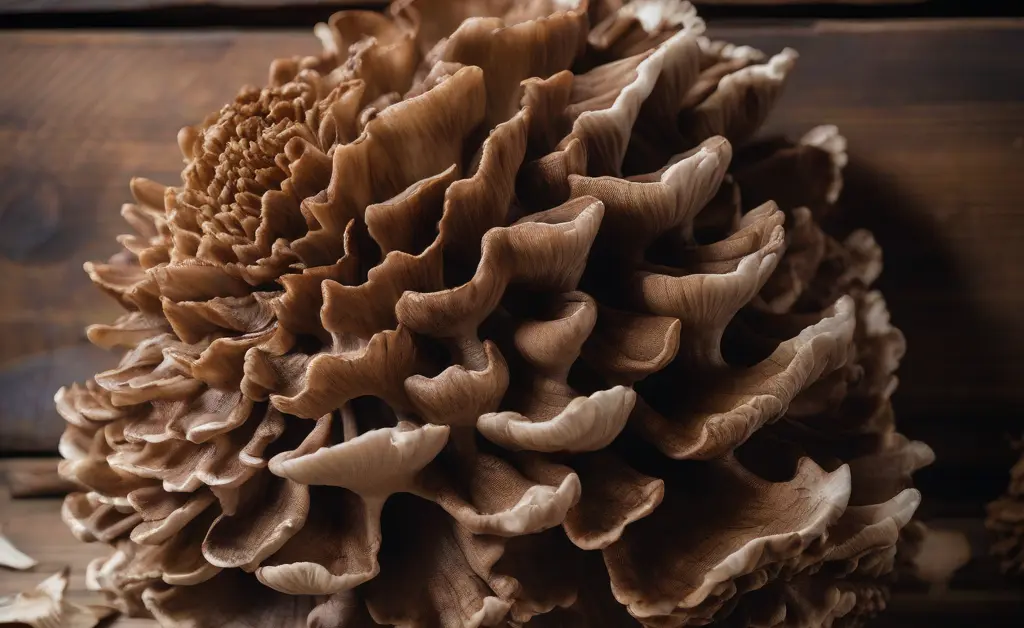
Incorporating maitake mushrooms into your diet to enhance your vitamin D intake is both delicious and versatile. These forest mushrooms, also known as “hen of the woods,” have a rich, earthy flavor and a unique texture that makes them a favored ingredient in many culinary traditions. For individuals with specific dietary needs, it’s also helpful to consider the maitake mushroom FODMAP content. The key to maximizing their nutritional content, particularly the maitake mushroom vitamin d, often lies in preparation and cooking methods.
Maitake can be enjoyed in various ways. They can be sautéed with garlic and herbs as a side dish, added to stir-fries for an umami boost, or even roasted until crispy. They are an excellent addition to soups, stews, and omelets, providing both flavor and a boost of maitake mushroom nutrients. Beyond vitamin D, it’s also beneficial to explore the maitake mushroom protein content for a comprehensive view of its dietary contributions. To retain optimal vitamin D levels, light cooking methods are generally preferred, as excessive heat can sometimes diminish nutrient content. Considering recommended serving sizes for dietary vitamin D helps ensure you’re getting a beneficial amount without overconsumption, contributing positively to your daily value.
For those seeking convenient options, dried maitake is also available and can be rehydrated before use. Some forms of maitake, including certain dietary supplement products, may specifically undergo UV irradiation to enhance their vitamin D content. Always check product labels for nutritional information regarding the specific vitamin D content, as this can vary widely. Whether fresh or dried, understanding ergocalciferol (vitamin D2) and its presence in maitake allows consumers to leverage this unique fungal source for supporting their overall health and addressing potential vitamin D deficiency. This makes maitake a beneficial dietary source for those aiming to increase their vitamin D absorption naturally.
The maitake mushroom vitamin d content offers a compelling natural dietary source for this essential nutrient. Its unique capacity to synthesize vitamin D2 upon UV exposure, coupled with its broad nutritional content, positions it as a valuable addition to a balanced diet. Incorporating maitake mushrooms can support bone health, bolster immune function, and contribute to overall well-being, providing a delicious and effective way to address vitamin D needs.
This material is shared for educational insight, not for clinical decision-making. The information provided is intended for general knowledge and informational purposes only, and does not constitute medical advice. It is essential to consult with a qualified healthcare professional before making any health-related decisions or for any medical concerns. Reliance on any information presented herein is solely at your own risk.
FAQ
— Do maitake mushrooms naturally contain vitamin D?
Yes, maitake mushrooms do naturally contain a precursor called ergosterol, which converts into vitamin D2 when exposed to ultraviolet (UV) light. This natural process allows them to develop vitamin D, much like human skin produces vitamin D3 from sunlight. Without UV exposure, the vitamin D content is minimal.
— How much vitamin D is in a serving of maitake mushrooms?
The amount of vitamin D in maitake mushrooms can vary significantly depending on factors like sun or UV light exposure during their growth or post-harvest treatment. There is no single fixed quantity that applies to all servings, as cultivation methods greatly influence their nutritional profile. Specific values are typically found on the nutritional labels of commercially prepared products.
— Are maitake mushrooms considered a good source of vitamin D?
Maitake mushrooms are indeed recognized as a notable plant-based source of vitamin D, especially when exposed to ultraviolet light. This exposure transforms their ergosterol into active vitamin D2, making the maitake mushroom vitamin d content particularly valuable for those seeking non-animal sources. Their contribution can be significant for individuals looking to support their vitamin D status through diet.
— What type of vitamin D is found in maitake mushrooms?
Maitake mushrooms primarily contain vitamin D2, also known as ergocalciferol. This form of vitamin D is synthesized when the ergosterol naturally present in the mushrooms is exposed to ultraviolet (UV) light. It is distinct from vitamin D3, which is found in animal products and synthesized in human skin.
— Can maitake mushrooms help increase vitamin D levels?
Consuming maitake mushrooms can contribute to increasing vitamin D levels in the body due to their natural D2 content. Regular dietary intake, especially of mushrooms specifically enhanced with UV light exposure, supports overall vitamin D status. They offer a natural, plant-based way to supplement one’s vitamin D intake.