
For individuals navigating dietary restrictions, particularly those following a low-FODMAP diet to manage digestive comfort, choosing ingredients carefully is paramount. As more people embrace whole foods and diverse culinary experiences, mushrooms like maitake have gained popularity for their unique flavor and potential health benefits. To learn more about its specific dietary contributions, explore maitake mushroom nutrition facts. However, a common question arises for those monitoring their intake: what is the status of maitake mushroom fodmap content? Understanding the specific profiles of various ingredients is essential for meal planning and maintaining well-being, yet concrete data for some foods can be surprisingly elusive, presenting a challenge for conscientious eaters.
Maitake Mushroom FODMAP Status: Is It Low FODMAP?
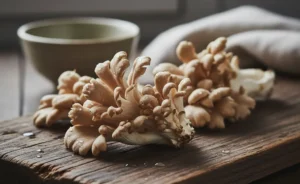
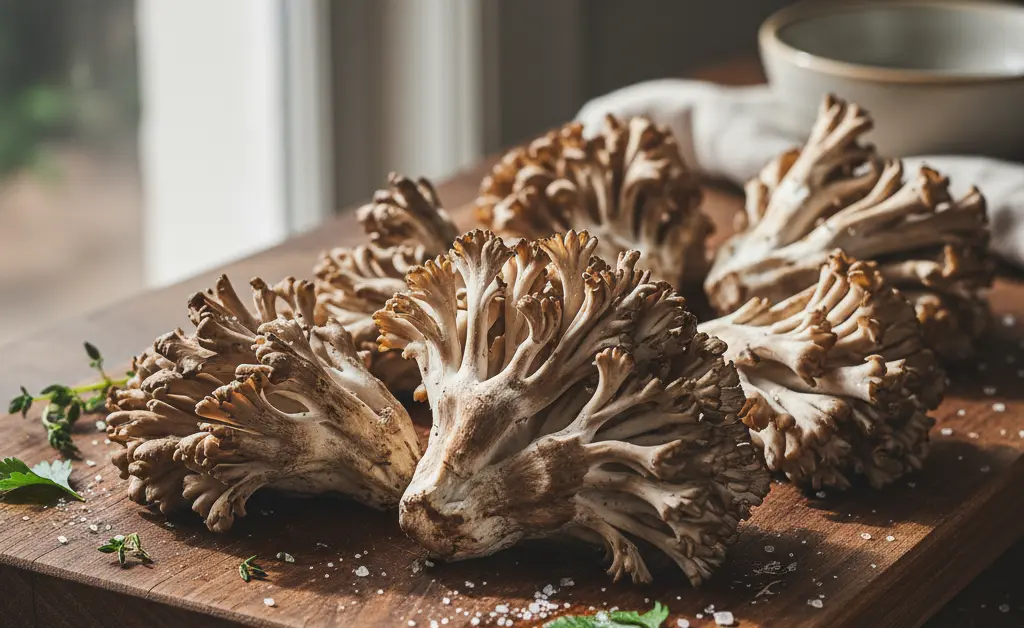
Determining the exact FODMAP status of every food item can be complex, and for the maitake mushroom, also known as hen-of-the-woods or Grifola frondosa, a definitive “low FODMAP” or “high FODMAP” classification is not widely available from official sources like Monash University or FODMAP Friendly. This often leads to uncertainty for those trying to adhere strictly to a low-FODMAP diet. While many mushroom varieties have been tested and assigned specific FODMAP levels, the maitake mushroom fodmap content remains largely unverified through formal scientific assessment. This lack of clear data means individuals must approach its inclusion in an IBS-friendly diet with caution, often relying on personal tolerance or a process of reintroduction after an elimination phase.
Is Maitake (Hen-of-the-woods) a Low-FODMAP Mushroom?
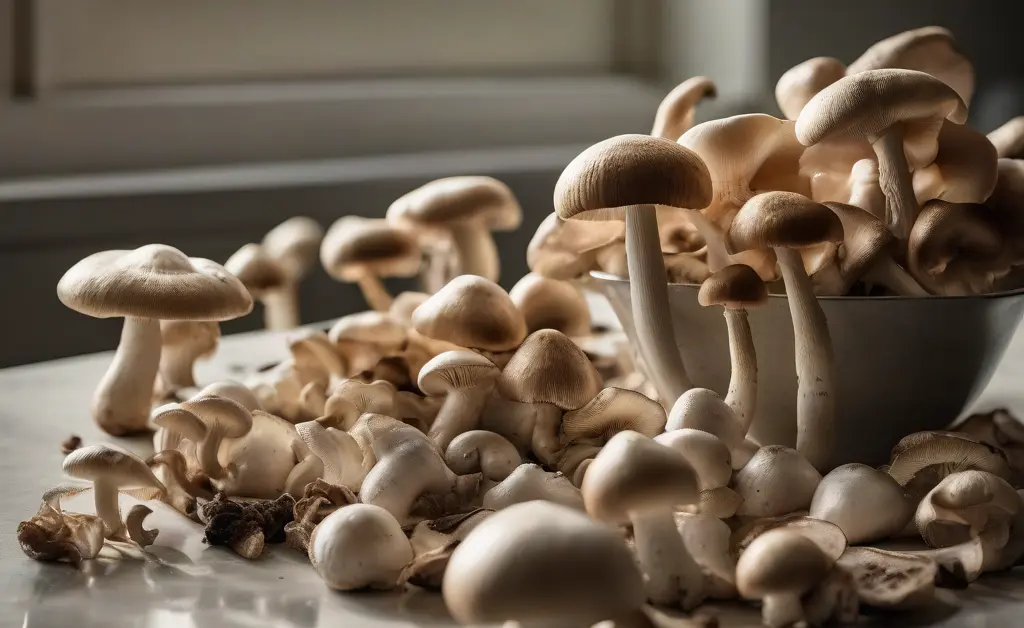
Without specific testing, it is challenging to confidently label maitake as a low-FODMAP mushroom. Most edible mushrooms contain varying amounts of short-chain carbohydrates, particularly polyols (like mannitol) and fructans, which are common FODMAPs. For instance, oyster mushrooms are generally considered low FODMAP in moderate serving sizes, while button mushrooms and shiitake mushrooms can be high FODMAP due to their mannitol content. The unique biochemical composition of each mushroom variety means that assumptions cannot be made based on other types. For specific details on its macronutrient content, consider the maitake mushroom protein. Until formal testing provides clear dietary guidelines for hen-of-the-woods, its suitability for those managing digestive symptoms associated with FODMAP intolerance remains in question.
Why Maitake’s FODMAP Content Is Currently Unknown
The absence of definitive information regarding the maitake mushroom fodmap content stems primarily from the extensive and often costly nature of FODMAP analysis. For a food to receive an official FODMAP rating, it must undergo rigorous laboratory testing to quantify its levels of various fermentable carbohydrates, including fructans, GOS, lactose, fructose, and polyols. Further analysis might also reveal the maitake mushroom oxalate content. This process requires specialized equipment and trained personnel to ensure accuracy and consistency in the reported data. Without this formal scientific investigation, the specific amounts of these short-chain carbohydrates within maitake mushrooms remain largely theoretical or anecdotal, rather than empirically proven.
Lack of Formal Testing and Available Data
Currently, major international organizations that provide FODMAP certifications and databases have not published specific findings for maitake mushrooms. Reputable bodies like the WHO continue to guide global health standards. This gap in available data means that registered dietitians and individuals following a low FODMAP diet do not have reliable, evidence-based guidance for including this specific mushroom variety. Consequently, maitake remains an untested food in the context of FODMAP levels. While other popular mushroom varieties have been thoroughly analyzed and categorized, the focus of research may simply not have extended to all less common or emerging ingredients yet. This highlights the ongoing need for continued research to expand the database of FODMAP-tested foods, which would greatly benefit individuals seeking to manage digestive health.
The journey to understand the maitake mushroom fodmap profile is ongoing, and currently, there is no definitive consensus from leading dietary research bodies. For individuals managing IBS symptoms or other forms of digestive distress through a low-FODMAP diet, a cautious approach is advisable when it comes to untested foods like maitake. Consulting with a registered dietitian can provide personalized guidance for navigating your diet, especially when faced with foods of unknown FODMAP status. They can help you understand personal tolerance through a structured reintroduction phase, ensuring symptom management while maintaining a diverse and nutritious diet. Understanding specific dietary contributions like maitake mushroom calories can be part of this broader nutritional planning. Until more research is conducted, consider safer low-FODMAP mushroom alternatives and prioritize foods with known FODMAP levels to minimize the risk of bloating, gas, and abdominal pain.
The purpose of this content is to educate, not to diagnose or treat. Information provided herein is intended for general knowledge and understanding, and does not substitute for professional medical advice, diagnosis, or treatment. Always seek the advice of a qualified healthcare provider or a registered dietitian with any questions you may have regarding a medical condition or dietary needs. Never disregard professional medical advice or delay in seeking it because of something you have read in this article. Individual dietary responses can vary significantly, and personal tolerance should always be determined under professional guidance.
FAQ
— Is maitake mushroom safe for an IBS diet?
For individuals managing an IBS diet, understanding the FODMAP content of foods is key. Regarding maitake mushroom FODMAP levels, it is generally considered a low-FODMAP food in measured portions, making it a potentially suitable choice for many following such dietary guidelines. This characteristic distinguishes it from some other mushroom varieties that tend to be higher in fermentable carbohydrates. However, individual tolerance can vary significantly, so careful introduction is always advisable.