As more individuals embrace diverse dietary choices and seek nutrient-dense ingredients for their meals, the culinary landscape continues to evolve. There’s a noticeable trend towards incorporating functional foods that offer both flavor and significant health benefits. Among these, the maitake mushroom has gained considerable attention, not just for its earthy aroma and delicate texture, but also for its nutritional profile. Many are curious about its potential as a valuable addition to a balanced diet, particularly when considering its macronutrient contributions. This article delves into the specifics of maitake mushroom protein, exploring its quantity, quality, and overall dietary significance, providing insights for those looking to enhance their daily nutrition with this versatile fungus.
Maitake Mushroom Protein Content
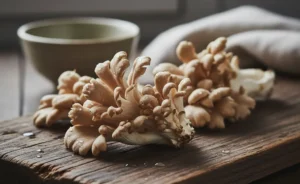
The maitake mushroom, also known as Hen-of-the-Woods or Grifola frondosa, is recognized not only for its unique taste but also for its nutritional value, including a notable protein presence. While generally not as high in protein as animal sources or legumes, maitake offers a valuable plant-based protein contribution, making it an excellent choice for vegan protein sources. Its macronutrient profile, including its protein, fiber, and carbohydrate content, makes it a beneficial addition to a balanced diet. Individuals exploring maitake nutrition facts will find that it contributes to the daily intake of various essential nutrients.
Amino Acid Profile Overview
The quality of protein is often determined by its amino acid profile, particularly the presence and balance of essential amino acids that the human body cannot synthesize on its own. Maitake mushrooms contain a range of amino acids, contributing to their overall protein quality. While they may not provide all essential amino acids in quantities comparable to a complete protein source like soy, they offer a significant contribution, especially when consumed as part of a varied diet. This rich array of maitake amino acids supports various bodily functions and makes the maitake mushroom protein a noteworthy component of its comprehensive nutritional profile.
Comparing Maitake’s Protein with Other Mushrooms
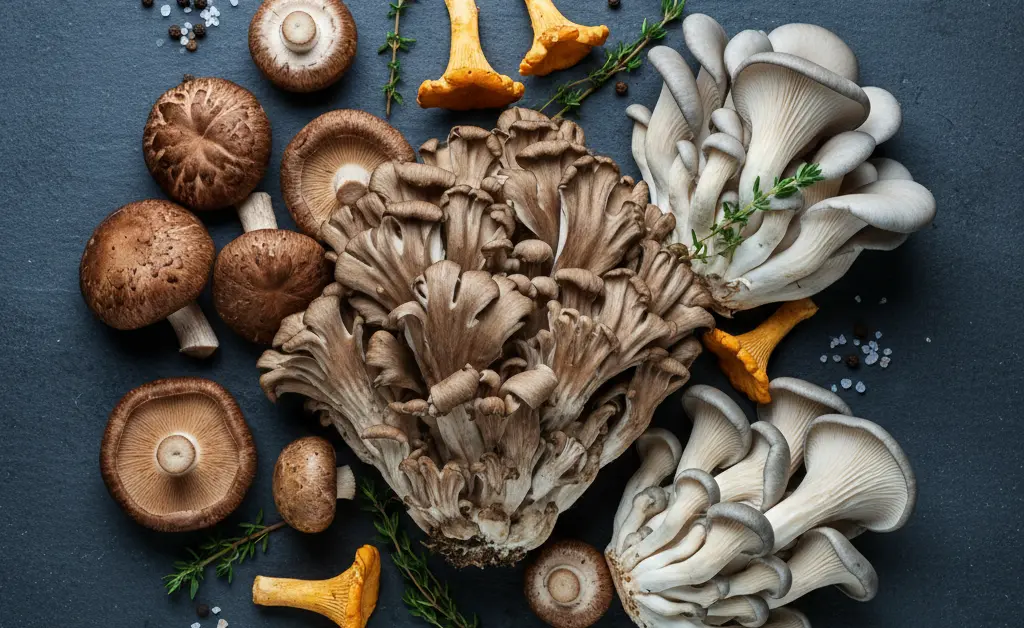
When evaluating the nutritional landscape of fungi, the protein content of different mushroom varieties can vary significantly. Maitake mushrooms hold their own in comparison to other commonly consumed edible mushrooms. While some varieties might have slightly higher protein concentrations, the maitake mushroom protein content is often competitive and contributes meaningfully to daily protein intake. This makes it an appealing choice for those seeking high protein mushrooms as part of their diet. Understanding these comparisons helps in appreciating the unique place of maitake in the broader spectrum of plant-based protein options.
Maitake Protein vs. Other Mushroom Varieties
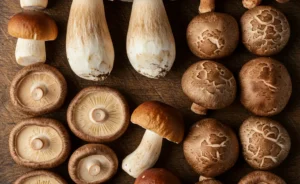
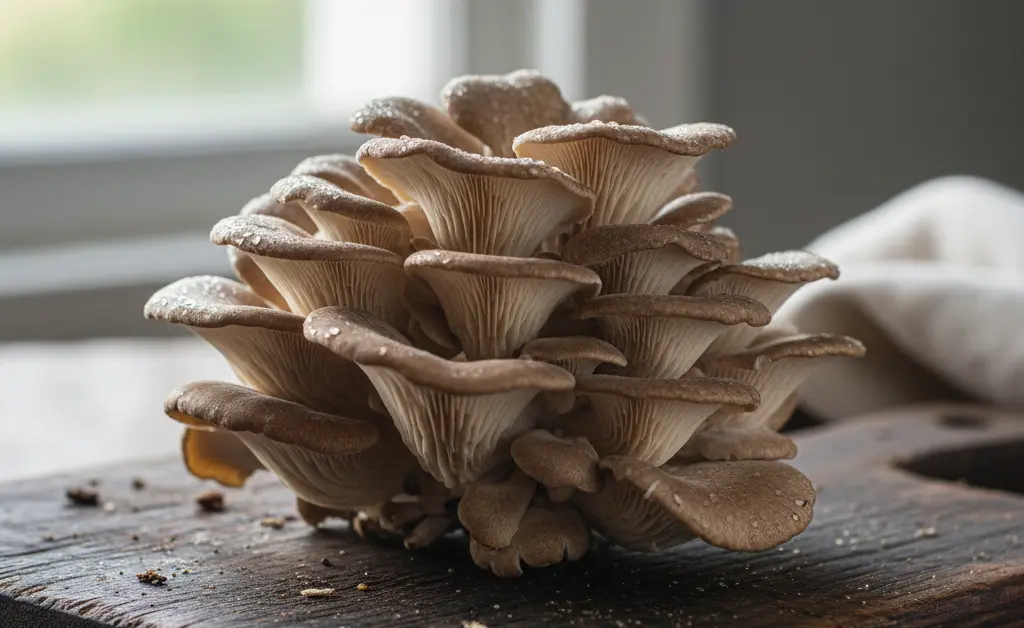
To provide context, let’s consider how maitake protein stands against other popular mushrooms. For instance, while shiitake and oyster mushrooms are also appreciated for their protein, maitake often offers a comparable or sometimes even superior amount per serving, depending on various factors. Furthermore, the low maitake mushroom calories count makes it an excellent choice for weight-conscious diets. When looking at the full nutritional breakdown of maitake mushrooms, its protein, coupled with other maitake nutrients like dietary fiber and beta-glucans, underscores its overall value. This makes it an excellent addition for those looking to diversify their plant-based protein sources beyond traditional options.
Dietary Significance of Maitake Protein
The dietary significance of maitake mushroom protein extends beyond its simple quantity; it encompasses how well the body can utilize this protein. As a functional food, maitake mushrooms are frequently sought after for various maitake benefits, including their adaptogenic properties and potential immune support. Incorporating maitake mushrooms into your diet provides not only protein but also a host of other beneficial compounds, contributing to overall well-being. This aligns with recommendations from health authorities like the WHO for incorporating nutrient-dense foods into daily meals. This makes the mushroom a valuable part of a health-conscious eating plan.
Protein Digestibility and Bioavailability
For protein to be beneficial, it must be effectively digested and absorbed by the body. Research suggests that the protein in mushrooms, including maitake, generally possesses good digestibility and bioavailability, meaning the amino acids are readily available for the body’s use. This is crucial for muscle maintenance, enzyme production, and other vital physiological processes. The combination of dietary fiber and other compounds in maitake may also play a role in digestive health, further enhancing the overall nutritional value of this unique fungus. It’s also worth noting that understanding the maitake mushroom FODMAP content can be important for individuals with specific digestive sensitivities. The maitake mushroom protein is thus not just present, but also accessible to the body, contributing to its positive role in a plant-based diet.
Culinary Tips for Preserving Maitake Protein
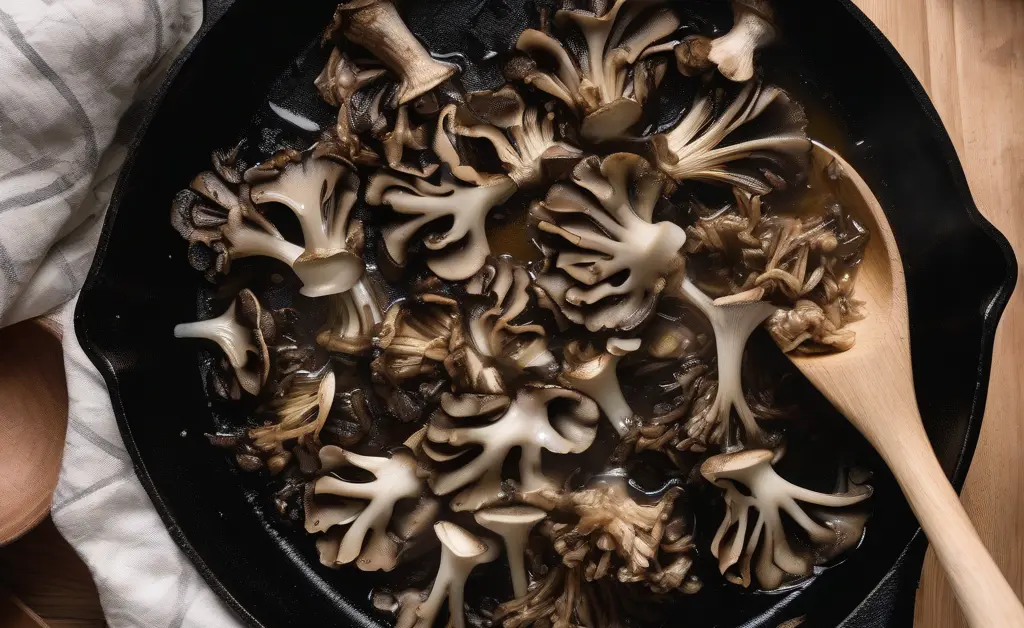
To maximize the nutritional benefits of maitake mushrooms, including their protein content, proper culinary preparation is key. Different cooking methods can influence the stability and availability of nutrients. Gentle cooking techniques are often recommended to help preserve the delicate structure of maitake and its valuable compounds. Whether sautéing, roasting, or incorporating them into soups, thoughtful preparation can help ensure you get the most from this nutritious fungi. Mastering these culinary tips enhances both the flavor and nutritional impact of your meals.
Protein Amount in Raw vs. Cooked Maitake
The protein amount in raw maitake may differ slightly from cooked maitake due to the effects of heat on water content and protein structure. Cooking generally makes nutrients more accessible by breaking down cell walls and complex carbohydrates, potentially aiding in protein digestibility. However, excessive heat or prolonged cooking might also lead to some nutrient degradation. For optimal maitake mushroom protein, light cooking methods such as quick stir-frying or steaming are often suggested. Similarly, raw maitake nutrition can be enjoyed in certain preparations, offering a different textural experience and nutrient profile, but cooking often improves overall digestibility and safety.
Factors Influencing Protein Content in Maitake
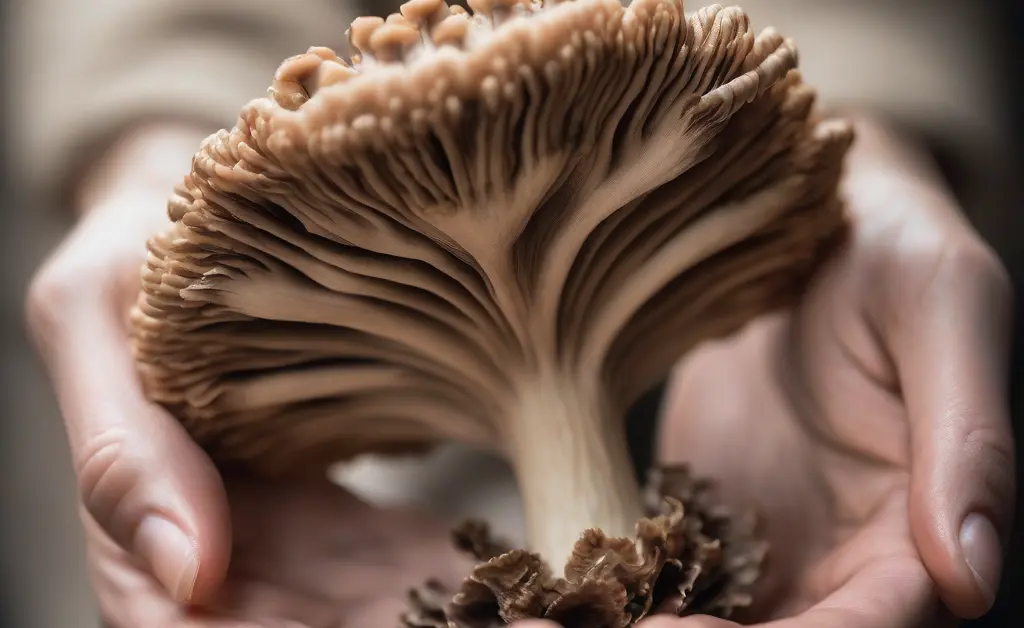
The nutritional composition of maitake mushrooms is not static; it can be influenced by various factors. Understanding these elements can help consumers and cultivators appreciate the variability in nutrient levels, including the maitake mushroom protein content. These factors range from environmental conditions to specific agricultural practices, all contributing to the final nutritional profile of the harvested mushroom. This variability highlights the complexity of natural food systems.
Impact of Cultivation and Harvesting on Protein
The way maitake mushrooms are cultivated and harvested plays a significant role in their overall nutritional value, including their protein content. Factors such as the substrate used for growth (e.g., wood chips, sawdust), environmental conditions like temperature and humidity, and the maturity of the mushroom at the time of harvest can all affect the concentration of proteins and amino acids. For instance, growing conditions that promote robust mycelial growth may lead to higher nutrient density. Certain cultivation techniques can also enhance specific nutrients, such as the maitake mushroom vitamin D content when exposed to UV light. Post-harvest processing, such as drying maitake, can also concentrate nutrients, making dried maitake powder a potent source. Careful cultivation practices are therefore essential for maximizing the protein and other beneficial compounds in this sought-after medicinal mushroom.
The maitake mushroom stands out as a versatile and nutrient-dense fungi, offering a valuable contribution to a balanced diet, particularly for those seeking plant-based protein options. Its beneficial amino acid profile, combined with other key nutrients, underscores its dietary significance. As an adaptogen with historical use and numerous potential benefits, incorporating maitake into various culinary applications can enhance both flavor and nutritional intake. The presence of maitake mushroom protein, alongside other essential vitamins and minerals, firmly establishes its role as a functional food worthy of inclusion in diverse eating patterns.
This article is written for general understanding and not for medical decision-making. The information presented is intended for educational purposes only and should not be used as a substitute for professional medical advice, diagnosis, or treatment. Always consult with a qualified healthcare provider before making any decisions related to your health or diet. Individual results may vary, and nutritional needs are unique to each person.
FAQ
— Are maitake mushrooms a good source of protein?
Maitake mushrooms contain a notable amount of protein compared to many other vegetables, making them a valuable addition to various diets. They provide all nine essential amino acids, which are the building blocks of protein that the body cannot produce on its own. This complete amino acid profile makes them a quality protein source.
— How much protein is in 100g of maitake mushrooms?
The exact protein content in maitake mushrooms can fluctuate based on factors like their growing conditions and stage of maturity at harvest. Generally, fresh mushrooms contain less concentrated protein by weight than their dried counterparts due to their high water content. The specific nutritional values can vary from one batch to another.
— How does maitake protein compare to common plant-based proteins like soy or lentils?
While legumes like soy and lentils are recognized for their high protein density, the maitake mushroom protein offers a unique nutritional profile that includes beneficial polysaccharides and fiber. Maitake contains all essential amino acids, similar to soy, but its overall protein concentration by weight is generally lower than that of dense legumes. Therefore, it serves a different but complementary role in a balanced, plant-focused diet.
— Does drying maitake mushrooms concentrate their protein content?
Drying maitake mushrooms removes their water content, which constitutes the majority of their fresh weight. This dehydration process effectively concentrates all the remaining nutrients, including proteins, fibers, and minerals. As a result, dried maitake has a significantly higher protein percentage by weight compared to fresh maitake.
— What cooking methods are best for preserving the nutritional value of maitake mushrooms?
To help retain the nutritional compounds in maitake mushrooms, cooking methods that use moderate heat and minimal water are often considered. Techniques like sautéing, roasting, or grilling can be effective because they avoid leaching water-soluble nutrients, unlike boiling for extended periods. Shorter cooking times generally help preserve the integrity of heat-sensitive compounds.