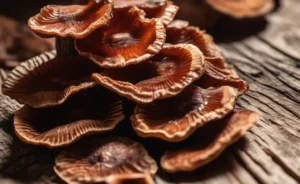

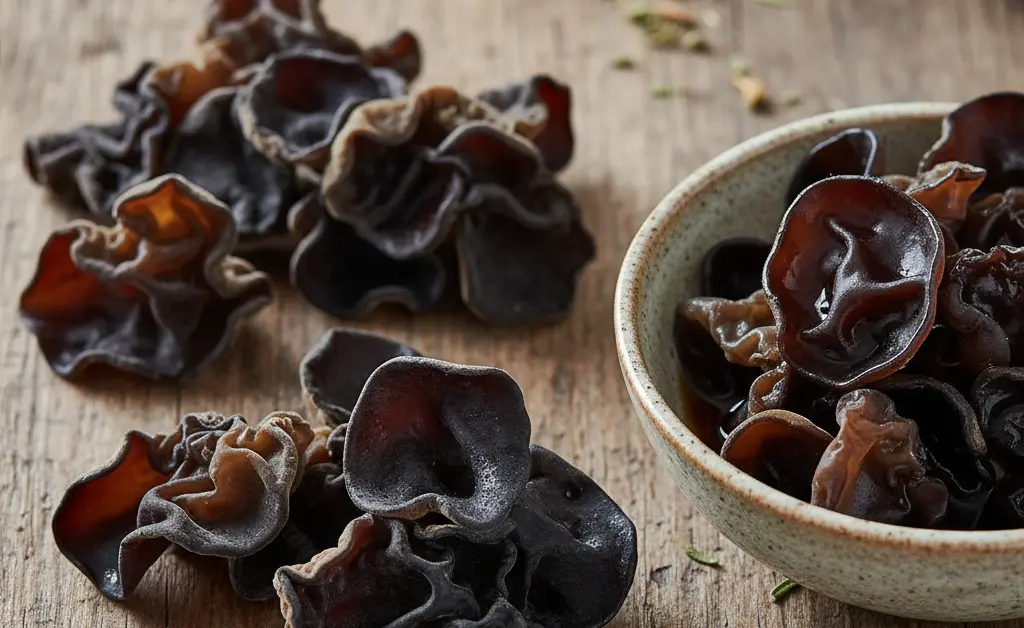
Think of the wood ear mushroom much like a dried mushroom you might find in a grocery store, but with a more distinct texture and a unique culinary role. These fungi, scientifically known as Auricularia auricula-judae, are celebrated not just for their subtle taste but also for the satisfying, slightly chewy mouthfeel they bring to dishes. Often appearing wrinkled and dark when dried, they transform into gelatinous, ear-shaped morsels when rehydrated. Their versatility bridges the gap between simple pantry staples and exotic ingredients, making them a fascinating subject for both home cooks and health enthusiasts alike. This guide delves into everything you need to know about this intriguing ingredient.
What are Wood Ear Mushrooms?
Wood ear mushrooms are a type of edible fungus that grows on wood, particularly on elder trees and other hardwoods in temperate and tropical climates worldwide. They belong to the genus Auricularia and are distinguished by their unique shape and texture. While they have been a staple in Asian cuisine for centuries, they are gaining recognition globally for their culinary versatility and interesting properties. Like the wood ear, the oyster mushroom is also a widely consumed edible fungus.
Wood Ear Mushroom Appearance and Texture
The most defining characteristic of the wood ear mushroom is its appearance, which strikingly resembles a human ear. When fresh, they are brownish, gelatinous, and rubbery. In their more common dried form, they are hard, brittle, and almost black, shrinking to a fraction of their original size. Upon rehydration, they plump up into their familiar ear-like shape, boasting a smooth, slippery surface on one side and a slightly fuzzy texture on the other. The texture is their main culinary draw—a unique combination of tender, gelatinous, and slightly crunchy or chewy, which holds up well during cooking.
Exploring Different Wood Ear Mushroom Varieties
While Auricularia auricula-judae is the species most commonly known as the wood ear, the term often encompasses several closely related species within the Auricularia genus. Another very common variety is Auricularia polytricha, sometimes referred to as cloud ear or black fungus. Cloud ears are often larger and slightly tougher than wood ears, but they are frequently used interchangeably in recipes. Botanically, there are subtle differences in their growth habits, spore prints, and microscopic features, but for culinary purposes, their textural contribution to a dish is quite similar. The delicious chanterelle mushroom is another popular edible fungus.
Understanding Wood Ear Mushroom Properties
Beyond their appearance, wood ear mushrooms possess several key properties related to their edibility, flavor, and how they are handled in the kitchen. Understanding these aspects is crucial for anyone looking to incorporate them into their cooking.
Wood Ear Mushroom Edibility and Safety
Wood ear mushrooms are considered edible and safe for consumption, but they should always be cooked before eating. Consuming them raw is not recommended, as cooking helps to break down their cell walls, making them easier to digest and eliminating any potential surface contaminants. When foraging for any type of wild mushroom, proper identification is paramount to avoid toxic look-alikes. However, the wood ear mushrooms sold commercially in dried or fresh form are cultivated or responsibly sourced and are safe to prepare and eat. Careful identification is also crucial when foraging for a morel mushroom. Many enthusiasts also enjoy wood ear mushroom foraging as a hobby.
Wood Ear Mushroom Flavor Characteristics
The flavor profile of wood ear mushrooms is exceptionally mild and subtle. They have a faint earthy and woody taste that does not overpower other ingredients. Their primary role in a dish is not to provide flavor but to contribute a distinct texture. Because of their neutral taste, they are excellent at absorbing the flavors of the broths, sauces, and seasonings they are cooked with, making them a versatile component in a wide range of recipes.
Wood Ear Mushroom Fresh vs Dried
Wood ear mushrooms are available in both fresh and dried forms, with the dried version being far more common and accessible. Fresh wood ears are plump and ready to cook, but they have a very short shelf life and must be used quickly. Dried wood ears, on the other hand, are shelf-stable for an extended period. They require rehydration before use, a process that restores their gelatinous texture and size. The textural difference between a rehydrated dried mushroom and a fresh one is minimal, making the dried form a convenient and reliable pantry staple.
Hydrating Dried Wood Ear Mushrooms
To use dried wood ear mushrooms, they must first be rehydrated. This is typically done by soaking them in a bowl of warm water. The mushrooms will absorb the water and expand significantly, often to several times their dried size, becoming soft and pliable. After they are fully softened, they should be rinsed thoroughly to remove any grit or debris. The soaking liquid is usually discarded as it can be gritty and does not have a desirable flavor.
Tips for Storing Wood Ear Mushrooms
Proper storage ensures the longevity and quality of wood ear mushrooms. Dried wood ears should be kept in an airtight container in a cool, dark, and dry place, such as a pantry or cupboard. Stored this way, they can last for many months or even longer. Fresh wood ears are much more perishable and should be stored in the refrigerator, preferably in a paper bag to allow for some air circulation, and used within a few days. Once rehydrated, dried mushrooms should also be stored in the refrigerator in a covered container and used promptly. Many people also wonder, can you freeze wood ear mushroom for longer preservation?
Culinary Uses of Wood Ear Mushrooms
The true value of the wood ear mushroom shines in the kitchen. Its unique texture and ability to absorb flavors make it a prized ingredient in many culinary traditions, adding a satisfying mouthfeel and visual interest to a variety of dishes.
Wood Ear Mushroom in Asian Cuisine
Wood ear mushrooms are deeply embedded in the culinary fabric of Asia, especially in Chinese, Japanese, Korean, and Vietnamese cuisine. In Chinese cooking, they are a classic ingredient in hot and sour soup, mu shu pork, and numerous stir-fries, where their slippery, crunchy texture provides a welcome contrast. In Japan, they are known as kikurage and are often found sliced thinly as a topping for ramen. Their versatility allows them to be incorporated into salads, dumplings, and braised dishes across the continent.
Common Preparations for Wood Ear Mushrooms
Beyond specific traditional dishes, wood ear mushrooms are used in several common preparations. They are frequently sliced into thin strips and added to soups and broths, where they contribute body and texture. They are also a popular addition to cold appetizers and salads, often dressed with vinegar, soy sauce, and sesame oil. In stir-fries, they are paired with a mix of vegetables and proteins, adding a pleasant chewiness. Their ability to hold their form without becoming mushy makes them suitable for long-simmering recipes as well.
Preparation and Cooking Methods
Before cooking, rehydrated wood ear mushrooms need a little preparation. It is important to inspect them and trim off the small, tough, and woody nub where the mushroom was attached to the tree, as this part remains hard even after cooking. Depending on the recipe, they can be left whole or sliced into strips. Common cooking methods include stir-frying, boiling in soups, steaming, and braising. They cook relatively quickly and are often added towards the end of the cooking process in stir-fries to retain their distinct texture.
Nutritional Value and Health Benefits
In addition to their culinary appeal, wood ear mushrooms are recognized for their nutritional content and have been used in traditional medicine for centuries. They are low in calories and fat and are a source of dietary fiber. They also contain various micronutrients. In many traditional wellness systems, the wood ear mushroom has been associated with supporting circulation and overall vitality. Modern research has explored its potential antioxidant properties, which are linked to compounds within the fungus. These mushrooms are also studied for their potential role in supporting a healthy immune system. Many people consider natural supplements to support their wellness goals.
For further scientific insights, a visit to the Cochrane Library provides extensive systematic reviews.
Wood Ear Mushroom Recipe

A simple and delicious way to enjoy the unique texture of the wood ear mushroom is in a classic cold salad. After rehydrating and cleaning the mushrooms, they can be briefly blanched in boiling water and then plunged into an ice bath to ensure a crisp texture. For the salad, slice the mushrooms into thin strips. Combine them in a bowl with other thinly sliced vegetables like cucumber, carrots, and red onion. The dressing brings it all together: a mixture of rice vinegar, a touch of soy sauce, a dash of sesame oil, and perhaps some minced garlic and a little sugar to balance the flavors. Toss everything together and let it marinate for a short while before serving as a refreshing appetizer or side dish.
Where to Buy Wood Ear Mushrooms
Finding wood ear mushrooms is relatively straightforward, especially if you know where to look. They are a common item in many stores, particularly in their dried, shelf-stable form.
Wood Ear Mushroom Purchasing Options
The most common way to purchase wood ear mushrooms is dried, packaged in plastic bags. These can be found in a range of sizes, from small packages for occasional use to large bags for restaurant supply. Occasionally, you might find fresh wood ear mushrooms in the produce section of specialty grocers, but this is less common. When buying dried, look for packages that contain whole, unbroken pieces, and ensure the package is well-sealed and free of moisture. The wood ear mushroom price can vary depending on whether you purchase fresh or dried varieties.
Wood Ear Mushroom Sourcing and Availability
Asian grocery stores are the most reliable source for finding a good quality wood ear mushroom. They will almost always have several brands and sizes of the dried variety. Many larger, conventional supermarkets are also expanding their international food aisles and now stock them. For those without access to local stores, online retailers are an excellent option, offering a wide selection of dried wood ear mushrooms that can be shipped directly to your home.
In summary, the wood ear mushroom is a remarkable fungus valued not for a dominant flavor but for its extraordinary texture. Its gelatinous and slightly crunchy consistency adds a unique dimension to soups, stir-fries, and salads, particularly within Asian cuisine. Available primarily in a dried, shelf-stable form, it is an accessible and versatile ingredient for any home cook looking to explore new textures and expand their culinary repertoire.
The content provided in this article is intended for informational learning, not clinical application. This information should not be used as a substitute for professional medical advice, diagnosis, or treatment. Always seek the guidance of a qualified health provider with any questions you may have regarding a medical condition. Never disregard professional medical advice or delay in seeking it because of something you have read in this article.
FAQ
Is wood ear mushroom edible?
Yes, wood ear mushrooms are edible and have been consumed for centuries, particularly in Asian cuisines. They are known for their mild flavor and unique textural qualities that can enhance a variety of dishes.
How do you cook wood ear mushrooms?
Wood ear mushrooms are typically rehydrated if dried, then added to stir-fries, soups, or braised dishes. Their texture holds up well to cooking, allowing them to absorb the flavors of broths and sauces.
What is the texture of a wood ear mushroom?
The texture of a wood ear mushroom is distinctively crisp when raw and becomes tender yet pleasantly chewy or gelatinous when cooked. This unique mouthfeel is a key characteristic that makes them desirable in culinary applications.
Can you eat wood ear mushrooms raw?
While technically edible raw, it is generally recommended to cook wood ear mushrooms before consumption. Cooking helps to improve their texture and digestibility, making them more palatable.
Where can I find fresh wood ear mushrooms?
Fresh wood ear mushrooms can be found in specialty Asian markets or at farmers’ markets during their growing season. They are also available dried in many grocery stores and online retailers, which is a common way to purchase them.