
Wood ear mushrooms are a common ingredient found in many Asian cuisines. Their unique appearance and texture make them a fascinating addition to various dishes. These fungi, often dried, rehydrate to reveal a distinctive, gelatinous quality that absorbs flavors readily. Understanding what is wood ear mushroom can help home cooks and culinary enthusiasts explore its versatility and culinary potential, moving beyond its often-unseen presence in familiar recipes to appreciating its distinct role in the kitchen. Their adaptability in both savory and sweet applications, coupled with their interesting biological characteristics, makes them a noteworthy subject for anyone interested in edible fungi.
What are Wood Ear Mushrooms?
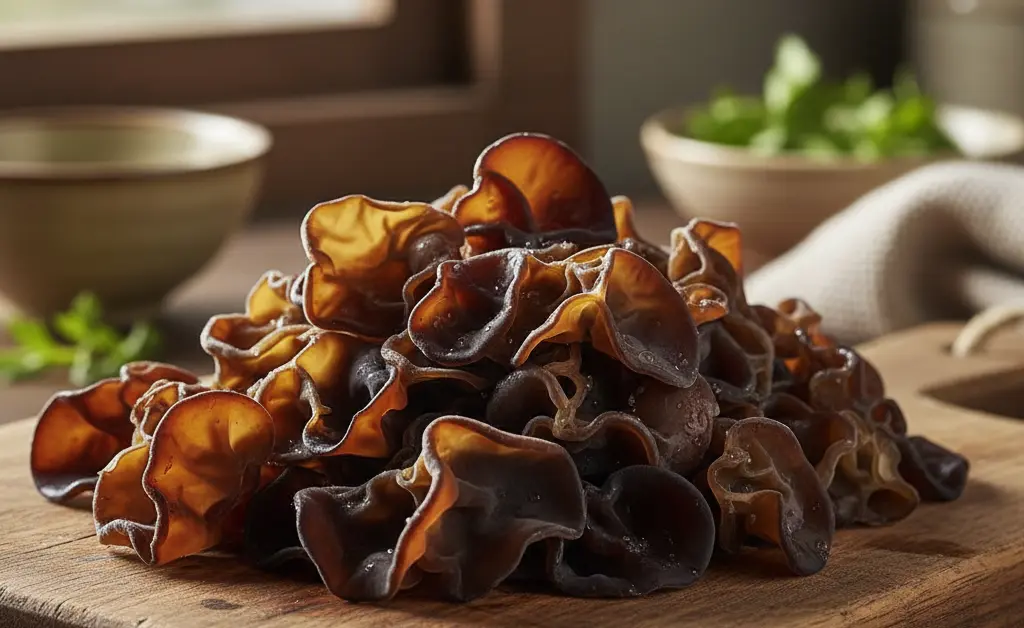
Wood ear mushrooms are a type of edible fungus prized more for their unique texture than their flavor. They belong to a group of fungi known as jelly fungi, which are characterized by their gelatinous and rubbery consistency. When fresh, they are soft and pliable, but they are most commonly sold in a dried, shriveled state. Upon rehydration, they expand dramatically, transforming into a tender yet delightfully crisp ingredient. Their ability to soak up sauces and broths makes them a versatile component in stir-fries, soups, and salads, where they contribute a satisfying mouthfeel.
Appearance and Texture
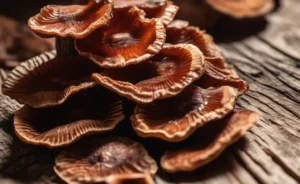
The most striking feature of the wood ear mushroom is its shape, which uncannily resembles a human ear. They are typically reddish-brown to dark brown or black, with a slightly velvety, finely-haired outer surface and a smoother, often wavy inner surface. The flesh is thin, translucent, and rubbery. When rehydrated and cooked, the texture becomes a unique combination of gelatinous and crunchy, offering a slight bite that holds up well during cooking without becoming mushy.
Flavor Profile
Unlike many other mushrooms, wood ears have a very mild, almost neutral flavor. Their taste is subtly earthy and woody, but it is not pronounced. The primary culinary appeal of these mushrooms is not their taste but their remarkable ability to act as a textural element and a flavor sponge. They readily absorb the tastes of the ingredients they are cooked with, making them an excellent carrier for bold sauces, aromatic spices, and savory broths.
Scientific Name and Taxonomy
Scientifically, the most well-known wood ear mushroom is classified as Auricularia auricula-judae. The genus name, Auricularia, is derived from the Latin word for ear. This mushroom is part of the Auriculariaceae family. Several closely related species within the Auricularia genus are also harvested and consumed under the same common name, including Auricularia polytricha, which is often labeled as cloud ear or black fungus.
Habitat and Growing Conditions
In the wild, wood ear mushrooms are saprobic, meaning they grow on dead and decaying wood. They have a strong preference for hardwood trees, with elder being a classic host, which is why they are sometimes called “jelly ear” fungus. These fungi thrive in damp, temperate forests across the globe, fruiting after rainfall. They can be found in North America, Europe, and Asia. Due to their popularity, they are also widely cultivated, ensuring a consistent supply for culinary use worldwide.
Vitamins and Minerals
Wood ear mushrooms contribute various nutrients to the diet. They are noted for containing B-vitamins and are a source of several essential minerals, such as iron, copper, and potassium. Their nutritional composition makes them a worthwhile addition to a balanced meal plan. Fully exploring the nutritional details is a key part of answering the question of what is wood ear mushroom, as it provides a more complete picture of this unique food beyond its texture and culinary applications.
Potential Health Benefits
Beyond its use in the kitchen, the wood ear mushroom has a long history in traditional wellness practices, particularly in Asian cultures. Modern scientific inquiry has begun to explore the properties attributed to this fungus. Studies have investigated its potential antioxidant compounds, which may help the body manage oxidative stress. Additionally, certain polysaccharides found in the mushroom have been researched for their potential role in supporting immune function and for possible anti-inflammatory effects. These traditional uses and emerging studies add another layer of interest to this edible fungus. Further details on health research can be found on the NIH website.
Identifying Wood Ear Mushrooms
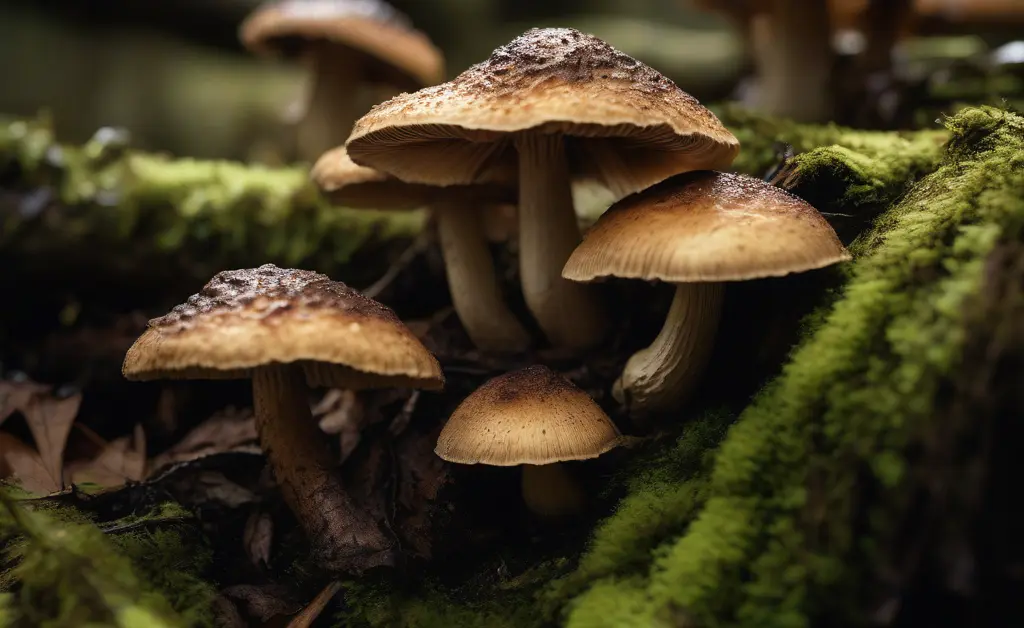
Properly identifying any wild fungus before consumption is critical for safety. A crucial part of understanding what is wood ear mushroom is being able to distinguish it from other fungi in the wild, ensuring you are harvesting the correct, edible variety. These mushrooms have very distinct characteristics, but foragers should always exercise extreme caution and be absolutely certain of their identification before eating any wild mushroom.
Distinguishing from Similar Fungi
The key identifiers for wood ear mushrooms are their ear-like shape, their rubbery and gelatinous texture, and their growth habit on dead or dying hardwood. They grow directly from the wood, often in clusters, and lack a distinct stem. While there are other jelly fungi, some inedible, few have the same distinct shape and dark, brownish color. One should be wary of any look-alikes that are brightly colored, have a different texture, or grow on the ground or on coniferous trees. When in doubt, it is always safest to leave a mushroom unpicked.
Safety and Consumption Guidelines
Wood ear mushrooms should never be eaten raw. Cooking is essential to eliminate any potential surface bacteria and to make them easier to digest. The most common way to prepare them is from their dried form. To rehydrate dried wood ear mushrooms, they should be soaked in warm water until they become fully plump and soft, a process that can cause them to expand several times their dried size. After rehydration, they should be rinsed thoroughly, trimmed of any tough parts at the base, and then added to dishes to be cooked.
The wood ear mushroom is a fascinating fungus valued globally for its unique textural properties and culinary adaptability. Its ability to absorb flavors makes it a staple in many Asian dishes, from hearty soups to crisp stir-fries. While its own flavor is mild, its contribution to a meal’s mouthfeel is significant. Understanding its characteristics, proper preparation methods, and the importance of safe identification allows home cooks and food lovers to fully appreciate its role in the culinary world.
Readers should understand that this article does not offer medical diagnosis or treatment. The information provided is for educational and informational purposes only and should not be considered a substitute for professional medical advice, diagnosis, or treatment. Always seek the advice of a qualified health provider with any questions you may have regarding a medical condition. Never disregard professional medical advice or delay in seeking it because of something you have read in this article. If you plan to forage for wild mushrooms, consult an expert mycologist to ensure proper identification, as consuming misidentified fungi can be dangerous.
FAQ
Are wood ear mushrooms edible?
Wood ear mushrooms are indeed edible and are a common ingredient in many Asian cuisines. Their texture is often described as slightly chewy or gelatinous when cooked, making them a unique addition to stir-fries and soups.
What is another name for wood ear mushroom?
The wood ear mushroom is also known by several other common names, including cloud ear fungus and black fungus. This particular fungus has been studied for its potential health benefits and is recognized in traditional medicine systems.