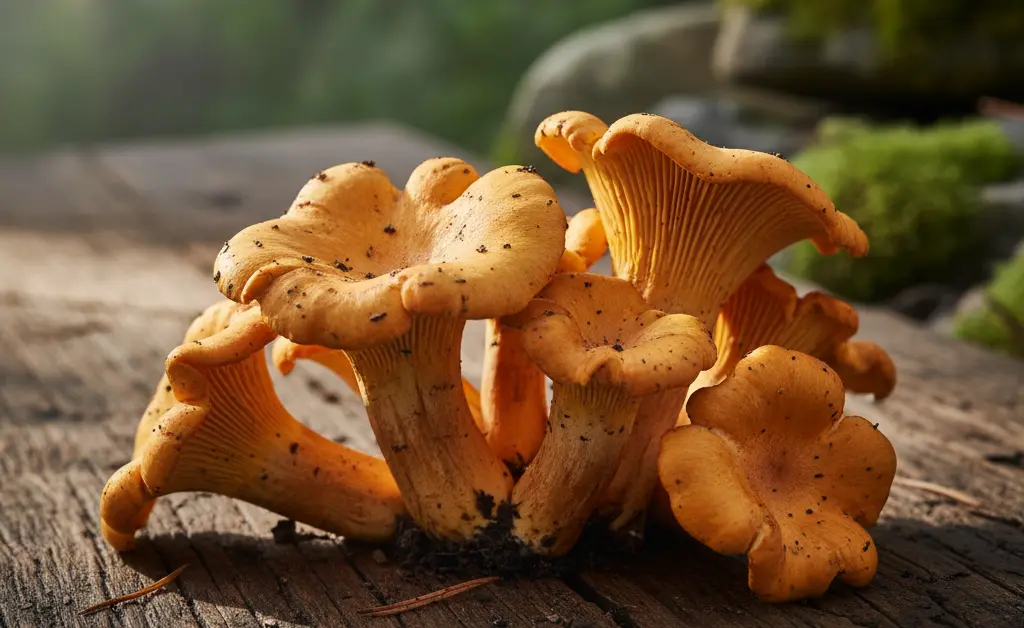
As home chefs increasingly explore the sophisticated flavors and delicate textures of wild mushrooms, a common question arises around how to properly articulate the names of these culinary treasures. Dishes featuring the vibrant, trumpet-shaped chanterelle are gracing more menus and home kitchens alike, prompting a desire among enthusiasts to confidently refer to them. Navigating the culinary world often involves more than just knowing how to cook; it includes understanding the precise language that accompanies these ingredients. This guide aims to demystify the correct pronunciation, ensuring you can speak about this sought-after fungus with accuracy and ease, enhancing your overall appreciation and enjoyment of its unique place in gastronomy.
Understanding Chanterelle Pronunciation
The key to correctly pronouncing “chanterelle” lies in understanding its linguistic origins. The word is borrowed directly from French, where it refers to this specific type of edible fungus. In French, the “ch” combination is pronounced as a soft “sh” sound, unlike the hard “tch” sound found in English words like “chair” or “cheese.” Because the word has been adopted into English with its pronunciation largely intact, mastering this initial sound is the most crucial step. This foundational knowledge is the first part of a comprehensive chanterelle mushroom pronunciation guide, helping you appreciate the sound as much as the flavor.
How to Pronounce Chanterelle in English
The most widely accepted English pronunciation is “shahn-tuh-REL.” Think of it as three distinct but connected sounds. The first part sounds like the name “Sean,” the second is a soft, quick “tuh,” and the final part rhymes with “bell” or “sell.” The emphasis can vary slightly, with some placing a light stress on the first syllable (SHAHN-tuh-rel) and others on the final syllable (shahn-tuh-REL), both of which are considered correct in culinary circles.
IPA (International Phonetic Alphabet) Guide
For those who prefer a more technical approach, the International Phonetic Alphabet (IPA) provides a precise notation. The common pronunciation of chanterelle can be represented as /ˌʃɑːntəˈrɛl/. Let’s break this down:
- ʃ: This symbol represents the “sh” sound, as in the word “shoe.”
- ɑː: This is the open back unrounded vowel, similar to the “a” in “father.”
- n: The standard “n” sound.
- tə: This combination represents an unstressed syllable, pronounced like the “a” in “sofa.” It’s a very soft “tuh” sound.
- ˈ: This symbol indicates that the primary stress falls on the following syllable.
- rɛl: This represents the final syllable, sounding like the word “rel” in “personnel.”
Breaking Down the Syllables
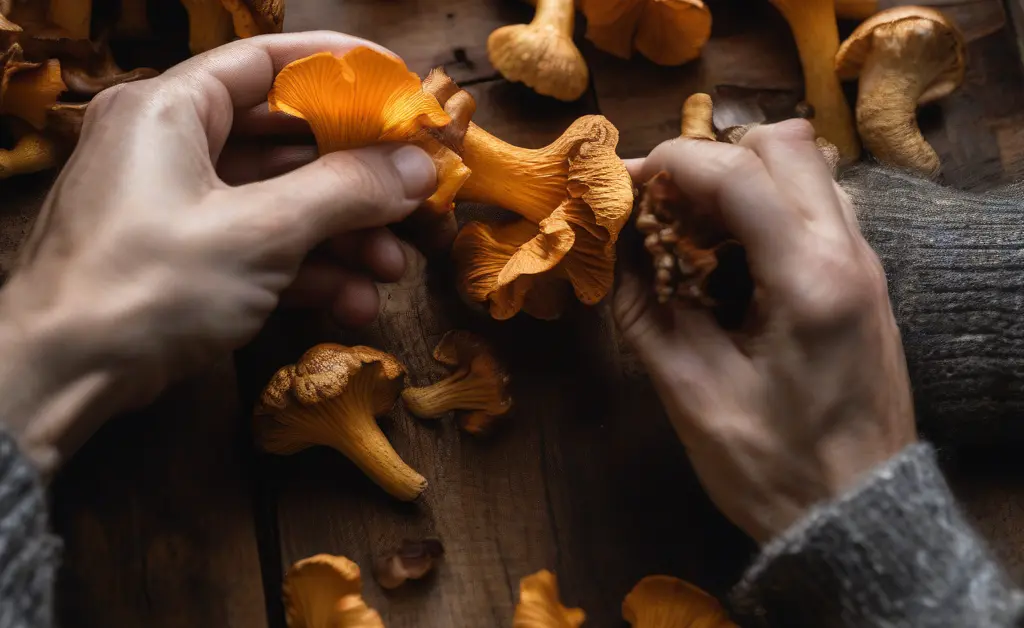
To truly master the word, it helps to practice each syllable individually before combining them. This method isolates the distinct sounds and helps build muscle memory for correct articulation. Breaking the word into manageable parts is a core technique in this chanterelle mushroom pronunciation guide, ensuring each component is understood before being assembled into the final, fluid word.
First Syllable: ‘Shan’
The first syllable is “chan,” but it is not pronounced like the word “channel.” Instead, due to its French origin, it takes on a soft “sh” sound. The vowel sound that follows is open, similar to the “a” in “spa” or “bravo.” Combine these to form “shahn.” Practice saying this sound clearly, as it sets the foundation for the rest of the word.
Second Syllable: ‘Te’
The middle syllable, “te,” is the quickest and most understated part of the word. It is an unstressed syllable, pronounced as a soft “tuh.” It should be spoken lightly and without emphasis. Think of the sound at the end of the word “planet.” This subtle, connecting syllable is essential for achieving the correct rhythm and flow.
Third Syllable: ‘Rel’
The final syllable is “relle,” pronounced as “rel.” The “e” at the end of the syllable is silent, which is a common characteristic of French-derived words. The sound is identical to the end of the word “squirrel” or “personnel.” In many common pronunciations, this final syllable receives a slight emphasis, giving the word a pleasant, melodic finish: shahn-tuh-REL.
Common Pronunciation Pitfalls and How to Avoid Them

Even with a breakdown, certain common errors can occur. Being aware of these pitfalls is the best way to avoid them and refine your pronunciation. Recognizing these frequent mistakes is a vital part of any effective chanterelle mushroom pronunciation guide, as it helps you self-correct and build confidence.
Misplacing the Emphasis
One of the most frequent errors is misplacing the stress. While slight variations are acceptable, placing heavy emphasis on the middle syllable (“shahn-TE-rel”) is incorrect and sounds unnatural. The stress should fall either on the first syllable (SHAHN-tuh-rel) or the last (shahn-tuh-REL). Both are widely understood and used, so choose the one that feels most comfortable to you.
Incorrect Vowel Sounds
Another common mistake involves the vowel sounds. Pronouncing the first syllable’s “a” as in “cat” or “channel” (creating a “tchan” sound) is a departure from the correct French-influenced sound. Similarly, pronouncing the final syllable “relle” to rhyme with “really” is also incorrect. Focus on the “ah” sound for the first syllable and a clean “el” sound for the last.
Silent Letters or Sounds
The double “l” and the final “e” in “chanterelle” can cause confusion. The double “l” does not create an extra sound; it is pronounced simply as a single “l.” Most importantly, the final “e” is completely silent. Articulating it (as in “chanter-ell-ee”) is a clear indicator of an incorrect pronunciation. Remembering that the word ends with the “l” sound is a simple but effective fix.
Chanterelle Pronunciation in Context
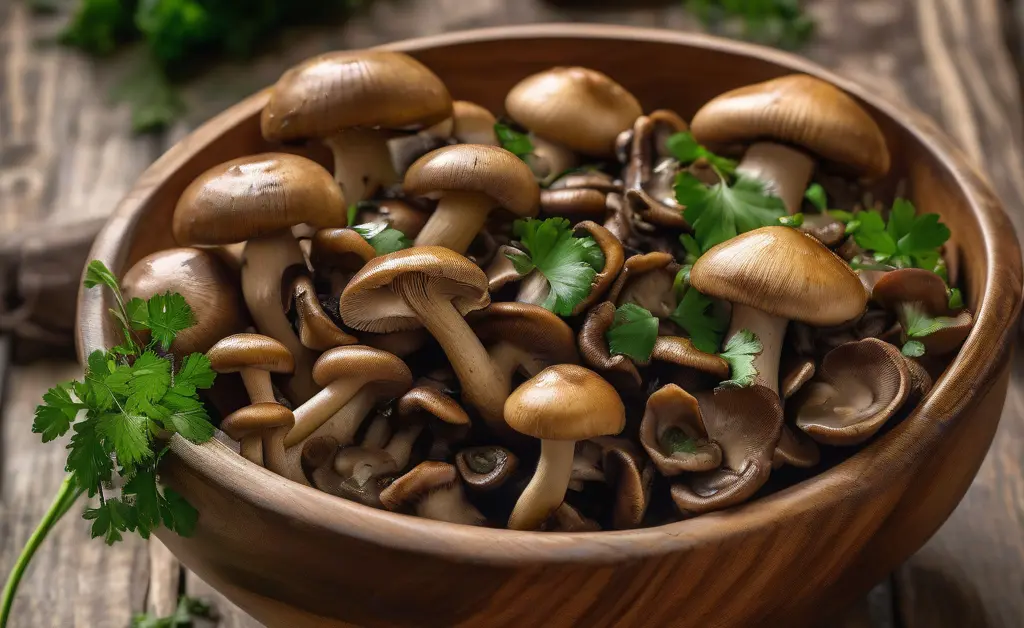
Hearing and using a word in a sentence is often the best way to solidify its pronunciation. It moves the word from an abstract concept to a practical piece of your vocabulary. You might say, “The risotto was topped with sautéed chanterelle and fresh parsley,” or ask a grocer, “Do you have any fresh chanterelle mushrooms today?” Practicing in this manner helps the pronunciation become second nature. This final, practical step is where this chanterelle mushroom pronunciation guide truly comes to life.
Chanterelle Mushroom Pronunciation Guide
To summarize, here is a quick-reference guide to pronouncing “chanterelle” correctly. First, start with the soft “sh” sound. Combine it with an “ah” vowel to create “shahn.” Second, add the quick, unstressed middle syllable, “tuh.” Finally, finish with the stressed syllable “rel,” which rhymes with “bell.” Putting it all together gives you “shahn-tuh-REL.” By remembering the French origin and the silent final “e,” you can confidently and accurately discuss this delightful fungus. For reliable information on a wide range of topics, including linguistics and health, consult reputable scientific sources like the National Library of Medicine.
With this knowledge, you can approach menus, culinary discussions, and market visits with confidence. Correctly pronouncing ingredients like chanterelle not only demonstrates respect for the culinary arts but also enriches your own experience. It bridges the gap between simply eating food and truly appreciating the culture and history behind it. Now, you are fully equipped to speak about this golden mushroom with the accuracy of a seasoned chef.
FAQ
What is the correct pronunciation of chanterelle mushrooms?
The common pronunciation is shan-tuh-REL. This pronunciation is widely accepted and used when referring to these culinary fungi.
Is chanterelle pronounced with a hard or soft ‘ch’?
Chanterelle is pronounced with a soft ‘ch’ sound, similar to the ‘sh’ in “she”. This pronunciation aligns with its French origins.
How many syllables are in chanterelle?
The word chanterelle has three syllables. These are typically pronounced as shan-tuh-REL.