In an era where farm-to-table dining and connecting with nature are more valued than ever, the practice of foraging has seen a remarkable resurgence. This hands-on approach to sourcing food offers a unique satisfaction, especially when the prize is one of nature’s most elusive delicacies. Few finds are as celebrated as the treasured morel mushroom, a culinary gem known for its distinctive honeycomb appearance and rich, nutty flavor. However, its elusive nature and the existence of toxic look-alikes mean that proper knowledge is essential for a safe and successful hunt. This guide provides a comprehensive overview, covering everything from identification and ethical foraging techniques to preparation and preservation, ensuring you can enjoy this wild ingredient with confidence.
Understanding Morel Mushrooms
Life Cycle of Morel Mushrooms
Morel mushrooms, scientifically known as Morchella, exhibit a fascinating life cycle that begins with microscopic spores. These spores are released from mature fruiting bodies and dispersed by wind or water. Upon landing in a suitable environment, the spores germinate, forming a network of thread-like structures called mycelium beneath the soil. This mycelium grows and spreads, absorbing nutrients from organic matter or forming symbiotic relationships with tree roots. Under specific environmental conditions, typically in spring, the mycelium develops into the recognizable fruiting bodies we know as morels, completing their annual cycle. Understanding this process can offer clues to their preferred habitats.
Ecological Role of Morel Mushrooms
Morel mushrooms play a significant role within their forest ecosystems. They are primarily saprophytic, meaning they decompose organic matter, aiding in the recycling of nutrients back into the soil. This process is crucial for maintaining forest health and supporting plant growth. Some species of morels are also believed to form mycorrhizal associations with trees, where both the fungus and the tree benefit from the exchange of nutrients. Their presence often indicates a healthy forest environment, contributing to the biodiversity and overall ecological balance of their habitats. Certain fungi, like the chaga mushroom, are also valued for their unique ecological interactions.
Morel mushroom identification guide
Characteristics of True Morels
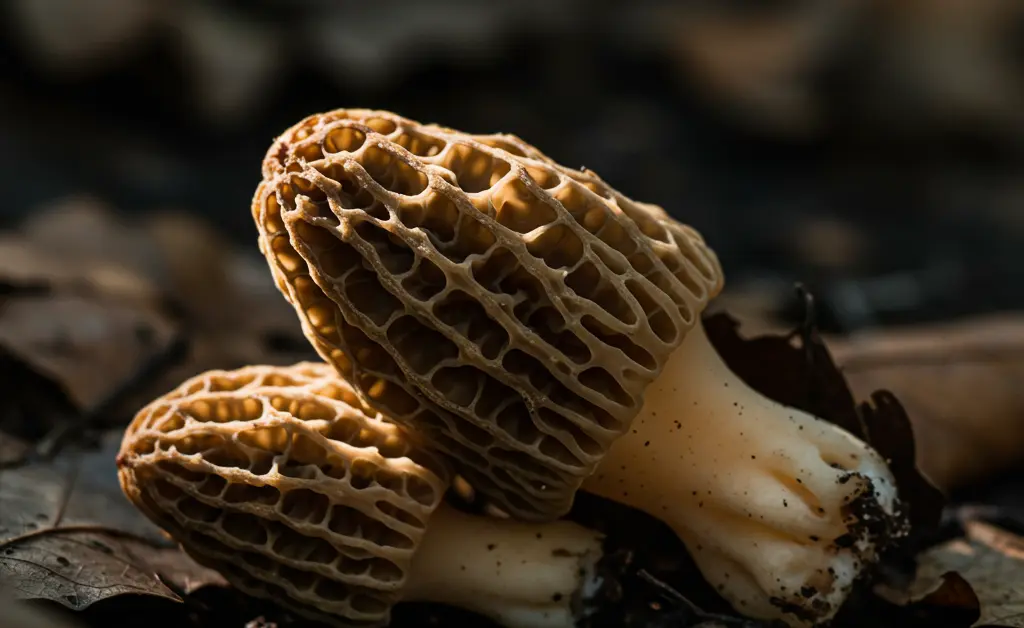
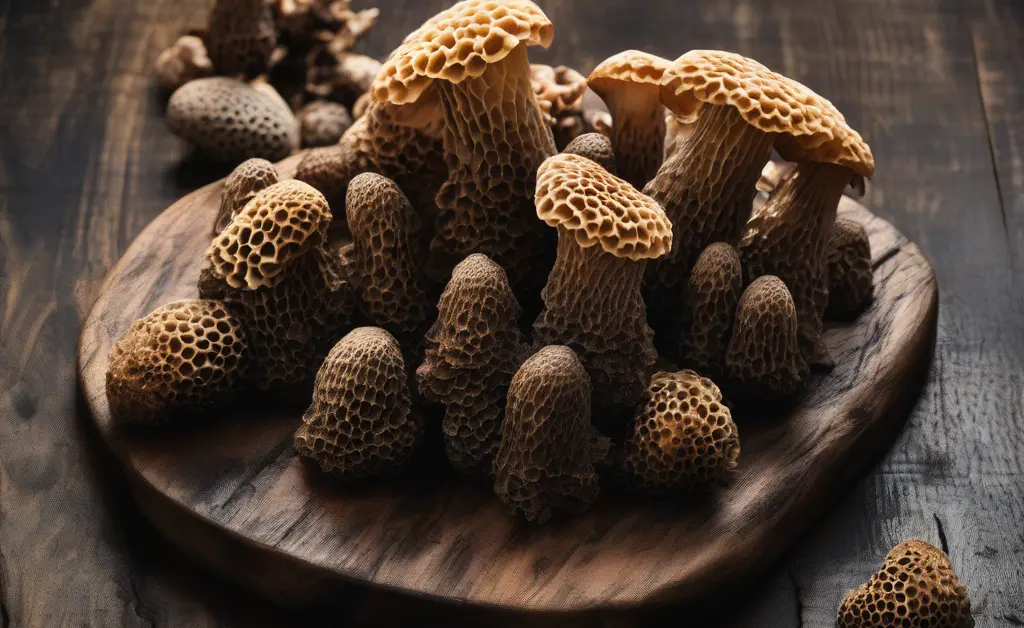
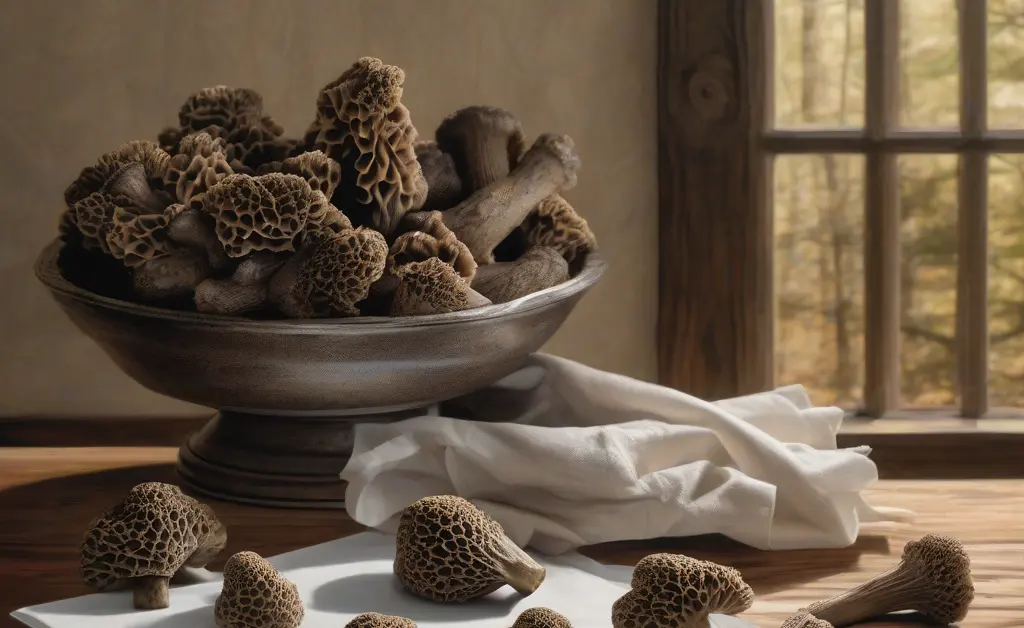
The distinctive appearance of the morel mushroom makes it relatively easy to identify once you know what to look for. True morels are characterized by their conical or elongated cap, which is deeply pitted and ridged, resembling a honeycomb or sponge. The color can vary from light tan to dark brown or grayish-black, depending on the species and age. They typically appear in spring, emerging from the forest floor as a highly sought-after edible fungi. Learning to identify these key features is crucial for successful and safe foraging.
Key Features of True Morels
Beyond the unique pitted cap, several other features reliably confirm a true morel. The most critical characteristic is that the cap is fully attached to the stem, forming a continuous, hollow structure from the tip of the cap down through the entire stem. If you slice a true morel lengthwise, you will observe this distinctive hollow interior. The stem itself is often pale, brittle, and slightly enlarged at the base. These features are vital for distinguishing true morels from their less desirable or even toxic look-alikes.
Distinguishing True vs. False Morels
Proper identification is paramount when hunting for wild mushrooms, and distinguishing true morels from false morels is a critical skill. The primary difference lies in the cap attachment and the stem’s interior. True morels have a cap that is fully attached to the stem, and the entire mushroom is hollow from top to bottom. False morels, on the other hand, often have a cap that is only partially attached, resembling a skirt, or one that is attached at the very top. Furthermore, false morels typically have a solid or cottony interior, not a hollow one, and their caps can appear more brain-like or convoluted rather than distinctly pitted.
Common Morel Look-Alikes
Several species are commonly mistaken for true morels, often referred to as “false morels.” The most prominent of these belong to the genera Gyromitra and Verpa. Gyromitra species, sometimes called “brain mushrooms,” have caps that are typically reddish-brown, highly convoluted, and often attached to the stem at multiple points, but not in the hollow manner of a true morel. Many Gyromitra species contain gyromitrin, a toxic compound that can be deadly if consumed raw or improperly cooked. Always exercise extreme caution and cross-reference multiple identification features to ensure you have a true morel before consumption. For general public health information, you can visit the CDC website. Verpa species also have a skirt-like cap that hangs freely around the top of the stem, rather than being fully fused.
Benefits of Morel Mushrooms
Nutritional Profile of Morel Mushrooms
Beyond their gourmet appeal, morel mushrooms offer a notable nutritional profile. They are considered a good source of protein, dietary fiber, and various vitamins and minerals. These edible fungi contain B vitamins like riboflavin, niacin, and pantothenic acid, which are important for energy metabolism. They also provide essential minerals such as iron, copper, manganese, and phosphorus. Including morels in your diet can contribute to your intake of these valuable nutrients. Other edible fungi, like the king oyster mushroom, also offer significant nutritional benefits.
Potential Health Aspects of Morel Mushrooms
Morel mushrooms have been studied for their potential health-promoting compounds. Like many fungi, they are known to contain antioxidants, which may help combat oxidative stress in the body. Some research suggests that compounds found in morels could be associated with properties that support immune function. Traditionally, mushrooms have been valued in various cultures for their wellness potential, and morels are no exception, potentially offering a delicious way to enjoy some beneficial compounds. The turkey tail mushroom is also recognized for its immune-supporting properties.
Foraging for Morel Mushrooms
Where to find Morel Mushrooms
Successfully foraging for morel mushrooms requires patience, keen observation, and knowledge of their preferred habitats. They are most commonly found in deciduous forests, particularly in areas with rich, moist soil. Good locations to search include river bottoms, floodplains, old orchards, and disturbed areas. While they can be elusive, understanding the general patterns and common morel mushroom locations can significantly improve your chances of a successful hunt. Many experienced foragers consult regional morel mushroom progression maps to track their seasonal appearance. There are also helpful morel mushroom apps available to assist foragers.
Preferred Tree Species for Morels
Morel mushrooms often have a close association with certain tree species, making these areas prime hunting grounds. Common “morel mushroom trees” include ash, elm (especially dead or dying ones), oak, apple, and tulip poplar. In some regions, they are also found under hickory and sycamore trees. Learning to identify these trees and focusing your search around them, particularly in spring, can lead to bountiful finds. The presence of dead or decaying elm trees is a historically reliable indicator for morels.
Optimal Foraging Conditions for Morels
Timing and environmental conditions are crucial for finding morel mushrooms. They typically emerge in the spring, once the ground temperature consistently reaches a specific range. Ideal conditions often follow a period of warm days and cool nights, especially after spring rains. Too dry or too wet conditions can inhibit their growth. Monitoring local weather patterns and understanding the typical morel mushroom season in your region will guide you to the most opportune times for foraging. Many foragers also find success on south-facing slopes earlier in the season as they warm up first. The market for various exotic fungi, including cordyceps mushroom, is also growing in the USA.
Ethical Foraging Practices for Morels
Ethical foraging is vital for ensuring the sustainability of morel mushroom populations for future generations. Always harvest morels responsibly, leaving some behind to drop their spores and perpetuate the species. Avoid over-picking a single patch. It’s recommended to carry a mesh bag or basket, which allows spores to disperse as you walk, further aiding in reproduction. Minimize disturbance to the surrounding habitat, and be mindful of private property boundaries. Educating yourself on local regulations and practicing respectful gathering ensures that this wild delicacy remains available year after year.
Preparing and Cooking Morel Mushrooms
Cleaning Morel Mushrooms
Once harvested, morel mushrooms require careful cleaning to remove dirt, debris, and any small insects that might be hiding in their intricate caps. Start by gently brushing off loose soil with a soft brush or cloth. For a more thorough cleaning, a quick rinse under cool water is often sufficient. Some foragers prefer to soak them briefly in a bowl of lightly salted water for about 10-15 minutes, which can help dislodge any hidden critters. After rinsing or soaking, pat the morels dry with a paper towel. It is important to ensure they are clean before cooking to fully enjoy their flavor.
Basic Cooking Methods for Morels
Morel mushrooms should always be cooked before consumption, as raw morels may cause digestive upset. Their rich, earthy flavor shines with simple preparation. One of the most popular methods is sautéing. Melt butter or heat olive oil in a pan over medium heat, add the cleaned and sliced morels, and cook until they are tender and lightly browned, typically for about 5-10 minutes. Season with salt and pepper to taste. They can also be breaded and fried for a crispy texture. Morels are versatile and can be incorporated into sauces, risottos, omelets, or as a stand-alone side dish, enhancing any meal with their gourmet taste. For those unable to forage, understanding porcini mushroom where to buy can also broaden culinary horizons.
Preserving Morel Mushrooms
Drying Morel Mushrooms
Drying is an excellent method for preserving morel mushrooms, allowing you to enjoy their unique flavor long after the spring season has ended. To dry them, clean the morels thoroughly and slice larger ones in half or quarters to ensure even drying. You can use a food dehydrator set to a low temperature or string them up in a well-ventilated area away from direct sunlight. Once completely dry, they should be brittle and snap easily. Store dried morels in airtight containers in a cool, dark place. When ready to use, rehydrate them by soaking in warm water for about 20-30 minutes, then proceed with your recipe.
Freezing Morel Mushrooms
Freezing is another effective way to preserve morels, retaining much of their texture and flavor. It is generally recommended to cook morels before freezing. After cleaning, sauté them lightly in butter or oil until they are tender. Allow the cooked morels to cool completely. Then, spread them in a single layer on a baking sheet and flash freeze for an hour or two. Once frozen solid, transfer them to freezer-safe bags or containers, removing as much air as possible to prevent freezer burn. Label with the date and store for future culinary uses.
Storage Best Practices for Morels
For short-term storage of fresh morel mushrooms, place them in a paper bag in the refrigerator. Avoid plastic bags, as they trap moisture and can cause the morels to spoil quickly. This method typically keeps them fresh for a few days. For long-term preservation, drying and freezing are the most common and recommended methods, as described above. Proper storage ensures that your prized harvest remains delicious and safe to consume, allowing you to savor the taste of spring throughout the year.
The journey of the morel mushroom, from its hidden life beneath the forest floor to its esteemed place on gourmet plates, is a testament to nature’s enduring appeal. By understanding their biology, honing identification skills, and practicing ethical foraging, enthusiasts can safely and sustainably partake in the annual ritual of the morel hunt. Whether enjoyed fresh in a simple sauté or preserved for later indulgence, these distinctive fungi offer a profound connection to the wild, enriching both our culinary experiences and our appreciation for the natural world. Responsible harvesting and careful preparation are key to enjoying this unique woodland treasure.
The purpose of this content is to educate, not to diagnose or treat. This information is intended for general knowledge and informational purposes only, and does not constitute medical advice. It is essential to consult with qualified health professionals for any health concerns or before making any decisions related to your health or diet. Always exercise caution and seek expert guidance when foraging for wild foods.
FAQ
When is morel mushroom season?
Morel season typically occurs in the springtime, usually from March through May, though this varies significantly depending on the specific region and prevailing weather patterns. These sought-after fungi generally emerge when soil temperatures consistently reach between 45 to 55 degrees Fahrenheit. Consistent spring rains followed by warmer days create the ideal conditions for their appearance.
What temperature do morel mushrooms grow in?
Optimal growth for these distinctive fungi is observed when soil temperatures consistently range from 45 to 55 degrees Fahrenheit. Ambient air temperatures in the 60s Fahrenheit often accompany these ideal soil conditions. This specific temperature window, combined with sufficient moisture, triggers their fruiting bodies to emerge from the ground.
Where are the best places to find morel mushrooms?
Morels are frequently found in deciduous forests, particularly in areas that have experienced recent disturbances like forest fires, logging, or flood plains. River bottoms, old orchards, and the edges of wooded areas are also known habitats where these elusive mushrooms tend to flourish. They often thrive in rich, organic soil that has been well-drained.
What trees are morel mushrooms found under?
These fungi frequently form mycorrhizal associations with specific tree species, making their presence notable near ash, elm, apple, and sycamore trees. They are often particularly abundant around dying or recently deceased trees of these types, suggesting a complex relationship with their hosts. Old, established apple orchards can also be prime locations for finding them.
Do morel mushrooms grow on dead trees?
While morels do not typically grow directly on decaying wood like some other fungi, they are often found in close proximity to it. Their mycelial networks connect with the roots of living trees, and they also benefit from the rich organic matter created by fallen leaves and decaying wood in the soil. This suggests a preference for environments with abundant organic material rather than direct wood colonization.
What do morel mushrooms look like?
The **morel mushroom** is easily recognized by its distinctive conical or rounded cap, which features a network of deep pits and ridges resembling a honeycomb or sponge. This cap is entirely hollow and attaches directly to the stem, which is also hollow and typically cream-colored to pale yellow. The entire mushroom should be hollow from the tip of the cap down to the base of the stem.
How do you distinguish a true morel from a false morel?
Distinguishing a true morel from a false one primarily involves inspecting the cap and stem structure. True morels possess a cap that is fully attached to the stem, forming a continuous hollow chamber from tip to base. In contrast, false morels typically have a cap that hangs freely or is only partially attached, often accompanied by a cottony or solid stem.
Are morel mushrooms safe to eat raw?
It is strongly advised against consuming morel mushrooms raw, as they contain thermolabile compounds that can cause gastrointestinal upset or toxicity in some individuals. Cooking them thoroughly is an essential step, as heat breaks down these compounds, making the mushrooms safe and much more enjoyable to eat. Always ensure they are cooked completely before consumption.