Have you ever wondered about the potential health benefits packed into a common fungus found on decaying logs? The turkey tail mushroom (Trametes versicolor) has been a staple in traditional medicine systems for centuries and is now gaining significant attention in modern scientific research. Renowned for its unique appearance resembling a turkey’s tail, this fascinating fungus is increasingly explored for its wide array of bioactive compounds. This article will delve into the various aspects of turkey tail mushroom for humans, examining its purported advantages, particularly concerning immune support, and addressing important considerations regarding its safety and potential side effects. Understanding both the promising applications and the necessary precautions is crucial for anyone considering its use.
Benefits of Turkey Tail Mushroom for Humans
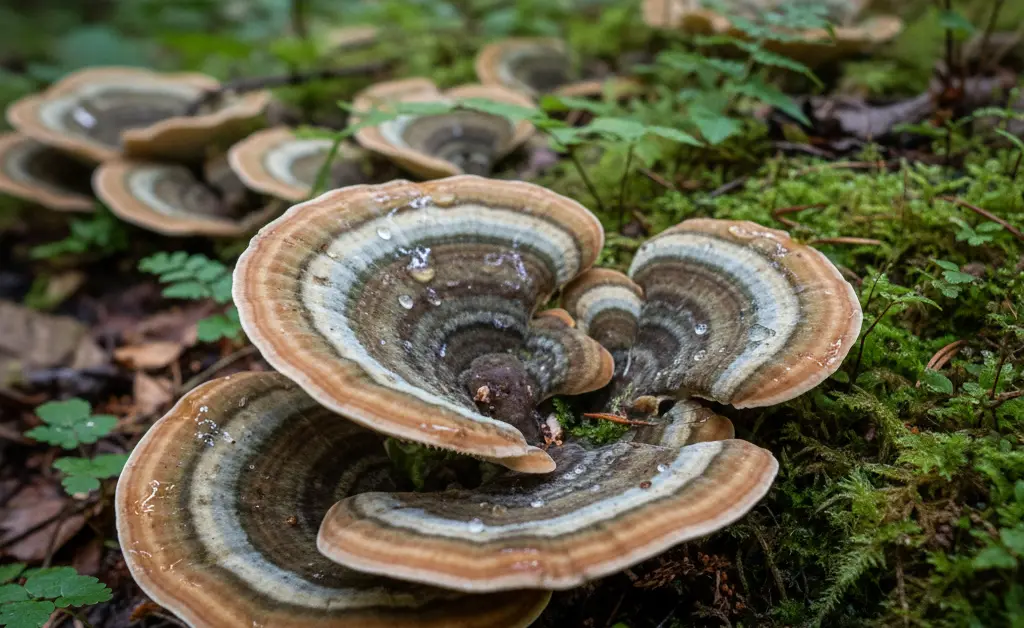
The array of benefits of turkey tail mushroom for humans is broad, stemming largely from its rich composition of polysaccharides, especially beta-glucans like PSK (polysaccharide K) and PSP (polysaccharopeptide). These compounds are extensively studied for their biological activities. The use of turkey tail mushrooms extends across various traditional practices, and modern research continues to explore its potential in supporting overall well-being and specific physiological functions.
Turkey tail benefits for female
Research into the specific benefits of turkey tail mushroom for women’s health is ongoing. Traditionally, various medicinal mushrooms have been used to support general wellness, which can indirectly benefit different aspects of female physiology. Some studies suggest a potential role in supporting immune function, which is critical for overall health. While direct, specific benefits solely for female health are still being elucidated, the broad-spectrum immune-modulating properties of this fungi may contribute to general vitality, which can be advantageous for women’s health. Emerging research also explores the neuroprotective benefit of turkey tail mushroom.
Turkey tail mushroom benefits for skin
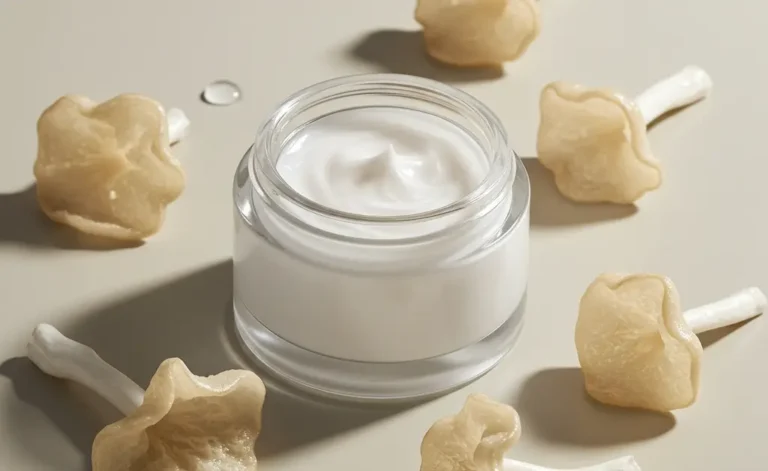
The potential for turkey tail mushroom benefits for skin is an area of emerging interest. Its antioxidant properties, derived from various phenolic compounds and flavonoids, may help protect skin cells from oxidative stress. Oxidative stress is a factor in skin aging and various dermatological concerns. By potentially modulating immune responses and offering antioxidant support, turkey tail mushroom may contribute to maintaining healthy skin function and appearance. Further research is needed to fully understand these specific dermatological applications.
Turkey tail mushrooms act as nonspecific immune support
One of the most well-documented and celebrated benefits of turkey tail mushrooms is their capacity to provide nonspecific immune support. The powerful polysaccharides, PSK and PSP, found in Trametes versicolor, are believed to interact with the immune system in a way that enhances its general responsiveness and strength. They may help to activate various immune cells and pathways, thereby potentially strengthening the body’s natural defenses against a range of challenges. This generalized immune modulation is a key reason why turkey tail mushroom for humans is a subject of significant scientific and health interest, as explored by organizations like the NIH.
Turkey Tail Mushroom Side Effects and Safety
While the turkey tail mushroom for humans is generally considered safe for consumption, especially when used in traditional contexts or as a supplement, it is important to be aware of potential side effects and safety considerations. Like any botanical or supplement, individual responses can vary, and certain conditions may warrant caution. Understanding these aspects is crucial for responsible use of turkey tail mushroom supplements.
Turkey tail mushroom liver toxicity
Concerns about liver toxicity related to turkey tail mushroom are relatively rare, and most studies indicate a good safety profile. However, as with any substance processed by the body, there is a theoretical potential for impact on liver function, particularly in individuals with pre-existing liver conditions or when consumed in excessive amounts. It is always advisable to consult with a healthcare provider before starting any new supplement, especially if there are underlying health issues or if other medications are being taken that could interact with liver metabolism. Reputable sources suggest that when used appropriately, serious liver issues are not commonly associated with turkey tail mushroom.
Who should not take turkey tail mushroom supplements?
While turkey tail mushroom supplements are generally well-tolerated, certain individuals should exercise caution or avoid them altogether. Pregnant or breastfeeding individuals are typically advised against using most supplements due to limited safety data in these populations. People with autoimmune diseases should also be cautious, as the immune-modulating properties of turkey tail could potentially impact their condition. Furthermore, individuals undergoing organ transplant or taking immunosuppressant medications should avoid these supplements, as they might interfere with the intended action of the medication. Anyone with known allergies to mushrooms or fungi should also refrain from use. It is also important to consider if turkey tail mushroom is safe for kids before administration. Always consult a healthcare professional to determine if turkey tail mushroom supplements are appropriate for your specific health situation.
This information is provided for educational purposes only. It is not intended to be a substitute for professional medical advice, diagnosis, or treatment. Always seek the advice of your physician or other qualified health provider with any questions you may have regarding a medical condition. Never disregard professional medical advice or delay in seeking it because of something you have read in this article.
FAQ
— What distinguishes functional mushrooms from culinary mushrooms?
Functional mushrooms are primarily valued for their unique bioactive compounds like triterpenes and polysaccharides, which are studied for their potential to support various bodily systems. While culinary mushrooms offer nutritional value, functional varieties contain specific constituents that contribute to their distinct wellness properties.
— How do the active compounds in functional mushrooms typically support the body?
The active compounds in functional mushrooms, such as polysaccharides and triterpenoids, are known to interact with various physiological pathways within the body. These interactions play a role in modulating cellular responses and supporting systemic balance, contributing to overall well-being.
— Which functional mushroom is often associated with immune support?
The turkey tail mushroom is widely recognized and studied for its profound impact on immune system function, particularly due to its rich content of polysaccharopeptides like PSK and PSP. These compounds are extensively researched for their ability to support the body’s natural defenses and are a primary reason for interest in turkey tail mushroom for humans. It plays a significant role in promoting a robust and balanced immune response.
— What are beta-glucans, and why are they important in functional mushrooms?
Beta-glucans are complex polysaccharides found in the cell walls of functional mushrooms, among other sources. These unique fiber compounds are particularly relevant to wellness because they are known to interact with immune receptors, helping to modulate and support the body’s natural defense mechanisms. Their structure dictates their biological activity, making them a key focus in mushroom research.