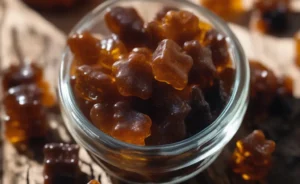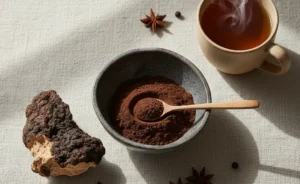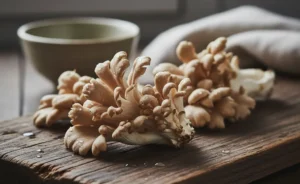
Just as a well-engineered system has multiple components working in harmony to ensure optimal function, the natural world offers its own complex solutions for health. Among these, the turkey tail mushroom stands out, gaining increasing attention for its wide-ranging potential. This fungus, known scientifically as Trametes versicolor, has been a staple in traditional Eastern medicine for centuries, prized for its ability to foster vitality and resilience. Modern scientific inquiry is now rigorously exploring and validating what ancient practitioners understood intuitively. Research increasingly reveals the diverse turkey tail mushroom benefits, particularly in bolstering the body’s natural defenses and contributing to overall wellness. This article delves into the evidence-backed ways this unique organism can support various aspects of human health, from immune system enhancement to cognitive function.
Science-Backed Turkey Tail Mushroom Benefits

The growing body of research highlights a spectrum of turkey tail mushroom benefits, positioning it as a valuable subject in natural health. This medicinal mushroom, also known as Trametes versicolor, is rich in bioactive compounds that are thought to contribute to its various health-supporting properties. Regulatory bodies like the FDA continue to evaluate the scientific evidence for dietary supplements. Key among these are polysaccharides, particularly polysaccharopeptide (PSP) and polysaccharide-K (PSK), which have been extensively studied for their impact on well-being.
Immune System Support
One of the most widely recognized attributes of the turkey tail mushroom is its profound ability to support the immune system. The presence of powerful beta-glucans, PSP, and PSK acts as an adaptogen, helping the body maintain balance and respond effectively to challenges. These bioactive compounds are believed to interact with various immune cells, such as macrophages and NK cells, potentially enhancing their activity. This broad-spectrum immune health support makes the turkey tail mushroom a subject of significant interest in clinical trials related to host defense and overall immune response.
Antioxidant Properties
Turkey tail mushrooms are a source of potent antioxidants, molecules that help to neutralize harmful free radicals in the body. Free radicals can contribute to cellular damage and oxidative stress, which are implicated in various health concerns. The antioxidant properties of Trametes versicolor are attributed to its diverse range of phenolic compounds and flavonoids, which work to protect cells from damage. Regular inclusion of ingredients with antioxidants, such as turkey tail extract, may contribute to cellular integrity and overall health.
Gut Health Enhancement
Emerging research suggests that turkey tail mushroom benefits extend to supporting a healthy gut microbiome. The polysaccharides found in turkey tail are thought to act as prebiotics, nourishing beneficial gut bacteria. A balanced gut microbiome is essential for digestion, nutrient absorption, and even immune function. By promoting a thriving internal environment, turkey tail may indirectly support other aspects of health, emphasizing the interconnectedness of the body’s systems. This focus on the gut suggests a holistic approach to well-being.
Anti-Inflammatory Effects
Chronic inflammation is a significant concern in modern health, often underlying various conditions. The turkey tail mushroom has been studied for its potential anti-inflammatory properties. Bioactive compounds within the mushroom may help to modulate the body’s inflammatory responses, contributing to a more balanced internal state. While research is ongoing, the traditional uses of this medicinal mushroom often pointed to its role in calming the body, a notion now being explored through scientific investigation into its impact on cytokines and other markers of inflammation.
Turkey tail mushroom benefits for hair
While direct research on turkey tail mushroom benefits specifically for hair health is still developing, the mushroom’s overall contributions to well-being may indirectly support healthy hair. Factors like stress, inflammation, and nutrient deficiencies can impact hair vitality. Given turkey tail’s adaptogenic, antioxidant, and immune-supportive properties, it could potentially contribute to a healthier internal environment that supports stronger, more resilient hair follicles. However, more targeted studies are needed to establish a direct link.
Turkey tail mushroom benefits for skin
Similar to its potential for hair, the broader health effects of turkey tail mushroom may offer indirect advantages for skin health. The skin is often considered a mirror of internal health, and conditions like inflammation or oxidative stress can manifest in various skin concerns. By potentially reducing inflammation and providing antioxidant support, turkey tail may help maintain skin integrity and a healthy appearance. Its role in immune health could also support the skin’s natural barrier function. Further research would be beneficial to explore these connections more deeply.
Turkey tail benefits for men
The general health benefits of turkey tail mushroom can be relevant for men’s overall well-being. Its immune-boosting properties, antioxidant content, and adaptogenic nature may help men maintain vitality and resilience against daily stressors. Supporting liver health and promoting a balanced inflammatory response are also important aspects of men’s health. While not specific to gender, these fundamental health improvements derived from turkey tail consumption can contribute to a robust physiological state.
Turkey tail benefits for female
Women may also find the general health benefits of turkey tail mushroom supportive of their overall well-being. The mushroom’s adaptogenic qualities can be particularly relevant for managing stress and supporting immune function, which are important throughout different life stages. Its potential to enhance gut health and provide antioxidant protection contributes to a foundational level of wellness. As with men, the broad spectrum of turkey tail’s properties can be a valuable addition to a health-conscious lifestyle for women.
Turkey tail mushroom benefits for dogs
Turkey tail mushroom is not only studied for human health but also for its potential in canine wellness. Many pet owners and veterinarians are exploring turkey tail mushroom benefits for dogs, particularly concerning immune health and vitality. Its bioactive compounds, such as PSK and PSP, are thought to support the immune system in animals, helping them maintain their natural defenses. As with humans, its adaptogenic and antioxidant properties may contribute to a dog’s overall well-being, especially in supporting them through various health challenges. Consult a veterinary professional before introducing any new supplement to a pet’s regimen.
Improved Exercise Performance
Studies have explored how turkey tail mushroom benefits might extend to enhancing physical endurance and reducing fatigue. While not a direct stimulant, the mushroom’s adaptogenic properties may help the body manage stress more effectively during physical exertion. By supporting cellular energy processes and potentially reducing oxidative stress that occurs post-exercise, it could contribute to improved stamina and recovery. This area of research suggests a potential role for turkey tail in supporting an active lifestyle and athletic endeavors.
Cognitive Health Support
The potential for turkey tail mushroom benefits to support cognitive function is another area of emerging interest. While not as extensively studied as its immune effects, the mushroom’s overall neuroprotective properties are being investigated. Its antioxidant and anti-inflammatory actions may help protect brain cells from damage and support healthy neurological pathways. Furthermore, a healthy gut microbiome, which turkey tail may promote, is increasingly linked to brain health through the gut-brain axis. This suggests a potential indirect influence on focus, memory, and overall cognitive well-being.
The information presented in this article is educational and not meant as professional medical counsel. It is intended for general knowledge and informational purposes only, and does not constitute medical advice, diagnosis, or treatment recommendations. Always consult with a qualified healthcare professional before making any decisions about your health or starting any new dietary supplement, especially if you have existing health conditions or are taking medications. Individual responses to supplements can vary.
FAQ
— What is turkey tail mushroom good for?
Turkey tail mushroom is recognized for its unique polysaccharides, particularly PSK and PSP, which are key to many of its studied actions. These compounds are known to interact with the immune system, supporting its various functions. Research into turkey tail mushroom benefits often highlights its potential role in enhancing immune response and cellular health.