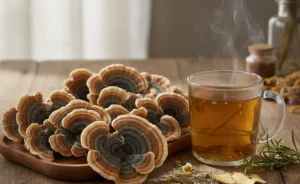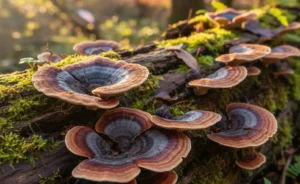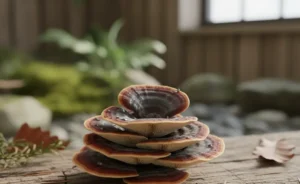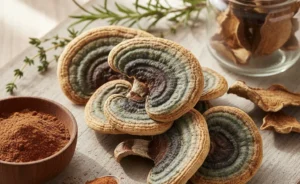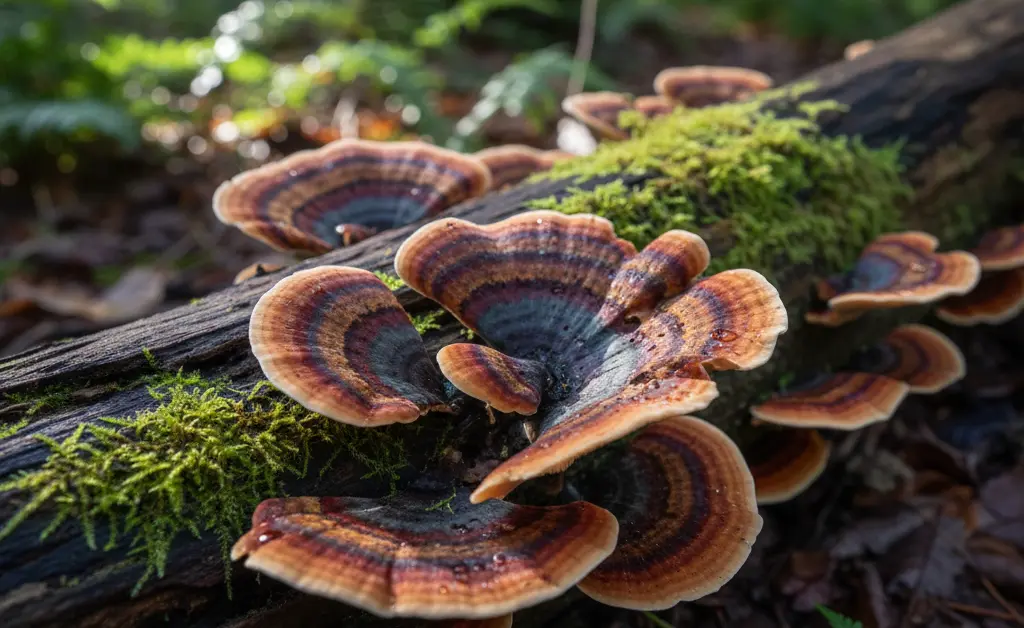
Turkey tail mushroom (Trametes versicolor) is a distinctive polypore fungus recognized for its fan-like shape and vibrant concentric rings, commonly found on dead logs and branches worldwide. Esteemed in traditional medicine, particularly in Asian cultures, for its purported immune-modulating properties, this visually striking mushroom has gained significant attention in modern wellness circles. While it’s widely utilized in various supplemental forms, often as extracts or powders, questions frequently arise regarding its consumption in its natural state. Many curious individuals wonder about the safety and implications of consuming this particular fungus directly from its environment. This article delves into the specific considerations of whether turkey tail mushroom edible raw is a viable or advisable option, exploring potential benefits, risks, and the reasons why raw consumption is generally not recommended.
Is Turkey Tail Mushroom Edible Raw?
The immediate question for many foragers and wellness enthusiasts is whether the turkey tail mushroom edible raw is a possibility. While technically not considered toxic, direct raw consumption presents several significant challenges and is generally not recommended. Unlike many culinary mushrooms that can be enjoyed raw in salads or other dishes, the physical characteristics and chemical composition of wild turkey tail make it a poor candidate for raw intake. Its tough, woody texture, often found on decaying logs, makes it particularly unappealing and difficult to chew and digest in its unprocessed state. Furthermore, the beneficial compounds that make Turkey Tail mushroom a subject of interest are often encased within its cell walls, which are not easily broken down by the human digestive system without proper preparation.
Technically Edible, But With Caveats for Raw Consumption
While a person could technically ingest raw turkey tail mushroom without immediate poisonous effects, the experience would likely be far from pleasant or beneficial. The primary issue lies in its tough, leathery, and woody texture. This particular mushroom species, often identified by its common name Coriolus versicolor, is not soft or fleshy like many culinary fungi. Instead, its rigid structure is designed for breaking down wood, not for easy digestion. This inherent toughness means that consuming it raw would be akin to chewing on bark, making it difficult to masticate and swallow. Beyond the texture, the complex compounds that offer its purported health advantages are often not readily bioavailable in its raw state, meaning the body struggles to absorb them effectively. Therefore, while not strictly toxic, raw consumption offers minimal gustatory or nutritional reward and can lead to digestive discomfort. For other medicinal mushrooms, knowing the proper maitake mushroom dosage is often a key consideration for safe and effective use.
Turkey tail mushroom edible raw benefits
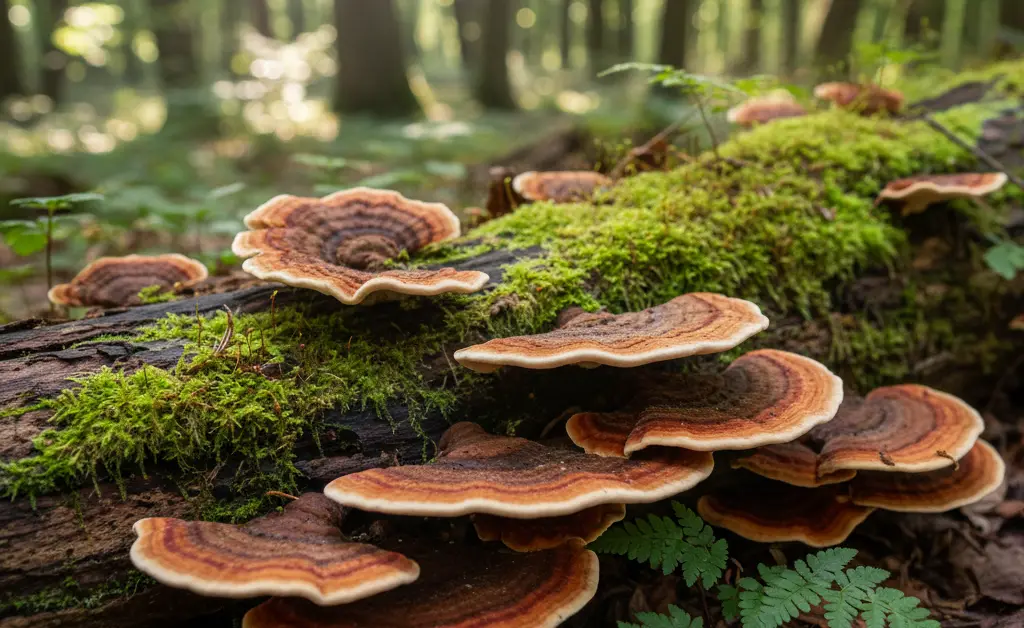
When considering the potential health advantages, it’s important to distinguish between the general properties of the fungus and the specific implications of consuming turkey tail mushroom edible raw. The Turkey Tail mushroom is extensively studied for its rich content of polysaccharides, particularly beta-glucans like PSK (polysaccharide K) and PSP (polysaccharopeptide). These compounds are widely associated with immune system support and antioxidant activity, forming the basis of many traditional and modern medicinal uses. However, these benefits are primarily observed when the mushroom’s compounds are made accessible through specific preparation methods, such as extraction or cooking. The raw form, due to its tough texture and the nature of its cell walls, significantly limits the body’s ability to access and absorb these valuable components. Therefore, while the mushroom itself possesses potential health-promoting properties, directly consuming it raw is unlikely to yield the full spectrum of these benefits in a meaningful way. Most research and traditional applications focus on prepared forms to maximize the bioavailability of these important constituents. The NIH conducts and supports medical research which often includes studies on natural compounds and their effects. It is also important to understand the optimal chaga mushroom dosage for desired effects.
Why Consuming Raw Turkey Tail Isn’t Recommended: Risks and Concerns
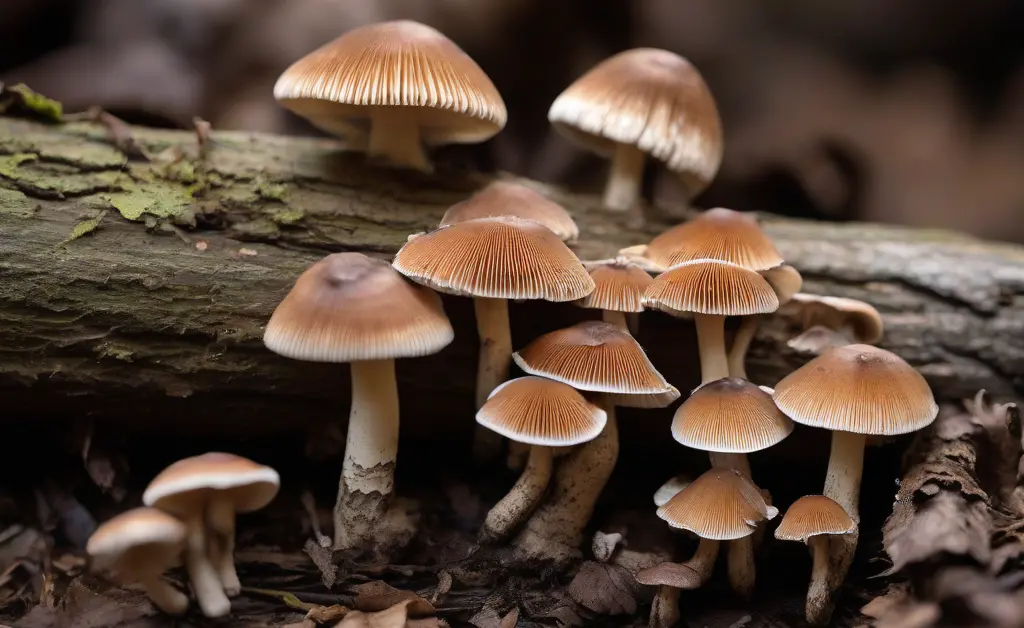
Despite the Turkey Tail mushroom’s reputation for its health-promoting compounds, understanding why consuming turkey tail mushroom edible raw is generally discouraged is crucial for anyone considering its use. Several factors contribute to the consensus that raw ingestion is not the optimal or safest approach. These concerns range from digestive challenges to potential exposure to environmental contaminants and the diminished efficacy of its beneficial properties when consumed unprocessed. Foraging wild turkey tail mushrooms also introduces specific safety considerations, as proper identification and awareness of the mushroom’s growing environment are paramount to avoid health risks.
Indigestibility and Nutrient Absorption Challenges
One of the primary reasons raw turkey tail is not recommended is its inherent indigestibility. The mushroom possesses a woody, leathery texture, primarily due to its high chitin content. Chitin is a complex carbohydrate that forms the structural component of fungal cell walls, similar to the exoskeleton of insects. The human digestive system lacks the necessary enzymes to efficiently break down chitin, making raw turkey tail extremely difficult to digest. This indigestibility means that even if ingested, the body struggles to access and absorb the valuable polysaccharides and other beneficial compounds present within the mushroom’s cells. Consequently, consuming it raw offers very little nutritional or medicinal benefit, and instead often leads to digestive upset and discomfort rather than the desired health outcomes.
Potential for Contaminants in Raw Form
Wild mushrooms, including turkey tail, can absorb various substances from their environment. When considering raw consumption, there is an increased potential for exposure to environmental contaminants. Turkey Tail mushrooms grow on dead wood, often in forests or other outdoor settings, where they can be exposed to pollutants, pesticides, heavy metals, and microorganisms from the soil, air, and rain. Unlike cooked or processed forms, which often undergo cleaning, heating, or extraction processes that can reduce or eliminate some contaminants, raw wild turkey tail mushrooms retain whatever they may have absorbed. Proper foraging safety dictates not only correct mushroom identification but also careful consideration of the growth site to avoid areas exposed to toxins. Without thorough cleaning and preparation methods, consuming raw foraged mushrooms carries an inherent risk of ingesting unwanted environmental substances.
Lack of Bioavailability Compared to Processed Forms
The true therapeutic potential of Turkey Tail mushroom largely depends on the bioavailability of its key active compounds, particularly the beta-glucans and other polysaccharides. In its raw form, these beneficial components are largely trapped within the tough, chitinous cell walls of the fungus. The human digestive system, as mentioned, is not equipped to efficiently break down these walls. Consequently, when turkey tail mushroom edible raw is consumed, many of its most valuable constituents pass through the digestive tract unabsorbed. This contrasts sharply with preparation methods like making teas, decoctions, extracts, or tinctures, where heat, alcohol, or other solvents are used to break down the cell walls and release these compounds, making them far more bioavailable to the body. Therefore, to harness the full array of Turkey Tail’s properties, it is essential to utilize processed forms that ensure effective extraction and absorption. Understanding the appropriate reishi mushroom dosage is also crucial for maximizing its potential benefits.
Digestive Upset and Discomfort from Raw Turkey Tail
As a direct consequence of its indigestibility and tough texture, consuming raw turkey tail can lead to significant digestive upset and discomfort. Symptoms may include bloating, gas, stomach cramps, and general gastrointestinal distress. The body expends considerable energy trying to break down a substance it cannot process efficiently, which can be particularly taxing for individuals with sensitive digestive systems. Unlike culinary mushrooms prepared for edibility, the raw, woody texture of wild turkey tail does not lend itself to gentle digestion. Instead of providing the intended wellness support, raw consumption is more likely to cause an uncomfortable experience, detracting from any potential benefits the mushroom might offer in a properly prepared form.
The content presented here is not a substitute for professional medical guidance. It is intended for informational purposes only and should not be used to diagnose, treat, cure, or prevent any disease or health condition. Always consult with a qualified healthcare professional before making any decisions about your health, diet, or supplementation, especially if you have pre-existing medical conditions or are taking medications. Individual responses to supplements can vary.
FAQ
— Can you eat turkey tail mushroom without cooking it?
While technically possible, turkey tail mushroom is known for its tough, leathery texture, making it difficult to chew and digest directly. Most prefer processing methods like cooking or extraction to make its beneficial compounds more accessible to the body. This approach helps in breaking down the chitin in its cell walls.
— What happens if you consume raw turkey tail mushroom?
Consuming raw turkey tail mushroom may lead to digestive discomfort due to its fibrous nature, as the human digestive system struggles to break down the tough cell walls. Furthermore, the beneficial compounds within the mushroom are less bioavailable in their raw state. This means the body finds it harder to absorb and utilize them effectively.
— Is raw turkey tail mushroom toxic or harmful?
Raw turkey tail mushroom is not generally recognized as toxic in the way some poisonous mushrooms are. However, its significant fibrous content makes it incredibly difficult for the human digestive system to process efficiently. This can result in mild gastrointestinal upset rather than severe harm.
— Are wild turkey tail mushrooms safe to eat raw?
Wild turkey tail mushrooms, like any foraged fungi, carry additional considerations beyond just edibility. Even if one were to consider turkey tail mushroom edible raw in a general sense, there’s always a risk of environmental contaminants or misidentification with other species. For optimal safety and benefit, proper identification and processing are crucial, irrespective of the form.
— What are the benefits of cooked vs. raw turkey tail mushroom?
The primary distinction lies in bioavailability; cooking or extracting turkey tail mushroom significantly enhances the accessibility of its beneficial compounds, such as polysaccharides. Heat treatment helps break down the chitin, a tough fiber in mushroom cell walls, allowing the body to absorb these compounds more effectively. In contrast, consuming it raw yields minimal benefit due to poor digestion and absorption.