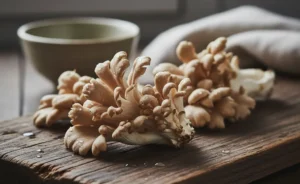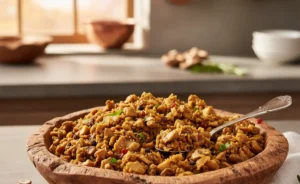
Turkey tail mushroom (Trametes versicolor) is a fascinating fungus with a long history of traditional use, recognized globally for its distinctive fan-like appearance and vibrant colors. Often found growing on decaying wood in forests worldwide, its prevalence leads many foragers and health enthusiasts to inquire about its properties. While widely known for its medicinal applications, a common question pertains to whether turkey tail mushroom is edible in a conventional culinary sense. This guide explores the safety, methods of preparation, and typical forms of consumption, providing a comprehensive overview for those interested in incorporating this unique natural resource into their wellness routine.
Is Turkey Tail Mushroom Edible and Safe for Consumption?
For those wondering if turkey tail mushroom is edible, the answer is nuanced. While generally considered safe for consumption, its preparation methods typically differ from those of more conventional culinary mushrooms. This distinct fungus is not usually consumed whole due to its texture, but rather for its beneficial compounds extracted through various processes. Understanding its safety profile and common consumption forms is key to incorporating this polypore mushroom into a wellness regimen.
Safety and Potential Side Effects
Turkey tail mushroom, also known as Trametes versicolor or Coriolus versicolor, is widely studied and generally regarded as safe for consumption. It has a long history of traditional use without significant reports of severe adverse effects. Any potential side effects are typically mild and may include digestive upset, such as gas or bloating, in sensitive individuals. These occurrences are rare and often subside with continued use or by adjusting the amount consumed. As with any natural product, individuals with pre-existing health conditions or those taking other medications should consider discussing its use with a qualified professional to ensure safety and appropriateness. For more information on health and safety guidelines, consult trusted resources like the CDC.
Why Turkey Tail is Rarely Eaten Whole or Raw
Unlike many other fungi prized for their texture and flavor in cooking, turkey tail mushroom is rarely eaten whole or raw. The primary reason for this lies in its inherently tough and woody texture. As a bracket fungi that grows on decaying wood, its fruiting body is structurally firm and fibrous, making it unpalatable when consumed directly. Chewing and digesting the raw or whole mushroom would be challenging and largely unenjoyable. Instead, its beneficial compounds are typically made available through methods that break down its structure, such as hot water extraction, which is far more effective for accessing its renowned properties.
Identifying Edible Turkey Tail Mushrooms in the Wild
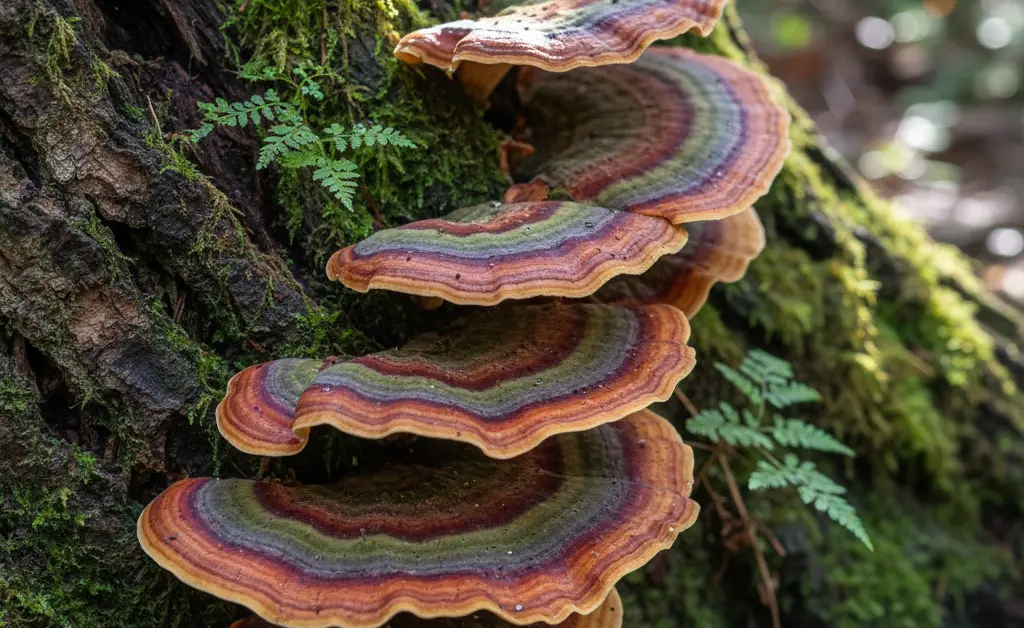
Accurate turkey tail mushroom identification is crucial for safe foraging. While many species of polypore mushrooms exist, distinguishing true turkey tail (Trametes versicolor) from similar-looking species is important. Genuine turkey tail is considered a safe and edible fungi when properly identified and prepared for consumption. Foragers look for several key characteristics to ensure they have found the correct mushroom rather than a look-alike species.
True turkey tail mushrooms exhibit distinctive concentric rings of varying colors, often including shades of brown, tan, gray, and even blue or purple, creating a fan-like or shelf-like appearance. The surface has a velvety or finely hairy texture. Crucially, the underside of a true turkey tail mushroom is white or cream-colored and features tiny, barely visible pores, not gills. The margins are typically thin and wavy. It grows on decaying hardwood, often overlapping in clusters. Always practice foraging safety by confirming identification with multiple reliable sources, especially when considering incorporating any wild edible mushroom into your routine. When in doubt, it is best to avoid consumption to ensure safety.
Preparing and Consuming Turkey Tail Mushroom
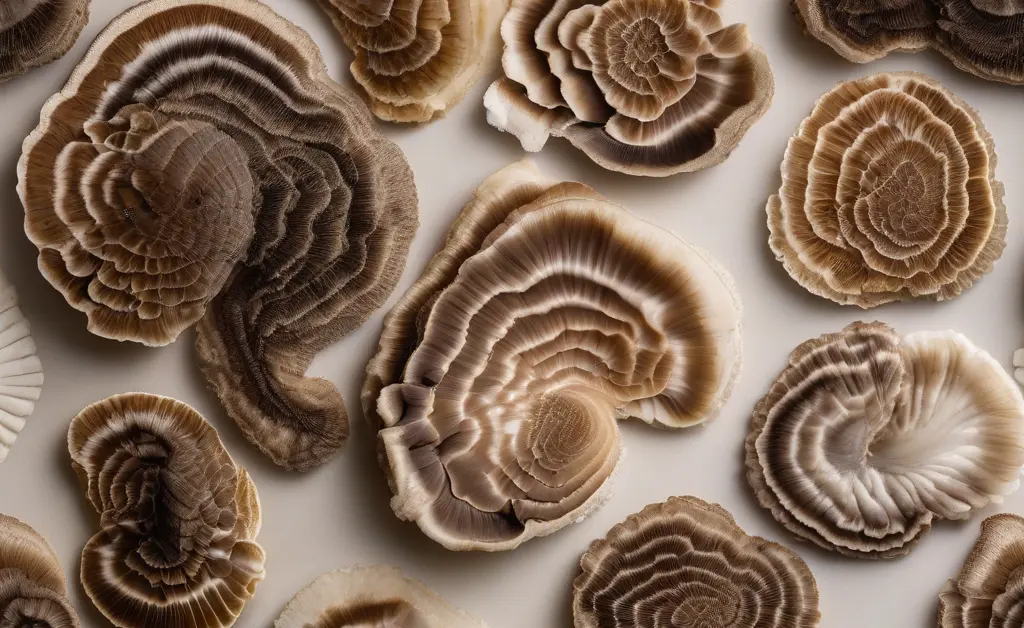
Given its tough texture, the approach to preparing and consuming turkey tail mushroom differs significantly from culinary mushrooms. The primary goal is to extract its beneficial compounds, making them bioavailable for the body. While a true turkey tail mushroom edible in the conventional sense is uncommon, its value lies in its extracts, powders, and teas. These methods ensure that the key components, such as beta-glucans and polysaccharides, are released and accessible. Understanding the best practices for how to eat turkey tail mushroom ensures you gain its full benefits.
Common Forms of Consumption: Powder, Tea, and Extracts
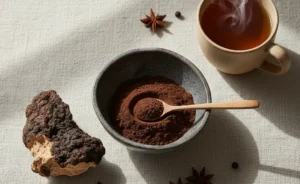
Turkey tail is most commonly consumed in processed forms that make its beneficial compounds accessible. The most popular methods include powdered mushroom, mushroom tea (also known as a decoction), and various mushroom extracts. Powdered forms are created by drying and grinding the fruiting body, which can then be added to foods or beverages. Mushroom tea involves simmering the dried mushroom in hot water for an extended period, allowing its water-soluble compounds to dissolve. Extracts, such as hot water extracts or dual extracts (combining water and alcohol extraction), are concentrated forms designed for maximum potency and bioavailability. Tinctures are another form of extract that use alcohol to draw out compounds.
How to Prepare Turkey Tail Tea or Broth
Preparing turkey tail tea or broth is a straightforward process that effectively extracts its valuable components. To make a decoction, dried turkey tail mushroom pieces are typically simmered in water over low heat for an extended period. This slow heating process helps to break down the tough fungal cell walls, releasing the beneficial compounds into the liquid. The resulting liquid can be strained and consumed on its own, or it can be used as a base for soups and broths, providing a subtle earthy flavor. This method is a popular way to experience the advantages of the mushroom without consuming the woody material itself.
Integrating Powders and Extracts into Your Diet
Incorporating turkey tail mushroom powders and extracts into a daily diet is simple and versatile. Powders can be easily blended into smoothies, mixed into coffee or tea, stirred into yogurt or oatmeal, or even added to various recipes during cooking. Extracts, often in liquid form, can be taken directly under the tongue or added to any beverage. Their concentrated nature means smaller amounts are typically needed. This flexibility allows individuals to seamlessly integrate turkey tail into their existing eating habits, ensuring consistent intake of this traditionally valued fungi.
Dosage and Consistent Use Guidelines
When considering the consumption of turkey tail mushroom products, consistency is often emphasized over specific daily amounts, as individual needs and product concentrations can vary. Many users find that regular, sustained intake aligns with traditional usage patterns. It is always advisable to follow the guidelines provided by reputable manufacturers for their specific products. For personalized advice, particularly concerning individual health goals or conditions, consulting with a qualified health professional is recommended. They can offer insights tailored to personal circumstances without providing medical advice or specific instructions.
The Culinary Experience: Taste and Texture
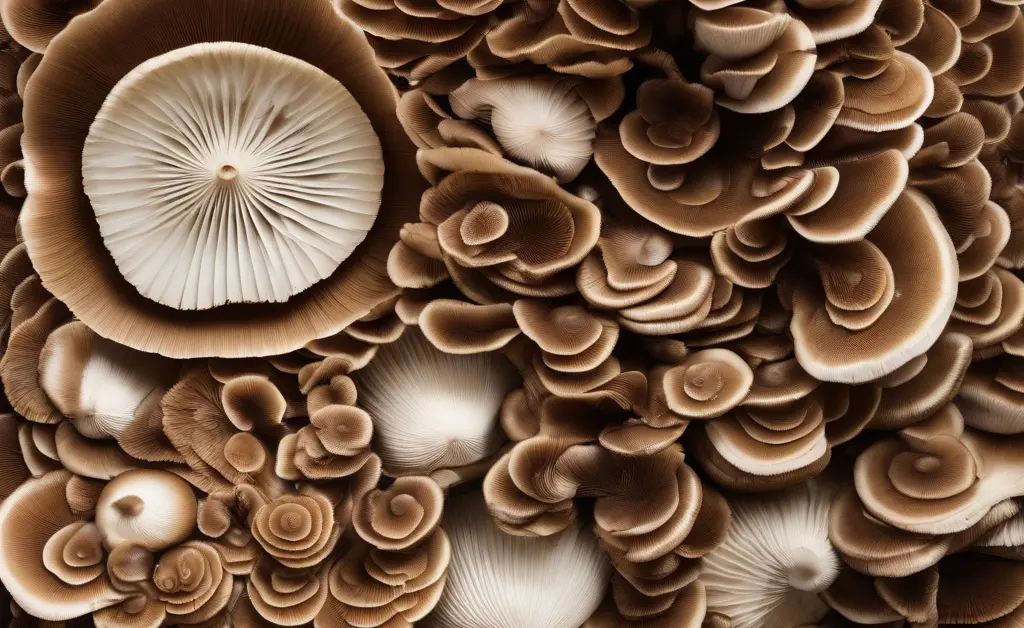
When discussing if turkey tail mushroom is edible, it’s important to clarify the culinary experience. Unlike savory gourmet mushrooms found in grocery stores, turkey tail is not sought after for its texture or rich flavor in conventional cooking. Its primary appeal is for its beneficial compounds rather than its gastronomical characteristics. Understanding its unique taste and texture profile explains why it’s used in specific ways.
Taste and Texture Profile
The taste of turkey tail mushroom is generally described as mild, earthy, and sometimes slightly bitter, especially when concentrated. It lacks the rich umami or distinct flavors associated with culinary mushrooms like shiitake or cremini. The most defining characteristic, however, is its texture. As mentioned, turkey tail is notably tough, woody, and fibrous, even after prolonged cooking. This hard, unyielding nature makes it unsuitable for direct consumption as a food item. Instead, its properties are best accessed through preparation methods that involve extraction, such as teas, broths, or powders, where the solid material is often discarded after its beneficial compounds have been infused into the liquid.
The content provided in this article is intended for informational learning, not clinical application. It is crucial to approach dietary supplements and natural remedies with careful consideration. The information shared should not be interpreted as medical advice or a substitute for professional healthcare guidance. Always consult with a qualified health professional before making any decisions related to your health or incorporating new supplements into your routine.
FAQ
— Is raw turkey tail mushroom edible?
Raw turkey tail mushroom is not typically consumed directly due to its extremely tough, leathery texture. Although not poisonous, its beneficial compounds are largely trapped within indigestible chitin, rendering them inaccessible in this form. Traditional preparation methods are necessary to extract and concentrate these desirable components for functional use.
— How do you prepare turkey tail mushroom for consumption?
Turkey tail mushroom is most commonly prepared through hot water extraction to create teas, broths, or concentrated powders. This process helps to break down the tough chitin cell walls, making its beneficial polysaccharides and other compounds more accessible. Dual extraction methods, involving both hot water and alcohol, are also used to draw out a broader spectrum of compounds.
— What does turkey tail mushroom taste like?
When prepared as a tea or broth, turkey tail mushroom generally imparts a mild, earthy, and slightly woody flavor rather than a distinct, strong taste. Its subtle profile means it often blends well with other ingredients without overpowering them. Many find its taste quite neutral, making it suitable for incorporation into various warm beverages or savory dishes.
— Can you eat turkey tail mushroom directly from the tree?
Directly eating turkey tail mushroom from a tree is not advisable due to its incredibly tough, leathery texture, which makes it indigestible in its raw state. While the turkey tail mushroom edible qualities are appreciated for its beneficial compounds, these are typically accessed through specific extraction methods. Accurate identification is also paramount, as many other fungi can resemble turkey tail but may not be suitable for consumption.
— Are there any side effects of consuming turkey tail mushroom?
Turkey tail mushroom is generally well-tolerated by most individuals; however, like any dietary supplement, some people might experience mild digestive upset such as bloating or gas. It is always wise to consult with a healthcare professional, especially if you have pre-existing conditions or are taking other medications. While adverse reactions are uncommon, individual sensitivities can vary.