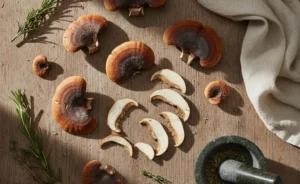
Have you ever wondered about the specific terms and cultural nuances associated with one of the world’s most beloved fungi? Beyond its widespread culinary appeal, understanding the precise vocabulary for shiitake mushroom in chinese offers deeper insight into its rich heritage. This versatile ingredient holds a significant place in traditional Chinese cooking, from fragrant stir-fries to nourishing broths. However, identifying the correct names, appreciating their pronunciations, and distinguishing between different varieties like xiang gu and hua gu can sometimes be a complex endeavor for non-native speakers. This guide aims to clarify these linguistic and culinary distinctions, providing a comprehensive overview to enhance your appreciation and usage of this extraordinary mushroom.
Shiitake Mushroom in Chinese Cooking
The shiitake mushroom is a cornerstone of Chinese cuisine, revered for its robust umami flavor and meaty texture. It contributes depth and richness to a wide array of dishes, making it an indispensable ingredient in home kitchens and professional restaurants alike. Its versatility allows it to be incorporated into everything from simple vegetable stir-fries to elaborate celebratory meals. The presence of shiitake mushroom in Chinese cooking often signifies a dish with traditional roots and a commitment to flavor.
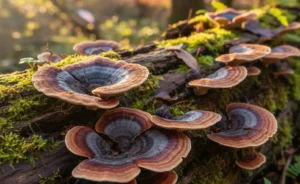
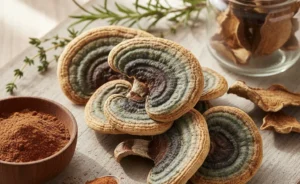
Beyond shiitake, many other fungi contribute to diverse culinary traditions, including varieties like the turkey tail mushroom. For general health and food safety information, resources from the CDC can be valuable.
Dried Shiitake Mushrooms (香菇, xiang gu)
Dried shiitake mushrooms, known as xiang gu in Chinese, are arguably even more prized than their fresh counterparts in many traditional preparations. The drying process intensifies their flavor, concentrating the umami notes and imparting a distinctive aroma that fresh shiitake cannot fully replicate. Before use, these dried mushrooms are rehydrated in warm water, a process that also yields a flavorful broth often incorporated into the dish itself. They are essential for classic Chinese recipes like Braised Stuffed Shiitake Mushrooms, soups, and stews, providing a profound savory base. While caps are primarily used, understanding the preparation and use of shiitake mushroom stems can also be beneficial in cooking.
Chinese Translations for Shiitake Mushroom
When discussing the shiitake mushroom in Chinese, several terms may arise, each carrying specific connotations or regional usage. Understanding these translations is key to navigating Chinese menus, recipes, and conversations about this popular edible fungus. The primary terms often depend on the context and the specific characteristics of the mushroom being described.
Understanding the specific attributes of different fungi, such as the various turkey tail mushroom qualities, provides further insight into their uses.
Shiitake Mushroom: Mandarin Chinese-English Meaning
In Mandarin Chinese, the most common and widely recognized term for shiitake mushroom is 香菇 (xiānggū). The character 香 (xiāng) means “fragrant” or “aromatic,” while 菇 (gū) refers to “mushroom” or “fungus.” Therefore, 香菇 literally translates to “fragrant mushroom,” a fitting description for its aromatic qualities. This term is broadly used across China to refer to the general category of shiitake mushrooms.
Correct Cantonese Word for Shiitake
In Cantonese, the term for shiitake mushroom largely mirrors its Mandarin counterpart, using the same Chinese characters. 香菇 is pronounced as “hoeng1 gu1” (or sometimes “heung1 goo”) in Cantonese. While the pronunciation differs, the written form and the fundamental meaning of “fragrant mushroom” remain consistent between Mandarin and Cantonese speakers. This consistency helps bridge linguistic gaps when discussing this beloved ingredient in various Chinese-speaking regions.
Nuances of Shiitake: 香菇 (Xiānggū) vs. 花菇 (Huāgū)
While 香菇 (xiānggū) serves as a general term for shiitake mushroom in Chinese, a finer distinction exists within the varieties, most notably with 花菇 (huāgū). These terms are not interchangeable, as they refer to different grades or types of the same mushroom, each valued for unique characteristics in Chinese culinary practices.
Primary Term: 香菇 (Xiānggū)
As mentioned, 香菇 (xiānggū) is the overarching term for shiitake mushrooms. It generally refers to the standard variety, which typically has a smooth, relatively dark brown cap. These are widely available in both fresh and dried forms and are a staple ingredient in countless dishes. Their flavor is robust and earthy, making them versatile for everyday cooking.
Alternative Term: 花菇 (Huāgū)
花菇 (huāgū), directly translating to “flower mushroom” or “flowery mushroom,” refers to a premium variety of shiitake. This classification is given to shiitake mushrooms that develop distinct, flower-like cracks on their caps during the drying process. These cracks occur due to specific growing conditions, often cooler temperatures, which cause the cap to contract and split. 花菇 are highly prized for their thicker, meatier texture and more intense flavor compared to standard 香菇.
Distinguishing Between 香菇 and 花菇
The primary visual distinction between 香菇 and 花菇 lies in the appearance of their caps. 香菇 typically has a smoother, uniform brown cap. In contrast, 花菇 is characterized by its signature white, cracked patterns resembling flowers or snowflakes against a darker brown background. Beyond appearance, 花菇 generally offers a superior culinary experience with a firmer, chewier texture and a deeper, more concentrated umami taste. These qualities often command a higher price point for 花菇.
Common Usage and Contexts of 香菇 and 花菇
Both 香菇 and 花菇 are used extensively in Chinese cuisine, but their applications can differ based on their qualities and cost. Standard 香菇 are perfect for everyday cooking, stir-fries, soups, and as a general flavoring agent. They provide excellent flavor without being overly extravagant. 花菇, due to its premium status, is often reserved for special occasions, celebratory banquets, or dishes where its unique texture and intense flavor can truly shine. They are frequently used in elaborate braised dishes or as a centerpiece ingredient where their visual appeal and taste can be fully appreciated.
Pinyin Pronunciation for Shiitake Mushroom in Chinese
Accurate pronunciation of Chinese terms is essential for clear communication, especially when discussing specific ingredients like the shiitake mushroom in Chinese cuisine. Pinyin, the official romanization system for Mandarin Chinese, provides a guide to pronouncing these characters correctly. Mastering the tones and sounds for 香菇 and 花菇 will enhance your understanding and confidence when engaging with Chinese language and culture.
How to Pronounce 香菇 (Xiānggū)
The Pinyin for 香菇 is Xiānggū. Let’s break it down:
- Xiāng (香): Pronounced somewhat like “shyang” in English, but with a softer ‘sh’ sound that is closer to ‘sy’ in ‘symphony’ and ending with an ‘ng’ sound. It has a first tone (high and flat).
- gū (菇): Pronounced like “goo” in English. It also has a first tone (high and flat).
When pronounced together, maintain the high, flat tone for both syllables: “shyang-goo.”
How to Pronounce 花菇 (Huāgū)
The Pinyin for 花菇 is Huāgū. Here’s a breakdown:
- Huā (花): Pronounced like “hwaa” in English, with a soft ‘h’ sound. It has a first tone (high and flat).
- gū (菇): As with 香菇, this is pronounced like “goo” in English, with a first tone.
Combined, it sounds like “hwaa-goo,” with both syllables maintaining a high, flat pitch.
Understanding the various names, their meanings, and pronunciations for shiitake mushrooms in Chinese culture not only enriches your culinary vocabulary but also deepens your appreciation for this remarkable fungi. Whether you’re encountering the common 香菇 or the prized 花菇, each term opens a window into the nuanced world of Chinese cuisine and its profound respect for ingredients. This knowledge empowers you to explore traditional recipes with greater confidence and to fully savor the rich flavors and cultural significance that shiitake mushrooms bring to the table.
The purpose of this content is to educate, not to diagnose or treat. The information provided is for general knowledge and informational purposes only, and does not constitute medical advice. Always consult with a qualified healthcare professional for any health concerns or before making any decisions related to your health or well-being. This article should not be used as a substitute for professional medical guidance.
FAQ
— What is the Chinese translation for shiitake mushroom?
The most common and widely recognized translation for shiitake mushroom in Chinese is 香菇 (xiānggū). This term specifically refers to the fragrant edible mushroom originating from East Asia.
— How do you write shiitake mushroom in Chinese characters?
Shiitake mushroom is written as 香菇 in traditional and simplified Chinese characters. The first character, 香 (xiāng), means “fragrant” or “aromatic,” while 菇 (gū) refers to “mushroom.”
— What is the Pinyin for 香菇?
The Pinyin for 香菇 is xiānggū. This romanization helps in pronouncing the Chinese characters for “fragrant mushroom.”
— Are 香菇 and 花菇 both types of shiitake mushrooms?
Yes, both 香菇 (xiānggū) and 花菇 (huāgū) refer to types of shiitake mushrooms. 花菇, often translated as “flower mushroom,” is a premium variety of shiitake characterized by its distinctive cracked cap pattern. This cracking occurs naturally due to specific growing conditions, indicating a higher quality.
— What is the meaning of 香菇 in Chinese?
In Chinese, 香菇 literally translates to “fragrant mushroom.” The character 香 (xiāng) denotes fragrance or aroma, while 菇 (gū) is the general term for a mushroom. This name perfectly captures the mushroom’s distinct and appealing scent.