
While many home cooks instinctively discard the sturdy stalks of shiitake mushrooms, believing them to be too fibrous for culinary use, this common practice overlooks a valuable ingredient. Far from being mere waste, properly prepared shiitake mushroom stems offer a unique depth of umami and a satisfying texture that can enhance a variety of dishes. This article aims to explore their full culinary potential, revealing methods to transform these often-neglected parts into a flavorful addition rather than an afterthought. By understanding their properties and applying simple techniques, one can unlock the surprising utility and deliciousness found within every part of this popular fungi, contributing both to flavor and food waste reduction.
Are Shiitake Mushroom Stems Edible?
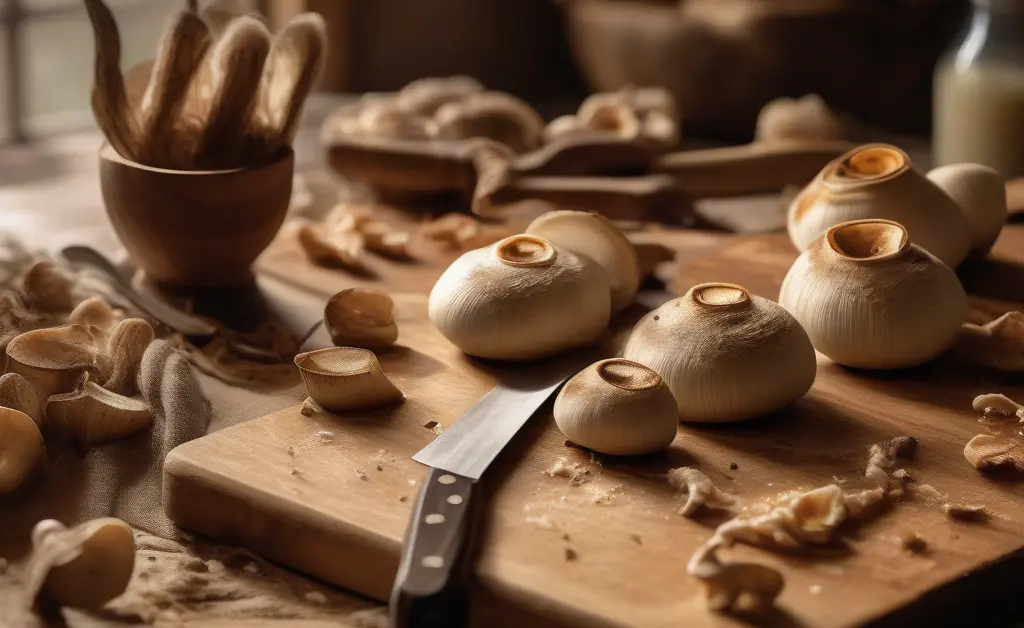
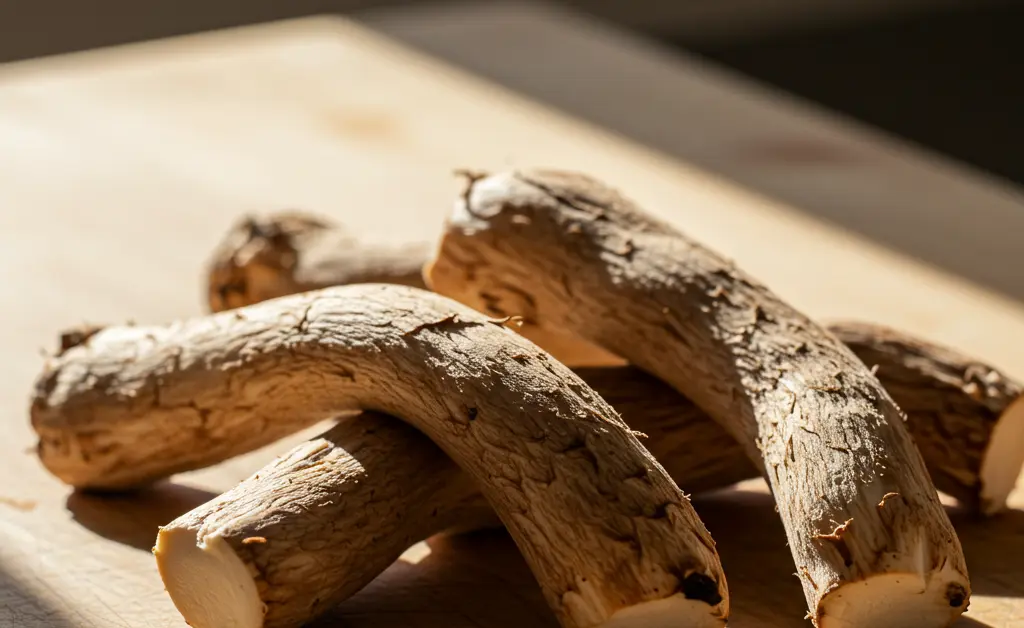
Yes, shiitake mushroom stems are indeed edible, a fact often overlooked in home kitchens. While they possess a tougher, more fibrous texture compared to the tender caps, these stems are not poisonous and offer a concentrated burst of earthy flavor. Discarding them means missing out on a valuable part of the mushroom that can contribute significantly to various dishes, especially broths and stocks. Don’t throw away those shiitake mushroom stems; with the right preparation, they can become a delicious and useful ingredient.
Cleaning and Trimming Shiitake Stems
Proper cleaning is the first step to utilizing shiitake stems effectively. How to clean shiitake mushrooms, including their stems, is quite straightforward. Begin by gently wiping the stems with a damp cloth or a soft brush to remove any dirt or debris. Avoid rinsing them under running water directly, as mushrooms can absorb excess moisture and become waterlogged, diluting their flavor. After cleaning, visually inspect the very base of the stem; if it appears overly dry, woody, or discolored, simply trim a small portion off. Learning how to remove shiitake stems correctly involves a clean cut near the cap’s base, setting aside the caps for immediate use and the stems for other preparations. Different fungi thrive in diverse environments; for instance, you might spot turkey tail mushroom on tree trunks in wooded areas.
Techniques for Softening Tough Stems
The inherent toughness of shiitake stems can be easily managed with appropriate cooking techniques. Unlike the caps, which cook quickly, the fibrous nature of the stems benefits from longer cooking times and moisture. Simmering them in liquids, such as water, broth, or stew bases, is an excellent way to break down their woody texture and render them tender. Braising or slow cooking also helps to soften them considerably, allowing them to absorb surrounding flavors while becoming pleasantly chewy rather than stringy. Thinly slicing or finely chopping the stems before cooking can also reduce the perception of toughness.
Optimal Slicing and Chopping Methods
The way you slice or chop shiitake stems can significantly impact their palatability and integration into a dish. For uses where a firm texture is desired, such as in stir-fries, thinly sliced rounds or julienned strips can work well after being tenderized. If incorporating them into a sauce, soup, or as a flavor base, finely chopping them into small, uniform pieces ensures they blend seamlessly and cook down more thoroughly. These smaller pieces are also ideal for imparting their rich umami flavor without dominating the texture of the dish. For making stock, larger pieces are perfectly acceptable, as they will be strained out later.
Incorporating Stems into Savory Dishes
The versatile flavor of shiitake stems makes them suitable for a wide array of savory dishes. One of their most popular applications is in making a robust broth or stock. Simmering the stems with aromatics creates a rich, earthy base for soups, risottos, and sauces. You can also finely chop and sauté them with other vegetables for a flavorful addition to pasta sauces, rice dishes, or stuffing. Don’t toss shiitake mushroom stems when preparing a stir-fry; after tenderizing, they can add a delightful chewiness and depth. Braising them with meats or vegetables also allows them to infuse the entire dish with their distinctive aroma and taste.
Drying, Freezing, and Storing Shiitake Stems
For those who wish to extend the shelf life and utility of shiitake stems, drying and freezing are excellent options. To dry, place cleaned stems in a dehydrator or a low-temperature oven until brittle. Once dried, they can be stored in an airtight container for months and rehydrated in warm water before use, much like dried shiitake caps. Freezing is another convenient method; simply place cleaned stems in a freezer-safe bag or container. Frozen stems are perfect for adding directly to simmering soups or stocks, where their texture will soften during the cooking process. These methods ensure that no part of the fungi goes to waste. Understanding the biological aspects of fungi, such as how turkey tail mushroom spores facilitate reproduction, offers deeper insight into their life cycle.
Tips for Cooking Tender Shiitake Stems
Achieving perfectly tender shiitake stems often comes down to patience and understanding their unique characteristics. Always aim for longer cooking times in moist environments. For instance, when making a Super Simple Shiitake Stock, allow the stems to simmer for at least 30-60 minutes, or even longer, to extract maximum flavor and soften their texture. If adding them to a stew, introduce them early in the cooking process. Marinating chopped stems before sautéing can also help tenderize them slightly and infuse them with additional flavor. Remember, the goal is to transform their firm, chewy nature into a pleasant, yielding bite.
Understanding the Properties of Shiitake Mushroom Stems
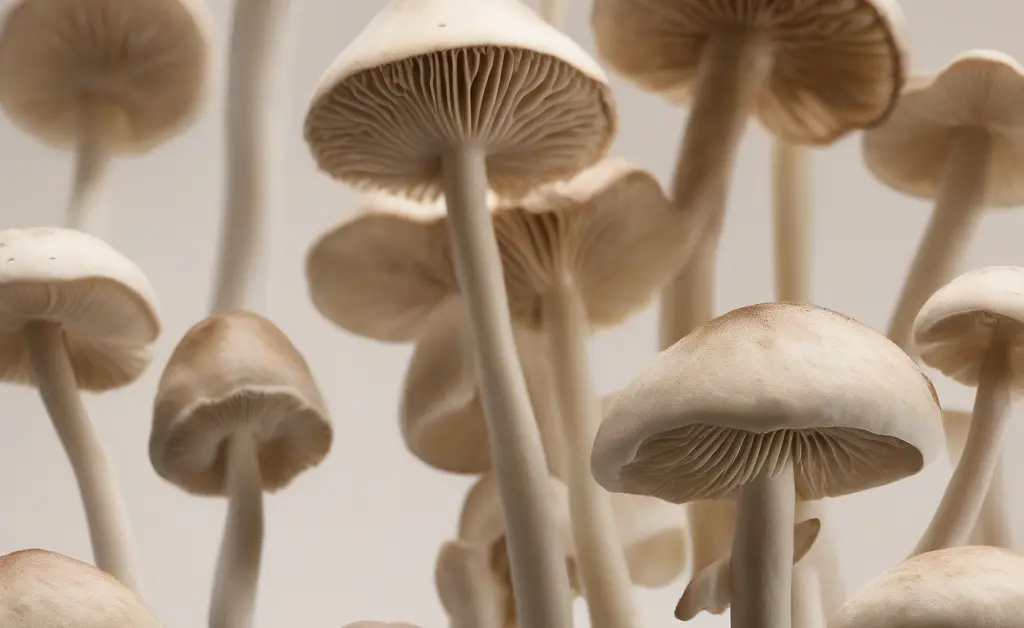
Beyond their culinary applications, understanding the intrinsic properties of shiitake mushroom stems reveals why they are a valuable ingredient. These sturdy stalks, often considered an afterthought, possess distinct characteristics that contribute significantly to flavor and texture in dishes. The nutrient content and aromatic compounds concentrated within shiitake mushroom stems are particularly noteworthy, offering a deeper appreciation for their inclusion in cooking. Many different types of fungi exist, each with unique properties, raising questions like what is turkey tail mushroom and how it compares to others.
Understanding Their Texture and Flavor Profile
The texture of shiitake mushroom stems is notably more firm and fibrous than that of the caps. This woody characteristic is due to a higher concentration of chitin, a complex carbohydrate that provides structural integrity to fungi. While this toughness can be a drawback if not properly prepared, it also means the stems retain a pleasant chewiness when tenderized. Flavor-wise, the stems offer an intense, earthy umami that is often more concentrated than that found in the caps. They contribute a deep, savory foundation to dishes, making them excellent for infusions, broths, and any preparation where a rich mushroom aroma is desired. The unique aroma of the stipe, or stem, also adds to the overall complexity and earthiness of the shiitake. Overall, the distinctive shiitake mushroom taste is highly prized in various cuisines for its savory depth. Further scientific research on fungi, including their nutritional and medicinal properties, can often be found through reputable organizations like the NIH.
From rich broths to savory stir-fries, the once-discarded shiitake mushroom stems can be transformed into a culinary asset. By understanding their unique properties and applying simple preparation and cooking techniques, home cooks can unlock a new realm of flavor and texture, all while reducing food waste. The earthy depth and satisfying chewiness they offer are a testament to the versatility of the entire shiitake mushroom, proving that every part of this fungi holds delicious potential.
This article is written for general understanding and not for medical decision-making. The information provided about shiitake mushroom stems and their properties is for educational purposes only and should not be taken as medical advice. Always consult with a qualified healthcare professional or a registered dietitian for any health concerns or before making any changes to your diet or health regimen. Individual nutritional needs and reactions to food can vary.
FAQ
Are shiitake mushroom stems safe to eat?
Yes, shiitake mushroom stems are indeed safe for consumption. While edible, their fibrous texture often leads people to discard them or use them in specific ways to improve palatability.
Should you remove shiitake mushroom stems?
It is a common practice to remove the stems from shiitake mushrooms before cooking the caps, primarily due to their tough and woody texture. While not necessary for safety, separating them makes the caps more pleasant to eat and allows for different preparation methods for the stems.
What is the best way to cook shiitake mushroom stems?
The optimal way to prepare shiitake mushroom stems involves methods that either tenderize them or extract their rich umami flavor. Slow cooking techniques like simmering, braising, or using them to infuse broths and stocks are highly effective. This approach allows their deep taste to contribute to the overall dish without the textural challenges.
Can you use shiitake stems in soup?
Absolutely, incorporating shiitake mushroom stems into soups is an excellent use for them. Their robust flavor is released during the simmering process, significantly enriching the broth with earthy, savory notes. They contribute a wonderful depth to any stock or soup base.
How do you make shiitake mushroom stems tender?
To achieve tenderness in shiitake mushroom stems, long, slow cooking in a liquid medium is essential. Simmering them for an extended period in water, broth, or sauce gradually breaks down their fibrous structure. This method helps transform their tough consistency into a more yielding texture suitable for eating or blending.