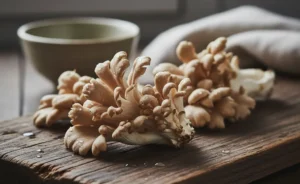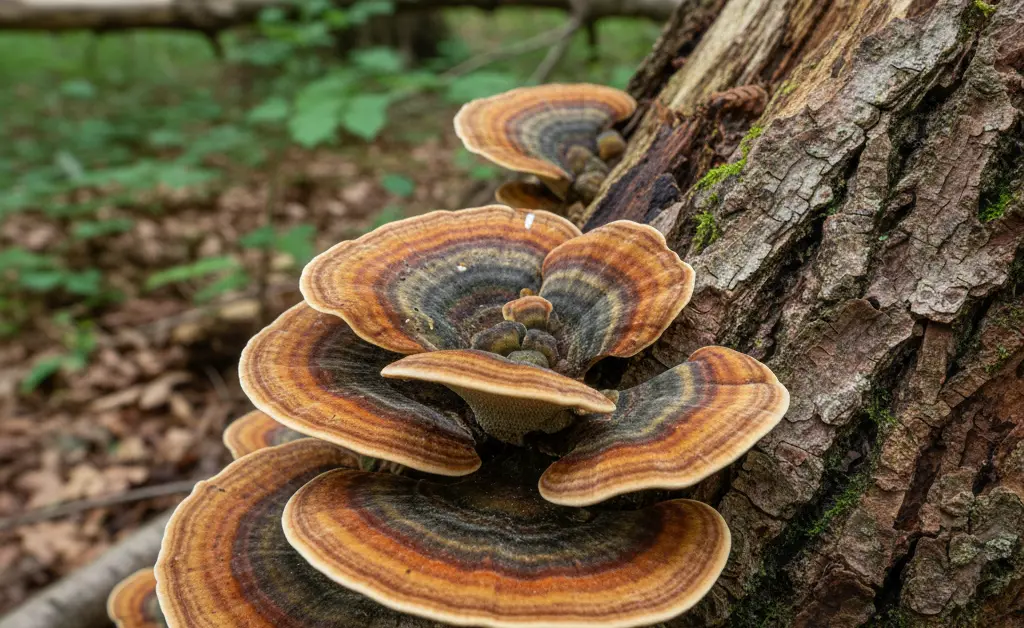
Have you ever noticed beautiful, fan-shaped fungi adorning the trunks and branches of trees in a forest or even your backyard? These vibrant, layered growths are often a common sight, sparking curiosity about their nature and impact. This article delves into identifying the distinctive turkey tail mushroom on tree, exploring its characteristics, and understanding its role in the ecosystem. We will also address how to differentiate it from similar fungi, assess its implications for tree health, and discuss appropriate management strategies for affected trees. Whether you’re a nature enthusiast or a homeowner, gaining insight into these fascinating organisms is crucial.
Turkey Tail Mushroom on Tree Identification
Identifying the distinctive turkey tail mushroom on tree (scientifically known as Trametes versicolor) involves observing several key visual characteristics. This common bracket fungus, also referred to as a polypore, thrives on wood, often signaling specific conditions within its host tree. Recognizing its unique features is the first step in understanding its presence and potential implications.
Key Visual Characteristics on Wood
When examining a turkey tail mushroom on tree, several features stand out. These fungi typically grow in thin, leathery, fan-shaped or semicircular structures, often overlapping in shelf-like clusters. The turkey tail mushroom size typically ranges from 1 to 4 inches in diameter. Their most striking attribute is their vibrant, concentric zones of color, which can include shades of brown, gray, rust, blue, green, and even purple, giving them a striped, turkey-tail-like appearance. The margin of the fruiting body is usually thin and wavy.
- Upper Surface: Velvety or finely hairy texture with distinct concentric color bands.
- Underside (Pore Surface): White or cream-colored, with very tiny pores (too small to see clearly with the naked eye) rather than gills. This smooth, uniform pore surface is a critical identifier, distinguishing it from many look-alikes.
- Growth Pattern: Often grows in large, overlapping clusters, giving a rosette or shelf-like formation.
- Flexibility: The fruiting body is tough and leathery, not brittle.
Turkey tail mushroom on tree pictures
Observing a variety of turkey tail mushroom on tree pictures can greatly assist in accurate identification. Visual examples highlight the natural variation in color and growth patterns that can occur depending on environmental factors, tree species, and age of the fungus. While the concentric bands and pore surface are consistent, the exact hues and arrangement of the bands can differ significantly. Reviewing multiple images helps train the eye to spot the consistent features while appreciating the natural diversity of Trametes versicolor in its natural habitat.
What is Turkey Tail Fungus on Trees?
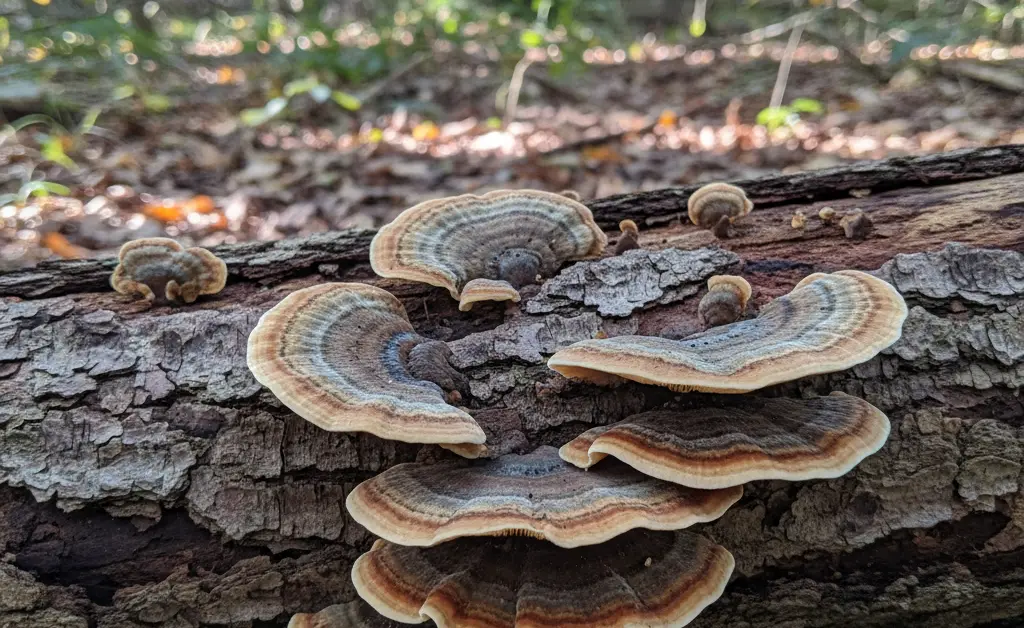
The turkey tail fungus is a widely distributed saprophyte and decomposer, playing a vital ecological role in breaking down dead wood. While it is often found on dead or dying trees, its presence can sometimes indicate underlying issues in a living host tree. Understanding its biology helps clarify its impact, particularly for a turkey tail mushroom on tree.
Common Locations on Trees (Dead Wood, Stumps, Branches)
Turkey tail fungus, or Trametes versicolor, predominantly colonizes dead wood, making it a common sight on various parts of trees that are no longer alive or are in decline. It spreads through the release of tiny turkey tail mushroom spores. Its primary function as a decomposer is to break down lignin and cellulose, the complex polymers that give wood its strength and structure. You will frequently find this bracket fungus in the following locations:
- Dead-but-standing tree: Often seen growing on the trunks of trees that have died but remain upright.
- Stumps: Abundant on cut tree stumps, where it actively works to decompose the remaining wood.
- Fallen Branches and Logs: Colonizes branches and logs on the forest floor, contributing to nutrient cycling.
- Wounds on Live Trees: Occasionally, turkey tail fungus on a live tree may appear in areas of damage or stress, such as old pruning wounds, storm damage, or areas where the bark has been compromised, indicating existing internal decay.
Its widespread presence highlights its role as a key agent in forest ecosystems, returning nutrients to the soil.
Distinguishing Turkey Tail from Poisonous Look-Alikes
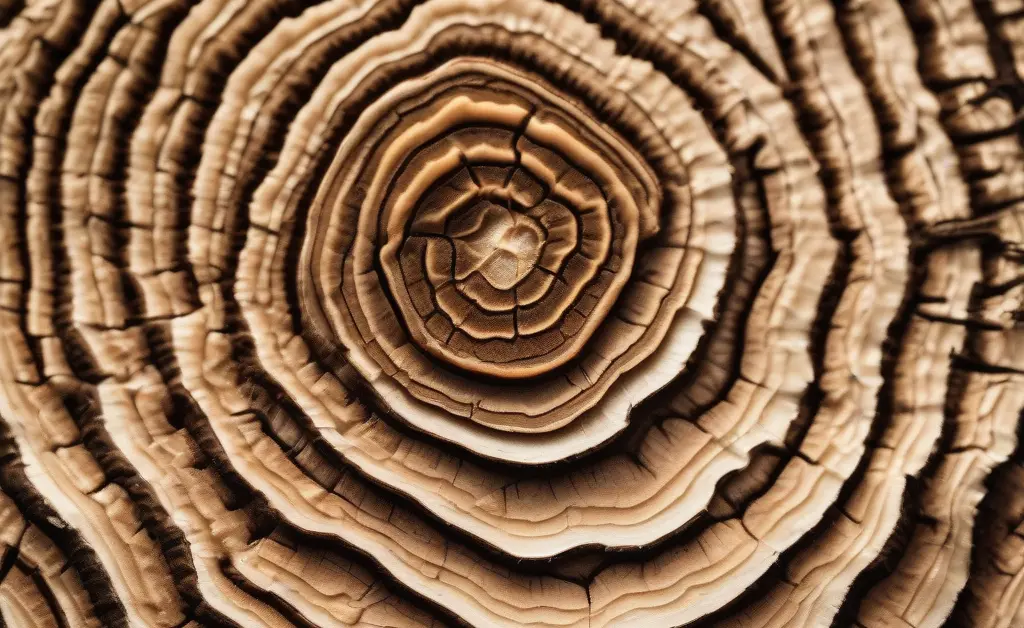
Accurate mushroom identification is crucial, especially when differentiating common fungi like the turkey tail mushroom on tree from species that might be less beneficial or even harmful. While Trametes versicolor is not considered toxic, some similar-looking bracket fungi exist, making careful observation essential to avoid misidentification.
False Turkey Tail and Other Similar Fungi
Several fungi can be mistaken for the true turkey tail. The most common look-alike is known as False Turkey Tail (Stereum ostrea). Other fungi with similar growth habits include various species of polypores and crust fungi. The key challenge lies in their often similar coloration and fan-shaped growth patterns, especially when viewed from above without close inspection of the underside.
Key Distinguishing Visual Characteristics
To confidently distinguish the turkey tail mushroom on tree from its imposters, focus on these critical features:
- Pore Surface: The definitive characteristic of true turkey tail (Trametes versicolor) is its underside, which features a white or light cream pore surface composed of minute, almost invisible pores. It is a polypore, meaning it has tiny tubes ending in pores on its underside.
- False Turkey Tail (Stereum ostrea): This look-alike has a smooth, non-porous underside, or it may have very faint, gill-like ridges but never true pores. Its underside is typically tan to light brown, lacking the distinct white pore surface of Trametes versicolor.
- Flexibility and Thickness: True turkey tail is tough and flexible. Some other bracket fungi might be more rigid or brittle.
- Upper Surface Texture: While both can have concentric bands, Trametes versicolor usually has a velvety or finely hairy texture, while False Turkey Tail can be smoother.
Always inspect both the top and underside of the fungus to ensure correct identification.
Understanding Turkey Tail’s Impact on Tree Health
While the turkey tail mushroom on tree is primarily a decomposer of dead wood, its presence on a living tree can be a significant indicator of underlying tree disease and internal decay. Recognizing these signs is crucial for assessing tree health and ensuring safety.
Understanding Internal Wood Decay and Rot
When turkey tail fungus establishes itself on a live host tree, it usually signifies that the tree is already experiencing internal wood decay, specifically a type of white rot. The fungal mycelium, the main body of the fungus, secretes enzymes that break down lignin, one of the primary components that give wood its rigidity. This process, known as delignification, weakens the wood structure from the inside out, often long before any external signs are visible.
How Turkey Tail Indicates Tree Disease
The appearance of turkey tail’s fruiting bodies (the visible mushrooms) on a living tree is often a late-stage symptom of a tree disease. It suggests that the mycelium has been at work within the trunk or branches for some time, extensively decomposing the wood. It indicates that the tree’s natural defenses have been compromised, allowing the fungus to colonize and advance. This visible fungus is not the cause of the disease but rather a symptom of existing wood rot, often initiated by wounds or stress.
Assessing the Extent of Tree Damage
Assessing the extent of tree damage when turkey tail fungus is present requires more than just a visual inspection. Since the fungus primarily causes internal decay, the visible fruiting bodies only show a small part of the problem. A professional tree assessment by an arborist can use specialized tools to evaluate the degree of trunk decay or branch failure potential, which is critical for understanding the tree’s overall structural integrity.
Risks of Structural Instability and Branch Failure
Extensive internal decay caused by fungi like turkey tail significantly compromises a tree’s structural integrity. This weakening can lead to increased risks of branch failure or even the collapse of the entire tree, especially during high winds, heavy snow, or storms. The presence of wood rot means that the tree’s ability to support its own weight and withstand external forces is diminished.
Potential Hazards to Property and Safety
Trees with significant internal decay, indicated by fungi such as turkey tail, pose potential hazards to property and safety. If such a tree is located near homes, driveways, power lines, or high-traffic areas, the risk of falling branches or an entire tree falling can be substantial. Understanding this risk is paramount for homeowners and property managers to prevent accidents and damage. Organizations like the WHO provide global health guidance and safety information.
Managing Trees Affected by Turkey Tail Growth
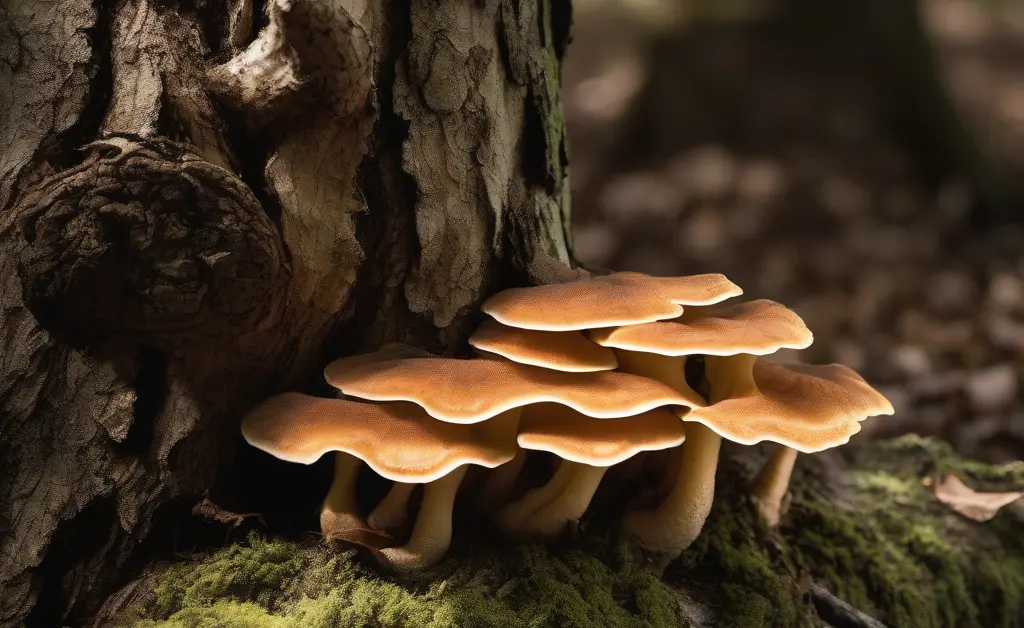
When turkey tail fungus is observed on a tree, particularly a live one, proactive management is often necessary to mitigate risks and ensure tree safety. The approach depends on the tree’s condition, location, and the extent of the decay.
When to Consult a Certified Arborist
It is highly recommended to consult a certified arborist as soon as turkey tail growth or any other bracket fungus is noticed on a living tree, especially if the tree is near structures or frequently used areas. An arborist possesses the expertise to accurately diagnose the tree’s condition, identify the type of fungus, and assess the extent of internal damage. Early consultation can prevent minor issues from becoming significant hazards.
Professional Tree Assessment and Recommendations
A certified arborist will conduct a comprehensive tree assessment. This typically involves examining the entire tree for signs of stress, decay, and structural weakness. They may use tools such as a mallet to sound the trunk for hollow areas, or more advanced instruments like resistographs or sonic tomography to detect internal trunk decay and evaluate the wood’s density. Based on their findings, the arborist will provide professional recommendations, which could range from monitoring to remedial care or, in severe cases, removal. They can also offer advice on improving overall tree health to prevent further fungal colonization.
Options for Tree Care or Removal
Following a professional assessment, several options might be considered for trees affected by turkey tail growth:
- Monitoring: For early-stage or minor decay on trees in low-risk areas, the arborist might recommend monitoring the tree’s condition over time.
- Pruning: Removing dead or heavily decayed branches can eliminate sources of inoculum and reduce the risk of branch failure. However, this should only be done by a professional to avoid further injury to the tree.
- Support Systems: Cabling or bracing might be considered for structurally compromised trees to provide additional support, though this is often a temporary measure if decay is progressive.
- Removal: If the internal decay is extensive, compromising the tree’s structural integrity to a hazardous degree, or if the tree is dying and poses a significant risk to property or safety, tree removal may be the safest and most recommended option. This decision is always made with safety and long-term tree health in mind.
This content is for informational use and should not be considered medical instruction. It is not intended to provide medical advice, diagnosis, or treatment for any health condition or disease. Always seek the advice of a qualified healthcare professional for any questions regarding your medical condition or before making any decisions related to your health or treatment. The information presented here should not be used as a substitute for professional medical guidance.
FAQ
— Does turkey tail mushroom mean my tree is dying?
The presence of turkey tail mushrooms on a tree typically signals that a portion of the wood is already dead or decaying. These fungi are decomposers that break down lignin and cellulose in dead wood. While it points to an area of compromise, it doesn’t always mean the entire tree is in immediate decline.
— What should I do if I find turkey tail mushrooms on my tree?
Discovering turkey tail mushrooms on your tree warrants observation of the tree’s overall health and structural integrity. It’s often beneficial to consult a certified arborist who can assess the extent of decay and advise on appropriate tree care. They can determine if the tree poses a risk or requires specific management.
— Are turkey tail mushrooms harmful to trees?
Turkey tail mushrooms function as decomposers in the natural environment. They primarily colonize and break down dead or dying wood, rather than actively attacking healthy, living tree tissue. Their presence indicates that the tree has an existing injury or decay in the affected section.
— How can I tell if the mushroom on my tree is turkey tail?
Identifying a true turkey tail mushroom on tree involves looking for distinct characteristics. It typically features concentric zones of varying colors like browns, grays, and blues, radiating from the point of attachment. The mushroom is thin, fan-shaped, and has a velvety top surface with tiny pores on its white or cream underside, rather than gills.
— Can turkey tail mushrooms cause a tree to fall?
While turkey tail mushrooms themselves don’t directly cause a tree to fall, their presence signifies underlying wood decay. This decay process can progressively weaken the structural integrity of the affected branches or trunk over time. If significant decay compromises critical parts of the tree, it may eventually lead to breakage or collapse.