While mushrooms are frequently seen merely as edible curiosities or woodland decomposers, the truth about certain species reveals a much more significant story. Contrary to popular belief that their benefits are purely anecdotal, modern science is increasingly validating the remarkable therapeutic properties housed within these ancient organisms. Among them, the turkey tail mushroom stands out, a fungus whose diverse and well-researched attributes warrant closer inspection. This article delves into the distinctive turkey tail mushroom qualities, exploring its biological characteristics and the broad spectrum of health advantages it offers, from immune system support to antioxidant capabilities, challenging preconceived notions about the humble mushroom.
Exploring Turkey Tail Mushroom Qualities
Turkey tail mushroom (Trametes versicolor): an edible fungus
The turkey tail mushroom, scientifically known as Trametes versicolor (and also historically referred to as Coriolus versicolor), is a widely recognized edible fungus found across various continents. This common medicinal fungi has been utilized for centuries in traditional medicine systems, particularly in Asian cultures, where it is valued for its unique properties. While it is edible, it is typically consumed as an extract or powdered supplement rather than a culinary dish due to its tough, leathery texture. It is common to find turkey tail mushroom on tree trunks or fallen wood in its natural habitat.
Understanding its Natural Habitat and Appearance
Trametes versicolor thrives in temperate forests worldwide, commonly growing on dead or decaying hardwood logs, stumps, and fallen branches. Its appearance is one of its most distinctive features, inspiring its common name. The fruiting body forms thin, leathery, fan-shaped shelves or rosettes that exhibit concentric rings of varying colors, often resembling the fanned tail of a turkey. These colors can range from browns, greys, and blacks to blues, greens, and reds, making it easily identifiable in its natural habitat. Understanding the turkey tail mushroom origin helps appreciate its global distribution.
What Makes Turkey Tail Unique?
What sets the turkey tail mushroom apart are its rich composition of bioactive compounds. Foremost among these are the polysaccharides, specifically polysaccharide-K (PSK) and polysaccharopeptides (PSP). These unique glycoproteins and beta-glucans are extensively studied and are believed to be responsible for many of the mushroom’s reputed health benefits. Further research by organizations like the NIH continues to explore these benefits. Beyond these, turkey tail contains other beneficial constituents, including triterpenes, enzymes, and various phytochemicals, contributing to its status as a significant health supplement and adaptogen.
Other Therapeutic Qualities
The comprehensive array of compounds present in turkey tail contributes to its broad spectrum of therapeutic qualities. These include properties that interact with the immune system, provide antioxidant protection, and potentially support gut health, among others. The adaptogenic nature of this fungi suggests it may help the body adapt to various stressors, maintaining overall balance. The unique turkey tail mushroom qualities are a subject of ongoing scientific inquiry, continually revealing new insights into its potential for human wellness.
Immune System Modulation
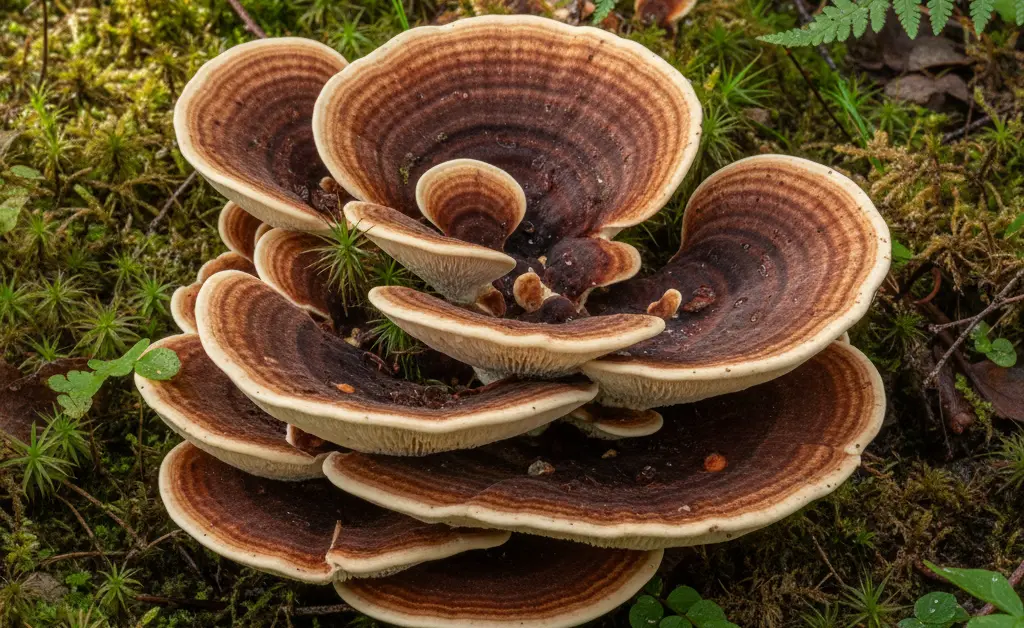
One of the most extensively researched turkey tail mushroom qualities is its capacity to support and modulate the immune system. The aforementioned PSK and PSP are key players in this regard, as they are recognized for their immunomodulatory effects. These compounds are believed to interact with various immune cells, supporting their normal function and contributing to a balanced immune response. This natural remedy has been traditionally used to bolster the body’s defenses, helping to maintain cell health and overall immune resilience. Regular inclusion of this mushroom in one’s wellness routine may contribute to a robust and well-functioning immune system.
Antioxidant Properties
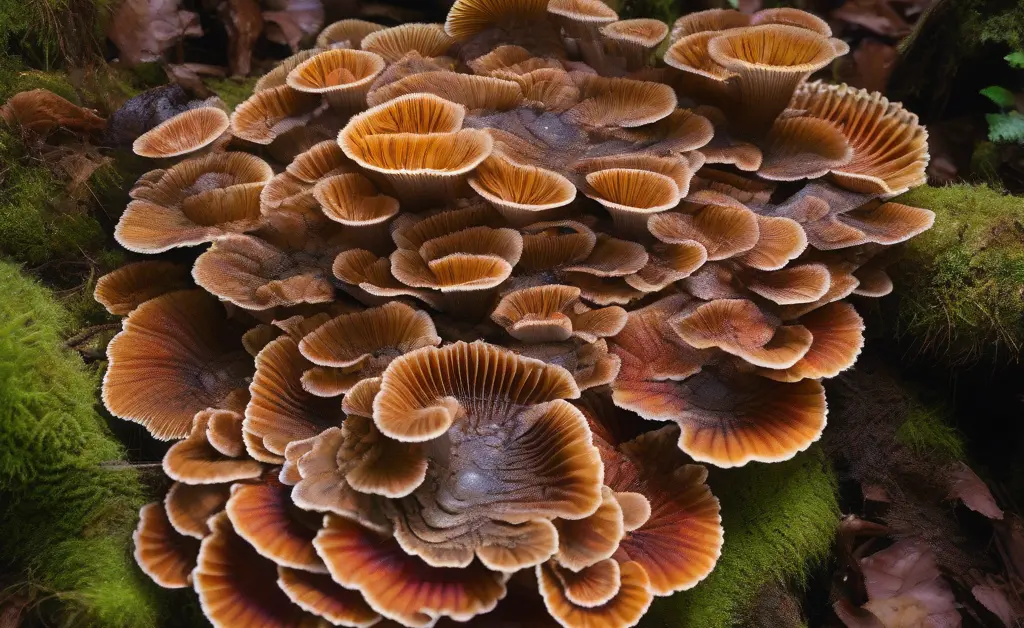
Beyond immune support, the turkey tail mushroom is also recognized for its significant antioxidant properties. Antioxidants are crucial compounds that help to protect the body’s cells from damage caused by free radicals and oxidative stress. The array of phytochemicals, phenols, and flavonoids found within this fungi contribute to its antioxidant capacity. These components work to neutralize harmful substances, thereby supporting overall cellular integrity. This aspect of turkey tail mushroom qualities is particularly relevant for maintaining general health and well-being, as oxidative stress is linked to various physiological challenges and inflammation.
Gut Microbiome Support
Emerging research highlights the potential of turkey tail mushroom to support a healthy gut microbiome. The polysaccharides and prebiotics present in the mushroom act as nourishment for beneficial gut bacteria. By fostering a balanced and diverse gut flora, turkey tail may indirectly support digestive health and nutrient absorption. A thriving gut microbiome is increasingly recognized as fundamental for overall health, influencing not only digestion but also immune function and mood. This makes turkey tail a valuable addition for those looking to enhance their gut health through natural means.
Energy and Anti-Fatigue Support

Many individuals seek natural ways to enhance energy and combat feelings of fatigue, and turkey tail mushroom may offer support in this area. As an adaptogen, it is believed to help the body manage stress and maintain physiological balance, which can indirectly contribute to improved stamina and vitality. While not an immediate stimulant, consistent use of this medicinal fungi may support the body’s natural energy production processes and contribute to a greater sense of well-being, helping to mitigate the effects of everyday stressors that can lead to fatigue.
Support for Specific Demographics (Female, Male, Skin)
The broad-spectrum properties of turkey tail mushroom suggest potential supportive roles for various demographic groups. For general well-being in both males and females, its immune-modulating and antioxidant effects may contribute to maintaining overall health. Regarding skin health, the mushroom’s antioxidant capacity can help protect skin cells from environmental stressors, potentially contributing to a healthier appearance. While not a targeted cosmetic ingredient, supporting internal wellness with compounds like those found in turkey tail can have holistic benefits that may reflect externally.
Urinary Tract Health Support
Traditional medicine systems have long incorporated turkey tail mushroom for its potential to support urinary tract health. While modern research is ongoing, the bioactive compounds within the mushroom are believed to contribute to a healthy internal environment, which is conducive to maintaining the integrity of the urinary system. The turkey tail mushroom qualities that support immune function may also indirectly assist the body in its natural defenses against common issues affecting the urinary tract, promoting comfort and normal function. It is considered a traditional herbal medicine for general wellness in this area.
Muscle Strength and Recovery Potential
For individuals engaged in physical activity, the potential for muscle strength and recovery is often a key concern. While turkey tail mushroom is not a direct muscle builder, its adaptogenic and anti-inflammatory properties may indirectly play a role in supporting the body’s recovery processes. By helping the body manage stress and inflammation that can arise from strenuous exercise, it may contribute to a more efficient recovery period. This support can be valuable for athletes and active individuals seeking to optimize their physical well-being and performance.
Beyond the Basics: Unique Benefits and Usage Ideas
Beyond the primary health benefits, the continued study of turkey tail mushroom continues to reveal other unique properties and potential applications. Its rich profile of glycoproteins and enzymes points to a complex interaction with human physiology that is still being fully understood. For those interested in incorporating this fungi into their daily routine, it is widely available in various forms, including powdered supplements, capsules, and extracts. It can be easily added to smoothies, teas, or other beverages. Some even explore Turkey Tail Mushroom Recipes for human consumption, integrating the powdered form into various dishes. When considering Turkey Tail Mushroom for Human Consumption, opting for organic, high-quality products, often derived from the fruiting body or mycelium, is a common practice.
The turkey tail mushroom stands as a testament to the powerful natural resources found in the fungal kingdom. Its well-documented properties, particularly in immune modulation and antioxidant support, along with its traditional use, underscore its value as a significant health supplement. The typical turkey tail mushroom size can vary, but it often grows as small, fan-shaped shelves. As research continues to unfold, our understanding of this remarkable mushroom’s full potential for human wellness continues to grow, offering promising avenues for natural health support.
This article aims to inform, not to replace professional healthcare advice. It is intended for general knowledge and informational purposes only, and does not constitute medical advice. Always seek the advice of a qualified healthcare professional for any questions you may have regarding a medical condition or before making any decisions about your health or treatment.
FAQ
— What are the main benefits of turkey tail mushroom?
Turkey tail mushroom is primarily recognized for its support of immune system function, containing compounds like polysaccharopeptides. These unique compounds are studied for their potential to modulate immune responses. Additionally, it contains various antioxidants that help protect cells from oxidative stress.
— What is turkey tail mushroom good for?
The comprehensive turkey tail mushroom qualities are often explored for their capacity to support various aspects of health. It is particularly known for containing beneficial polysaccharides that are relevant to maintaining cellular balance. This makes it a popular ingredient in natural wellness practices aimed at promoting overall well-being.
— Is turkey tail mushroom beneficial for the immune system?
Yes, turkey tail mushroom is widely recognized for its immune-supporting properties, largely due to its unique polysaccharide content. Specifically, compounds like PSK and PSP are extensively studied for their ability to interact with immune cells. This interaction helps to modulate and balance the body’s natural defenses.
— Does turkey tail mushroom have anti-inflammatory properties?
Research indicates that turkey tail mushroom contains compounds that play a role in supporting a balanced inflammatory response in the body. Its complex array of antioxidants and polysaccharides are linked to modulating cellular signaling pathways. This contributes to the body’s ability to maintain healthy inflammatory processes.
— Can turkey tail mushroom improve gut health?
Turkey tail mushroom contains prebiotics, which are non-digestible fibers that can nourish beneficial gut bacteria. These specific fibers help to support a diverse and thriving microbiome, which is foundational for digestive balance. Maintaining a healthy gut environment is relevant to overall wellness and nutrient absorption.