
Have you ever foraged for mushrooms and felt a flicker of uncertainty about your find? For many enthusiasts, the prized morel is the ultimate reward, but this culinary delight comes with a critical responsibility: accurate identification. While a true morel mushroom edible species is a celebrated delicacy, the woods are also home to convincing look-alikes that can be dangerous. Knowing the difference between a true morel and a toxic imposter is a non-negotiable skill for any forager. This guide provides the essential details, from key physical characteristics to safe preparation methods, to help you confidently navigate your search and enjoy your harvest securely.
Identifying Edible Morel Mushrooms
Positive morel mushroom identification is the first and most critical step for any forager. True morels belong to the genus Morchella and are distinguished by a few non-negotiable characteristics. Understanding these features is essential for differentiating them from potentially toxic look-alikes found in similar habitats. The ideal habitats for morel growth often include disturbed ground, areas around dying elm or ash trees, and old apple orchards, especially during their specific seasonal availability in the spring. Learning to spot these signs in the wild is a skill that develops with practice and careful observation. For more on morel mushroom identification, explore morel mushroom identification.
Key Characteristics of True Morels
The single most important identifier of a true morel is its interior structure. When sliced lengthwise from top to bottom, a true morel is completely hollow. This continuous hollow chamber extends from the very tip of the cap down through the entire stem. There should be no solid tissue, cottony fibers, or separate chambers inside. This hollow nature is a universal trait among all true morel species and is the primary test to confirm your find.
Distinguishing Features: Cap, Stem, and Pits
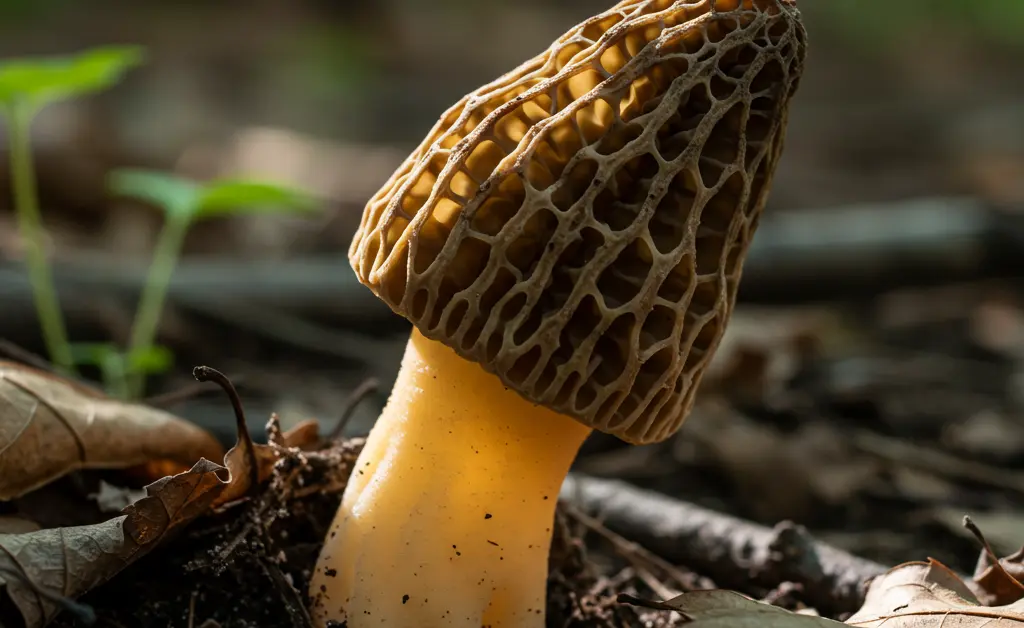
Beyond being hollow, several other features help confirm a morel’s identity. The cap, which can range from conical to more rounded, is intricately pitted and ridged, resembling a honeycomb or a natural sponge. These pits are deep and irregular, not uniform or brain-like wrinkles. Another crucial detail is the attachment of the morel cap to the stem. In true morels, the base of the cap is fused directly to the stem. It does not hang freely like a skirt or a bell. The morel stem is typically pale, cream-colored, or yellowish and is also hollow, forming one continuous cavity with the cap. Understanding these morel mushroom identification tips is crucial for safety.
Common Morel Species and Their Appearance
While there are many species, foragers most commonly encounter a few main types. Yellow morels (Morchella esculenta complex) are often large with a yellowish-tan cap and are frequently found near hardwoods. Black morels (Morchella elata complex) tend to appear earlier in the season, often in coniferous forests or recently burned areas, and have a darker, grayish-brown to black cap. The half-free morel (Morchella punctipes) is an exception to the attachment rule; its cap is attached at the top but the lower half hangs free. However, it is still completely hollow inside, which remains the definitive test for a true morel mushroom edible variety. Learn about different morel mushroom types and their unique characteristics.
Edible Morel Mushroom Look-Alikes to Avoid
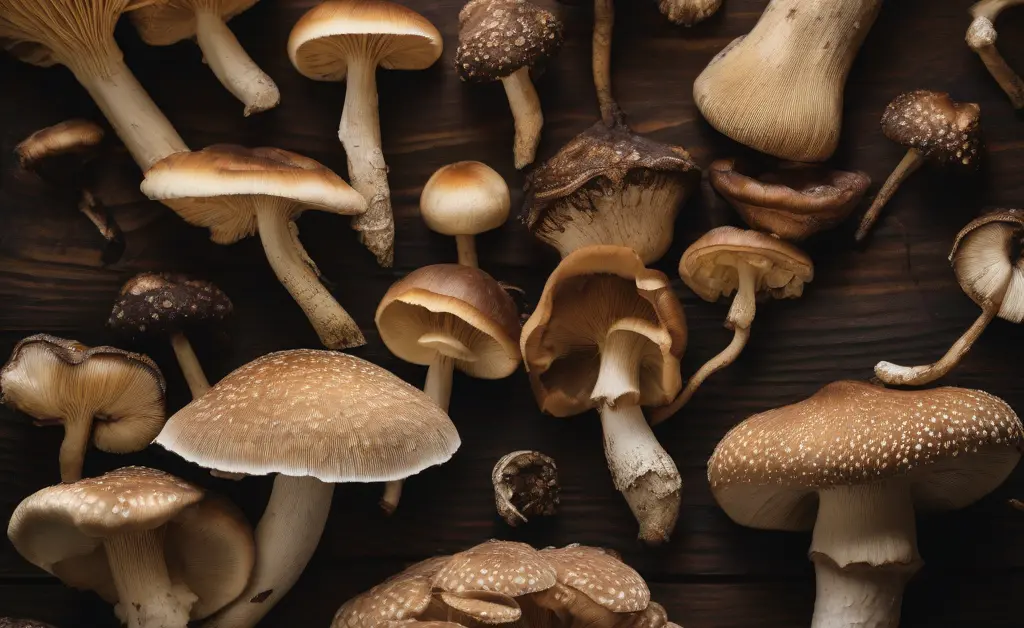
The world of fungi is complex, and several species mimic the appearance of morels. These look-alikes can range from unpalatable to dangerously toxic, making accurate identification a matter of safety. The most notorious imposters are known as “false morels,” but other fungi can also cause confusion for inexperienced foragers. Learning to recognize these imposters is just as important as knowing the features of a true morel.
False Morels: Identifying Dangerous Imposters
The most dangerous look-alikes belong to the genus Gyromitra, commonly called false morels. Unlike the pitted and hollow cap of a true morel, a false morel’s cap is wavy, lobed, or brain-like. Its color is often a reddish-brown or purplish-red. The most critical difference is revealed when you slice it open: a false morel is not hollow. Instead, its interior is filled with cottony fibers, tissue, or a series of chambers. Unlike a true morel mushroom edible species, these fungi may contain compounds that can be toxic, even after cooking.
Non-Edible Fungi Mistaken for Morels
Other fungi can also be mistaken for morels, particularly the Verpas, also known as “early morels” or “thimble caps.” The most common species, Verpa bohemica, has a wrinkled cap that looks somewhat similar to a morel. However, its cap hangs completely free from the stem, attached only at the very top, like a thimble placed on a finger. When sliced, you will see the separate cap and stem structures. While not as dangerous as Gyromitra species, Verpas can cause gastrointestinal upset in some individuals and are best avoided.
What to Do if You Suspect a False Morel
The cardinal rule of mushroom foraging is: when in doubt, throw it out. If you have any uncertainty about the identity of a mushroom, do not consume it. Do not attempt to “test” a small piece, as even a small amount of a toxic mushroom can cause severe illness. If you are trying to learn, take clear photographs of the mushroom from multiple angles, including a cross-section, and consult a local mycological society or a trusted, experienced forager for identification assistance. Examining morel mushroom under microscope can provide further identification details.
Safe Preparation and Cooking of Morel Mushrooms
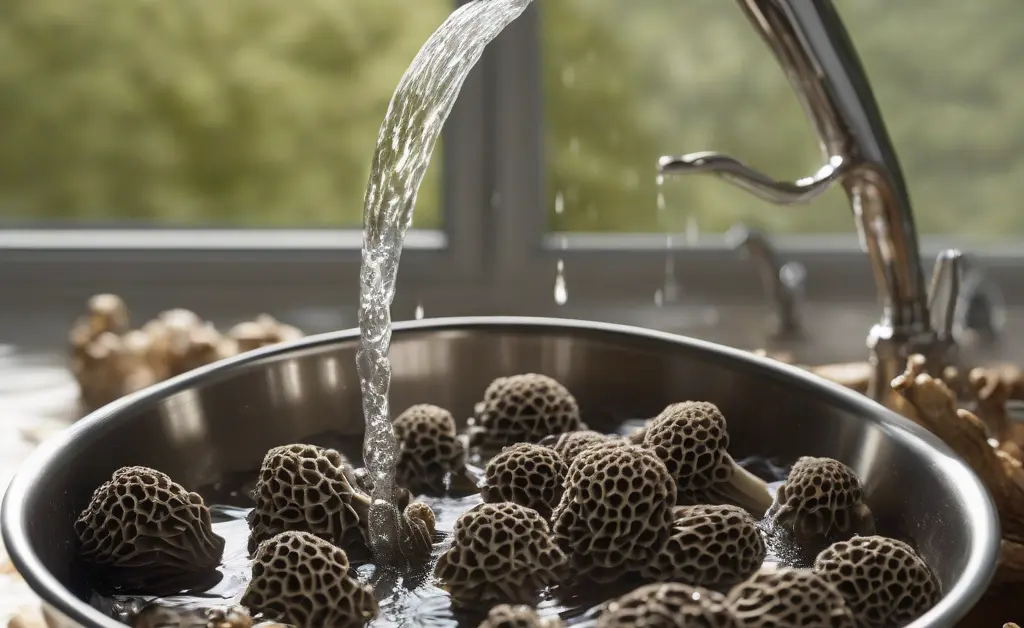
Even after you have confidently identified a true morel, proper handling and preparation are necessary to enjoy it safely. Morels should never be consumed raw. The cooking process is not just about enhancing flavor; it is a critical step that neutralizes compounds in the mushroom that can cause adverse reactions. From cleaning to cooking, following the right steps ensures your culinary experience is both delicious and safe.
Why Thorough Cooking is Essential
All true morels contain small amounts of compounds that can cause stomach cramps and other gastrointestinal issues if eaten raw or undercooked. The heat from thorough cooking breaks down these substances, rendering them harmless. This is why you will never see raw morels served in restaurants. Even a perfectly identified morel mushroom edible variety must be fully cooked to be considered safe for consumption. Sautéing, frying, or roasting until the mushroom is tender and cooked through is standard practice.
Cleaning and Preparing Your Morel Harvest
Morels are known for their intricate pits, which can easily trap dirt, debris, and small insects. Cleaning them properly is the first step. Many foragers prefer to use a soft brush to gently remove any visible dirt. It is also wise to slice each morel in half vertically. This serves two purposes: it confirms the mushroom is hollow, reinforcing your identification, and it allows you to check for and remove any insects hiding inside. A quick rinse under cool water is acceptable, but avoid soaking them, as they will absorb water and become soggy, diluting their prized flavor.
Recommended Cooking Methods and Recipes
The rich, nutty, and earthy flavor of morels is best highlighted with simple cooking methods. Sautéing in butter with a touch of garlic, shallots, and fresh herbs like thyme or parsley is a classic approach. These cooked morels are fantastic on their own, served over toast, or added to pasta dishes and creamy sauces. They also pair wonderfully with steak, chicken, and eggs. Because of their robust texture, they hold up well to roasting and can be incorporated into savory tarts and gratins.
Potential Risks of Undercooked Morels
Consuming undercooked or raw morels can lead to a range of unpleasant symptoms. Individuals may experience gastrointestinal distress, including nausea, vomiting, and cramping. While these reactions are typically not life-threatening, they are highly uncomfortable and entirely avoidable. To prevent this, ensure that mushrooms are cooked until they are tender and have released much of their moisture. Never assume a quick flash-fry is sufficient; they require sustained heat to be made safe.
Nutritional Benefits and Culinary Uses of Morels
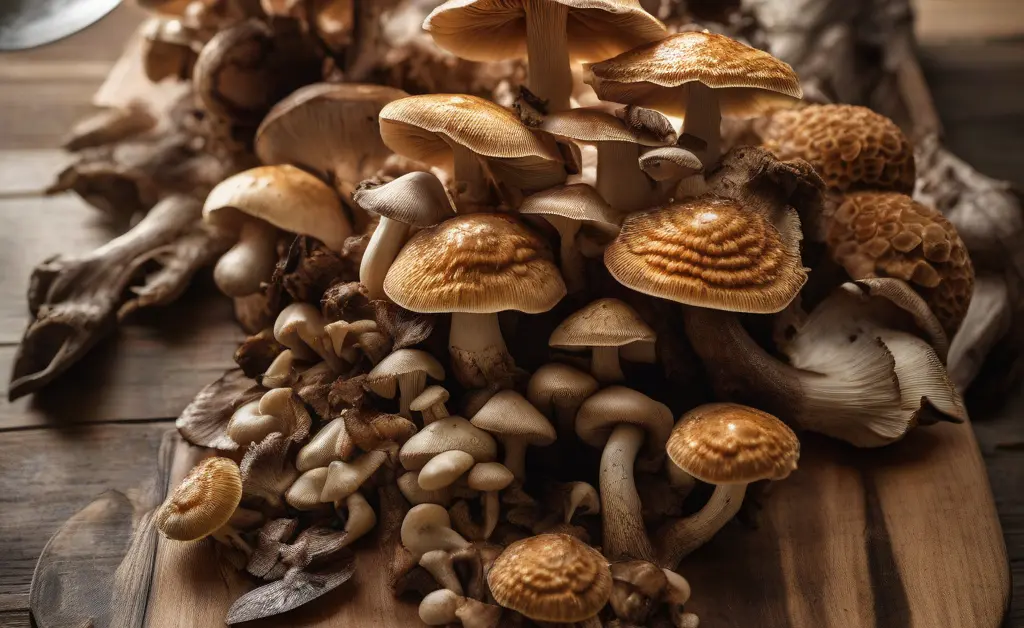
Beyond their gourmet status and unique flavor, morels offer a surprising array of nutritional benefits. They are more than just a fleeting seasonal treat; they can be a worthwhile addition to a balanced diet when prepared correctly. Their distinctive taste and meaty texture make them one of the most versatile and sought-after wild mushrooms in the culinary world, capable of elevating a simple dish into something extraordinary.
The Health Benefits of Eating Morels
Morels are a good source of several important nutrients. They are notably rich in minerals such as iron, copper, manganese, and zinc. They also provide a significant amount of vitamin D, especially if they have been exposed to sunlight. Furthermore, morels contain antioxidants, which are beneficial compounds that help protect the body’s cells. Incorporating a properly cooked morel mushroom edible variety into your meals can be a delicious way to consume these valuable nutrients.
Flavor Profile and Culinary Applications
The flavor of a morel is complex and difficult to replicate, often described as a deep, earthy, nutty, and slightly smoky taste. This unique profile makes them a favorite of chefs and food lovers. Their texture is also noteworthy; it’s firm and meaty, not slimy or soft like some other mushrooms. This allows them to be the star ingredient in a wide range of morel mushroom recipes, from rich cream sauces for pasta to simple sautés that accompany grilled meats or fish.
Incorporating Morels into Your Diet
Fresh morels are a springtime delicacy, but their enjoyment doesn’t have to end when the season is over. Morels are one of the best mushrooms for drying. The drying process concentrates their flavor, making them even more potent and aromatic. Dried morels can be stored for long periods and rehydrated in warm water or broth before use. The flavorful liquid used for rehydration should be strained and saved, as it makes an excellent base for soups, stocks, and sauces.
Ultimately, the pursuit of morels is a rewarding journey that connects you with nature’s cycles. The key to a successful and safe experience lies in diligent identification, respect for the fungus, and proper preparation. By learning to distinguish true morels from their dangerous look-alikes, understanding the absolute necessity of thorough cooking, and handling your harvest with care, you can confidently transform your foraged finds into a truly memorable meal. Always prioritize safety, and when in doubt, seek expert advice. For information on food safety from a governmental perspective, consult the CDC.
This information should be viewed as educational rather than medical advice. The content in this article is for informational purposes only and is not a substitute for professional guidance from a trained mycologist or healthcare provider. Misidentification of wild mushrooms can lead to severe poisoning or death. Never consume a wild mushroom unless you are 100% certain of its identity. Consult a medical professional for any health-related concerns.
FAQ
How can you tell if a morel mushroom is edible?
True morel mushrooms are edible and can be identified by their distinct honeycomb-like cap structure with pits and ridges, and a hollow interior. Experienced foragers emphasize meticulous identification, as misidentification can lead to consuming toxic look-alikes. Always be 100% certain of a mushroom’s identity before considering it for consumption.
What do poisonous morel mushrooms look like?
Poisonous look-alikes, often referred to as false morels, typically have a brain-like or lumpy cap rather than a distinctly pitted and ridged structure. Unlike true morels, their caps are often attached to the stem all the way around, and their interior is usually chambered or filled with cottony material, not hollow. Their coloration can also differ, sometimes presenting with reddish or brownish hues.
Are all morel mushrooms edible?
No, not all mushrooms resembling morels are edible, and some can be quite poisonous. While true morels are generally considered safe to eat when properly identified and cooked, several species of false morels exist which can cause severe gastrointestinal distress or other adverse reactions. Absolute certainty in identification is paramount before any morel mushroom edible is considered for consumption.
Can you eat morels raw?
It is not recommended to eat morel mushrooms raw, as they contain small amounts of toxins that can cause digestive upset. Cooking morels thoroughly, typically by sautéing or simmering, neutralizes these compounds and makes them safe for consumption. Proper preparation is key to enjoying their unique flavor and texture without ill effects.
What is the difference between a true morel and a false morel?
The primary distinctions lie in the cap’s structure and the mushroom’s internal cavity. True morels have caps that are distinctly pitted and ridged, resembling a honeycomb, and their entire interior is hollow from cap to stem. False morels often have caps that are more convoluted, brain-like, or lumpy, and their interiors are typically chambered or filled with a cottony substance. Additionally, false morels are often attached to their stems higher up, whereas true morels are attached near the base.