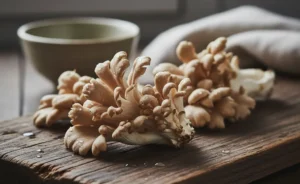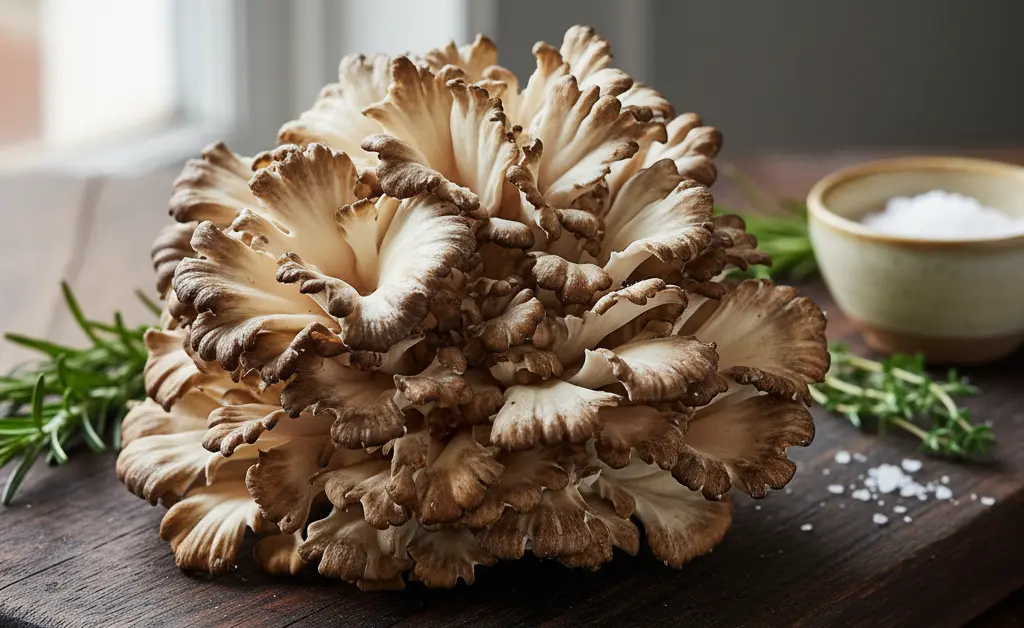
In an age where many individuals seek holistic approaches to health and well-being, exploring natural remedies has become a compelling pursuit. For those aiming to support their body’s inherent functions through dietary supplements or functional foods, understanding the specific properties of various botanicals is crucial. Amidst a growing interest in mycotherapy, the maitake mushroom stands out as a subject of extensive research and traditional appreciation. This article delves into the diverse maitake mushroom medicinal uses, examining its historical significance, nutritional profile, and the scientific understanding of its contributions to overall health. We will explore how this remarkable fungus integrates into modern wellness routines, offering insights into its potential benefits and practical applications.
Exploring the Traditional Uses and General Benefits of Maitake
The maitake mushroom, also known as Grifola frondosa or “Hen of the Woods,” has a rich history of application in traditional medicine systems. Its reputation extends beyond culinary delight, encompassing a range of perceived benefits that have been valued for centuries. Understanding these traditional applications provides a foundational perspective on the contemporary interest in maitake mushroom medicinal uses.
Historical Significance in Traditional Eastern Practices
In traditional Eastern practices, particularly in Traditional Chinese Medicine and Japanese medicine, Maitake has been revered as an adaptogen and a functional food. Historical texts describe its use for promoting vitality and overall wellness. It was traditionally consumed not just for its unique flavor and texture, but for its observed contributions to maintaining balance within the body, a concept central to these ancient healing philosophies. Its historical significance underscores a long-standing appreciation for its potential health-supporting properties.
Supporting the Body’s Natural Defenses
One of the most widely recognized traditional and studied benefits of Maitake is its potential role in supporting the body’s natural defenses. This medicinal mushroom contains specific polysaccharides, notably beta-glucans, which are believed to interact with the immune system. Research suggests these compounds may contribute to immunomodulation, helping to maintain a healthy and responsive immune system. This makes Maitake a popular choice for those looking to support their body’s inherent protective mechanisms.
Role in Supporting General Cardiovascular Wellness
Maitake has also been traditionally associated with aspects of cardiovascular health. Modern scientific inquiry has explored its potential influence on factors related to heart function. Studies have investigated its possible role in maintaining healthy cholesterol levels already within a normal range and supporting blood pressure regulation. This has led to more specific research into using maitake mushroom for cholesterol management. By contributing to the maintenance of these key indicators, Maitake may play a supportive role in overall cardiovascular wellness.
Contribution to a Balanced Metabolic System
The support Maitake offers to a balanced metabolic system is another area of interest. Traditional uses hinted at its ability to help regulate various bodily processes, and contemporary research has focused on its potential impact on blood glucose management. Compounds found in Maitake may influence insulin sensitivity, thereby contributing to the maintenance of healthy metabolic function. The potential of maitake mushroom for blood sugar regulation is an active area of study. This makes it an intriguing subject for those focusing on metabolic health and its broader implications for well-being.
Supporting Skin Health and Appearance
While less commonly highlighted than its internal benefits, Maitake’s rich antioxidant content also suggests a role in supporting skin health and appearance. Antioxidants help protect body cells from oxidative stress, which can contribute to signs of aging and overall skin vitality. Incorporating functional foods rich in such compounds, like Maitake, may be part of a holistic approach to maintaining healthy, vibrant skin.
Key Nutritional Profile and Active Compounds
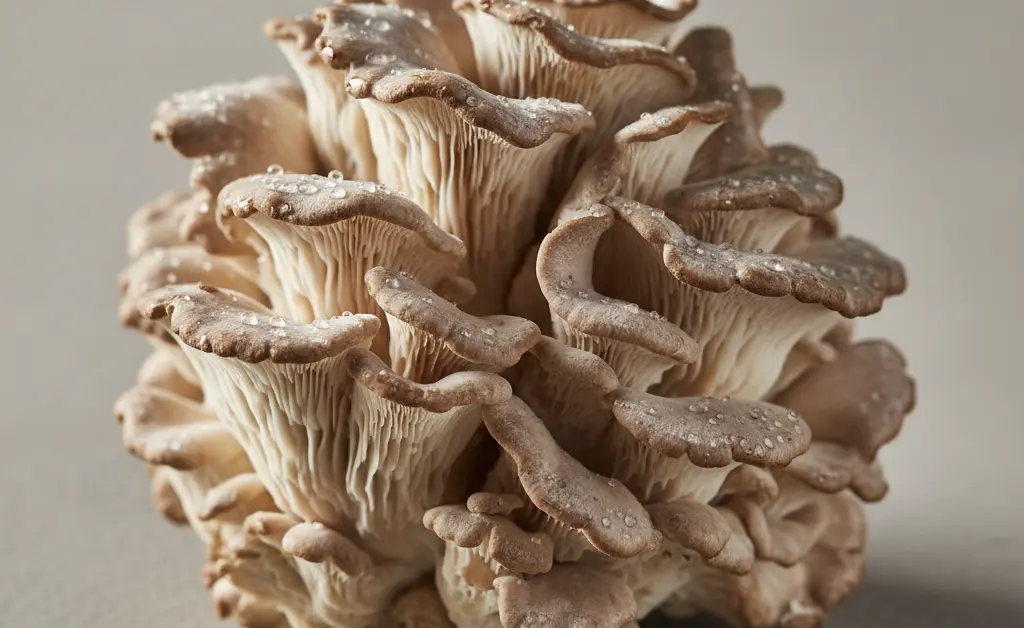
Beyond its traditional acclaim, the efficacy of Maitake is rooted in its impressive nutritional profile and the array of bioactive compounds it contains. This functional food is not only a source of essential vitamins and minerals but is particularly rich in specific compounds that are thought to be responsible for many of its health-supporting properties.
Maitake nutrition includes B vitamins, vitamin D (when exposed to UV light), and various minerals such as potassium, magnesium, and zinc. However, the true stars of its composition are its unique polysaccharides and glycoproteins. Among these, beta-glucans, particularly a fraction known as D-fraction, have garnered significant scientific attention. These complex carbohydrates are believed to be key modulators of immune function. Other bioactive compounds like ergothioneine, an antioxidant, also contribute to the mushroom’s overall health benefits.
Maitake in Wellness Routines for Different Lifestyles
Integrating Maitake into diverse wellness routines is becoming increasingly popular due to its versatile nature and wide range of potential applications. As an adaptogen, it is thought to help the body adapt to various stressors and maintain equilibrium, making it suitable for individuals navigating demanding lifestyles.
For athletes, its potential to support the immune system may be beneficial during periods of intense training. For those focused on maintaining general health, the comprehensive maitake mushroom medicinal uses align with a preventive wellness approach. Additionally, its metabolic-supporting properties have led to interest in using maitake mushroom for weight loss as part of a balanced diet and exercise plan. Whether incorporated into daily nutrition as a functional food or taken as a supplement, Maitake can complement regimens aimed at holistic well-being, from supporting metabolic balance to cardiovascular health.
Culinary and Supplemental Integration of Maitake
Maitake offers flexibility in how it can be incorporated into a health-conscious lifestyle, bridging the gap between a gourmet ingredient and a powerful supplement. Its distinctive earthy flavor and unique texture make it a valued addition to many culinary preparations.
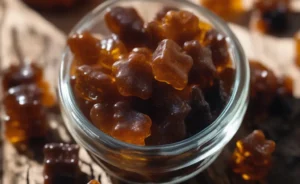
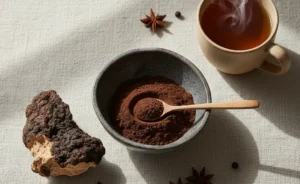
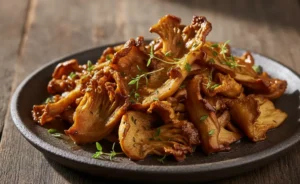
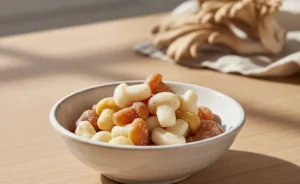
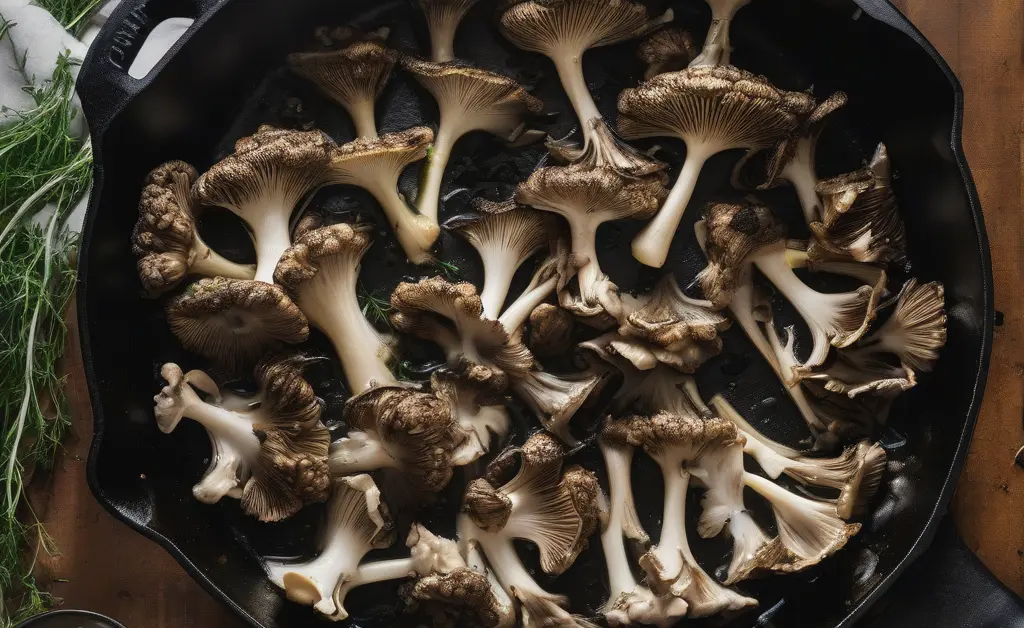
As a culinary ingredient, wild maitake mushrooms and cultivated varieties can be sautéed, roasted, or added to soups and stir-fries, enhancing meals with both taste and nutritional value. For those seeking a more concentrated approach to maitake mushroom medicinal uses, supplements are readily available. These often come in forms such as powders, capsules, tinctures, or extracts, providing a convenient way to integrate the mushroom’s bioactive compounds into a daily routine. These supplemental forms allow for consistent intake, bypassing the need for daily culinary preparation while still delivering the mushroom’s beneficial properties.
General Safety Profile and Considerations for Use

Maitake is generally considered safe for consumption, especially when used in culinary amounts. While specific guidance on functional mushrooms is evolving, health agencies like the CDC provide broad recommendations on food safety and dietary supplements. However, as with any natural product or supplement, understanding its general safety profile and considering potential interactions is important for informed use. Most individuals experience no adverse effects when consuming Maitake.
Some individuals may experience mild digestive upset, such as bloating or gas, particularly when first introducing the mushroom into their diet. As a functional food with active compounds, it is also prudent to consider potential interactions with medications, especially those affecting blood sugar, blood pressure, or immune function. Individuals with known allergies to mushrooms should exercise caution. Consulting with a healthcare professional before incorporating new supplements into one’s regimen, particularly for those with pre-existing health conditions or who are taking prescription medications, is always advisable to ensure it aligns with individual health needs and to discuss any specific concerns regarding maitake mushroom medicinal uses.
The maitake mushroom stands as a compelling example of a natural resource with a rich history in traditional medicine, now attracting significant scientific interest. Its diverse array of compounds contributes to a broad spectrum of maitake mushroom medicinal uses, from supporting the immune system and cardiovascular health to aiding metabolic balance and general vitality. As research continues to unfold, Maitake remains a valuable functional food and supplement for those seeking to enhance their well-being through natural means.
This information is provided for educational purposes only. It is not intended to be a substitute for professional medical advice, diagnosis, or treatment. Always seek the advice of your physician or other qualified health provider with any questions you may have regarding a medical condition. Never disregard professional medical advice or delay in seeking it because of something you have read here.
FAQ
— What are the traditional wellness uses of maitake mushrooms?
In traditional Japanese and Chinese wellness practices, maitake was highly valued for promoting vitality and was used to help the body adapt to various stressors. Its historical reputation is rooted in its use for supporting a healthy immune response and maintaining overall balance within the body’s systems. This mushroom, known as the “dancing mushroom,” has been a staple in these cultural traditions for centuries.
— How does maitake fit into a diet focused on overall wellness?
Maitake mushrooms are a nutrient-dense food, providing B vitamins, minerals, and dietary fiber that contribute to a balanced diet. Their inclusion supports general wellness by offering beneficial compounds that are not always abundant in other foods. As a low-calorie option, they also add unique flavor and nutritional value to a variety of meals.
— In what ways is maitake believed to support the body’s natural defense systems?
Maitake contains powerful polysaccharides, particularly beta-glucans, which are known to interact with and modulate key cells of the immune system. These compounds support the body’s innate and adaptive immune responses, helping to maintain a balanced and effective defense network. The specific composition of these beta-glucans is a primary focus when exploring maitake mushroom medicinal uses for supporting immune function.
— What is the general understanding of maitake’s role in metabolic health?
Maitake’s relevance to metabolic health is linked to its unique compounds that have been studied for their influence on glucose metabolism and insulin sensitivity. Research has explored how these components support the body’s natural processes for maintaining healthy blood sugar levels already within a normal range. This function is an important aspect of its role in promoting overall metabolic balance.
— What’s the difference between wild and cultivated maitake mushrooms?
Wild maitake grows naturally, and its chemical profile can vary significantly based on its environment, substrate, and age. Cultivated maitake is grown in controlled conditions, which allows for greater consistency in its nutritional content and concentration of active compounds. This controlled cultivation also ensures the mushroom is free from environmental contaminants that can be present in the wild.