
Maitake mushrooms, scientifically known as Grifola frondosa, have long been a staple in traditional Eastern medicine and cuisine, prized for their unique flavor and purported health benefits. Beyond their culinary appeal, modern scientific inquiry is increasingly exploring their potential pharmacological properties, particularly concerning metabolic health and body weight management. This article delves into the current research surrounding maitake mushroom for weight loss, examining how its bioactive compounds, such as beta-glucans, may influence fat metabolism, satiety, and overall energy balance. We will explore the nutritional composition of maitake, its various culinary applications, and the considerations when choosing between whole mushrooms and supplements, providing a comprehensive overview for those interested in incorporating this fascinating fungus into a health-conscious lifestyle.
An Overview of Maitake and Metabolism
Maitake, often referred to as “hen of the woods” due to its ruffled, clustered appearance, is a popular functional mushroom with a rich history in traditional medicine. Modern research is increasingly focusing on its adaptogenic properties and its potential role in supporting a healthy metabolism. While many benefits are universal, specific maitake mushroom benefits for men are also being explored. The intricate blend of bioactive compounds found within maitake suggests it may influence various physiological pathways involved in energy regulation and fat metabolism, making it a subject of interest for those exploring natural approaches to weight management. While not a magic bullet, understanding the mechanisms by which maitake could contribute to metabolic wellness provides valuable insight into its potential role as a complementary dietary addition for maitake mushroom for weight loss efforts.
Understanding Polysaccharides like Beta-Glucans
One of the most well-studied components of maitake mushrooms is their rich content of polysaccharides, particularly beta-glucans. These complex carbohydrates are known for their immune support properties and are also being investigated for their influence on metabolic processes, as noted in studies indexed by resources like the NLM. Specific beta-glucans found in maitake, such as the D-fraction, have been studied for their potential to support blood glucose levels and improve insulin sensitivity. By potentially moderating these aspects of metabolic function, these powerful compounds may play a role in how the body processes fats and sugars, thereby contributing to overall energy balance and potentially impacting body composition.
The Nutritional Profile of Maitake Mushrooms
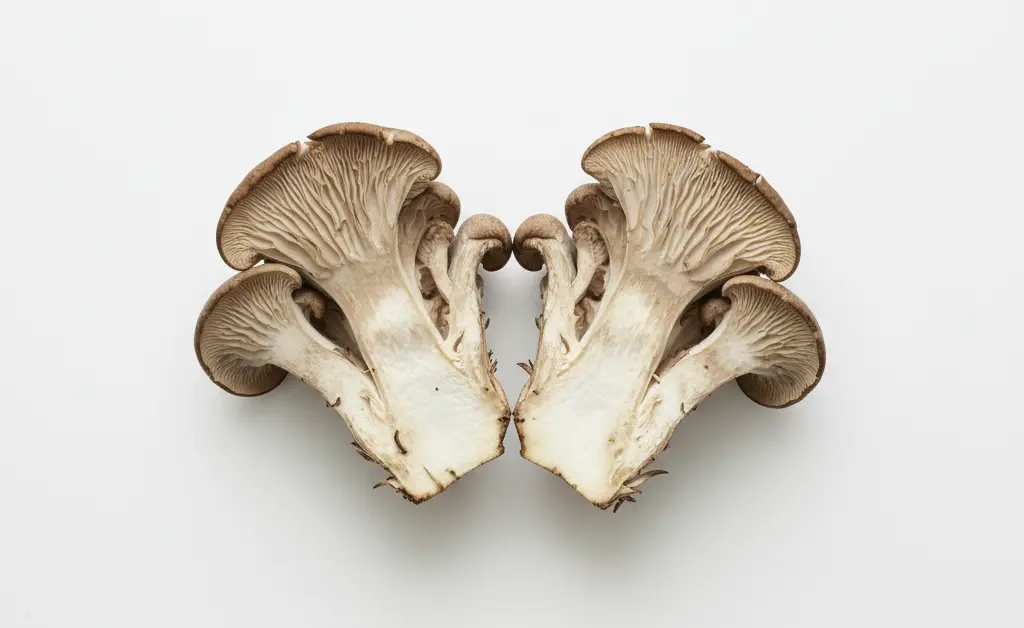
Maitake mushrooms offer a compelling nutritional profile that goes beyond their unique flavor. They are notably low in calories and fat, yet provide a good source of maitake mushroom protein and essential vitamins and minerals, including B vitamins (niacin, riboflavin, folate) and minerals like potassium, phosphorus, and magnesium. This combination makes them a nutrient-dense food choice that can easily fit into various dietary plans aimed at weight management. Their nutritional richness supports overall body function, which is crucial for maintaining a healthy and efficient metabolism. The rich array of nutrients and antioxidants also contributes to potential maitake mushroom benefits for skin, helping to maintain its health and appearance.
Impact of Fiber Content on Satiety
An often-overlooked aspect of maitake’s nutritional benefits is its substantial dietary fiber content. Fiber is a critical component of a healthy diet, particularly for those focused on managing their weight. When consumed, fiber expands in the digestive tract, contributing to a feeling of fullness and satiety, which can naturally lead to reduced overall calorie intake. This sense of being satisfied after meals can help prevent overeating and snacking between meals, thereby supporting weight management goals. Beyond satiety, dietary fiber also plays a vital role in promoting healthy digestion and maintaining a balanced gut microbiome.
The Role of Antioxidants in Cellular Health
Maitake mushrooms are also a source of various antioxidants, compounds that help protect the body’s cells from damage caused by free radicals. Oxidative stress, an imbalance between free radicals and antioxidants, can contribute to cellular dysfunction and may negatively impact metabolic health. By providing antioxidants, maitake supports cellular health, ensuring that cells, including those involved in energy production and fat metabolism, can function optimally. This cellular protection extends to the nervous system, where the potential maitake mushroom benefits for brain health include supporting cognitive function. Maintaining robust cellular health is a foundational aspect of a well-functioning metabolism, contributing to overall wellness and potentially aiding in maintaining a healthy body weight.
Culinary Uses of Maitake for a Balanced Diet
Incorporating fresh maitake mushrooms into your diet is a delicious and versatile way to enjoy their potential health benefits. Known for their earthy, rich, and umami flavor, these “hen of the woods” mushrooms can enhance a wide array of dishes. Their unique texture and taste make them a fantastic addition to meals, providing a low-calorie yet satisfying component that can contribute to a balanced diet aimed at weight management. Regular consumption of whole foods like maitake can help diversify nutrient intake and add valuable dietary fiber, making it an excellent choice for those considering maitake mushroom for weight loss as part of a holistic approach.
Simple Maitake Recipes for Everyday Meals
Maitake mushrooms are incredibly versatile and can be used in numerous everyday meals. They can be sautéed with garlic and herbs as a simple side dish, roasted until crispy to add texture to salads, or stir-fried with vegetables and lean protein for a wholesome main course. Their robust flavor also makes them an excellent addition to soups, stews, and omelets. For a unique flavor experience, sliced maitake can be grilled or pan-fried until golden brown, serving as a hearty meat substitute or a flavorful topping for whole-grain toast. Their ability to absorb flavors makes them a chef’s delight, effortlessly elevating simple preparations.
Choosing Between Maitake Supplements and Whole Mushrooms
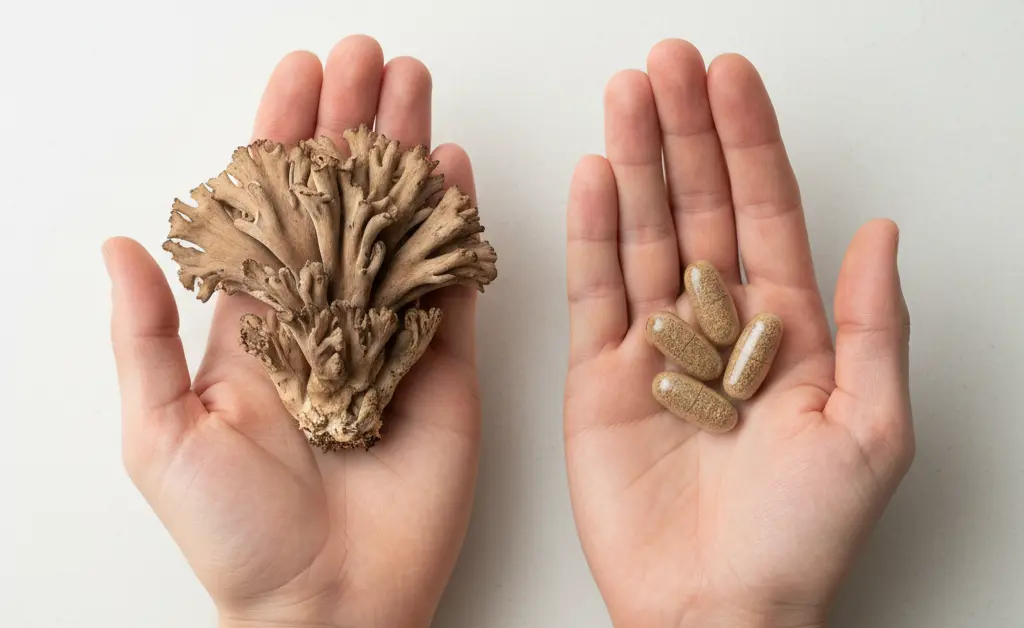
When considering maitake for its potential health benefits, individuals often weigh the options between consuming whole, fresh maitake mushrooms and taking maitake mushroom supplements, such as maitake extract, maitake powder, or maitake capsules. Whole mushrooms offer the full spectrum of nutrients, including fiber, vitamins, and minerals, along with their bioactive compounds in their natural matrix. Supplements, on the other hand, can provide a more concentrated dose of specific active compounds, like D-fraction beta-glucans, which might be beneficial for targeted wellness goals. Both forms can contribute to a wellness routine and offer metabolic support, making the choice dependent on individual preferences, dietary habits, and specific health objectives, particularly if focusing on maitake mushroom for weight loss.
How to Identify Quality Maitake Products
Whether opting for fresh maitake or a supplement, identifying quality products is crucial to ensure you are receiving the intended benefits. For fresh maitake, look for organic maitake that appears firm, with distinct, layered caps and no signs of sliminess or decay. The mushroom should have an earthy aroma. When choosing a maitake mushroom supplement, it is important to select reputable brands that provide transparency regarding their sourcing and manufacturing processes. Look for products that specify the concentration of active compounds, such as beta-glucans or D-fraction. Third-party testing for purity and potency can also indicate a high-quality product, ensuring you are getting a reliable herbal supplement that aligns with your health and wellness goals.
Potential Side Effects and General Safety Information
Maitake mushrooms are generally considered safe for most individuals when consumed as food or as a dietary supplement. However, like with any food or herbal supplement, some individuals may experience mild side effects. These can occasionally include gastrointestinal discomfort such as bloating, gas, or diarrhea, particularly when first introducing maitake into the diet or consuming larger quantities. While serious side effects are rare, it is always prudent to start with smaller amounts to assess individual tolerance. For those considering maitake mushroom for weight loss, or if you have existing health conditions, are pregnant or breastfeeding, or are taking medications (especially those affecting blood sugar or blood clotting), it is highly advisable to consult with a healthcare professional before incorporating maitake supplements into your routine to ensure it is appropriate for your specific circumstances.
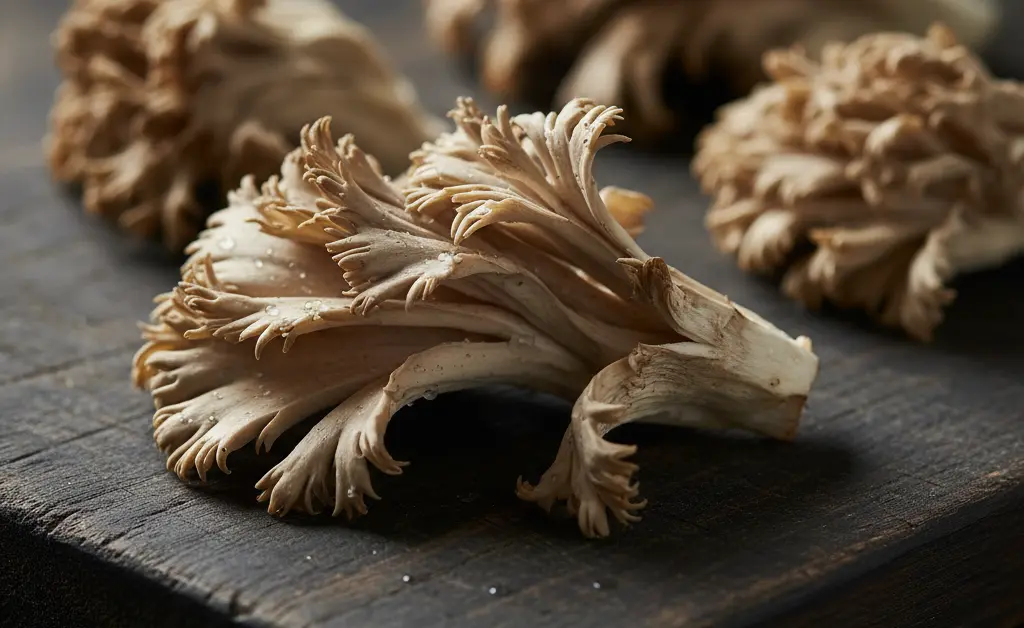
Maitake mushrooms present a fascinating area of study for their potential role in supporting metabolic health and contributing to weight management. Its rich nutritional profile, fiber content, and unique polysaccharides like beta-glucans offer multiple avenues through which it may influence satiety, blood sugar regulation, and fat metabolism. While research is ongoing and more human studies are needed, incorporating maitake into a balanced diet, whether through whole mushrooms or quality supplements, could be a beneficial addition for those exploring natural approaches to a healthy lifestyle. Its adaptogenic properties and contributions to cellular health further underscore its potential as a valuable functional food for overall wellness, which may naturally support efforts for maitake mushroom for weight loss.
Disclaimer: This article is for informational purposes only and does not constitute medical advice. The information provided is not intended to diagnose, treat, cure, or prevent any disease. Always consult with a qualified healthcare professional before making any dietary changes, starting any new supplement, or if you have any medical conditions or concerns. Individual results may vary.
FAQ
— What is the nutritional role of maitake in a diet focused on metabolic wellness?
Maitake mushrooms are a nutrient-dense, low-calorie food rich in fiber, particularly beta-glucans. These complex carbohydrates contribute to feelings of satiety and are linked to the support of healthy blood sugar levels already within the normal range. The connection between these compounds and metabolic function is why the topic of maitake mushroom for weight loss is an area of ongoing scientific interest.
— What does maitake mushroom taste like?
Maitake has a rich, earthy, and savory flavor profile with a distinct peppery finish. Its texture is uniquely firm yet feathery, becoming wonderfully succulent when cooked. This combination of umami taste and satisfying texture makes it a prized culinary ingredient.
— How can I incorporate maitake mushrooms into my meals?
Their robust flavor and texture hold up well to various cooking methods like roasting, grilling, and sautéing. Maitake can be added to stir-fries, risottos, and pasta dishes, or used as the centerpiece of a meal. They also provide a rich, umami depth to broths and soups.
— Is maitake the same as the ‘Hen of the Woods’ mushroom?
Yes, ‘Hen of the Woods’ is the common name for the maitake mushroom (*Grifola frondosa*). It earned this name because its large, ruffled clusters resemble the fluffed tail feathers of a nesting hen.
— Where does the maitake mushroom traditionally grow?
The maitake mushroom is native to the hardwood forests of northeastern Japan, China, and North America. In the wild, it grows in clusters at the base of trees, particularly old oak trees. This natural habitat contributes to its distinct earthy characteristics.