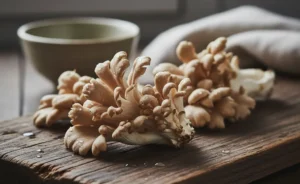

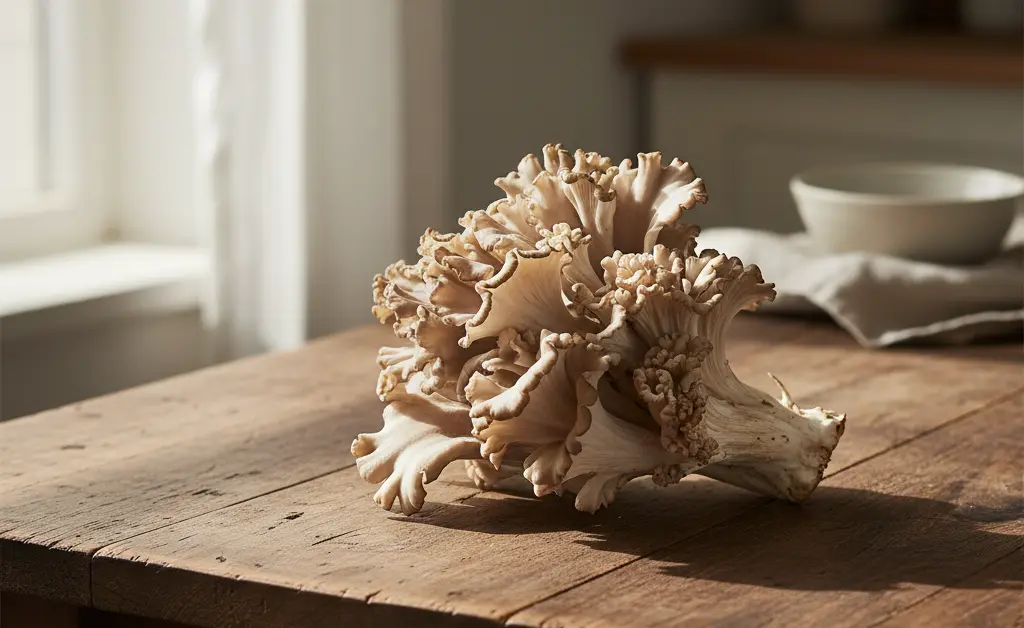
Prostate health is a significant concern for many men, especially as they age. While conventional treatments are well-established, there’s increasing interest in complementary approaches, including dietary supplements and functional foods. Among these, certain mushrooms have garnered attention for their potential therapeutic properties. The maitake mushroom, scientifically known as Grifola frondosa, has long been valued in traditional medicine for its adaptogenic qualities and broad health benefits. Recent scientific inquiry has begun to investigate the specific compounds within maitake and their potential impact on various physiological systems. This article will delve into the current understanding of maitake mushroom for prostate health, exploring its active components, proposed mechanisms of action, and practical considerations for its incorporation into a wellness regimen. We will also examine its historical use and compare it with other fungal allies in supporting male wellness.
Maitake Mushroom for Prostate Health: An Overview
The maitake mushroom, known botanically as Grifola frondosa, is a celebrated functional food that has been incorporated into various wellness practices for centuries. Its rich profile of bioactive compounds makes it a subject of considerable scientific interest, particularly regarding its potential impact on cellular health and immune system support. For those exploring natural approaches to men’s health, understanding the unique properties of maitake can be insightful. The overall maitake mushroom benefits extend beyond just prostate health, contributing to general well-being. Research on maitake mushroom for prostate health often centers on its adaptogenic properties, which may help the body adapt to various stressors and maintain equilibrium, potentially benefiting the prostate gland.
Historical Perspectives on Maitake and Male Wellness
In traditional Eastern medicine, maitake has a long-standing reputation as a longevity-promoting fungus. Its adaptogenic properties were valued for their perceived ability to enhance vitality and overall well-being. While specific historical texts may not explicitly detail its use solely for the prostate, its general application for supporting immune function, metabolism, and energy levels suggests an overarching role in holistic men’s wellness. Traditional practitioners often recommended maitake to support the body’s natural resilience, contributing to a broader sense of health that could indirectly influence organ systems like the prostate. This historical context lays the groundwork for understanding the broader maitake mushroom benefits for men.
The Science Behind Maitake Mushroom’s Benefits
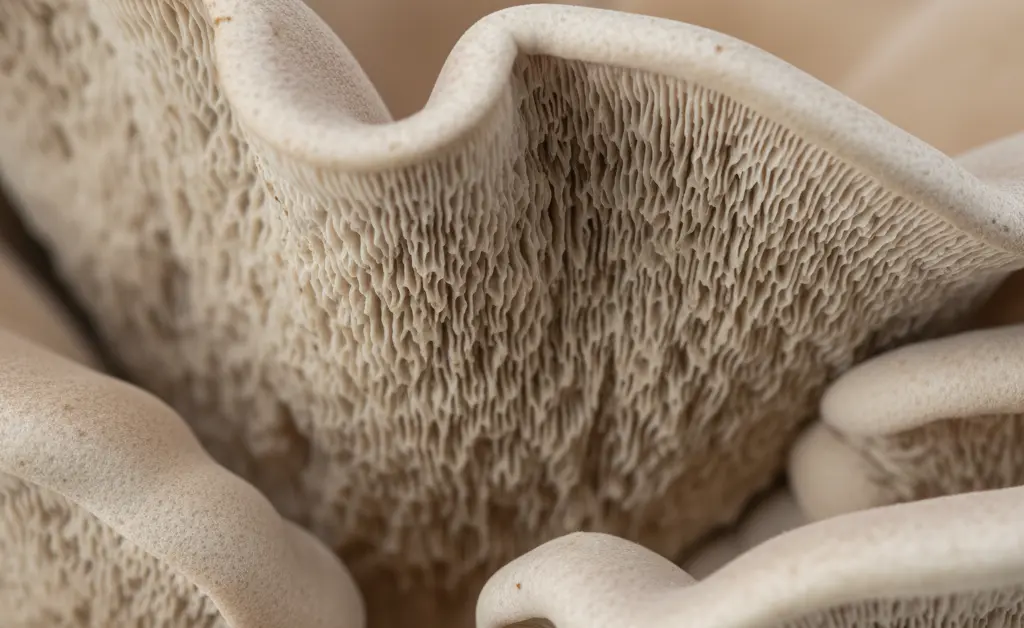
Modern scientific investigation into maitake mushroom has revealed a complex array of bioactive compounds, particularly polysaccharides like beta-glucans and a unique fraction known as D-Fraction. These components are extensively studied for their potential to modulate immune responses and exert antioxidant activity. The rich concentration of these compounds suggests that the maitake mushroom for prostate health may stem from its multi-faceted biological activities, contributing to cellular health and overall physiological balance. While this article focuses on prostate health, it’s worth noting that ongoing research also explores potential maitake mushroom benefits for brain health, thanks to these same bioactive compounds. Further research continues to uncover the intricate ways these compounds interact within the body to promote wellness.
Anti-Inflammatory Properties and the Prostate
Inflammation is increasingly recognized as a contributing factor in various prostate conditions. The maitake mushroom contains compounds that have been studied for their potential anti-inflammatory properties. By helping to modulate inflammatory pathways, maitake may contribute to a healthier environment for the prostate gland. This action is thought to be mediated by its polysaccharides and other constituents, which may help to balance the body’s natural inflammatory responses, thereby potentially supporting the normal function and comfort of the prostate.
How Maitake May Support Overall Prostate Function
Maitake mushroom’s broad spectrum of bioactive compounds offers several potential avenues for supporting overall prostate function. Beyond its anti-inflammatory effects, it is recognized for its capacity to support the immune system, which plays a critical role in maintaining cellular health throughout the body, including the prostate. Its adaptogenic qualities are also believed to assist the body in maintaining homeostasis, a state of balance that is vital for all organs. By promoting a state of balance, some users also explore the use of maitake mushroom for sleep support as part of a holistic wellness routine. These combined actions underscore the growing interest in maitake mushroom for prostate health, as it may offer a comprehensive approach to men’s wellness.
Managing Symptoms of an Enlarged Prostate (BPH)
Benign prostatic hyperplasia (BPH), or an enlarged prostate, is a common condition among aging men, often leading to uncomfortable urinary symptoms. While maitake is not a treatment for BPH, some studies suggest that its properties, such as supporting cellular health and modulating inflammation, may indirectly contribute to the management of symptoms associated with an enlarged prostate. Its potential to support overall immune function and cellular regulation could be beneficial, though it is important to consult with a healthcare professional regarding any prostate concerns.
Incorporating Maitake Mushrooms into Your Diet
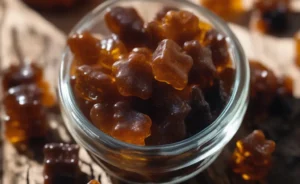
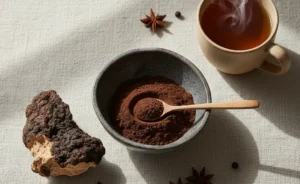
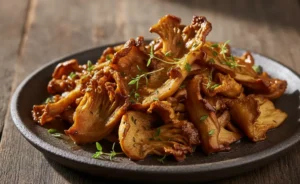
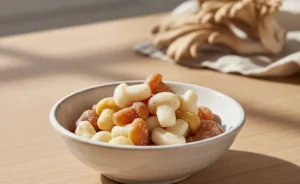
Integrating maitake mushrooms into your diet can be a delicious and healthful endeavor. Fresh maitake can be found in specialty grocery stores and farmers’ markets, adding an earthy, savory flavor to dishes like stir-fries, soups, and sautés. Dried maitake is also available and can be rehydrated for culinary use. For those seeking a more concentrated form, maitake extract benefits are often delivered through supplements, which come in various forms such as powders, tinctures, and capsules. When considering supplementation, it’s generally advisable to choose products from reputable sources that provide clear information about their ingredients and processing.
Maitake Mushroom: Potential Side Effects and Safety
The maitake mushroom is generally considered safe for consumption, both as a culinary ingredient and a supplement. However, as with any natural product, individual reactions can vary. Some people may experience mild digestive upset or allergic reactions, especially when first introducing maitake into their regimen. It’s always prudent to start with a smaller amount to assess tolerance. For individuals with existing health conditions or those taking medications, particularly blood thinners or diabetes medications, it is advisable to consult a healthcare provider before incorporating maitake mushroom for prostate health or any other purpose, to ensure no potential interactions. It’s also important to note that dietary supplements are not approved by the FDA for the treatment of any disease. Responsible consumption and awareness of personal health circumstances are key to a positive experience.

Identifying Quality in Maitake Products
When selecting maitake products, whether whole mushrooms or supplements, prioritizing quality is essential. For fresh or dried mushrooms, look for products that are organic and free from pesticides or contaminants. For supplements, consider products that specify the concentration of active compounds, such as beta-glucans, as this indicates potency. Reputable brands often provide third-party testing results to verify purity and ingredient content. Understanding the form of the supplement—be it a powder, tincture, or capsule—and its manufacturing process can also help in choosing a high-quality product that aligns with your wellness goals.
Comparing Maitake with Other Mushrooms for Prostate Support
Maitake is one of several medicinal mushrooms recognized for their potential health benefits. Other notable fungi, such as Reishi (Ganoderma lucidum), Turkey Tail (Trametes versicolor), and Lion’s Mane (Hericium erinaceus), also offer unique bioactive compounds. Reishi, for instance, is often studied for its adaptogenic and immune-modulating properties, similar to maitake, and has also been explored in the context of men’s health. Turkey Tail is valued for its rich polysaccharide content, particularly PSP and PSK, which are known for immune system support. While each mushroom possesses distinct characteristics, many share overlapping benefits, such as antioxidant activity and immune modulation. When considering natural remedies for BPH or holistic men’s wellness, a diverse approach that incorporates various functional foods and supplements, potentially including specific mushroom blends, might be explored under professional guidance.

The maitake mushroom stands out as a fascinating subject in the realm of natural health, offering a rich profile of bioactive compounds that may contribute to overall well-being. Its historical use in traditional medicine and the growing body of modern scientific research highlight its potential adaptogenic, immune-modulating, and anti-inflammatory properties. While not a standalone treatment, understanding the unique attributes of maitake mushroom for prostate health suggests it may serve as a valuable complement within a holistic approach to men’s wellness, supporting cellular health and overall physiological balance.
Disclaimer: The information provided in this article is for informational purposes only and is not intended to be a substitute for professional medical advice, diagnosis, or treatment. Always seek the advice of your physician or other qualified health provider with any questions you may have regarding a medical condition. Never disregard professional medical advice or delay in seeking it because of something you have read in this article. Individual results may vary.
FAQ
— Can Maitake mushrooms support an enlarged prostate (BPH)?
Research into maitake mushroom for prostate health often focuses on its bioactive compounds like beta-glucans. These complex polysaccharides are known for their role in modulating immune responses. Certain studies investigate how these compounds interact with cellular pathways that are relevant to the regulation of prostate tissue.
— What are the best forms of Maitake mushroom to take for prostate health?
Maitake is available in various forms, including whole mushroom powders and concentrated extracts, each offering a different profile of its components. Extracts are created to isolate and concentrate specific bioactive compounds, such as beta-glucans. Whole mushroom powders, on the other hand, provide the full spectrum of nutrients found in the mushroom in its natural state.
— Are maitake and ‘Hen of the Woods’ the same mushroom?
Yes, Maitake and ‘Hen of the Woods’ are common names for the same fungus, which is scientifically known as *Grifola frondosa*. The name ‘Hen of the Woods’ comes from its appearance, as it grows in a cluster of overlapping caps that resembles the fluffed tail feathers of a hen. This mushroom is prized in both culinary and wellness traditions.
— How can I cook with maitake mushrooms for general wellness?
Maitake has a rich, earthy flavor and a firm texture that holds up well when sautéed, roasted, or added to soups and stir-fries. Cooking the mushroom is important because the heat helps to break down its tough cell walls, made of a substance called chitin. This process makes its nutritional components more easily accessible for the body to absorb.
— Who should exercise caution when adding maitake to their diet?
Due to its known effects on the immune system and blood sugar levels, certain individuals should approach maitake with care. This includes people with autoimmune conditions, those on medication for diabetes, or individuals scheduled for surgery. Consulting with a healthcare professional is always a prudent step before making significant changes to one’s wellness routine.