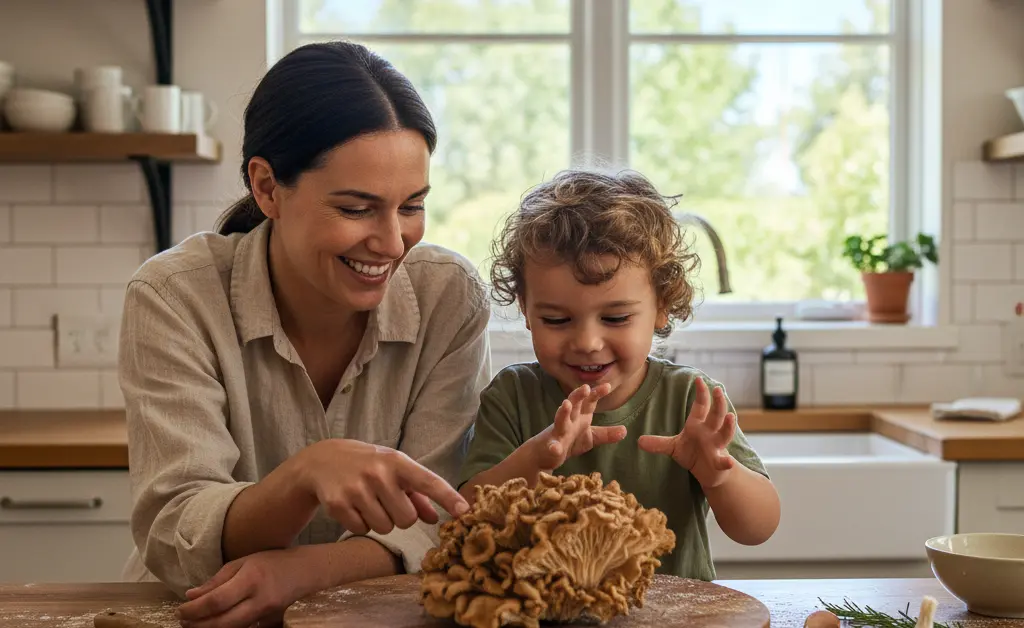
Parents often seek nutrient-dense foods to support their children’s development, and edible mushrooms have gained attention for their unique health benefits. Among these, the maitake mushroom stands out, known for its distinctive flavor and robust nutritional profile. This comprehensive guide aims to equip parents with essential information regarding the safe and beneficial inclusion of maitake in children’s diets. We will explore its potential health advantages, discuss important safety considerations for various age groups, and provide practical advice on sourcing, preparation, and serving methods. Understanding how to properly introduce and prepare maitake mushroom for kids can empower families to diversify their children’s palates while potentially boosting their immune systems and overall well-being. This resource covers everything from early introduction to recipe ideas, ensuring a well-informed approach.
Benefits of Maitake Mushroom for Kids
What Health Benefits Does Maitake Offer Children?
Maitake mushrooms, often referred to as “Hen of the Woods,” are celebrated for their distinctive nutritional richness, which may offer various health benefits for children. They are notably rich in beta-glucans, complex carbohydrates studied for their potential to support the immune system. For developing children, a well-functioning immune system is crucial for resilience against common childhood challenges. Beyond immune support, maitake also contains a range of B vitamins, which are vital for energy metabolism and nervous system development, as well as minerals such as potassium and copper. The unique blend of compounds in maitake, including antioxidants, contributes to its reputation as a valuable addition to a child’s diet. These maitake mushroom health benefits for children can contribute to overall wellness, making maitake mushroom for kids a consideration for nutrient-conscious parents.
Is Maitake Mushroom Safe for Kids and Babies?
Is Maitake Safe for Babies?
Introducing maitake mushroom for baby requires careful consideration and preparation, much like any new food. When properly cooked and prepared, maitake mushrooms can be included in a baby’s diet once they are ready for solids, typically around six months of age. It is crucial that any mushrooms given to babies are thoroughly cooked until very soft to eliminate any potential harmful compounds and ensure digestibility. Raw mushrooms should never be given to infants or young children. Always start with a small amount and observe for any reactions, as with any new food. Prior consultation with a pediatrician is recommended before introducing new foods, especially fungi, to very young children.
Potential Side Effects of Maitake for Children
While maitake mushrooms are generally considered safe when properly prepared, some children might experience mild digestive upset, such as gas or bloating, especially when introduced in larger quantities or if not adequately cooked. This is often due to the fibrous nature of mushrooms. It is important to introduce maitake gradually and in small amounts, allowing a child’s digestive system to adapt. Parents should always monitor their child for any unusual symptoms after consumption.
Allergy Risks and Precautions
Allergic reactions to mushrooms are uncommon but possible. Symptoms of a mushroom allergy can range from mild, like skin rashes or digestive discomfort, to more severe reactions. When introducing maitake or any new mushroom, it’s advisable to follow the “four-day wait rule” – introducing one new food at a time and waiting a few days before introducing another to easily identify any potential allergens. If there’s a family history of food allergies, particularly to fungi, extreme caution should be exercised, and professional medical advice sought beforehand. Ensuring that the maitake mushroom for kids is sourced from a reliable and safe supplier is also a key precaution. For general information on food allergies, resources from the NLM can be informative.
Choking Hazards and Safe Introduction
Due to their texture, mushrooms can pose a choking hazard for infants and toddlers. To mitigate this risk, maitake must be prepared in an age-appropriate manner. For babies starting solids, maitake should be pureed or very finely minced and mixed into other soft foods. For older infants and toddlers, mushrooms should be soft-cooked and cut into very small, manageable pieces. Always supervise children closely during mealtimes, especially when introducing new textures and shapes, to prevent choking incidents. Safe preparation is paramount when considering baby-led weaning with mushrooms.
Considerations for Mushroom Supplements in Children
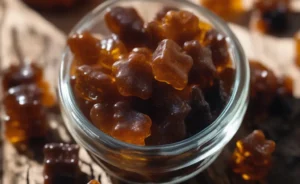
While whole maitake mushrooms can be a nutritious food, maitake mushroom supplements are a different consideration, especially for children. Supplements are often concentrated and may contain varying levels of active compounds. The safety and appropriate dosing of “Maitake mushroom supplements” for children have not been widely established or regulated. It is generally recommended to prioritize whole, real foods over supplements for children’s nutrition. If considering any supplement, it is absolutely essential to consult with a healthcare professional to discuss potential benefits, risks, and appropriate usage, as self-administering supplements to children can be unsafe. The interest in supplements often stems from the various maitake mushroom medicinal uses studied in adults.
Choosing the Best Maitake Mushroom for Kids
Sourcing and Quality Considerations for Children
When selecting maitake mushroom for kids, sourcing and quality are paramount. Opt for maitake from reputable sources, such as certified organic grocery stores, trusted farmers’ markets, or well-established wild foragers (if you have expertise in identification). Organic certification helps ensure the mushrooms are grown without synthetic pesticides or fertilizers. Inspect fresh maitake for a firm texture, earthy aroma, and absence of slimy spots or mold. For dried maitake, ensure the packaging is sealed, and the mushrooms appear clean and intact. Understanding “how to choose maitake for children” involves prioritizing freshness and responsible cultivation practices to ensure the safest and most beneficial product.
Identifying Fresh vs. Dried Maitake
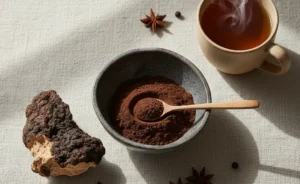
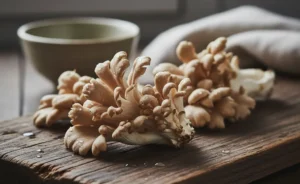
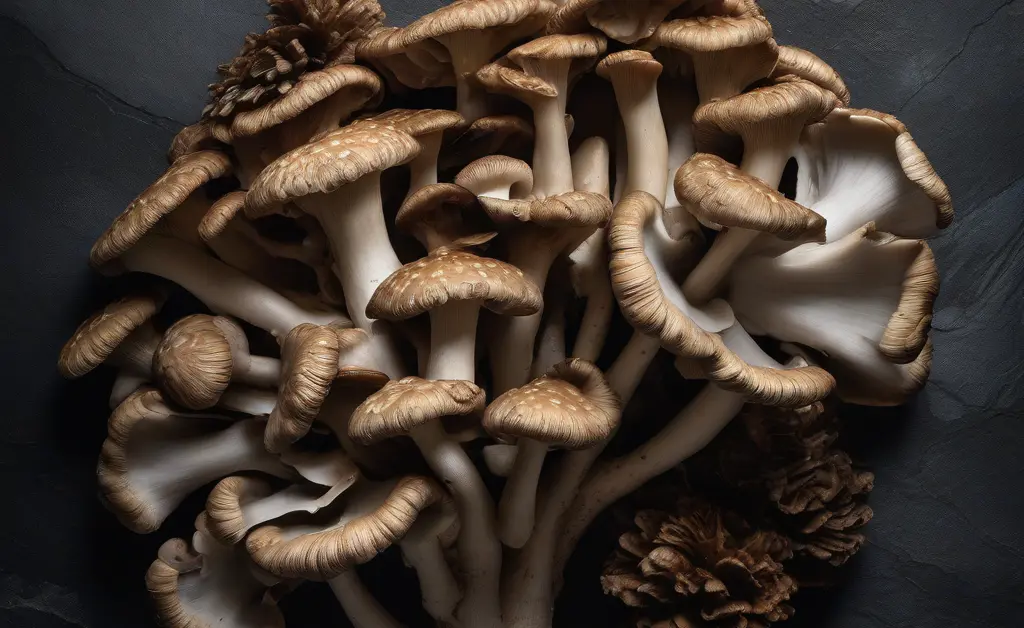
Fresh maitake mushrooms are characterized by their ruffled, fan-like clusters of caps, which typically range in color from gray to brown. They should feel firm and somewhat spongy, not brittle or mushy, and have a distinct, earthy aroma. Avoid any mushrooms that appear overly wet, discolored, or have an off-putting smell. Dried maitake, on the other hand, will be shriveled and significantly lighter in weight. When rehydrated, they expand and regain some of their texture and flavor. Both fresh and dried forms can be used in cooking, with dried maitake often offering a more concentrated umami flavor once rehydrated.
Flavor Profile and Texture of Cooked Maitake
Cooked maitake mushrooms offer a unique and appealing flavor profile that can be a pleasant addition to children’s meals. They possess a rich, earthy, and distinctly umami flavor, often described as savory and slightly peppery. When properly cooked, maitake develops a tender yet somewhat chewy texture, which can be enjoyed by children depending on how finely it is chopped or pureed. The umami flavor can enhance other ingredients, making it a good choice for integrating into various kid-friendly dishes and helping to expand a child’s palate beyond simpler tastes.
How to Prepare and Serve Maitake Mushrooms by Age
When to Introduce Maitake to Infants
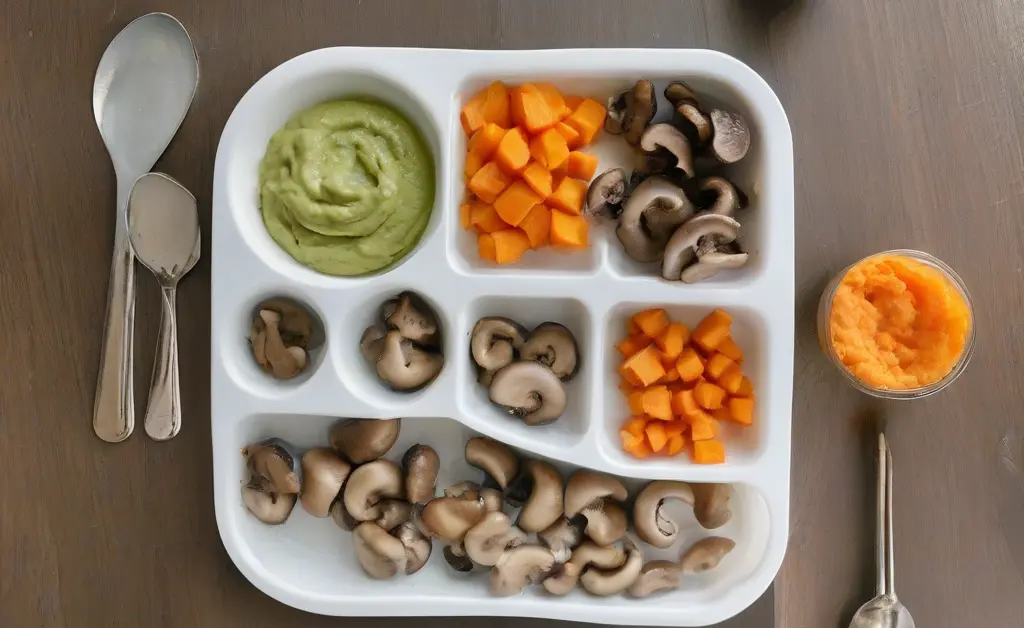
Introducing solid foods to infants typically begins around six months of age, when they show signs of readiness. As a general guideline, maitake mushrooms can be introduced as one of the “first foods for babies” once they have successfully tried several other single-ingredient purees or soft foods without adverse reactions. Always ensure the mushroom is thoroughly cooked and prepared in an age-appropriate way to minimize any risks. It’s best to introduce any new food, including maitake, one at a time and observe for any potential allergic reactions or digestive issues over several days, following safe “introducing solid foods” practices.
Serving Maitake for Babies 6-9 Months (Pureed/Minced)
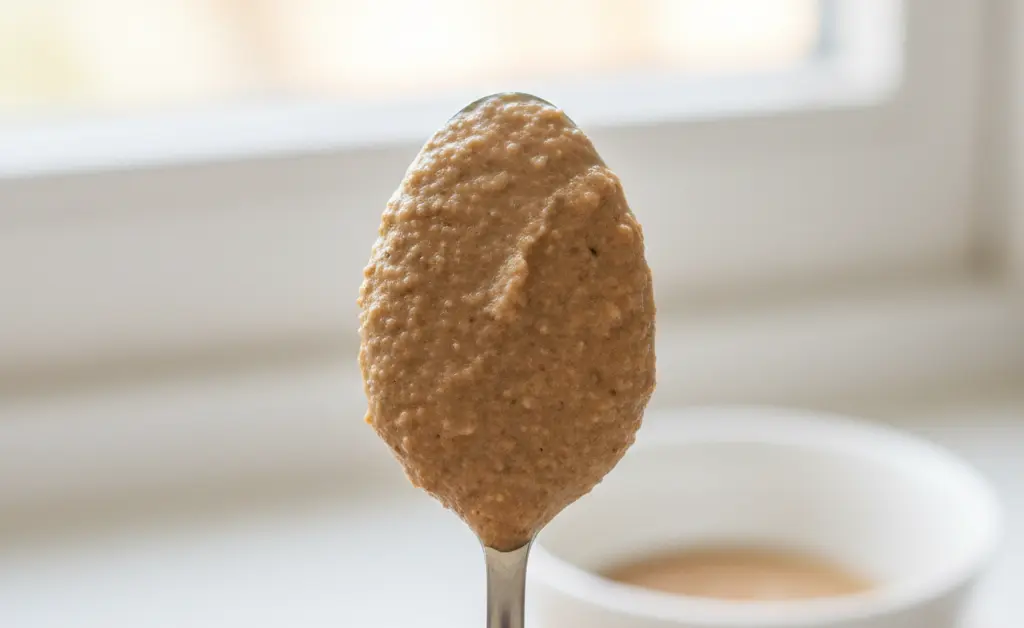
For babies in the 6-9 month age range, maitake mushrooms must be prepared in a way that eliminates choking hazards and promotes easy digestion. This means thoroughly cooking the maitake until it is very soft, then pureeing it until smooth. The “pureed mushrooms” can be mixed with other familiar purees, such as vegetable or fruit purees, or stirred into breast milk or formula to achieve a palatable consistency. Alternatively, for babies with more developed chewing skills, very finely minced and soft-cooked maitake can be offered, mixed into other soft foods like oatmeal or yogurt. The goal is to provide a smooth or extremely small-textured form of “cooked mushrooms for infants.”
Serving Maitake for Babies 9-12 Months (Soft-Cooked Pieces)
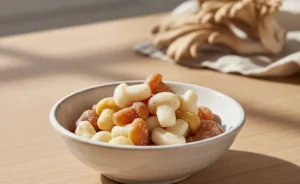
As babies approach 9-12 months and develop their pincer grasp and chewing abilities, the texture of maitake can gradually progress. At this stage, thoroughly soft-cooked maitake can be cut into very small, pea-sized pieces. These tiny, tender pieces can be offered as finger foods for babies who are ready for this, or mixed into soft foods like pasta, rice, or mashed potatoes. This allows for safe “baby-led weaning with mushrooms,” encouraging self-feeding and exploration of different textures while still mitigating choking risks. Always ensure the pieces are soft enough to be easily mashed between the gums.
Preparing Maitake for Toddlers and Older Children
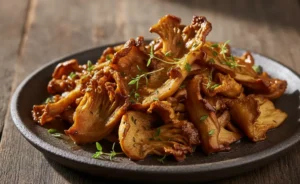
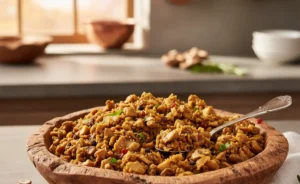
For toddlers and older children, the preparation of maitake mushrooms can become more varied, though thorough cooking remains essential. Sautéed maitake strips can be a delightful addition to an egg scramble or a stir-fry, offering a savory texture. Maitake can also be chopped and incorporated into pasta sauces, soups, stews, or even as a topping for homemade pizzas. Roasting maitake until tender and slightly crispy can highlight its earthy flavor, serving as a healthy side dish. For picky eaters, finely chopping maitake and blending it into familiar dishes can be a subtle way to introduce its nutritional benefits. Creative “toddler meals” can easily incorporate this versatile mushroom.
Simple Maitake Mushroom Recipe Ideas for Kids
Maitake and Egg Scramble for Breakfast
A maitake and egg scramble offers a nutritious and satisfying breakfast option that can be appealing to children. Finely chopped maitake mushrooms are gently sautéed until tender before being combined with whisked eggs. The earthy flavor of the maitake complements the richness of the eggs, creating a savory meal. This dish can be customized with a sprinkle of mild cheese or a touch of finely chopped herbs, making it a versatile and protein-packed way to serve maitake mushroom for kids. Ensure the mushroom pieces are small and soft for younger children.
Creamy Maitake Mushroom Puree (for younger kids)
For younger children, a creamy maitake mushroom puree provides an excellent way to introduce this beneficial fungus. Steamed or gently simmered maitake is blended with a little breast milk, formula, vegetable broth, or a touch of unsalted butter to create a smooth, velvety consistency. This puree can be served on its own, mixed with other vegetable purees like sweet potato or butternut squash, or stirred into warm oatmeal or rice cereal. The subtle umami flavor of the maitake adds depth to the puree, making it a flavorful and nutrient-dense option for developing palates.
Understanding Maitake’s Nutritional Profile for Children
Key Vitamins and Minerals in Maitake
Maitake mushrooms boast an impressive nutritional profile that can contribute significantly to child nutrition. They are a valuable source of B vitamins, including niacin (B3), riboflavin (B2), and pantothenic acid (B5), which are essential for cellular energy production and nervous system health. Notably, maitake can also be a natural source of vitamin D, especially when exposed to UV light, which is crucial for bone development and immune function in growing children. Furthermore, these mushrooms provide important minerals such as copper, potassium, and phosphorus, all contributing to overall health and development. The presence of antioxidants and dietary fiber further enhances the maitake mushroom nutrition content, making it a beneficial whole food choice. While not a primary focus for children’s diets, some research also investigates the role of maitake mushroom for blood sugar regulation in adults.
Fresh vs. Supplement Forms of Maitake
When considering maitake for children, prioritizing fresh or properly dried whole maitake mushrooms over supplement forms is generally recommended. Fresh maitake offers a complete nutritional package, including fiber, water, and a natural balance of its beneficial compounds, all within a familiar food matrix. It allows children to experience the taste and texture of real food. “Fresh vs. Supplement Forms of Maitake” highlights the distinction that supplements, while concentrated, may lack the full spectrum of nutrients found in whole foods and often come in dosages not specifically tested or approved for pediatric use. For children, obtaining nutrients through a diverse diet of whole foods is typically the safest and most effective approach. This whole-food approach provides a spectrum of nutrients that support general well-being, though specific areas like using maitake mushroom for anxiety are typically explored in the context of adult supplementation.
Culinary Uses in Family Meals
Maitake’s versatile flavor and texture make it an excellent ingredient for “culinary uses in family meals,” allowing parents to easily incorporate it into various dishes. Its rich umami taste can deepen the flavor of soups, stews, and stir-fries, making them more appealing. Maitake can be sautéed as a side dish, roasted with vegetables, or chopped into a mushroom medley for pasta sauces or risottos. It also holds up well in baked dishes, adding a tender, meaty texture. Introducing maitake within familiar family meals helps normalize its presence and encourages children to try new flavors alongside foods they already enjoy, contributing to a more varied and nutritious diet.
In conclusion, incorporating maitake mushroom for kids can be a beneficial way to enhance their diet, offering a unique blend of nutrients and potential immune-supporting compounds. With careful selection, proper preparation suited to their age, and gradual introduction, maitake can become a valuable and flavorful addition to a child’s culinary repertoire, contributing to their overall health and well-being as they grow.
Disclaimer: This article provides general information and is not a substitute for professional medical advice, diagnosis, or treatment. Always seek the advice of a qualified healthcare provider for any questions regarding a medical condition or before making any dietary changes. The information presented here is for educational purposes only and should not be used to self-diagnose or self-treat any health issues. Consult a pediatrician or healthcare professional before introducing new foods, especially fungi or supplements, to infants or children.
FAQ
— At what age can babies start eating maitake mushrooms?
The introduction of new foods, including mushrooms, to a baby’s diet is a decision best made with guidance from a pediatrician or pediatric nutritionist. They can provide personalized advice based on the individual child’s developmental stage and health profile. It’s important to follow professional recommendations for introducing solids.
— How should I cook maitake mushrooms for a baby?
For any new food introduced to a baby, preparation focuses on ensuring a safe texture and easy digestibility. Cooking mushrooms thoroughly until they are soft is essential, as this breaks down their tough cell walls. The final consistency should always be appropriate for the baby’s specific eating stage to prevent choking hazards.
— Are maitake mushrooms a common allergen for children?
While mushroom allergies are not among the most common food allergies, any food has the potential to cause a reaction in a sensitive individual. When introducing any new food to a child, it is a standard precaution to introduce it alone and observe for any signs of a reaction. This approach helps isolate the cause if an issue arises.
— What are the benefits of maitake mushrooms for toddlers?
Maitake mushrooms are nutritionally dense, containing B vitamins, minerals, and dietary fiber, which are important for overall development. They are also known for their rich content of beta-glucans, complex polysaccharides studied for their role in supporting immune system function. The research into maitake mushroom for kids often centers on these immune-modulating properties.
— What does maitake mushroom taste like and will kids like it?
Maitake mushrooms have a distinctively savory, earthy, and slightly peppery flavor profile with a firm, succulent texture when cooked. A child’s palate is unique and ever-changing, so their acceptance of a new taste can vary widely. Their response often depends on the preparation method and what other familiar flavors it is paired with.
— Where can I find maitake mushrooms to buy?
Fresh maitake mushrooms can often be found in the produce section of well-stocked grocery stores, specialty food markets, or local farmers’ markets, particularly in the fall. They are also available in dried form or as powdered extracts from various health food retailers and online suppliers.