Chaga mushroom has garnered significant attention for its unique properties and traditional uses, prompting increased interest among foragers and wellness enthusiasts alike. In the UK, understanding where and how to locate this distinctive fungus requires a blend of botanical knowledge and awareness of local environments. This guide offers a detailed exploration of chaga mushroom UK, covering its identification, preferred habitats, seasonal growth patterns, and the ethical considerations essential for sustainable harvesting. Whether you are a seasoned forager or a curious beginner, gaining insight into the natural history and responsible collection of chaga will enhance your experience and ensure the preservation of this remarkable species in British woodlands. With careful observation and respect for nature, you can safely enjoy the benefits and beauty of chaga mushroom in the UK.
Identifying Chaga Mushroom UK: Key Features
Visual Characteristics of Chaga in UK
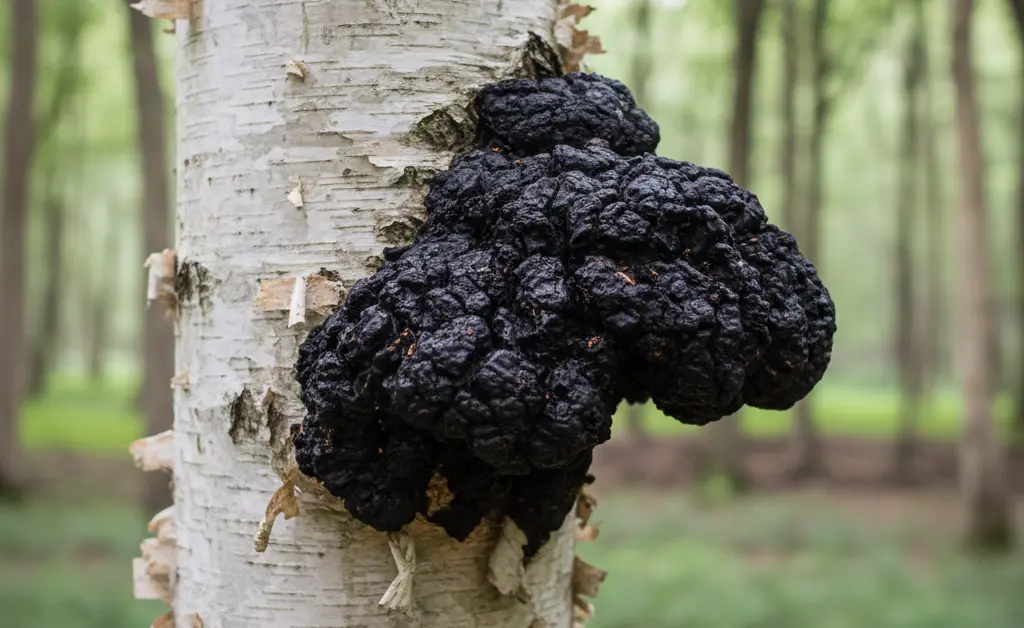
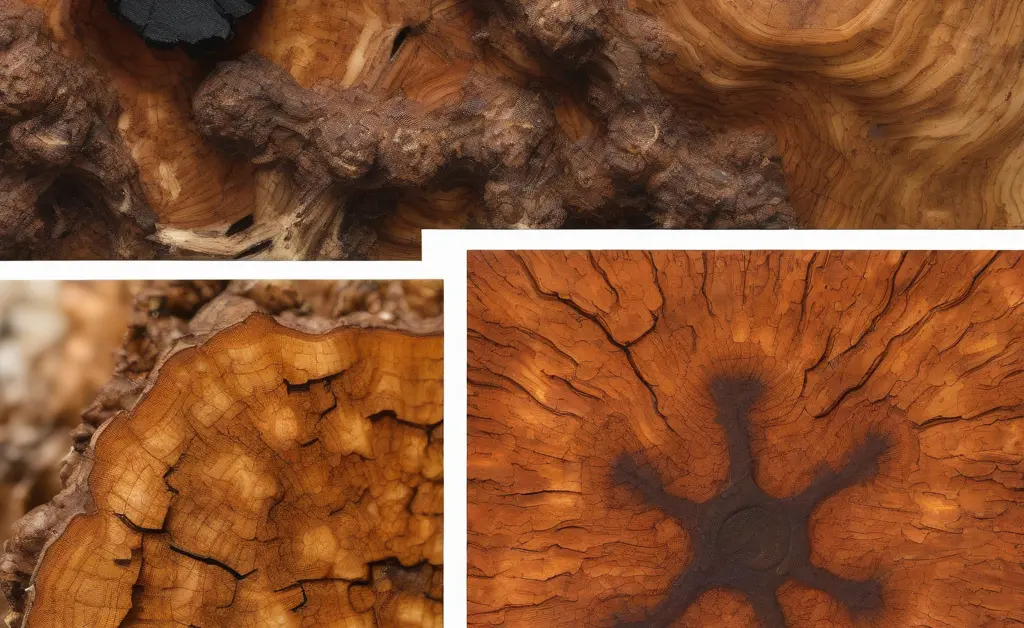
Chaga, scientifically known as Inonotus obliquus, presents a distinct and unconventional appearance that sets it apart from typical mushrooms. Externally, it resembles a large, dark clump of burnt charcoal breaking through the bark of its host tree. This black, crusty exterior is known as the sclerotium, and it is hard, brittle, and deeply cracked. It is not the fruiting body of the fungus but a sterile mass of mycelium. When a piece is broken off, the interior reveals a striking contrast: a vibrant, cork-like texture with a rich, rusty orange-brown colour. This inner material is softer than the outer crust but still quite firm. The unique composition of this fungus is a subject of scientific interest, with studies available through the NLM.
Identifying Mature Chaga Growth
A mature Chaga growth, often referred to as a conk, can vary significantly in size, but it typically forms a noticeable protrusion on the tree trunk or a major branch. As a slow-growing parasite, a large formation indicates it has been developing for many years. Mature Chaga deeply embeds itself into the host tree, often creating cracks and deformities in the surrounding bark. The shape is irregular and lumpy, lacking the organised structure of many other tree fungi, such as shelf-like brackets or a distinct cap and stem. Its texture and size are key indicators of maturity, with older specimens being particularly dense and dark.
Where to Find Chaga in the UK: Habitats and Host Trees
Geographical Presence in the UK
Chaga is predominantly found in colder climates, which influences its distribution across the United Kingdom. It is most commonly reported in the cooler, northern regions, particularly in the vast birch woodlands of Scotland. However, its presence is not exclusive to Scotland; Chaga can also be found in suitable habitats throughout northern England, Wales, and occasionally in other areas with significant birch populations. Its distribution is sporadic rather than widespread, making finding it a rewarding challenge for dedicated foragers. In comparison, the distribution of USA chaga mushrooms is also heavily influenced by its cold northern climates.
Host Tree Identification for Chaga
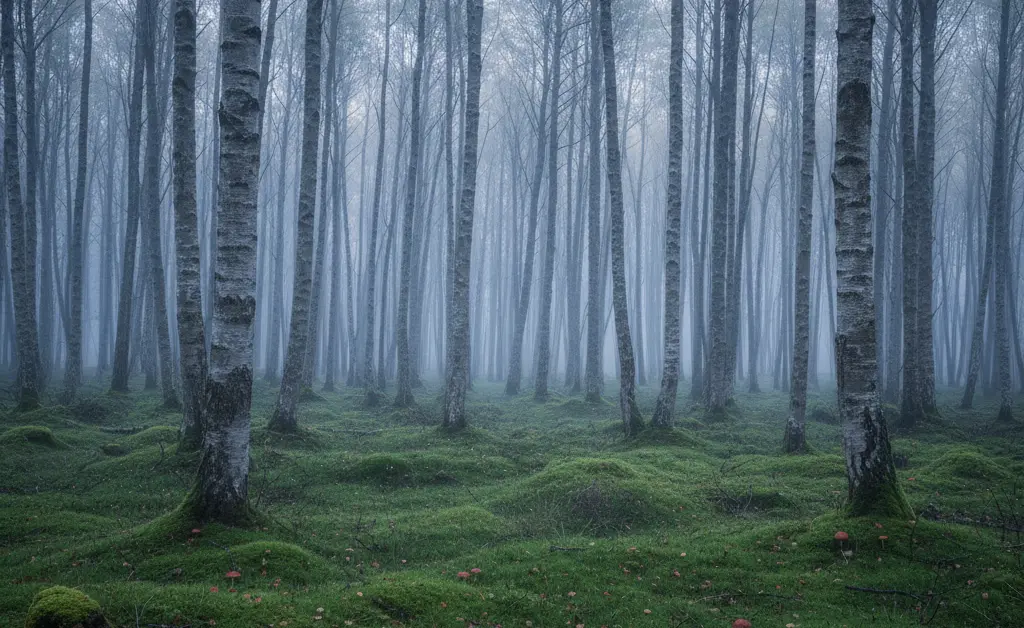
The primary host for Chaga is the birch tree (Betula species). Foragers in the UK should focus their search on silver birch (Betula pendula) and downy birch (Betula pubescens), which are common throughout British woodlands. These trees are easily identifiable by their distinctive pale, often peeling bark. While Chaga has been known to grow on other hardwoods like alder, elm, and beech, such occurrences are exceptionally rare. For all practical purposes, searching for this fungus means searching for birch trees, especially older or damaged ones where the fungus can more easily establish itself.
Habitat Preferences in British Woodlands
Chaga thrives in mature forests where birch trees are well-established. It is often found in old-growth woodlands, mixed forests, and along the edges of heathland where birch is a pioneer species. The fungus is a parasite that typically enters the tree through a wound, such as a broken branch or damage to the bark. Therefore, looking for older, stressed, or damaged birch trees can increase the chances of a successful find. A healthy, thriving woodland ecosystem is the ideal habitat for the entire life cycle of the fungus and its host.
Preferred Climates in the UK
The preference of Inonotus obliquus for cool, temperate, and sub-arctic climates dictates where it is most likely to be found. The cooler temperatures and specific environmental conditions of the northern UK provide a more suitable climate for its growth compared to the milder south. The challenging weather conditions in these regions can stress host trees, potentially making them more susceptible to the fungal infection that leads to Chaga formation. Understanding the climatic needs of the fungus is key to locating a potential habitat for the Chaga mushroom UK. This mirrors environments in other northern countries; for example, the habitat of chaga mushroom Finland is characterized by extensive birch forests and cold temperatures.
Microclimates Affecting Chaga Growth
Within a larger woodland, specific microclimates can play a significant role in where Chaga appears. Factors such as aspect (the direction a slope faces), humidity levels, and sun exposure can create pockets of ideal conditions. Chaga may be more prevalent on the shaded, more humid side of a tree or in damp gullies and near water sources where the air moisture is consistently higher. These subtle variations in the local environment can influence both the establishment and the rate of tree growth for the fungus.
When to Forage for Chaga in the UK: Optimal Seasons
Seasonal Variations for Chaga Harvesting
Because Chaga is a perennial fungus that grows year-round, it can technically be foraged at any time. However, many experienced foragers consider late autumn and winter to be the optimal seasons for harvesting. During these months, deciduous trees like birch have lost their leaves, making the dark, rugged Chaga conk much more visible against the pale bark and bare branches. Furthermore, access to woodlands can sometimes be easier when undergrowth has died back. The fungus remains on the tree throughout all seasons, but visibility is the primary reason for favouring the colder, leafless months.
Distinguishing Chaga from Look-Alikes in the UK
Common Look-Alikes and Differences
In the UK, the most common sources of confusion for novice Chaga foragers are non-fungal tree burls and other types of tree fungi. Tree burls are woody, rounded outgrowths on a tree trunk, but they are part of the tree itself and will have a solid wood grain and texture throughout if cut. In contrast, Chaga is a distinct fungal mass with a charcoal-like exterior and a corky orange interior. Other fungi, such as the birch polypore (Fomitopsis betulina) or the tinder fungus (Fomes fomentarius), have a more structured, shelf-like shape and lack Chaga’s unique dual-textured appearance. The key is to remember Chaga’s irregular, crumbly black exterior and bright rusty core.
Is Chaga Mushroom Rare in the UK?
Conservation Status of Chaga in UK
Chaga is generally considered to be uncommon or rare in the United Kingdom. It does not have an official conservation status, but mycologists and conservationists express concern over its slow growth rate and the potential for over-harvesting due to its increasing popularity. A large Chaga conk can take decades to form, and removing it entirely can harm the fungus’s ability to propagate and may further stress the host tree. Its rarity underscores the critical need for responsible and sustainable foraging practices to ensure its continued presence in British woodlands. The relative scarcity of Chaga mushroom UK makes every find significant.
Sustainable and Responsible Chaga Mushroom Foraging in the UK
Ethical Foraging Practices
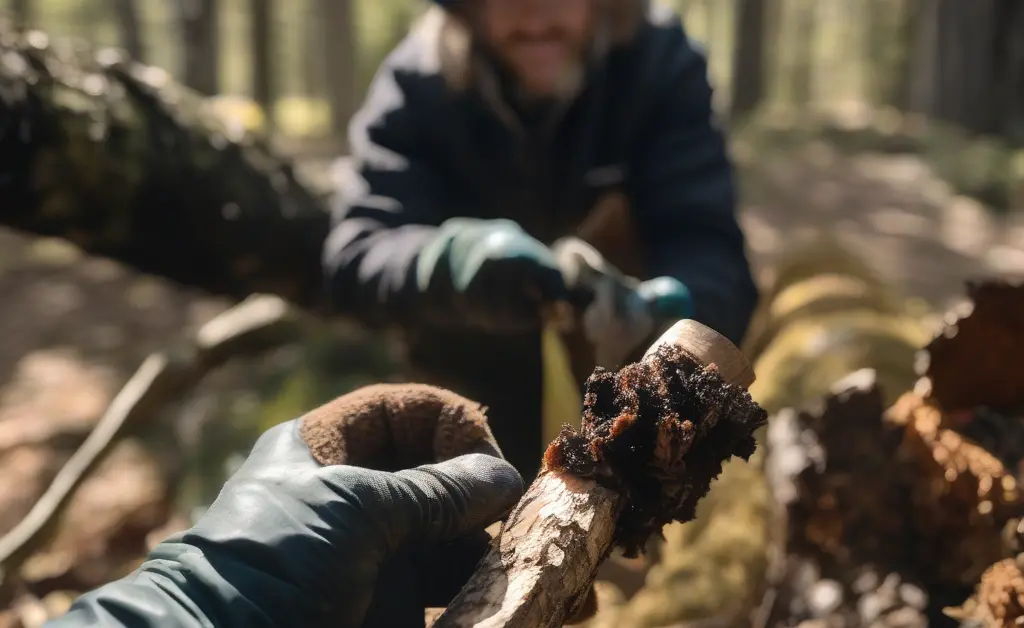
Ethical foraging is paramount to protect both the Chaga fungus and its host environment. A core principle is to never harvest the entire growth. Leaving a significant portion (at least a third) of the conk on the tree is thought to allow it to continue growing and potentially release spores. Foragers should only harvest from healthy, mature trees that can withstand the removal of a small part of the fungus. Using sharp, clean tools to make a clean cut helps minimise damage to the tree. It is also important to only take what you need and to leave plenty for the ecosystem and other foragers. For those unable to forage, finding chaga mushroom for sale from a sustainable source is a viable alternative.
Legal Aspects of Foraging in the UK
The legality of foraging in the UK can be complex. While the general rule under the Theft Act 1968 allows for the gathering of the “Four Fs” (fruit, flowers, foliage, and fungi) from common land for personal use, this applies to the fruiting bodies of a fungus. Chaga is a sterile conk, and removing it often requires cutting into the tree, which could be considered criminal damage. Therefore, it is essential to always seek the landowner’s permission before harvesting Chaga from any private or protected land. Ignorance of local bylaws or property rights is not a valid defence, so always verify your right to forage in a specific area.
Post-Harvest Handling of Chaga
Once sustainably harvested, proper handling is necessary to preserve the Chaga. The first step is to clean off any bark, insects, or debris. The conk is very hard, so it needs to be broken down into smaller, more manageable chunks using a sturdy knife or hammer. These smaller pieces should then be dried thoroughly to prevent mould and ensure long-term stability. Air-drying in a well-ventilated area away from direct sunlight is a common method. Proper drying is a crucial step learned through the study of mycology to prepare the fungus for storage. Taking these careful steps ensures the quality of the Chaga mushroom UK you have foraged.
Finding and responsibly collecting this fungus requires patience, knowledge, and a deep respect for the natural world. By understanding how to identify it, its preferred habitats on birch trees, and the importance of ethical harvesting, foragers can engage with this remarkable organism sustainably. The practice of foraging for wild mushrooms, especially one as unique as this, connects us to our local woodlands and highlights our role in their preservation. Adhering to sustainable principles is essential to ensure the future of the Chaga mushroom UK for generations to come.
This article is for informational purposes only and is not intended as a guide for consumption or medical advice. The information provided does not substitute for professional consultation with a qualified expert in mycology or a healthcare provider. Always be 100% certain of a mushroom’s identification before touching or collecting it, as some fungi can be toxic. Foraging should be done responsibly and in accordance with local laws and regulations.
FAQ
— Is chaga mushroom found in the UK?
Chaga mushroom is not commonly found in the UK as it primarily grows in colder climates, but there have been occasional reports of its presence in some northern areas. Its growth is more typical in boreal forests rather than temperate zones like much of the UK.
— Where can I find chaga mushroom in England?
Chaga mushroom is quite rare in England due to the climate and tree species available. It might be found in select woodlands with birch trees, but sightings are uncommon and often require expert identification.
— What trees does chaga grow on in the UK?
In the UK, chaga is traditionally associated with birch trees, as it is a parasitic fungus that primarily colonizes these species. Birch trees provide the necessary conditions for chaga to develop its characteristic growth.
— When is the best time to harvest chaga in the UK?
The optimal time for harvesting chaga in the UK is often discussed as during the colder months when the fungus is more mature and nutrient-dense. However, due to its rarity, timing can vary depending on environmental conditions.
— How rare is chaga mushroom in the UK?
Chaga mushroom is considered quite rare in the UK, largely because the climate and tree species are not as conducive to its growth compared to regions like Siberia or North America. Its scarcity adds to the challenge of locating it naturally.
— Are there any mushrooms that look like chaga in the UK?
Yes, there are several fungi in the UK that may resemble chaga, such as certain types of conks or bracket fungi, which can cause confusion during identification. Careful examination is often needed to distinguish them accurately.
— What does chaga look like on a tree in the UK?
On birch trees in the UK, chaga appears as a dark, charcoal-like mass with a rough, cracked surface, often protruding irregularly from the bark. Its interior is usually a rusty orange color, contrasting with the blackened exterior.
— Are there any specific regions in the UK known for Chaga mushroom?
No specific regions in the UK are widely recognized for chaga mushroom growth, as it is not a common species in the area. Any occurrences tend to be isolated and sporadic, mostly in northern or upland birch woodlands. The term “Chaga Mushroom UK” is often used to explore the possibility of finding this fungus within the country’s natural landscapes.