
The chaga mushroom has gained significant attention for its potential health benefits and unique properties, particularly those sourced from the pristine environments of Finland. This region offers an exceptional habitat that influences the mushroom’s quality and efficacy. Known for its distinctive appearance and remarkable bioactive compounds, the chaga mushroom in Finland has been deeply woven into local traditions and natural wellness practices. Understanding the origins, harvesting methods, and cultural importance of this natural resource sheds light on why it remains a valued element in both traditional remedies and modern health trends. Exploring the Finnish context provides a comprehensive perspective on the chaga mushroom’s role as a natural treasure, highlighting its connection to the environment and its growing global appeal.
Chaga Mushroom Finland: Origin and Superfood Status
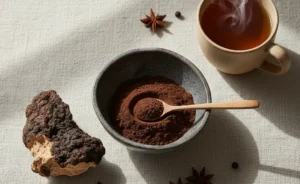
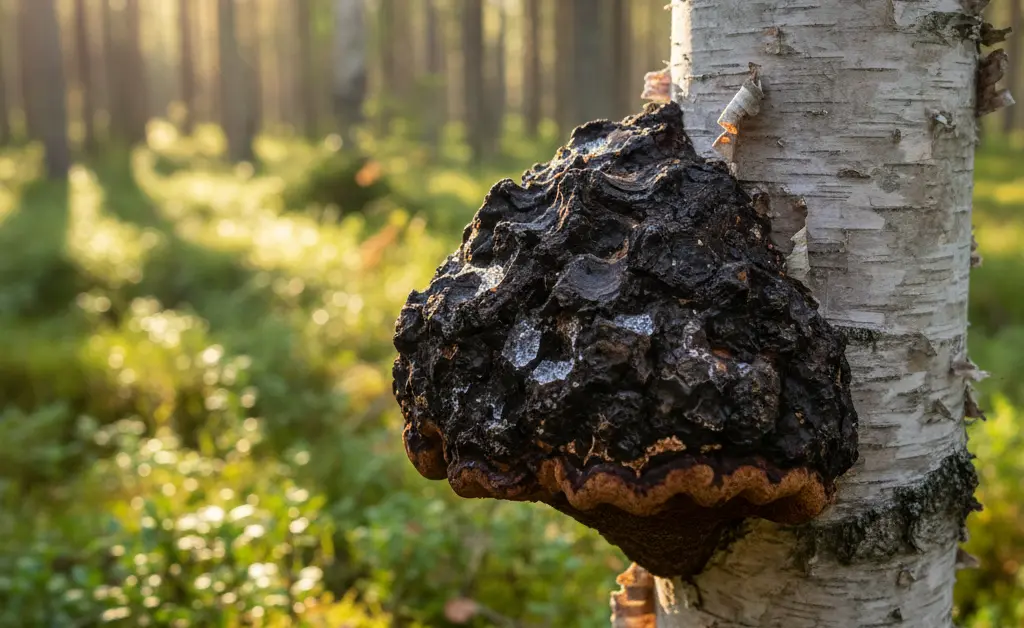
The chaga mushroom, scientifically known as Inonotus obliquus, is a type of fungus that primarily grows on birch trees in cold climates. It is not a mushroom in the typical sense but a sterile conk, or a dense mass of mycelium. Outwardly, it resembles a large, dark clump of burnt charcoal, often cracked and hard. Inside, however, it reveals a softer, cork-like core with a rich, rusty orange-brown color. Its reputation as a superfood stems from its dense concentration of various bioactive compounds, which are accumulated over years of slow growth in harsh environments. The purity and potency of chaga are believed to be heavily influenced by its habitat, which is why the chaga mushroom Finland provides is held in such high regard. The country’s vast, unpolluted forests offer the ideal conditions for this fungus to thrive and develop its complex profile.
History and Traditional Use of Chaga in Finland

The use of chaga in Finland is not a recent wellness trend but a practice rooted in centuries of tradition. Long before it gained global recognition, this unique fungus was a staple in Finnish and Sámi folk practices, valued for its supportive properties in a region known for its demanding climate and long, dark winters.
Historical Significance and Traditional Use in Finland
Historically, chaga was a well-known natural resource for people living close to the forest. It was foraged and used as a part of daily life, often brewed into a tea-like beverage. This traditional use was passed down through generations, with knowledge of where to find it and how to prepare it being an important part of local herbal lore. It was seen as a gift from the forest, providing a sense of resilience and well-being during the harshest seasons of the year.
Ancient Finnish Folk Remedies with Chaga
In ancient Finnish folk traditions, chaga was utilized to support the body’s natural vitality and endurance. It was commonly consumed as a warm beverage to help maintain general health. People living off the land relied on natural resources like chaga to bolster their systems. The fungus was a key component in a range of herbal preparations intended to support the body’s innate defense mechanisms and promote overall balance. These remedies were an integral part of a holistic approach to wellness that was deeply connected to the natural world.
Traditional Preparation Methods in Finland
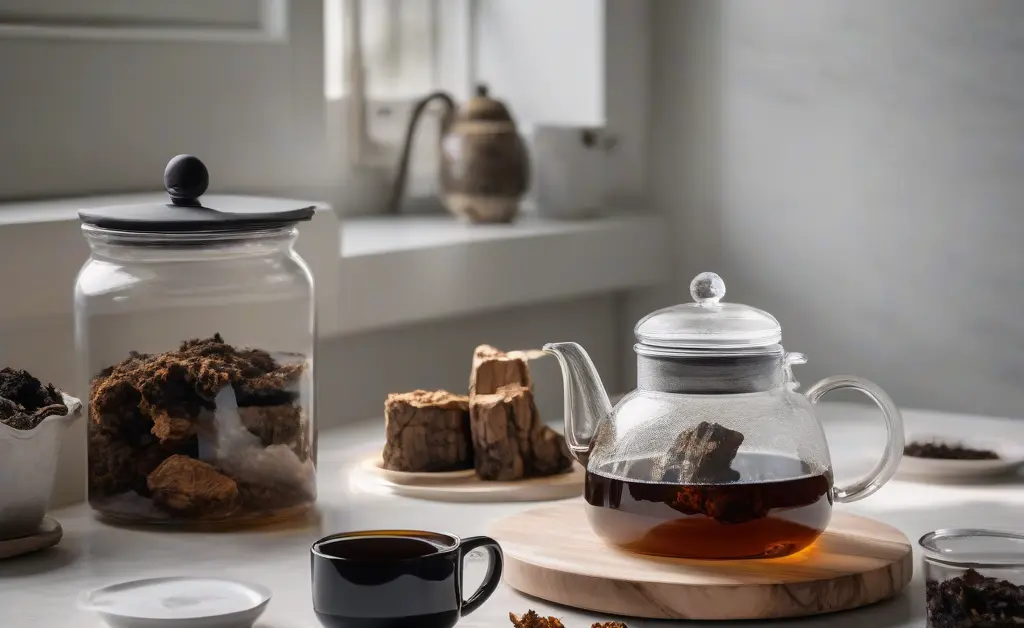
The most common traditional method for preparing chaga in Finland involved a slow and simple process. Harvesters would break the chaga conk into small chunks and allow them to dry completely. These dried pieces were then gently simmered in water for an extended period, sometimes for several hours. This slow decoction process was crucial for extracting the beneficial compounds from the tough, woody material. The resulting liquid was a dark, earthy brew with a subtle, slightly sweet flavor reminiscent of vanilla. This “chaga tea” was then consumed on its own.
Evolution of Chaga Use from Ancient to Modern Times
The journey of chaga from an ancient folk remedy to a modern superfood reflects a broader shift in wellness culture. While traditional use centered around simple teas, modern applications are far more diverse. Today, chaga is available in various forms, including fine powders for instant beverages, potent tinctures, and standardized extracts in capsules. This rising popularity means that products like chaga mushroom UK supplements are now readily available to a wider audience. This evolution is driven by scientific research that has begun to explore the compounds responsible for its traditional reputation. Despite these modern innovations, the fundamental respect for chaga as a powerful natural product remains, connecting contemporary users with centuries of Finnish tradition.
Why Finland is Ideal for Chaga Sourcing
The quality and potency of chaga are directly linked to the environment in which it grows. Finland’s unique natural characteristics make it one of the most sought-after locations for sourcing high-quality chaga. The combination of pristine forests, a harsh climate, and specific ecological factors creates the perfect conditions for this remarkable fungus to flourish.
Why Finland is an Ideal Home for Chaga
Finland is often called “the land of a thousand lakes and forests,” and this description captures why it is a prime habitat for chaga. With over 75% of its land area covered by forests, much of which is remote and untouched by heavy industry or agriculture, the country offers an exceptionally clean environment. The low levels of air and soil pollution mean that wild-harvested chaga is free from many of the contaminants that can be found in more populated or industrialized regions. This purity is a key factor in its quality.
Geographic and Climatic Conditions Favoring Finnish Chaga
Situated in the taiga, or boreal forest biome, Finland experiences long, frigid winters and short, intense summers. These extreme temperature fluctuations place significant stress on the host birch trees and the chaga fungus itself. It is widely believed that these harsh conditions force the chaga to produce a higher concentration of protective bioactive compounds as a survival mechanism. The cold climate also slows the growth of the chaga, allowing it to mature over many years and accumulate a greater density of nutrients from its host.
Birch Forests and Chaga Symbiosis in Finland
Chaga has a parasitic relationship with its host, primarily the birch tree. Finland’s vast and healthy birch forests provide an abundant and ideal food source for the fungus. As the chaga grows, it absorbs and concentrates compounds directly from the birch tree, including betulin and betulinic acid, which are substances unique to birch bark. This symbiotic process is what gives chaga many of its most notable properties. The health and vitality of Finland’s birch ecosystems are therefore essential to the quality of the chaga that grows there.
Impact of Nordic Climate on Chaga’s Potency
The Nordic climate plays a critical role in enhancing the potency of chaga. The prolonged periods of sub-zero temperatures are thought to act as a catalyst, stimulating the fungus to create a more robust profile of antioxidants and other protective compounds. This natural adaptation process results in a product that is exceptionally dense in beneficial substances. For this reason, the potent and pure chaga mushroom Finland is known for has become a benchmark for quality in the global market.
Finland’s Chaga Harvesting Practices and Sustainability
As the global demand for chaga grows, the importance of sustainable and ethical harvesting practices cannot be overstated. Finland has established a framework of regulations and traditional knowledge that aims to protect both the chaga mushroom populations and the forest ecosystems they inhabit, ensuring this natural treasure is available for future generations.
Permits and Regulations for Chaga Foraging in Finland
In Finland, the “Everyman’s Right” (Jokamiehenoikeus) allows people to freely roam forests and forage for berries and common mushrooms. However, this right does not extend to chaga. Because harvesting chaga involves cutting it from a living tree, it can cause damage to the tree and is therefore not permitted without the landowner’s explicit permission. Commercial harvesting is even more strictly regulated, requiring agreements with forest owners and adherence to specific guidelines to prevent over-harvesting and ensure the long-term health of the forest.
Sustainable Harvesting Techniques in Finnish Forests
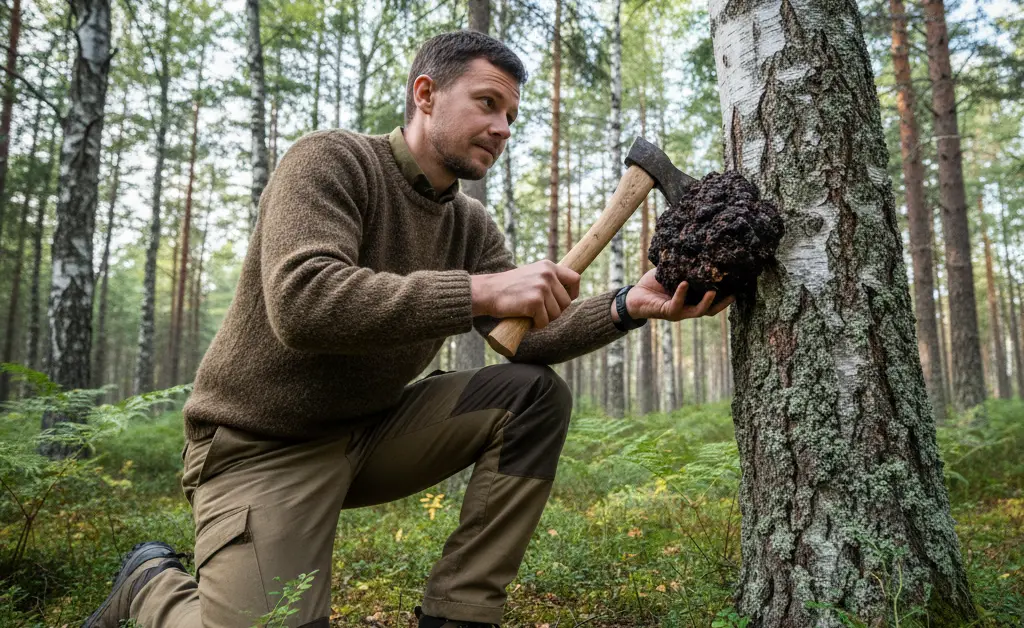
Sustainable chaga harvesting is a practice guided by respect for nature. Responsible foragers follow several key principles. They only harvest mature chaga conks, leaving smaller ones to grow. Crucially, they never remove the entire conk from the tree; a portion is left behind to allow the fungus to continue growing and to help protect the tree from other infections at the harvest site. Harvesters also use appropriate tools to make clean cuts, minimizing harm to the birch tree. These thoughtful techniques are essential for maintaining the delicate balance of the forest ecosystem.
Nutritional Profile and Wellness Aspects of Finnish Chaga
The wellness reputation of Finnish chaga is attributed to its rich and complex composition of bioactive compounds. These substances, developed over years of growth in a challenging Nordic environment, contribute to its status as a valued natural adaptogen. Research continues to explore the mechanisms behind its traditional uses.
Key Bioactive Compounds in Finnish Chaga
Finnish chaga is a powerhouse of beneficial compounds. Among the most significant are polysaccharides, particularly beta-glucans, which are known for their role in supporting the body’s natural defense systems. It also contains a high concentration of polyphenols and triterpenes, such as betulinic acid, which is absorbed from its host birch tree. Furthermore, chaga is one of the richest natural sources of the antioxidant enzyme superoxide dismutase (SOD) and contains abundant melanin, the pigment responsible for its dark color. Systematic reviews from organizations like the Cochrane Library often assess the evidence for the effects of such bioactive compounds found in natural health products.
Antioxidant Properties of Chaga from Finland
One of the most celebrated aspects of chaga is its high antioxidant content. Antioxidants are substances that may help protect cells from damage caused by oxidative stress. The melanin in chaga is a powerful antioxidant that contributes significantly to its overall capacity to neutralize free radicals. The pristine growing conditions in Finland are believed to enhance these properties, making the chaga mushroom finland is home to a particularly potent source of these protective compounds.
Finland’s Role in Chaga Research and Development
With its strong tradition of forestry, natural products, and scientific innovation, Finland is at the forefront of chaga research. Universities and research institutions across the country are studying the chemical composition of chaga, its potential applications, and methods for sustainable cultivation and harvesting. This scientific inquiry helps to validate the traditional knowledge surrounding chaga while also uncovering new possibilities for its use in modern wellness and beyond. The growing demand for products like USA chaga mushrooms, often sourced from Nordic countries, also fuels this scientific interest. This commitment to research solidifies Finland’s position as a global leader in the chaga industry.
Cultural Significance and Modern Popularity of Chaga in Finland
Chaga has gracefully transitioned from a traditional folk remedy into a symbol of modern Finnish wellness culture. Its deep roots in the nation’s history have provided a strong foundation for its current popularity, both within Finland and on the global stage, where it is celebrated as a pure and potent product of Nordic nature.
Chaga in Modern Finnish Cuisine and Beverages
In contemporary Finland, chaga is no longer confined to traditional simmering pots in rural homes. It has found a place in urban cafes, where chaga lattes and teas are offered alongside conventional coffee and tea. Health-conscious Finns incorporate chaga powder into smoothies, soups, and other foods. This modern embrace reflects a growing interest in connecting with nature and utilizing local, wild-foraged ingredients. Chaga represents a bridge between the old ways and a modern, health-focused lifestyle.
Growing Interest in Finnish Chaga Globally
The global reputation of Finnish chaga is built on a narrative of purity, potency, and sustainability. International consumers are increasingly seeking products with a clear and trustworthy origin story, and Finland’s pristine forests provide just that. The country’s strong environmental regulations and commitment to sustainable harvesting practices add to its appeal. As a result, the uniquely potent and wild-harvested chaga mushroom finland provides has become a highly sought-after commodity in the international natural health market, symbolizing the clean and powerful essence of the Nordic wilderness. This has led to a significant market for high-quality chaga mushroom for sale to consumers worldwide.
In conclusion, the story of chaga in Finland is one of deep connection between people and their environment. From its historical use in folk remedies to its modern status as a scientifically studied superfood, this remarkable fungus is a testament to the power of nature. The unique climatic conditions, vast birch forests, and a strong cultural commitment to sustainability ensure that the chaga mushroom finland offers remains a benchmark for quality and purity. Its journey from a hidden forest treasure to a global wellness phenomenon highlights its enduring value and the pristine power of the Nordic wilderness.
This article is for informational purposes only and does not constitute medical advice. The information presented here is not intended to diagnose, treat, cure, or prevent any disease. Please consult with a qualified healthcare professional before making any decisions about your health or wellness. The statements made regarding these products have not been evaluated by any food or drug administration.
FAQ
— Where does chaga mushroom grow in Finland?
Chaga mushrooms are commonly found on birch trees throughout Finland’s forests. The mushroom thrives in cold climates, making the boreal woodlands of Finland a natural habitat for its growth. These environments provide the conditions needed for chaga to develop its distinctive properties.
— Why is Finnish chaga considered a superfood?
Finnish chaga is often regarded as a superfood due to its rich composition of antioxidants and bioactive compounds. The pristine and cold environment of Finland is thought to enhance the mushroom’s nutrient density. Its traditional use and growing scientific interest contribute to its superfood status.
— What are the benefits of chaga mushrooms from Finland?
Chaga mushrooms from Finland may be associated with supporting the immune system and promoting overall well-being. They contain various antioxidants that help combat oxidative stress. While research is ongoing, these mushrooms are traditionally valued for their potential health-supporting properties.
— How is chaga traditionally used in Finland?
In Finland, chaga has been traditionally brewed into a tea or decoction, often consumed for its warming and soothing qualities. Folk practices include using it as a tonic during colder months. This customary use reflects its cultural significance and historical reliance.
— Are chaga mushrooms abundant in Finnish forests?
Chaga mushrooms are relatively common in Finnish forests, especially in areas with old birch trees. However, their appearance can vary depending on environmental factors. While not rare, sustainable harvesting practices are important to maintain their populations.
— Is chaga harvesting regulated in Finland?
Harvesting chaga in Finland is subject to environmental guidelines aimed at preserving natural resources. Regulations may focus on sustainable collection methods to protect birch trees and forest ecosystems. It is advisable to consult local authorities regarding specific rules.
— What makes Finnish chaga unique compared to chaga from other regions?
Finnish chaga is distinguished by its growth in a cold, clean environment, which can influence its chemical composition. The extended cold periods may enhance certain beneficial compounds, setting it apart from chaga found in milder climates. This regional characteristic is often highlighted in discussions about its quality.
— How is chaga from Finland typically prepared for consumption?
Typically, Finnish chaga is prepared by simmering chunks of the mushroom in hot water to create a dark, flavorful infusion. This method helps extract its bioactive ingredients while preserving traditional preparation techniques. The resulting beverage is enjoyed for both taste and its reputed wellness qualities.