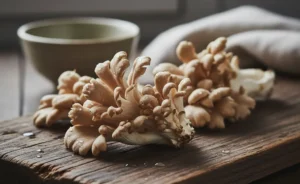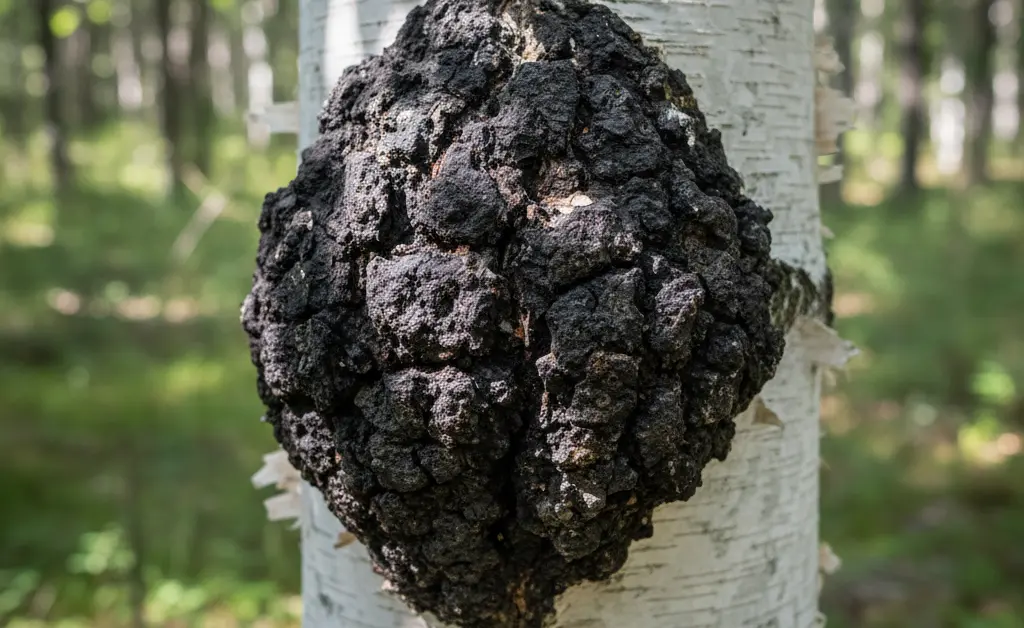
Chaga mushroom has gained significant attention for its potential to support health, particularly in managing inflammatory conditions. As inflammation plays a central role in many chronic diseases, understanding natural options like chaga mushroom for inflammation is increasingly important. This fungus, traditionally used in folk medicine, contains a variety of bioactive compounds that may influence the body’s inflammatory response. Exploring both historical uses and modern scientific findings helps to clarify its role and effectiveness. This article delves into the traditional knowledge, biochemical properties, and current research surrounding chaga mushroom, offering insights into how it may be integrated into natural health regimens aimed at reducing inflammation.
Chaga Mushroom for Inflammation: Traditional and Modern Perspectives
Chaga mushroom, scientifically known as Inonotus obliquus, is a fungus that primarily grows on birch trees in cold climates. Its use is deeply rooted in the folk medicine traditions of Siberia, Russia, and other parts of Northern Europe and Asia. For centuries, it has been revered not just as a health tonic but also as a specific remedy for various ailments, many of which are now understood to have inflammatory origins. The transition from traditional remedy to a subject of modern scientific inquiry reflects a growing interest in understanding the biochemical basis for its historical reputation.
Traditional Uses of Chaga Mushroom in Inflammation Management
In traditional practices, chaga was often prepared as a decoction or tea. Indigenous peoples of Siberia, for example, brewed it to support overall vitality, digestive health, and resilience against the harsh environment. While they lacked the modern concept of inflammation, many of the conditions they used it for—such as stomach discomfort, skin issues, and joint pain—are now recognized as being closely linked to inflammatory processes. The use of chaga was based on generations of observational evidence, where it was seen as a substance that helped restore balance and soothe internal distress.
Chaga Mushroom Benefits for Immune Support and Inflammation

The immune system and inflammation are intrinsically linked. Inflammation is a natural and necessary immune response to injury or infection, but when it becomes chronic, it can contribute to various health problems. Chaga mushroom’s potential benefits are often discussed in the context of its ability to modulate the immune system, which in turn can influence the body’s inflammatory response. It is thought to support a balanced immune function rather than simply boosting or suppressing it, which is a key aspect of managing chronic inflammation.
Role of Antioxidants in Reducing Inflammation
One of the primary ways certain natural compounds can influence inflammation is through antioxidant activity. Oxidative stress, caused by an imbalance between free radicals and antioxidants in the body, is a major driver of chronic inflammation. Free radicals can damage cells, proteins, and DNA, triggering an inflammatory response. Chaga is exceptionally rich in antioxidants, including polyphenols and melanin. These compounds help neutralize excess free radicals, thereby reducing oxidative stress and potentially lessening the associated inflammation. This antioxidant capacity is a cornerstone of the interest in using chaga mushroom for inflammation. The antioxidant properties of chaga mushroom are also being explored for their potential benefits related to skin health, including the possibility of using chaga mushroom for acne.
Potential Anti-Inflammatory Compounds in Chaga Mushroom
The perceived anti-inflammatory effects of chaga mushroom are not attributed to a single substance but to a complex synergy of various bioactive compounds. These molecules are produced by the fungus as it grows on its host birch tree, and some are even derived from the tree itself. This rich biochemical profile is what makes chaga a subject of intense scientific interest.
Key Bioactive Components Contributing to Anti-Inflammatory Effects
Several key components within chaga are believed to play a role in its anti-inflammatory properties. Polysaccharides, particularly beta-glucans, are well-known for their immune-modulating effects. They can interact with immune cells to help regulate their activity, which is crucial for maintaining a balanced inflammatory response. Triterpenes, such as betulinic acid, inotodiol, and trametenolic acid, are also significant. Betulinic acid, which the fungus concentrates from birch bark, has been studied for its potential to influence various biological pathways related to inflammation. Additionally, the high concentration of polyphenols and melanin contributes potent antioxidant effects that help protect cells from inflammatory damage.
Scientific Evidence Supporting Chaga Mushroom’s Anti-Inflammatory Properties
While traditional use provides a strong historical foundation, modern science seeks to validate these claims through controlled studies. Research into chaga’s effects on inflammation is an emerging field, with most evidence coming from laboratory and animal studies. These initial findings are promising and provide a basis for understanding how chaga might work at a cellular level.
Studies on Chaga and Inflammation
Most scientific investigations into chaga and inflammation have been conducted in vitro (in test tubes) or in vivo (in animals). These studies often involve exposing cells or animal models to inflammatory triggers and then administering chaga extract to observe its effects. The results have frequently shown that chaga extracts can influence the production of inflammatory signaling molecules, suggesting a potential role in modulating inflammatory pathways.
Chaga Mushroom’s Impact on Inflammatory Markers
A key focus of research is chaga’s effect on inflammatory markers, which are substances the body produces during inflammation. Studies have looked at its influence on cytokines, which are proteins that act as messengers between immune cells. Some research suggests that chaga may help downregulate the production of pro-inflammatory cytokines while supporting the function of anti-inflammatory ones. This modulating effect is central to its potential to help manage chronic inflammatory conditions.
Mechanisms of Action
Scientists are exploring several mechanisms through which chaga might exert its anti-inflammatory effects. One proposed mechanism involves the inhibition of specific signaling pathways, such as the NF-κB pathway, which is a master regulator of the inflammatory response. By modulating this pathway, chaga could theoretically reduce the production of numerous inflammatory compounds. The immune-modulating properties of its beta-glucans and the antioxidant action of its polyphenols are also considered key mechanisms. Understanding these pathways is crucial for researchers investigating chaga mushroom for inflammation.
Limitations of Current Research on Chaga and Inflammation
It is important to acknowledge the limitations of the current body of research. The vast majority of studies have been performed in laboratory settings or on animals, and the results may not directly translate to humans. There is a significant lack of large-scale, placebo-controlled human clinical trials, which are the gold standard for confirming efficacy and safety. Furthermore, the composition of chaga can vary widely depending on its source, age, and preparation method, making it difficult to standardize results across different studies. Organizations like the WHO emphasize the importance of robust scientific evidence for health interventions.
Future Directions in Chaga Mushroom Research for Inflammation
The future of chaga research will likely focus on bridging the gap between preclinical data and human application. Well-designed clinical trials are needed to determine effective and safe usage protocols for various inflammatory conditions. Researchers are also working to isolate and identify the most potent anti-inflammatory compounds in chaga and to understand their synergistic interactions. Developing standardized extracts will also be critical for ensuring consistency and reliability in both future research and consumer products.
How to Use Chaga Mushroom for Inflammation
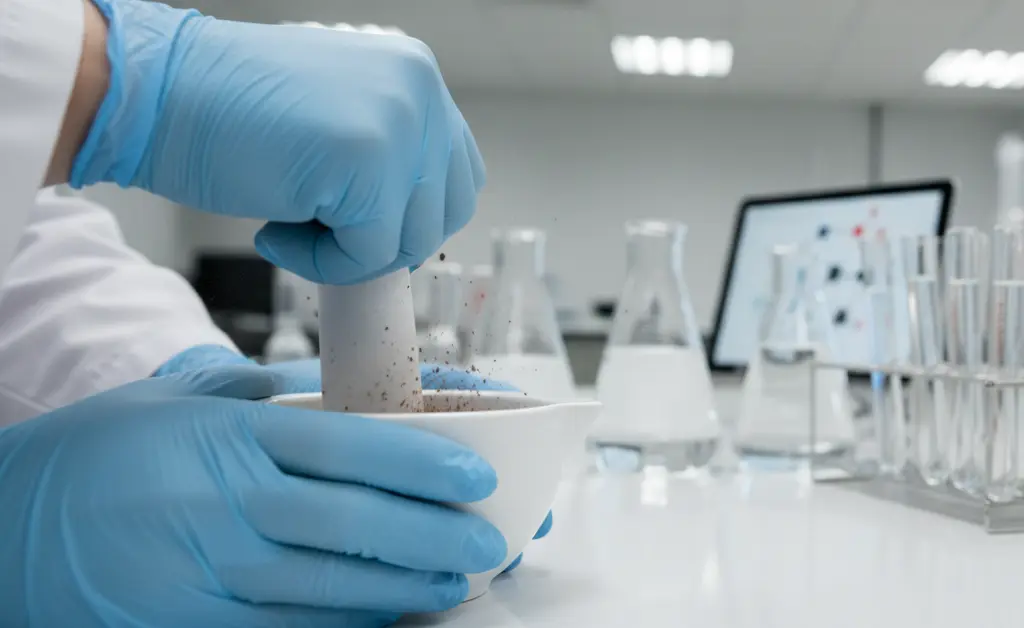
When considering chaga for wellness purposes, it’s important to understand the different forms and preparation methods available. The way chaga is processed can significantly impact which of its bioactive compounds are made available, and thus may influence its potential properties. As with any natural supplement, caution and awareness are key.
Preparation Methods Affecting Anti-Inflammatory Properties
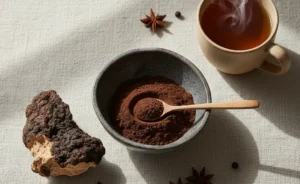
Traditionally, chaga was consumed as a tea or decoction, made by simmering chunks of the mushroom in water for an extended period. This hot water extraction is effective at drawing out water-soluble compounds like polysaccharides (beta-glucans) and some antioxidants. Modern preparations also include dual-extract tinctures, which use both hot water and alcohol to extract a broader spectrum of compounds. The alcohol extraction is necessary to pull out non-water-soluble triterpenes, like betulinic acid. Powdered extracts are also popular for their convenience.
Differences Between Chaga Extracts and Whole Mushroom in Inflammation
The raw, unprocessed chaga mushroom is a hard, woody mass that is indigestible for humans. It must be processed to unlock its bioactive components. Commercial extracts offer a concentrated and often standardized form of these compounds. A high-quality extract will typically specify the content of key components like beta-glucans or polyphenols. Using simple ground chaga powder to make tea may not yield the same concentration of active ingredients as a professionally prepared dual extract, which could be a factor in its overall effect.
Safety Considerations When Using Chaga for Inflammation
While chaga is generally considered safe for most people, there are important safety considerations. Chaga contains high levels of oxalates, which can be problematic for individuals with a history of kidney stones or kidney disease. Due to its potential effects on blood sugar and blood clotting, people taking diabetes medication or blood thinners should exercise caution and consult a healthcare professional. Sourcing is also critical; chaga can absorb heavy metals and other toxins from its environment, so it’s essential to obtain it from a reputable supplier that sources from clean, unpolluted areas. Being informed about these potential chaga mushroom for inflammation warnings is a responsible step for any consumer.
Comparing Chaga Mushroom with Other Natural Anti-Inflammatory Agents
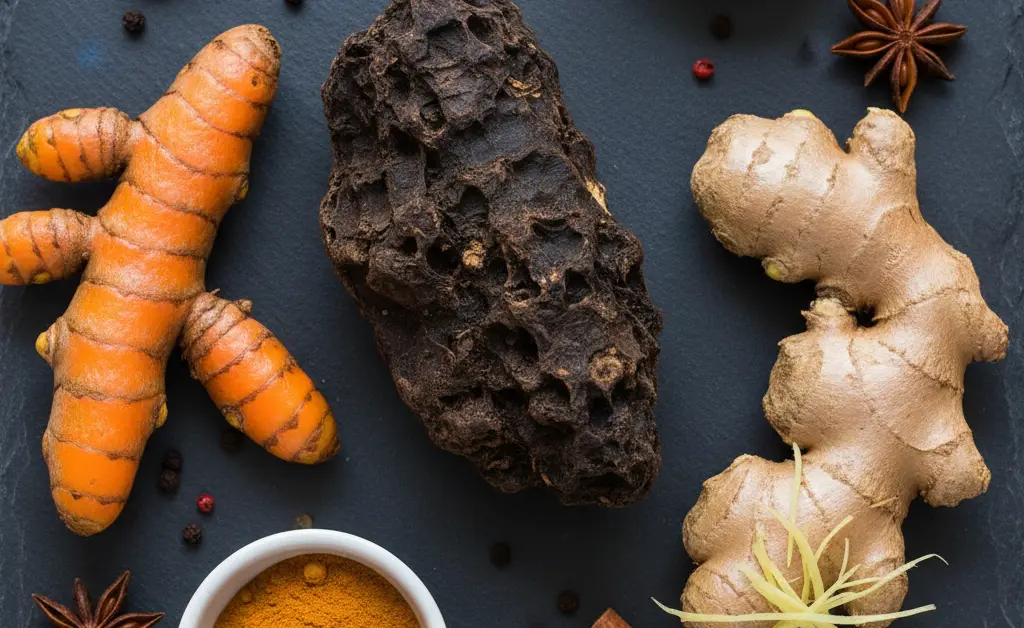
Chaga is one of many natural substances studied for their potential anti-inflammatory properties. It is often compared to other well-known agents like turmeric (curcumin), ginger, and omega-3 fatty acids. Each of these works through different mechanisms and contains unique bioactive compounds. Chaga’s profile is distinct due to its combination of immune-modulating polysaccharides, antioxidant-rich melanin, and birch-derived triterpenes. This unique composition provides a different, and potentially complementary, approach to supporting the body’s response to inflammation.
Potential Synergies Between Chaga and Other Anti-Inflammatory Herbs
In herbalism, combining different plants is a common practice aimed at achieving a synergistic effect, where the whole is greater than the sum of its parts. There is growing interest in how chaga might work in combination with other anti-inflammatory herbs. For instance, pairing chaga with turmeric could theoretically offer a broader spectrum of anti-inflammatory support, as curcumin and chaga’s triterpenes act on different inflammatory pathways. Exploring these potential synergies is an interesting aspect of using chaga mushroom for inflammation, though it should always be approached with care and professional guidance.
In summary, chaga mushroom holds a significant place in both traditional medicine and modern research for its potential to help manage inflammation. Its rich array of bioactive compounds, including antioxidants, polysaccharides, and triterpenes, are believed to work by modulating immune function and reducing oxidative stress. While preliminary scientific evidence is encouraging, it’s largely based on lab and animal studies, with a need for more robust human clinical trials. Individuals interested in using chaga mushroom for inflammation should be aware of the different preparation methods, prioritize high-quality sourcing, and consider potential safety concerns. As research continues, our understanding of this remarkable fungus and its role in supporting a balanced inflammatory response will undoubtedly grow.
This article is for informational purposes only and does not constitute medical advice. The information contained herein is not intended to diagnose, treat, cure, or prevent any disease. Always consult with a qualified healthcare professional before making any changes to your health regimen, especially if you have a pre-existing medical condition or are taking any medications. The statements made regarding these products have not been evaluated by the Food and Drug Administration.
FAQ
— How does chaga mushroom influence inflammation?
Chaga mushroom contains various bioactive compounds, such as triterpenes and polysaccharides, which are commonly studied for their potential influences on immune responses. These components may support the body’s natural defense systems, contributing to a balanced physiological state. Research often explores the potential benefits of **chaga mushroom for inflammation**, examining how its properties relate to mitigating various aspects associated with systemic irritation.
— Is it advisable to use chaga mushroom regularly for inflammation support?
While chaga mushroom is widely recognized, individual responses can vary considerably. It is always prudent to consult with a qualified health professional before incorporating any new botanical supplement into a regular regimen, especially when addressing specific health concerns. They can offer personalized insights based on your unique health profile.
— What are common ways to consume chaga mushroom for its anti-inflammatory effects?
Chaga mushroom is often prepared as an extract or a tea. These preparations are traditionally referenced for their rich concentration of beneficial compounds. The method of preparation may influence the bioavailability of its constituents, which is a topic of ongoing discussion and study.
— Are there any known considerations or side effects when using chaga mushroom for inflammation?
While generally considered well-tolerated by many, some individuals may experience mild digestive upset or allergic reactions when consuming chaga. It is always wise to discuss potential interactions with any existing health conditions or medications with a healthcare provider before use. Your health professional can provide guidance tailored to your specific situation.
— How long might it take to observe anti-inflammatory benefits from chaga mushroom?
The physiological response to botanical supplements, including chaga, is highly individual and can depend on numerous personal factors. Some individuals report feeling effects over varying periods, while others may not perceive a distinct change. Consistency and individual biological makeup are often discussed as influential aspects.